
Key Takeaways
- Tenant verification now plays a central role in safety, risk management, and regulatory compliance for Florida condominiums and HOAs in 2026.
- Digital property management platforms reduce manual workload, tighten data security, and support consistent application of Fair Housing Act, FCRA, and Florida-specific rules.
- Clear written policies, standardized workflows, and strong audit trails reduce legal exposure and improve board oversight during the screening process.
- Modern screening tools that verify identity, income, and background data help communities make faster and more reliable approval decisions while protecting applicant privacy.
- Tenant Evaluation gives Florida communities a Florida-focused, revenue-positive screening platform, and associations can get started at any time by visiting Tenant Evaluation’s demo and signup page.
The Evolving Landscape of Tenant Verification in Florida HOAs and Condos
Why Tenant Verification Matters for Florida Communities
Florida now has more than 50,000 condominium and homeowner association communities, and by 2026 many face higher turnover, seasonal residents, and complex regulations. Frequent move-ins and move-outs place heavy pressure on traditional paper-based screening and create more room for mistakes.
Effective verification affects safety, financial performance, and legal risk. Poor screening can result in evictions, property damage, disputes, and claims of discrimination. Well-designed digital workflows reduce processing times by more than half, which frees CAMs and board members to focus on operations and resident experience.
Core Legal and Policy Requirements for Florida Associations
Tenant screening for Florida HOAs and condos must align with federal law, including Fair Housing Act and Fair Credit Reporting Act, and with Florida statutes and community governing documents. Florida HOAs must secure signed consent from applicants before running background checks under FCRA and state laws, with clear, separate written disclosure required before pulling credit or background reports.
Traditional methods rely on paper packets, email, and manual review. Modern platforms replace those steps with online applications, integrated consent forms, automated checks, and board dashboards that present summarized information without exposing sensitive data.
Trends Shaping Tenant Onboarding and Risk Management
Several trends now define tenant onboarding in Florida communities. Residents expect digital self-service tools instead of paper packets. Associations need stronger security standards such as PCI Level 1 environments, full encryption, and automatic redaction of sensitive details.
Florida law also continues to change. Communities benefit from platforms that can adjust screening rules quickly and support Florida-specific policies, fee structures, and approval workflows.
Practical Ways to Use Digital Platforms for Tenant Verification
Streamlined Application Experiences for CAMs and Applicants
Online platforms centralize applications, payments, and documentation. Applicants complete tailored forms for tenants, purchasers, or additional residents, which reduces unnecessary questions and missing information.
Built-in document upload and validation tools confirm that applicants provide everything required before submission. Status trackers keep applicants, realtors, CAMs, and boards aligned, which reduces back-and-forth emails and delays.
Support for Florida-Specific Compliance Rules
Clear policies and consistent application protect communities from Fair Housing Act and FCRA issues. Clear, written tenant screening policies included in governing documents ensure fairness by applying the same standards to every applicant and provide legal protection under the Fair Housing Act. Digital tools embed these policies into workflows so each application follows the same steps.
New laws also affect screening. Florida House Bill 43, enacted in 2025, enables tenants to use one reusable screening report for multiple rental applications within 30 days. Platforms that support both reusable reports and traditional screening help boards comply with fee limits while preserving verification quality.
Risk Reduction and Stronger Data Security
Secure platforms reduce exposure by keeping sensitive information out of email and paper files. Encrypted storage, PCI Level 1 payment processing, and automatic redaction limit who can see Social Security numbers, bank details, and other sensitive data.
Integrated background checks provide criminal, eviction, and credit information through controlled workflows. Fraud detection tools flag altered pay stubs, inconsistent identity details, or conflicting records so reviewers can investigate further.
Better Board Oversight With Less Data Handling
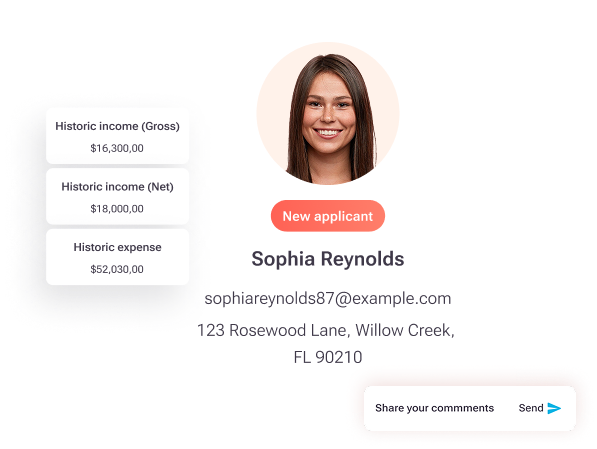
Community association management solutions with real-time dashboards and summarized reports enable HOA boards to oversee screening with transparency and control while minimizing direct handling of sensitive applicant data. Board members can review summaries, vote, and track decisions without accessing raw reports.
Audit logs record who reviewed each file, how they voted, and when decisions were made. This structure improves governance and provides clear records if disputes arise.
Revenue and Cost Savings for Florida HOAs and Condos
Efficient verification systems often reduce manual processing by dozens of hours per week, which lowers administrative costs. Online payments and automated fee rules ensure that associations capture application and move-in fees accurately.
Some platforms also offer revenue sharing on screening fees, which can generate recurring income that supports reserves or projects.
Common Challenges in Manual Tenant Verification
Regulatory Complexity and Legal Risk
Manual processes make it difficult to keep pace with federal, state, and local rules. Communities must apply screening criteria consistently, document decisions, and manage consent and disclosures properly. Updates in 2025 raised expectations for Florida community association compliance and operational standards, and boards continue to feel those effects.
Administrative Overload and Slow Approvals
Paper files, spreadsheets, and email threads consume significant staff time. Misplaced documents, incomplete applications, and unclear communication delay approvals and frustrate applicants. Communities that rely on these methods often struggle during peak renting and buying periods.
Data Security Gaps and Privacy Concerns
Physical files and standard email leave communities vulnerable to data loss or unauthorized access. Unsecured storage or shared inboxes can expose applicants’ personal information and create liability for the association.
Inconsistent Screening and Fair Housing Exposure
When each CAM or board member follows a different process, screening outcomes may vary from case to case. This inconsistency increases the risk of perceived or actual Fair Housing violations and makes it difficult to defend decisions.
Best Practices and Standards for Florida HOAs and Condos
Written Policies That Define Screening Standards
Clear, written tenant screening policies included in governing documents ensure fairness by applying the same standards to every applicant and provide legal protection under the Fair Housing Act. Policies should describe minimum credit criteria, income guidelines, criminal background rules, documentation lists, and any community-specific restrictions.
Policies should also explain how the community handles appeals and reasonable accommodations, and they should be reviewed regularly to reflect legal or demographic changes.
Transition to Integrated Digital Platforms
Communities that move to all-in-one platforms gain consistent workflows, better tracking, and improved communication. Mobile access, automatic reminders, and dashboards help keep applicants and stakeholders informed without extra effort from staff.
Analytics tools in these systems help boards spot trends, such as approval times or common reasons for denial, and adjust policies when needed.
Built-In FCRA and Florida Compliance
Florida HOAs must secure signed consent from applicants before running background checks under FCRA and state laws, with clear, separate written disclosure required before pulling credit or background reports. Automated consent forms, standardized disclosures, and recordkeeping features reduce the chance of missing required steps.
Use of Advanced Screening and Verification Tools
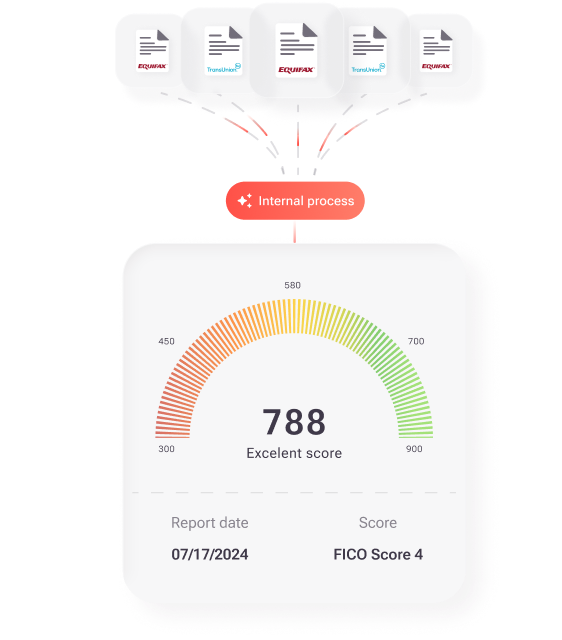
Modern screening should include identity verification, income and employment confirmation, and checks of criminal, eviction, and credit history. Cross-referencing multiple databases strengthens fraud detection and reduces reliance on self-reported information.
Understanding House Bill 43 and Reusable Reports
Florida House Bill 43 allows applicants to reuse a qualifying screening report within 30 days, which reduces repeated fees that once ranged between 30 and 100 dollars for each property. Landlords and HOAs that accept reusable screening reports cannot charge additional application fees for the same report, but they may still perform independent verification at their own cost.
Audit Trails and Transparent Decision-Making
Platforms that log every action, status change, and decision provide a strong defense if a decision is challenged. Dashboards allow boards to see high-level trends while detailed logs remain available for compliance reviews.
How Tenant Evaluation Addresses Key Challenges for Florida Property Management
Tenant Evaluation Compared With Manual Processes
|
Feature |
Tenant Evaluation |
Traditional Manual Process |
Result for Communities |
|
Application Process |
Fully online, automated forms, tailored by applicant type |
Paper packets, manual entry, inconsistent steps |
Shorter processing times and fewer errors |
|
Compliance |
Configured for Florida rules, FCRA-compliant workflows |
Policy and legal checks handled manually |
More consistent adherence to legal requirements |
|
Data Security |
Automatic redaction, PCI Level 1 security, full encryption |
Physical files and email with higher breach risk |
Lower liability and stronger privacy protection |
|
Board Transparency |
QuickApprove dashboard with summaries and voting |
Scattered emails and limited visibility |
Faster, better-documented board decisions |
Key Features Tailored to Florida HOAs and Condos
Tenant Evaluation offers QuickApprove board dashboards, IDVerify identity validation, SafeCheck+ background screening, and IncomeEV income verification, all designed to reduce risk and speed up approvals.
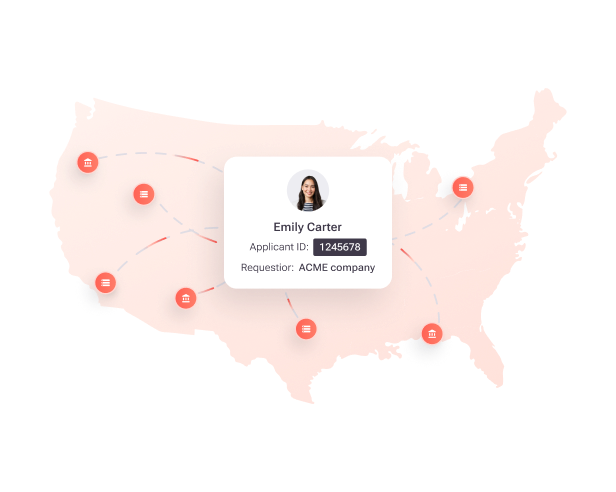
The platform configuration reflects Florida association practices, including community-specific rules and fee structures. Automated fee collection and revenue participation have already produced substantial income for participating communities, turning screening into both a compliance tool and a financial asset.
Frequently Asked Questions on Florida Tenant Verification
Q1: Impact of Florida’s HB 43 on HOA tenant screening and application fees
Florida House Bill 43, effective in 2025, introduced reusable screening reports that applicants can use for multiple properties within 30 days. When a community accepts a qualifying reusable report that covers credit, criminal, rental, and income data, the association may not charge a second application fee for the same information. Associations can still conduct independent checks if desired, but they may need to treat those costs as an internal expense rather than a fee billed to the applicant.
Q2: Legal considerations for background checks and Fair Housing compliance
Florida HOAs must obtain clear written consent with separate disclosures before ordering credit or background reports under FCRA rules. Communities must apply screening criteria consistently and avoid discrimination based on protected characteristics such as race, color, religion, sex, national origin, familial status, or disability. Associations should document decisions and consider reasonable accommodations when appropriate.
Q3: Ways digital platforms help boards oversee screening without handling sensitive data
Platforms such as Tenant Evaluation present redacted summaries to board members through dedicated dashboards. Directors can review key facts, vote, and monitor statuses without downloading or storing raw reports. This structure supports oversight and reduces the personal and organizational risk that accompanies direct handling of sensitive information.
Q4: Revenue opportunities from tenant verification platforms
Automated platforms collect application and screening fees consistently, reduce staff time, and often share a portion of fee revenue with the association. Savings from fewer manual tasks, faster approvals, and reduced errors combine with direct revenue to support reserves and capital improvements.
Q5: How digital screening tools stay aligned with changing regulations
Modern platforms embed FCRA, Fair Housing Act, and Florida-specific requirements into workflows and update processes as rules change. Consent forms, disclosures, adverse action notices, and retention rules become part of the system logic, which reduces the need for boards and CAMs to track each change manually.
Conclusion: Safer and More Efficient Tenant Verification for Florida Communities in 2026
Tenant verification now serves as a critical control for Florida condominiums and HOAs in 2026. Communities that pair clear written policies with secure, Florida-focused platforms improve safety, shorten approval timelines, reduce legal exposure, and create new financial value.
Digital tools replace fragmented manual steps with structured workflows, consistent criteria, and transparent records. This shift supports better governance and a more predictable experience for applicants and residents.