Written by: Luis Teran, Co-founder, CEO, TenantEvaluation
Community association management in Florida comes with distinct challenges, like handling complex compliance rules and meeting diverse resident needs. This article covers seven vital tools and industry associations that help Community Association Managers (CAMs) and Board Members improve operations, stay compliant, and build stronger communities. Let’s explore how the right technology and professional connections can make a real difference in your association’s performance.
Why Efficiency Tools and Association Involvement Matter for CAMs
Community Association Managers and HOA Board Members often face tough operational issues. Administrative overload, risks of compliance violations, data security concerns, slow application processes, and limited access to clear decision-making data can slow things down and hurt revenue.
Adopting targeted efficiency tools and getting involved with industry associations offers a solid way forward. These resources streamline daily tasks, reduce risks, improve resident satisfaction, and create opportunities for financial growth. For Florida associations, combining technology with professional support is key to navigating local challenges effectively.
|
Feature |
Manual Processes |
Automated Digital Tools |
Impact |
|
Application Time |
Weeks |
Days (70% faster) |
Protects Revenue |
|
Error Rate |
High |
Low (automated checks) |
Lowers Risk |
|
Compliance Risk |
High (manual oversight) |
Low (built-in rules) |
Ensures Legal Safety |
|
Administrative Load |
Very High |
Very Low (saves up to 50 hours/day) |
Cuts Costs |
Streamline Operations: Book a TenantEvaluation Demo Now
Curious how TenantEvaluation can help? Schedule a demo today to see how our platform simplifies applications, strengthens compliance, and increases revenue for your HOA or condominium association.
7 Key Efficiency Tools and Associations for Property Management
1. Streamline with Resident Screening & Onboarding Platforms
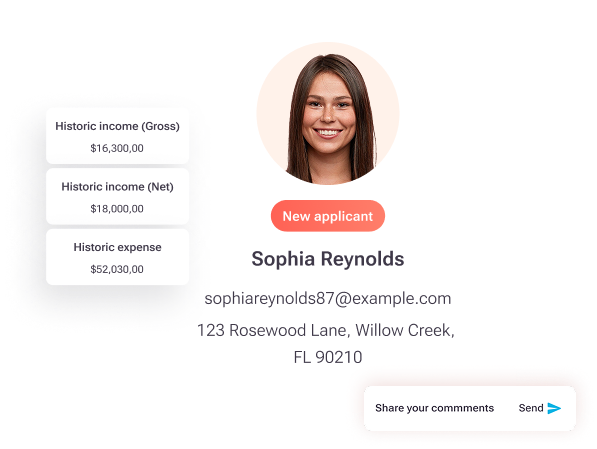
Effective resident screening and onboarding systems are essential for community associations. These platforms automate document collection, background checks, and approvals, cutting down on administrative work while improving data security.
Manual processes can stretch approvals over weeks. Digital tools, on the other hand, speed this up by as much as 70%, saving time and protecting income from delayed resident placements. They often include features like automated document checks, adaptive forms for different applicant types, and thorough background reviews covering criminal records, credit history, and employment details.
For Florida associations, these systems also align with state-specific rules and local laws. With end-to-end encryption and automatic data redaction, they help meet privacy standards and maintain clear records for audits.
2. Gain Insights from Industry Associations like CAI and FCAP
Industry associations provide critical support for CAMs and Board Members. Groups like the Community Associations Institute (CAI) and Florida Community Association Professionals (FCAP) offer education, advocacy, and networking opportunities.
CAI helps members stay updated on legal changes and governance practices, which directly improves compliance and management skills. FCAP, focused on Florida’s regulatory landscape, provides training on topics like reserve funding and building safety. Both organizations connect professionals with peers to share practical solutions and offer credits for license renewals.
3. Simplify Processes with Smart Application and Document Systems
Dynamic forms and document management systems ensure accurate, complete applications, reducing follow-ups between applicants and staff. These tools include automated verification, secure digital signatures, and encrypted storage for full audit trails.
Incomplete applications waste time for everyone. Smart systems cut these issues by 50 to 60%, guiding applicants through every step. They often use optical character recognition to pull data from documents like IDs or leases, flagging errors early. Cloud storage with controlled access keeps sensitive files safe while allowing remote access, and integration with existing software reduces redundant data entry.
4. Enhance Decisions with Board-Specific Dashboards
Dashboards tailored for Board Members provide real-time updates on applications, concise reports, and voting options, ensuring transparent and quicker decisions.
Manual reviews can delay approvals by 5 to 7 days. A dedicated dashboard shortens this to 1 or 2 days. Features like AI-summarized applicant data, discussion threads, and automated alerts help boards act fast. Analytics on approval trends also highlight areas for policy adjustments, while clear records protect against discrimination claims.
5. Boost Finances with Automated Fee Collection Systems
Automated platforms for collecting application fees improve financial efficiency and support association revenue. They simplify payments and often include revenue-sharing options that benefit the community.
Associations using these systems see collection rates as high as 98%, compared to 70 to 80% with manual methods. TenantEvaluation, for example, has helped communities generate $150 million through efficient fee processing. These tools accept various payments, track transactions, and even adjust fees based on application needs, while syncing with accounting software for easy reporting.
6. Plan Smarter with Analytics and Reporting Tools
Data on community demographics, resident trends, and operational metrics helps CAMs and Boards make informed choices about policies, amenities, and growth plans.
For instance, analytics might reveal a need for EV charging stations, prompting a timely investment. Data-driven approaches can boost efficiency by up to 25%, aligning services with resident needs. These tools track approval rates, processing times, and market patterns, aiding in staffing decisions and targeted outreach for vacancies.
7. Improve Outreach with Communication and Support Platforms
Platforms with 24/7 multilingual support, often using AI chat, handle applicant and manager inquiries effectively. Automated updates keep everyone in the loop during application processes.
Communities offering round-the-clock support see 30% fewer routine calls to managers, freeing staff for bigger tasks. Automated systems resolve up to 80% of common questions independently. They combine email, SMS, and chat for a smooth experience, with customizable alerts ensuring timely communication without overwhelm.
Frequently Asked Questions (FAQ)
How Do Efficiency Tools Meet Florida-Specific Rules?
Platforms like TenantEvaluation are designed with Florida regulations in mind. They allow customization to match local bylaws and state laws, covering application processes, background checks, and data security. Automatic updates reflect new laws, while built-in checks, audit trails, and data protection features help CAMs stay compliant without constant manual oversight.
What Financial Gains Come from All-in-One Screening Platforms?
These platforms save money by cutting administrative time, reducing legal risks, and avoiding errors that lead to expensive fixes. They also increase income with fee collection rates up to 98% and revenue-sharing options, turning application processes into a financial asset. Faster turnovers and reduced vacancy periods add further savings.
How Do Associations Like CAI or FCAP Support New CAMs?
These groups offer certification programs, networking with experienced peers, and access to legal updates and best practices. They provide ongoing education, mentorship, crisis support, and template documents to help new managers handle governance, finances, and compliance with confidence.
Do These Tools Work with Existing Property Software?
Many tools feature APIs for integration with platforms like AppFolio or Buildium. TenantEvaluation operates as a focused standalone solution for HOAs and condos, but most systems support data sharing and real-time updates. Associations should confirm compatibility with providers to ensure smooth workflows during setup.
Boost Efficiency with a Thoughtful Implementation Plan
Adopting property management tools requires aligning them with both current needs and future goals. Start by assessing existing processes to pinpoint delays, errors, or compliance gaps that technology can fix.
Training and managing change are vital for success. Create programs that show the benefits of new tools and offer hands-on practice. A gradual rollout helps maintain operations while staff adapt. Regularly track metrics like processing times or resident feedback to ensure ongoing value from your investment.
Ready to see the impact? Schedule a demo today to explore how these tools can elevate your association.
Strengthen Communities with Technology and Networks
Pairing advanced tools with active involvement in associations creates a powerful combination for community management. Technology delivers data for smart decisions, while professional networks provide the experience to use that data well.
For example, analytics might show shifting resident needs, and associations offer guidance on adjusting policies accordingly. The pandemic proved the value of digital tools and strong connections, helping communities adapt with virtual meetings and contactless processes. Emerging tech like AI and IoT continues to shape the field, with associations helping managers evaluate and adopt these innovations wisely.
Looking Ahead: The Future of Community Management
For CAMs and Board Members, blending specialized tools with industry involvement is now a must. This approach helps tackle Florida’s unique challenges, improving operations, compliance, transparency, and revenue.
The tools and associations discussed here have proven effective for many Florida communities. Screening platforms cut processing times by 70%, while associations provide essential education and support. As regulations, technology, and resident needs evolve, successful associations will lean on innovation and collaboration to stay ahead.
Investing in these strategies reduces costs, ensures compliance, boosts resident satisfaction, and strengthens financial outcomes, setting communities up for long-term success.
Enhance Your Management with TenantEvaluation
Want to improve your community association management with technology built for Florida HOAs and condos? TenantEvaluation offers a complete platform with all seven efficiency tools covered here, from AI-driven application processing to automated fee collection and 24/7 support. Our system has processed over 100,000 applications yearly and generated $150 million for communities.
Stop letting manual tasks hold your community back. Join trusted names like RealManage and FirstService Residential who rely on TenantEvaluation for better operations and revenue growth.
Schedule a demo today to learn how TenantEvaluation can simplify applications, strengthen compliance, and drive revenue for your association.
