Written by: Luis Teran, Co-founder, CEO, TenantEvaluation
Key Takeaways for Florida CAMs and Boards
- Florida Statute §83.491 (effective July 1, 2023) lets associations offer a voluntary, non-refundable monthly fee instead of a traditional security deposit, creating a clear path to per-unit ancillary revenue.
- Payments must move directly from the applicant to the Association’s designated account. Any third-party ledger in the middle creates commingling risk and audit exposure under Florida trust-account rules.
- Traditional security deposits are recorded as liabilities and never recognized as revenue until a valid legal event occurs. §83.491 fees are recognized as income in the period earned.
- TEpayments by Zinc embeds collection inside the existing FCRA-compliant TenantEvaluation workflow, which removes manual reconciliation and keeps every transaction traceable without extra steps.
- Associations can roll out a compliant deposit-alternative program in five steps: audit current handling, draft a §83.491 agreement, define collection stages, designate a direct-to-account, and enable TEpayments by Zinc, while TenantEvaluation streamlines the entire process.
The Daily Friction of Manual Security Deposit Handling
Most Florida CAMs juggle security deposit workflows across spreadsheets, email chains, and disconnected payment portals. This fragmented setup creates a predictable set of operational failures:
- Confirmation chasing: managers call and email applicants to verify whether a deposit was sent, received, or cleared.
- Spreadsheet reconciliation: trust-account balances are manually cross-referenced against per-tenant sub-ledgers, which produces error-prone records that rarely survive an audit.
- Commingling risk: Florida has specific trust-account rules for security deposits, and violations can trigger regulatory penalties.
- Disconnected payment stages: fees collected at application are tracked separately from deposits collected at lease signing, so there is no unified audit trail.
Adding a deposit-alternative program on top of this manual infrastructure multiplies the complexity. A provider rebate that arrives outside the onboarding workflow demands a separate reconciliation step, a separate ledger entry, and a separate confirmation process. CAM staff lose more hours while risk increases.
How §83.491 Creates a Legal Path for Deposit-Alternative Revenue
Effective July 1, 2023, §83.491, Florida Statutes, permits landlords to offer tenants the voluntary option to pay a recurring, generally non-refundable fee instead of a traditional security deposit. Key statutory requirements include:
- The fee arrangement must appear in a signed written agreement with specific disclosures.
- The fee cannot increase during the lease term.
- The tenant may cancel the arrangement at any time and revert to a standard security deposit.
- A fee paid under §83.491 has a separate notification requirement from the holding, notice, or return rules that govern traditional deposits.
The revenue-sharing model works in a straightforward way. The provider collects a non-refundable monthly fee from the tenant, deducts its service charge, and rebates the remainder to the Association’s designated account. The direct-to-account payment requirement remains essential. Any structure where funds pass through a third-party ledger before reaching the Association reintroduces commingling exposure and weakens the audit trail that Florida regulators expect.
How Security Deposits Appear in Property Management Accounting
A traditional security deposit is never revenue at the moment of receipt. Receipt of a deposit increases cash by the deposit amount and increases the Security Deposits Held liability by the same amount, with no effect on revenue. The standard journal entry is:
- Debit: Cash — Security Deposit Trust Account
- Credit: Security Deposits Held (Liability)
A security deposit is recorded as a current or non-current liability based on the expected timing of any settlement or return. Monthly reconciliation protects the association: the trust-account bank balance must equal the sum of all per-tenant deposit sub-ledger entries. TEpayments by Zinc connects payment collection to the onboarding record, so CAMs gain a single audit-ready source of truth instead of a parallel spreadsheet.

Why Security Deposits Are Not Immediate Revenue
Under ASC 606 revenue recognition standards and GAAP, recording a security deposit as immediate revenue is incorrect. Revenue must be earned, and the deposit remains a deferred liability until the lease ends and any deductions are determined. A deposit converts to income only after a valid legal event such as documented damage, unpaid rent, or lease forfeiture. The journal entry at that point is:
- Debit: Security Deposits Held (Liability) — full amount
- Credit: Cash — Security Deposit Trust Account — refunded portion
- Credit: Damage Recovery Income — withheld portion
Treating security deposit funds as revenue when received violates GAAP by misclassifying a liability and appears as a key compliance risk alongside state landlord-tenant requirements such as separate trust accounts. Penalties like double or triple refunds usually tie to missed return deadlines rather than the misclassification alone. The non-refundable fee collected under §83.491 is different. It is recognized as income in the period earned, and TEpayments by Zinc tracks that treatment inside the same onboarding workflow used for applications.
Operational and Legal Downsides of Revenue Sharing
Revenue-sharing arrangements introduce operational and legal risks that Florida CAMs must evaluate before rollout:
- Coverage gaps: smaller recurring payments may not cover the cost of significant rental property damages.
- Tenant incentive shift: because the fee is non-refundable, tenants have reduced financial motivation to maintain the property.
- Reconciliation complexity: provider rebates that arrive outside the onboarding workflow require separate ledger entries and confirmation steps.
- Audit exposure: if funds pass through a third-party account before reaching the Association, the audit trail breaks and commingling risk returns.
The most effective risk-mitigation step is structural. Select a provider that implements the direct-to-account architecture described earlier. TEpayments by Zinc uses this model, so funds move from applicant to Association with no intermediate holding and every transaction remains traceable from the moment of collection.
Comparison of Four Active Deposit-Alternative Providers in Florida
The table below illustrates how payment architecture and onboarding integration separate compliant providers from those that reintroduce trust-account risk. Use the “Florida Trust-Account Compliance Notes” and “Onboarding Integration” columns to evaluate whether a provider’s structure meets the direct-to-account standard Florida regulators expect. Commission rates and compliance notes come from publicly available program disclosures, and onboarding integration reflects each provider’s documented workflow architecture.

| Provider | Commission / Revenue Rate | Florida Trust-Account Compliance Notes | Onboarding Integration |
|---|---|---|---|
| TEpayments by Zinc (TenantEvaluation) | Configurable per Association; rebate goes directly to Association’s designated account | Payments flow applicant-to-Association; TenantEvaluation never holds funds; fully auditable inside FCRA-compliant platform | Native, embedded inside the same TenantEvaluation workflow used for applications, screening, and approvals |
| Beagle | Property managers earn a share of the monthly resident fee; zero onboarding costs and no contracts disclosed | Operates as an insurance-based alternative; Florida-specific trust-account pass-through architecture not publicly documented | Standalone program; requires separate enrollment outside existing onboarding platforms |
| Generic Deposit-Waiver Program (spread model) | $5–$12 per unit per month margin on a $25–$40 tenant monthly fee | Spread model means provider collects tenant fee first; direct-to-Association flow depends on program structure and is not guaranteed | Standalone; no native integration with screening or approval workflows |
| Traditional Security Deposit (§83.49 baseline) | No ancillary revenue; deposit is a liability held in trust | Full §83.49 compliance required: separate trust account, 30-day notice, 15-day return timeline | Manual collection; no onboarding platform integration |
Five-Step Checklist to Launch a Compliant Deposit-Alternative Program
- Audit current deposit handling: confirm that all existing security deposits are held in a separate Florida banking institution account per §83.49(1) and that no funds are commingled with operating accounts.
- Draft a §83.491-compliant fee agreement: work with association counsel to prepare a signed written agreement that discloses the non-refundable fee amount, confirms the fee cannot increase during the lease term, and preserves the tenant’s right to revert to a standard deposit.
- Define collection stages: because §83.491 fees must be disclosed in a signed written agreement before collection begins, map exactly when each fee is collected at application, lease signing, or move-in. Document that sequence in the Association’s onboarding policy so the disclosure language matches the actual payment timeline and no fee is collected before the tenant signs the required agreement.
- Establish a dedicated Association account: open or designate the account to which all deposit-alternative payments will flow directly, and confirm that no third-party ledger sits between the applicant and the Association.
- Enable TEpayments by Zinc inside TenantEvaluation: configure the workflow so fees and deposits are collected in the same process used for applications and approvals.
Conclusion: Revenue Sharing Works Only with Clear, Auditable Collection
Security deposits remain liabilities under Florida law, and that classification does not change based on how a deposit-alternative program is marketed. The §83.491 fee-in-lieu structure creates a legitimate path to ancillary income, but only when the direct-to-account standard is met and every transaction is recorded in an auditable workflow. Any arrangement where a third party holds, batches, or intermediates funds before remitting to the Association reintroduces the commingling and trust-account exposure that Florida regulators penalize most severely.
The §83.491 fee-in-lieu structure creates a legitimate path to ancillary income, but only when the direct-to-account standard is met and every transaction is recorded in an auditable workflow. TEpayments by Zinc delivers both requirements inside the same FCRA-compliant platform used for screening and approvals, so every payment connects to an application record and no extra reconciliation step is required. Florida CAMs and boards gain per-unit ancillary revenue without adding administrative burden or regulatory risk.
Frequently Asked Questions
Can a Florida HOA or condo association legally earn revenue from a security deposit alternative program?
Yes. Florida Statute §83.491, effective July 1, 2023, permits landlords and associations to offer tenants a voluntary, non-refundable monthly fee instead of a traditional security deposit. Because this fee is not classified as a security deposit under §83.49, it is not subject to the trust-account holding, notice, or return requirements that govern traditional deposits. The fee is recognized as income in the period it is earned, and the association retains the portion not deducted by the program provider. The arrangement must appear in a signed written agreement with required disclosures, and the fee cannot increase during the lease term. Tenants keep the right to cancel the arrangement and revert to a standard deposit at any time.
What is the difference between a security deposit and a deposit-alternative fee for accounting purposes?
A traditional security deposit is recorded as a liability on the balance sheet when received. It remains a liability throughout the tenancy and converts to income only after a valid legal event such as documented damage, unpaid rent, or lease forfeiture at the end of the tenancy. A deposit-alternative fee collected under §83.491 is non-refundable and is recognized as income in the period it is earned, with no corresponding liability entry. The two instruments require different journal entries, different account classifications, and different disclosure language in the lease. Misclassifying a traditional security deposit as income at receipt violates GAAP and Florida statute and can expose the association or management company to statutory penalties, treble damages, and attorney fee awards.
How does TEpayments by Zinc keep Florida associations compliant when collecting deposit-alternative fees?
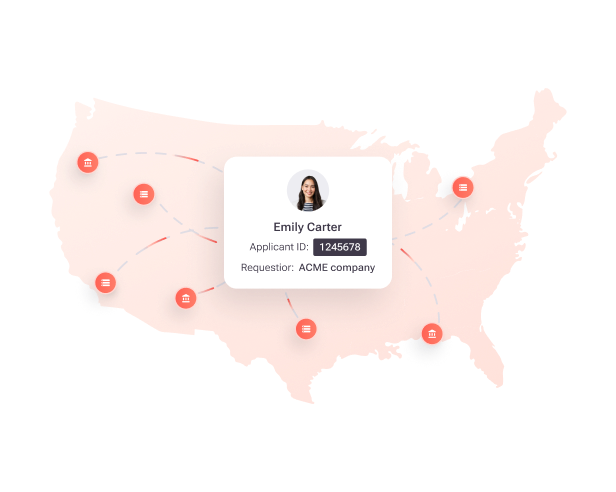
TEpayments by Zinc is a configurable payment workflow integrated directly into the TenantEvaluation platform. Payments flow from the applicant to the Association’s designated account, and TenantEvaluation organizes the workflow but never holds the funds. This architecture satisfies the direct-to-account requirement that prevents commingling exposure under Florida trust-account rules. Because the payment workflow sits inside the same FCRA-compliant onboarding process used for applications, screening, and approvals, every transaction connects to an application record and every payment stays traceable without a separate reconciliation step. Each Association defines what is collected and at which stage, so the workflow adapts to the property’s process rather than forcing a universal sequence.
What are the risks of using a deposit-alternative provider that holds funds before remitting to the association?
When a third-party provider collects tenant fees and batches or holds them before remitting to the association, the association loses direct traceability of individual payments. This structure creates several risks. The audit trail weakens, which makes it difficult to reconcile per-tenant payment records. If the provider experiences financial difficulty, association funds may be at risk. Florida regulators may also view the arrangement as a trust-account violation if the intermediary structure obscures the source and destination of funds. The safest structure under Florida law is a direct-to-account payment flow where no third-party ledger sits between the applicant and the Association’s designated account, which is the architecture that TEpayments by Zinc uses.
Do Florida CAMs need a separate license to administer a deposit-alternative revenue-sharing program?
Florida CAMs licensed under Chapter 468 are authorized to control or disburse association funds and coordinate financial management for the associations they manage. Administering a deposit-alternative fee program on behalf of an association, where fees flow directly to the association’s account and the CAM manages the workflow, generally falls within CAM authority. If the CAM also collects deposits or rent on behalf of individual unit owners for compensation in a rental-management capacity, a separate Florida real estate broker license under Chapter 475 may be required. Associations and management companies should consult Florida-licensed legal counsel to confirm the appropriate licensing structure for their specific program design before implementation.
