
Key Takeaways
- Florida HOAs face rising resident application fraud tied to gig economy identity theft, so manual reviews alone no longer work.
- Use an 8-step fraud plan: spot red flags, verify multiple documents, add AI scanning, confirm income, use biometrics, apply risk scores, enable board dashboards, and train staff.
- Biometric tools like IDVerify+ use liveness detection and facial matching to stop synthetic identities and photo spoofing in real time.
- FCRA-compliant background checks with risk scoring and audit trails help HOAs meet 2026 rules and reduce legal exposure.
- HOAs using TenantEvaluation save about $240K per year in staff time; get started with TenantEvaluation today for fraud-resistant screening.
8-Step Fraud Prevention Framework for Florida HOA Applications
1. Spot Resident Screening Fraud Red Flags Early
Fraud prevention starts with clear awareness of common deception patterns in applications. Fraud involves intentional deception or misrepresentation for unauthorized benefits, so early detection protects your HOA from financial and safety risks.
Key red flags include:
- Applications that look perfect with no credit issues or rental history gaps
- Mismatched information between documents and application forms
- Blurry, pixelated, or clearly altered identification documents
- Income documents that lack employer verification details
- Applicants who resist or delay providing extra verification when asked
2. Use Multi-Document Checks to Expose Rental Fraud
Cross-check several document types to uncover inconsistencies that a single-source review might miss. Require a government-issued photo ID, recent pay stubs, bank statements, and prior rental references for every adult applicant.
Confirm that names, addresses, and dates match across all documents and the application. This layered review makes it much harder for fraudsters to keep a fake story consistent across multiple records.
3. Add AI Document Scanning and Smart Redaction
AI document scanning verifies ID authenticity by checking holographic security features and barcode formatting, which gives your team automated fraud detection that outperforms manual review.
Modern AI tools flag altered documents, confirm security features, and automatically redact sensitive data. This supports FCRA compliance and speeds up verification so staff can focus on higher-value tasks instead of line-by-line document checks.
4. Confirm Income and Employment Through Third-Party Sources
Move beyond self-reported income and uploaded pay stubs by using services like The Work Number for direct employer verification. Third-party income checks reduce the risk of fake pay stubs and confirm employment status in real time.
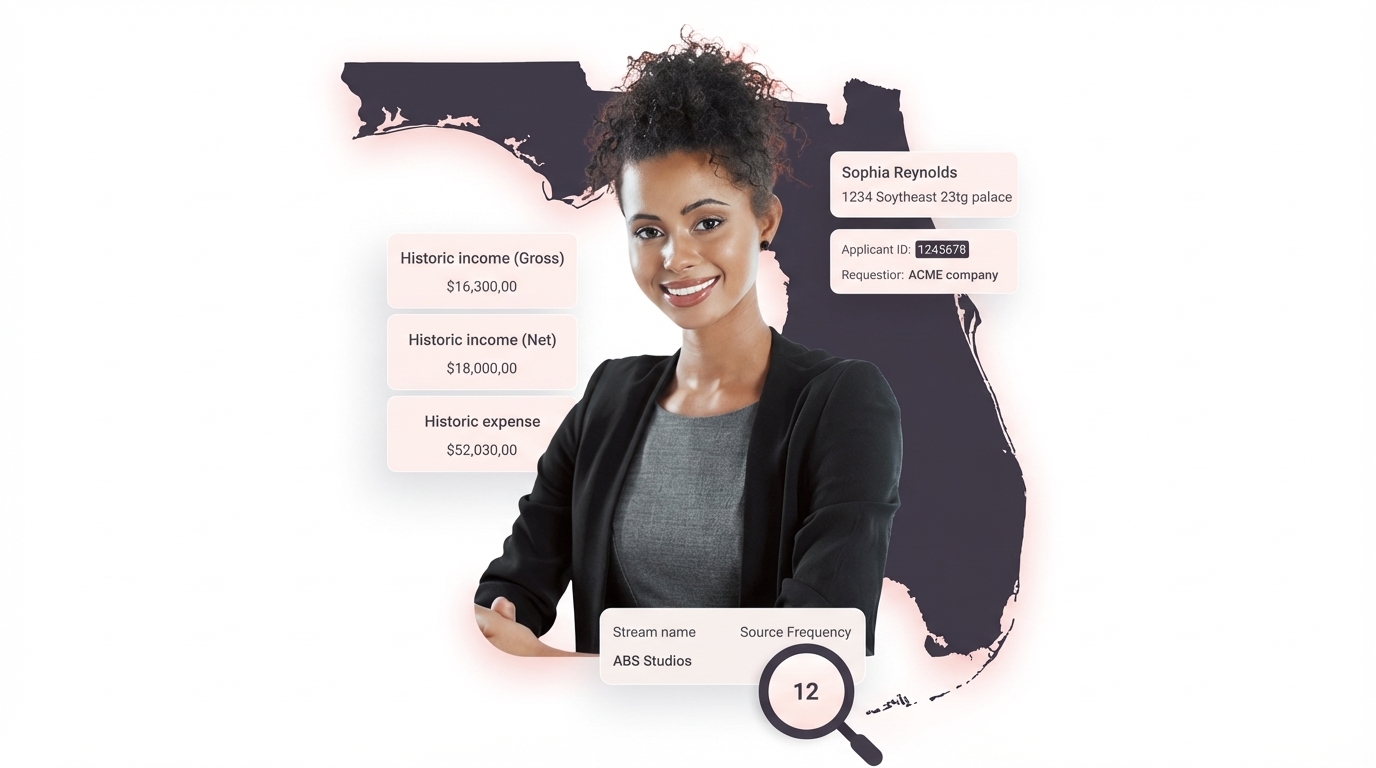
This step becomes critical when applicants use synthetic identities that include polished documents but no real employment history behind them.
5. Deploy Biometric Identity Verification for Applicants
Biometric verification gives HOAs a powerful tool to stop rental application fraud before approval. Modern platforms use biometric liveness checks, 3D face mapping, and micro-expression analysis to confirm a live human and block synthetic fraud.
TenantEvaluation’s IDVerify+ solution fits directly into the application flow and provides:
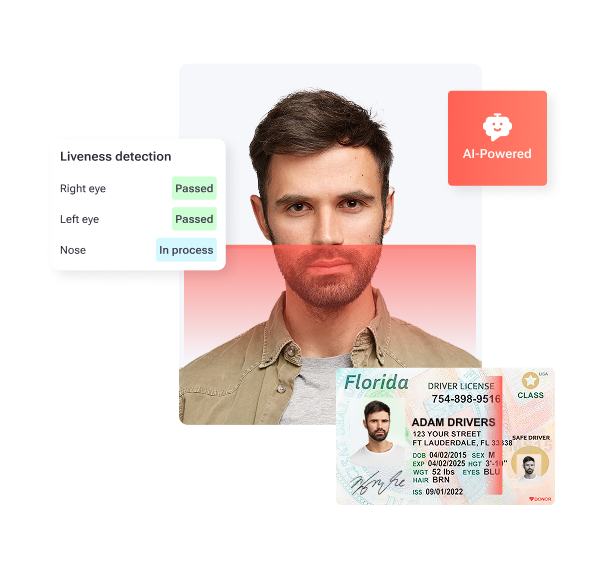
- Government ID validation with security feature checks
- AI-driven liveness detection that stops photo spoofing
- Biometric facial matching between selfies and ID photos
- Real-time verification results inside the same platform
| Aspect | Before IDVerify+ (Manual) | After IDVerify+ |
|---|---|---|
| Verification Method | Document review only | Biometrics and AI liveness |
| Processing Time | Hours of manual review | Instant automated verification |
| Fraud Detection Rate | Limited to obvious alterations | Stronger fraud blocking capability |
6. Pair Risk Scoring with FCRA-Compliant Background Checks
Combine biometric identity checks with full background screening that covers criminal history, eviction records, and credit data. TenantEvaluation, as a direct TransUnion and Equifax reseller, delivers FCRA-compliant reports and risk scores that support clear, documented board decisions.
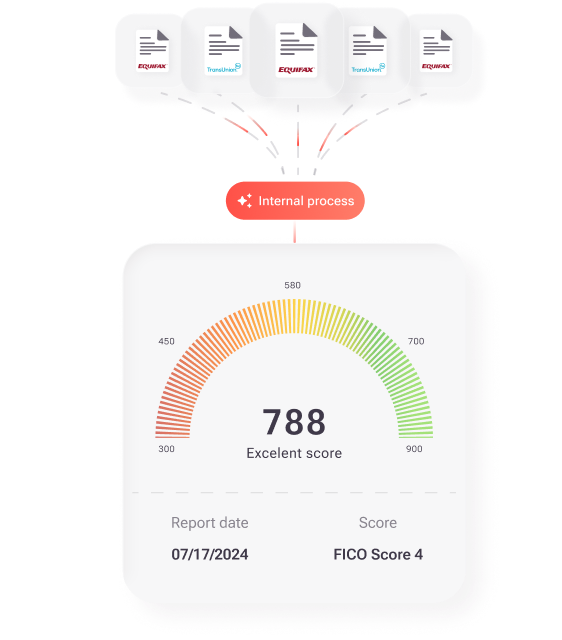
This combined view builds a complete applicant profile that extends far beyond basic document review and simple credit pulls.
7. Give Boards Real-Time Oversight with QuickApprove
Transparent board participation adds another layer of protection against fraud. TenantEvaluation’s QuickApprove dashboard gives board members real-time access to application summaries, verification outcomes, and voting tools.

This structure replaces scattered email threads and keeps every approval or denial fully documented with time-stamped audit trails that support FCRA compliance.
8. Train Staff and Protect Records with Audit Trails
Ongoing staff training and strong audit trails keep fraud prevention consistent across properties and managers. Teach teams how to spot document, income, and behavioral red flags, and how to escalate suspicious files.
Set mandatory dual control for approvals over set thresholds and separate authorization, recordkeeping, and reconciliation duties. This structure limits unchecked access and reduces the chance of internal or external fraud slipping through your workflows.
| Feature | TenantEvaluation | ApplyCheck/Verify Screening Solutions |
|---|---|---|
| Biometric Verification | IDVerify+ native integration | Not available |
| Board Dashboard | QuickApprove with voting | Limited or absent |
| End-to-End Automation | Complete A-Z workflow | Screening-only focus |
| FCRA Reseller Status | Direct TransUnion/Equifax | Third-party data sources |
Florida HOA Compliance Checklist for 2026 and Beyond
Florida community associations must keep FCRA compliance front and center throughout the application process. Upcoming 2026 updates, including fee cap changes and new preemption rules, make a structured compliance program essential.
Florida HOAs should:
- Document permissible purpose for every background check
- Send proper adverse action notices when denying applications
- Maintain detailed audit trails for all screening decisions
- Protect and securely dispose of sensitive applicant data
- Record board approvals with clear, time-stamped entries
TenantEvaluation’s direct credit bureau reseller status and built-in compliance workflows lower liability while helping Florida HOAs meet all regulatory requirements. Schedule a demo today to see how automated compliance safeguards your community.
Proven Results: Florida HOA Saves $240K Per Year
A Florida management company that relied on manual reviews discovered major hidden costs in its application process. After adopting TenantEvaluation’s fraud prevention platform, the company freed about 50 hours of staff time each day for higher-value work.
Processing time dropped by roughly 50 percent, which translated to about $10 saved per hour per property and $240,000 in yearly savings. The shift away from paper files also reduced liability, while bank-level encryption protected sensitive data throughout the application lifecycle.
Next Steps for Stronger Fraud Prevention
Fraud prevention in resident application risk assessment works best as a structured, step-by-step program that grows from manual red flag checks into advanced biometric verification. The eight steps in this guide give Florida HOAs a clear framework to protect communities while staying FCRA compliant and efficient.
TenantEvaluation’s platform supports more than 5,000 communities and over 100,000 applications each year, providing a proven path to fraud-resistant resident onboarding. Schedule a demo today to strengthen your defenses against evolving fraud while simplifying your approval process.
Frequently Asked Questions
How Can HOAs Prevent Application Fraud?
HOAs prevent application fraud with a three-part strategy that covers red flags, document checks, and identity confirmation. First, train staff to spot warning signs such as flawless applications with no credit issues, mismatched details across documents, and altered or low-quality ID images.
Next, use multi-document cross-checks to confirm that government IDs, income records, and rental history all align. Finally, add biometric verification that confirms a live person and matches the applicant to the ID on file, which blocks both stolen and synthetic identities.
What Are Common Resident Screening Fraud Red Flags?
Common fraud indicators include applications that seem unrealistically clean, with no credit problems or rental gaps, and inconsistent data across forms and documents. Blurry or pixelated ID photos, income records without employer contact details, and resistance to extra verification also raise concern.
Physical document red flags include missing security features on IDs, mismatched fonts or layouts on pay stubs, and bank statements with odd formatting or missing transactions. Behavioral red flags include rushed timelines, refusal to meet in person, and contact details that do not match the addresses shown on documents.
What Benefits Does Biometric Verification Provide for HOAs?
Biometric verification helps HOAs confirm that each applicant is physically present and matches the ID they submit. This process blocks synthetic identities, prevents use of stolen IDs, and delivers instant results that speed up approvals for legitimate residents while stopping bad actors.
For boards, biometric checks reduce liability by documenting thorough identity confirmation before any approval. The technology fits into existing workflows, creates complete audit trails for compliance, and cuts the manual review time required from managers and board members.
Is TenantEvaluation FCRA Compliant?
TenantEvaluation maintains full FCRA compliance as a direct reseller of TransUnion and Equifax data. The platform includes built-in controls for permissible purpose, automated adverse action workflows, and complete audit trails for every application.
TenantEvaluation keeps decision-making authority with the association while providing the data and tools needed for informed choices. Regular compliance reviews and audits support FCRA requirements, and the platform is tailored to community associations rather than generic rentals, which gives HOAs and condos specialized compliance support.
How Does IDVerify+ Work in the Application Process?
IDVerify+ adds biometric identity checks directly inside TenantEvaluation’s application workflow, so applicants never leave the platform. Applicants upload a government-issued ID and complete a guided selfie step that uses AI liveness detection to stop photo spoofing.
The system validates the ID by checking security features and barcode data, then compares the selfie to the ID photo with biometric facial matching. Results appear instantly in the dashboard, giving Community Association Managers clear verification status, ID authenticity details, and compliance records. This native setup keeps workflows smooth while delivering enterprise-grade fraud protection tailored to community association risk.