Written by: Luis Teran, Co-founder, CEO, TenantEvaluation
Key Takeaways for Florida HOAs and Condos
- Document fraud in Florida HOAs has reached crisis levels, with 85% of landlords encountering issues and average write-offs reaching $4.2 million.
- Spot red flags such as inconsistent fonts, round salary figures, and mismatched information, and use standardized checklists for manual reviews.
- Use AI-powered document authentication, direct-source income verification, and biometric liveness detection to counter sophisticated tampering.
- Train staff on fraud protocols, build cross-verification audit trails, and use secure document platforms with auto-redaction for compliance.
- Integrate all-in-one solutions like TenantEvaluation’s IDVerify to strengthen fraud prevention and schedule a demo today.
1. Spot Red Flags in HOA and Condo Resident Applications
Your first line of defense against document fraud is a trained team that can recognize suspicious application details quickly. Property managers cite background checks as their top priority because of rising fraud involving manipulated documents and fake pay stubs.
Key red flags include inconsistent fonts across documents, perfectly round salary figures, missing security features on official documents, and mismatched information between pay stubs and employment verification. Overly perfect credit histories, new employers without verifiable history, and links to known fraud networks should trigger immediate extra verification.
Create a standardized checklist for manual document review. Include employer contact verification, cross-referencing bank deposits with reported income, and checking for altered dates or cloned company logos. Train staff to ask specific follow-up questions that expose gaps or contradictions in an applicant’s story.
2. Use AI-Powered Systems to Authenticate Documents
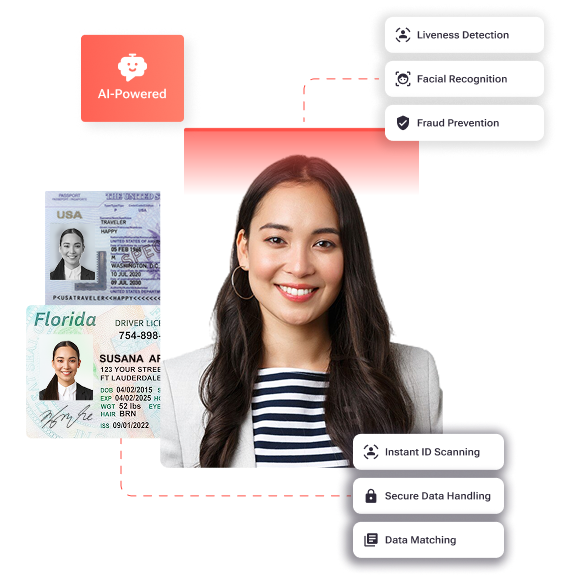
Automated document verification tools now handle fraud patterns that humans often miss. Document verification software analyzes metadata, font consistency, and document history to uncover sophisticated alterations.
AI-powered systems can flag unusual pay stub formats, detect zip code mismatches, and identify documents with suspicious editing patterns. These tools review document structure, security features, and formatting consistency across PDFs, images, and scanned files.
Adopt automated screening platforms that plug into your existing workflow and deliver real-time fraud alerts during application review. Choose solutions with configurable sensitivity levels so your community can balance risk tolerance with fast processing times.
3. Verify Income and Employment from Direct Sources
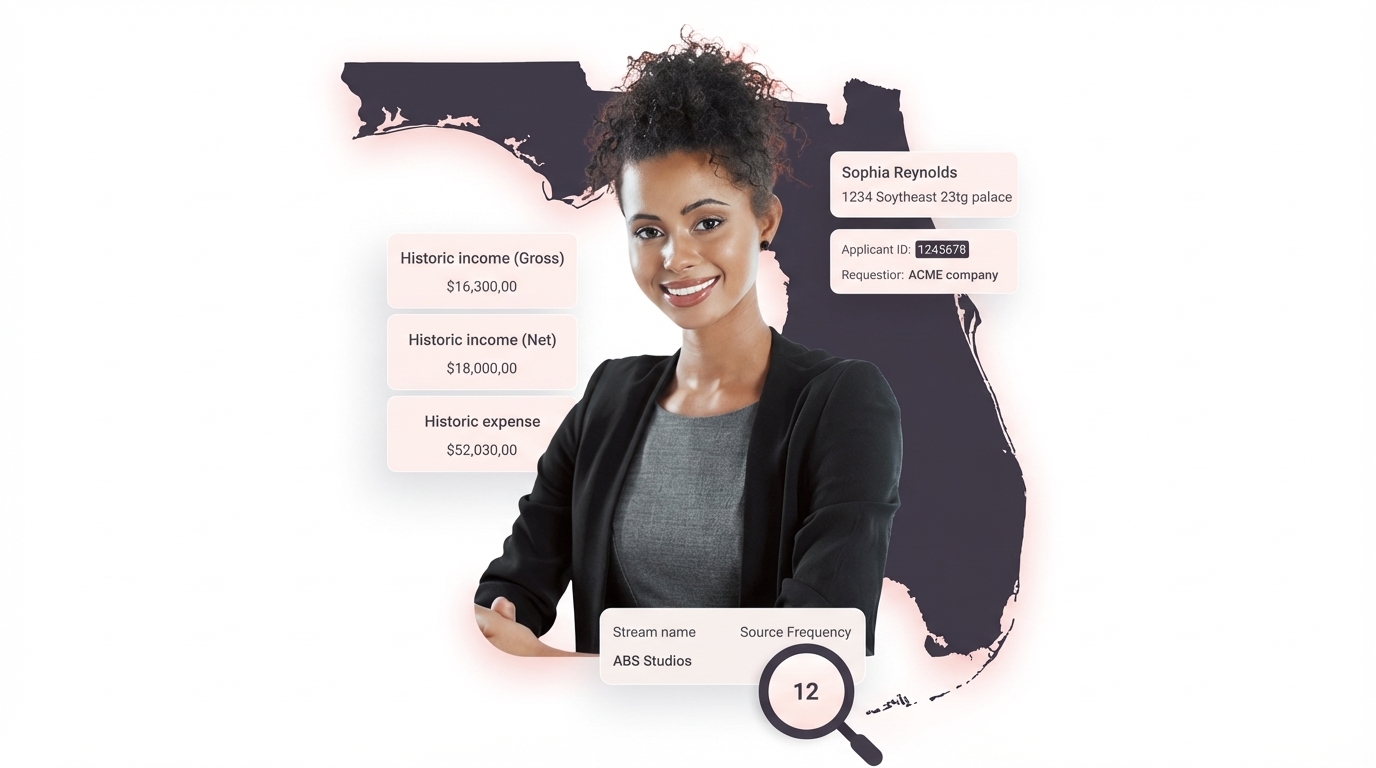
Move beyond self-reported documents by confirming income and employment with trusted third-party sources. Use services like The Work Number or direct payroll verification to validate claims independently of applicant-provided paperwork.
Conduct independent employment verification using researched phone numbers and targeted questions to HR departments instead of relying on contact details listed by the applicant. This practice exposes fake employers and fabricated work histories.
Adopt real-time bank verification systems that connect directly to financial institutions to confirm account balances and deposit patterns. These tools highlight gaps between reported income and actual banking activity, which helps you catch fraud before approving a lease.
4. Train Staff and Boards on Clear Fraud Detection Protocols
Human judgment still plays a critical role alongside automation. Train staff with quick-react questions designed to reveal inconsistencies and define clear escalation steps for suspicious files.
Build training programs that cover current fraud tactics, including synthetic identities and deepfake-style impersonation. Board members should understand their responsibilities in the review process and know when to request extra documentation or additional checks.
Standardize interview protocols for higher-risk applications. Include questions about employment history, residence history, and financial stability. Document every interaction and keep organized records to support compliance and future audits.
5. Create Cross-Verification Workflows and Strong Audit Trails
Cross-reference all documentation for consistency between pay stubs, employment verification, tax returns, and bank deposits to uncover discrepancies that may signal fraud. This multi-point approach sharply lowers the chance of a fraudulent application slipping through.
Build audit trails that record every step in the verification process, including automated checks, manual reviews, and reasons for final decisions. These records support FCRA compliance and protect your association during disputes or investigations.
Use version control systems that track document changes and preserve original submissions. This structure helps you spot attempts to swap or alter documents after initial review and provides evidence for legal action when needed.
6. Use Secure Document Collection and Auto-Redaction Tools
Protecting sensitive applicant data while fighting fraud requires secure, automated document handling. Modern platforms provide PCI Level 1 compliance, end-to-end encryption, and automatic redaction of personally identifiable information.
Adopt systems that automatically redact Social Security numbers, bank account details, and other sensitive fields while keeping the data required for verification. This approach reduces liability while preserving your ability to detect altered or fake documents.
Select platforms with secure storage and role-based access controls so only authorized team members can view sensitive files. Maintain detailed access logs and schedule regular security audits to reduce the risk of data breaches.
7. Add Biometric Identity Verification with Liveness Checks
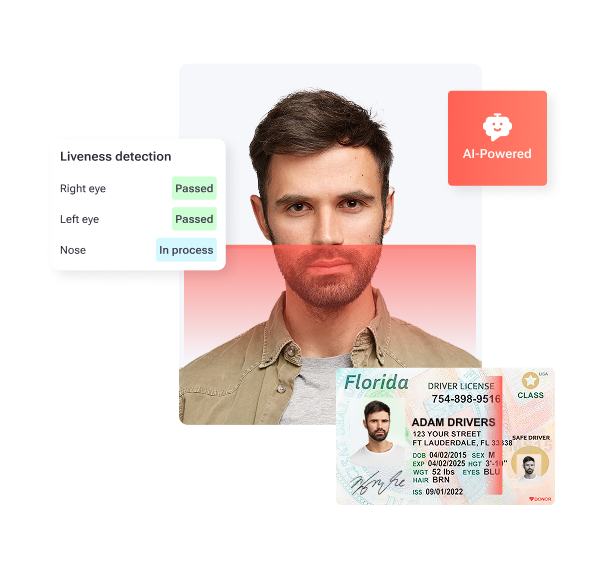
Combining document checks with biometric identity verification gives your community a powerful defense against impersonation. Trends for 2026 highlight liveness detection and anti-spoofing technology that block photos, videos, and masks from passing as real applicants.
TenantEvaluation’s IDVerify platform combines government ID validation, AI-driven liveness detection, and biometric facial matching inside the screening workflow. This native setup removes the need for third-party redirects and keeps applicants in a single, consistent experience.
Biometric verification requires the applicant’s physical presence, which blocks synthetic identities and impersonators. The system confirms that a real person is applying and that their face matches their government-issued ID, not a stolen or fabricated identity.
8. Centralize Fraud Prevention with an All-in-One Screening Platform
Unifying your fraud prevention tools in a single platform simplifies operations and strengthens security. Digital identity verification tools that combine document scanning, database cross-checking, and biometric verification deliver broad and consistent protection.
TenantEvaluation’s platform merges IDVerify biometric checks with the QuickApprove board dashboard, giving decision-makers real-time access to verified data. This integrated system processes more than 100,000 applications each year while keeping FCRA compliance at the core.

Select solutions with adjustable fraud settings so each community can tune security to its risk profile. Look for detailed reporting, complete audit trails, and revenue-sharing models that turn fraud prevention into a new income stream instead of a pure expense. Schedule a demo today to see how integrated screening can protect your community and support long-term financial health.
TenantEvaluation vs. Competitors for HOA and Condo Screening
Community associations benefit most from fraud prevention tools built specifically for HOA and condo workflows rather than generic rental screening platforms.
|
Feature |
TenantEvaluation |
ApplyCheck |
Verify Screening |
|
Biometric Verification |
Native IDVerify integration |
Third-party redirects |
Limited options |
|
Time Savings |
70% reduction |
Minimal automation |
Manual processes |
|
FCRA Compliance |
Direct credit reseller |
Third-party dependent |
Basic compliance |
|
HOA Dashboard |
QuickApprove board access |
Generic interfaces |
No board features |
TenantEvaluation’s focus on community associations, combined with native biometric tools and board-ready dashboards, delivers deeper fraud protection than generic screening platforms that lack HOA-specific features and compliance strength.
Conclusion: Turn Fraud Prevention into a Community Standard
Effective protection against document fraud in resident applications requires a layered strategy that adapts as fraud tactics change. The eight steps in this guide, from spotting red flags to using biometric verification, give Florida HOAs and condos a clear roadmap to defend their communities from rising application fraud.
About 23.8% of eviction filings now involve fraud or misrepresented application data, so delaying action often costs more than investing in strong prevention tools. Communities that adopt biometric checks and integrated screening stay ahead of fraud trends and reduce administrative strain.
TenantEvaluation supports more than 5,000 communities and holds a 4.8/5 Google rating, which reflects consistent results in fraud reduction and operational efficiency. The platform’s FCRA-first design, direct credit bureau relationships, and revenue-sharing model make it a strong choice for associations that take fraud prevention seriously. Schedule a demo today to put these eight steps into practice and protect your community’s financial future.
FAQ
What are the most common types of document fraud in HOA resident applications?
The most common fraud types include synthetic identity schemes using fabricated Social Security numbers and credit profiles, altered pay stubs with inflated income, fake employment letters from non-existent companies, and stolen identity documents used by impersonators. Synthetic fraud has become the fastest-growing category and often stays hidden until eviction, when no real, traceable person exists behind the lease.
How does biometric verification prevent identity fraud and impersonation?
Biometric verification combines government ID validation, AI-based liveness detection, and facial landmark mapping to confirm both identity and physical presence. The technology blocks photo spoofing, video replay attacks, and mask-based impersonation by requiring real-time interaction and a biometric match between the applicant’s live selfie and their government-issued ID.
What are effective FCRA-compliant fraud prevention tools for Florida community associations?
Strong FCRA-compliant tools include direct credit bureau reseller connections, automated adverse action workflows, clear consent tracking, and full audit trails. TenantEvaluation operates as a direct TransUnion and Equifax reseller and provides built-in compliance features, automated documentation, and HOA-focused workflows that maintain regulatory standards while reducing fraud.
What red flags should HOA boards watch for in resident applications?
Key warning signs include inconsistent fonts or formatting, perfectly round salary figures without cents, missing security features on official documents, and mismatched information across document types. Boards should also watch for overly perfect credit histories, very recent employment start dates, or contact details that reach disconnected numbers, then apply enhanced verification steps when these appear.
How can community associations balance fraud prevention with fast application processing?
Modern fraud prevention platforms rely on automated screening to flag risky applications while allowing clean files to move quickly. AI document checks, direct-source verification, and biometric identity confirmation can shorten processing time by removing manual steps for verified applicants. Associations achieve the best balance when they use integrated solutions that combine multiple verification methods into a single, streamlined workflow.
