
Key Takeaways
- Persona-based KYC tailors verification workflows to roles like CAMs, board members, owners, tenants, and vendors, addressing specific fraud risks in Florida community associations.
- Biometric tools like IDVerify+ deliver liveness detection, facial matching, and government ID validation to block synthetic identity fraud without external redirects.
- Implementation follows 7 steps, from defining personas to ongoing monitoring, cutting approval times by up to 70% while maintaining FCRA compliance.
- Core benefits include automated compliance checklists, PCI Level 1 security, detailed audit trails, and new revenue from streamlined application processing.
- TenantEvaluation delivers proven ROI with 100k+ annual applications, direct TransUnion and Equifax partnerships, and HOA-specific integrations, so schedule a demo today for fraud-proof verification.
How Persona-Based KYC Works for Community Associations
Persona-based KYC segments verification requirements by role instead of applying a uniform process to every community stakeholder. CAMs need strong internal access controls, while tenants require biometric verification and full background screening. Persona-based systems adjust verification depth to match risk profiles and regulatory requirements that apply specifically to community associations, not banks.
|
Persona |
KYC Level |
Key Verification Methods |
Primary Tools |
|
CAMs |
Internal Access |
Role-based permissions |
Platform controls |
|
Board Members |
Quick Approval |
Dashboard oversight |
|
|
Property Owners |
Standard |
Income and ownership documents |
Document verification |
|
Tenants |
Full Biometric |
ID, background, and biometrics |
Current search results rarely show HOA-specific persona frameworks, which leaves gaps in community association risk management that specialized platforms like TenantEvaluation fill with tailored verification workflows.
Why Florida Community Associations Need Persona-Based KYC in 2026
Florida community associations now face a higher fraud risk as synthetic identity schemes target high-value residential properties. Financial institutions must implement BSA and AML programs with customer due diligence, transaction monitoring, and suspicious activity reporting, and similar expectations reach community associations that handle resident screening and vendor verification.
Manual processes create vulnerabilities such as incomplete document submission, delayed approvals that reduce revenue, and compliance gaps from weak audit trails. Persona-based KYC replaces these weak points with automated workflows that cut approval times by up to 70% and strengthen fraud prevention.
Key benefits include:
- Biometric fraud reduction through liveness detection and facial matching
- Automated document verification with PCI Level 1 compliance
- New revenue from faster, streamlined application processing
- FCRA-compliant audit trails that support regulatory protection
IDVerify brings government ID validation, AI-powered liveness detection, and biometric facial matching directly into screening workflows without external redirects, which protects the applicant experience while increasing security.
7 Practical Steps to Launch Persona-Based KYC
1. Define Community Personas
Map stakeholder roles according to community bylaws and Florida regulations. Identify verification requirements for CAMs, board members, owners, tenants, and vendors based on access levels and risk exposure.
2. Customize Verification Rules
Configure Florida-specific compliance requirements such as permissible purpose validation, adverse action workflows, and document retention policies. Set clear risk thresholds for each persona category.
3. Deploy Online Application Logic
Use intelligent forms that adjust verification requirements based on applicant responses. Route each persona through the correct screening workflow automatically.
4. Integrate Biometric Verification
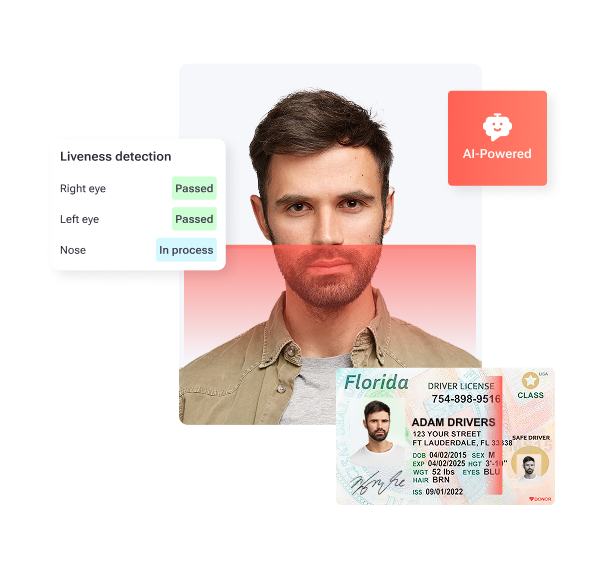
Add IDVerify for high-risk personas that require identity confirmation. Configure liveness detection, government ID validation, and facial biometric matching inside existing workflows.
5. Automate Background Screening
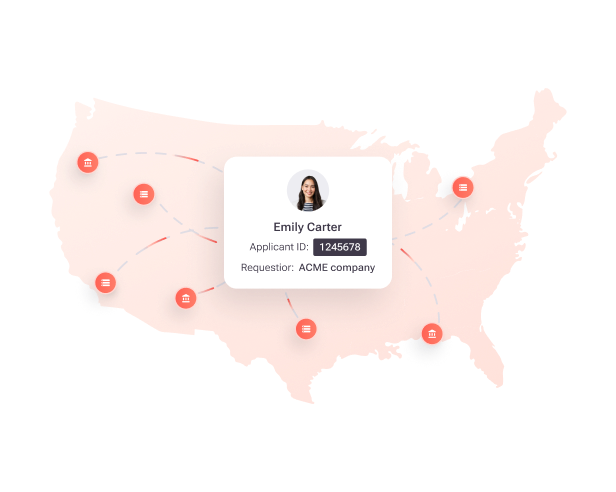
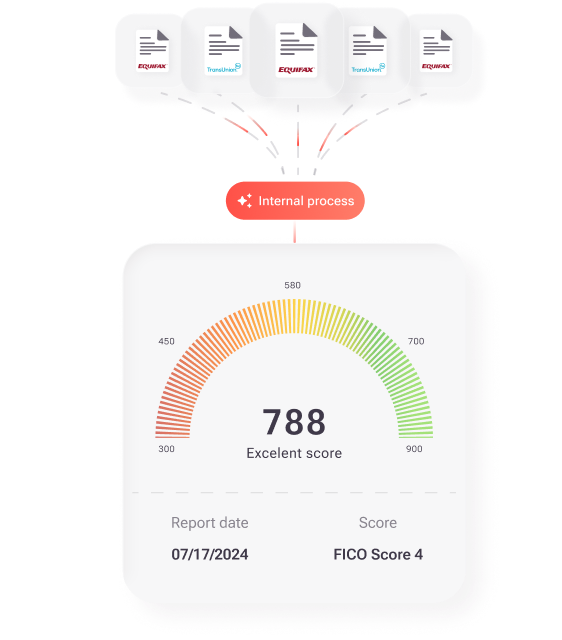
Connect screening services such as SafeCheck+ for criminal background checks and IncomeEv for employment validation. Maintain direct credit bureau relationships to support FCRA compliance.
6. Enable Board Review Workflows
Give board members QuickApprove dashboard access for real-time application review, voting, and audit trail documentation.

7. Establish Ongoing Monitoring
Set refresh cycles for re-verification based on persona risk levels. Track community analytics for fraud trends and compliance reporting needs.
TenantEvaluation models this workflow through direct TransUnion and Equifax reseller relationships, which ensures legitimate data access under strict bureau compliance rules with regular audits.
Using IDVerify+ for HOA-Ready Biometric Verification
IDVerify delivers multi-layer fraud prevention designed for community association risk environments. The system combines government-issued ID validation, AI-powered liveness detection, and facial landmark biometric comparison to confirm applicant identity before any approval decision.
IDVerify operates natively within TenantEvaluation’s platform instead of redirecting applicants to external portals. This native experience preserves workflow continuity, builds applicant trust, and keeps Community Association Manager tasks simple while still providing comprehensive fraud prevention.
|
Feature |
TenantEvaluation IDVerify |
Generic Competitors |
Background-Only Tools |
|
Processing Time |
5-10 minutes |
Days to weeks |
Days for manual review |
|
HOA Integration |
Native platform, board dashboard |
External redirects |
No HOA-specific features |
|
Biometric Verification |
Liveness and facial matching |
Document upload only |
Background checks only |
|
Revenue Model |
Application fee sharing |
Monthly subscriptions |
Per-report pricing |
Competitors like Snappt do not provide HOA-specific integration or board oversight capabilities, while ApplyCheck and Verify Screening focus only on background verification without biometric identity confirmation or community association workflows.
Florida HOA Compliance Checklist and Practical Tips
Florida community associations must follow strict compliance protocols for resident screening and vendor verification. Essential requirements include:
- Permissible Purpose Validation: Confirm that all screening activities meet FCRA requirements for legitimate business purposes.
- Adverse Action Procedures: Use automated workflows for applicant notification and dispute resolution.
- PII Protection: Maintain PCI Level 1 compliance with automatic redaction of sensitive information.
- Biometric Data Security: Store biometric templates with bank-level encryption that supports audit defensibility.
- Audit Trail Documentation: Preserve timestamped records of every verification activity and board decision.
TenantEvaluation stands out through association-specific design, partnerships with leading management companies like RealManage and Associa, and measurable cost savings. One Florida-based management company saved $240,000 per year by removing 50 hours of daily manual processing while also strengthening compliance protocols.
Schedule a demo for persona-based KYC implementation today to review compliance-ready workflows tailored to your community association.
Tracking ROI and Strengthening Ongoing Monitoring
TenantEvaluation processes more than 100,000 applications each year without requiring clients to add headcount, which shows clear scalability and efficiency gains. Community associations see measurable returns from faster processing, fewer manual errors, and new revenue from streamlined workflows.
Key performance indicators include application processing speed, typically 5 to 10 minutes instead of days, compliance audit readiness, and fraud prevention effectiveness through biometric verification. QuickApprove gives board members real-time analytics for trend monitoring and strategic decisions.
Ongoing monitoring features include community demographics analysis, resident profile trends, and fraud pattern detection that inform policy decisions and risk management strategies.
Frequently Asked Questions
What is persona KYC for community associations?
Persona KYC segments verification requirements by stakeholder role within community associations. CAMs receive internal access controls, board members gain dashboard oversight through QuickApprove, property owners complete standard document verification, tenants complete comprehensive biometric screening with IDVerify, and vendors provide business credentials. This structure aligns verification depth with risk profiles and regulatory requirements for each community role.
What KYC documents are required for HOA tenants?
HOA tenants usually provide government-issued identification, income verification documents, rental history, and personal references. With IDVerify, tenants also complete biometric verification that includes liveness detection and facial matching to their government ID. Some communities also require lease agreements, employment verification, and background check authorization based on bylaws and risk assessment protocols.
What is the best biometric KYC solution for property management?
TenantEvaluation’s IDVerify delivers a comprehensive biometric KYC solution built for community associations. It combines government ID validation, AI-powered liveness detection, and facial biometric matching within a native platform integration. Unlike generic tools, IDVerify avoids external redirects, maintains FCRA compliance through direct credit bureau relationships, and supports board oversight through QuickApprove dashboards.
What are the KYC requirements for HOA property owners?
HOA property owners usually complete verification focused on income and identity confirmation as part of the screening process. Requirements often include proof of income or assets, government-issued ID, and HOA-specific documentation. Communities may also apply biometric verification through IDVerify based on risk policies and board preferences for stronger security.
How does ongoing KYC monitoring work for HOAs?
Ongoing KYC monitoring uses periodic re-verification based on risk assessment and community policies. High-risk personas may require annual updates, while standard residents complete verification every two to three years. Monitoring includes database checks for criminal activity, financial status changes, and compliance with community rules. Analytics dashboards track trends, flag suspicious activities, and provide audit-ready documentation for regulatory compliance.
Persona-based KYC marks a shift from generic verification to community-specific fraud prevention. TenantEvaluation’s platform addresses the unique challenges facing Florida HOAs and condominiums with specialized workflows, biometric verification, and FCRA-compliant processes.
Schedule a demo today to roll out fraud-proof persona-based KYC for your community association.