Written by: Luis Teran, Co-founder, CEO, TenantEvaluation
Key Takeaways for Florida CAMs Using PayHOA
- PayHOA automates dues collection, violation tracking, ARC requests, and mass communications for Florida CAMs, which reduces routine admin work.
- Identity verification, structured board voting, and lease lifecycle tracking still sit outside PayHOA and remain manual.
- Manual gaps create compliance risk and administrative burden, especially for portfolios of 500+ units where spreadsheets and email chains persist.
- TenantEvaluation’s QuickApprove, IDVerify, and Lease Tracking close these gaps while PayHOA continues to handle financials and violations.
- See how TenantEvaluation closes the gaps PayHOA leaves open with a personalized demo of QuickApprove, IDVerify, and Lease Tracking.
PayHOA Dues Collection Workflow: 6-Step Setup
- Configure assessment schedules and fee structures inside PayHOA’s accounting module.
- Enable the self-service resident payment portal so owners can pay online via ACH or card.
- Set automated payment reminders at defined intervals before and after due dates.
- Activate late-fee rules to post charges automatically when payments are overdue.
- Connect bank accounts for direct deposit and automated reconciliation.
- Generate real-time financial reports and export to your accounting ledger.
Limitations: PayHOA’s dues workflow does not verify the identity of the payer against a government-issued ID or biometric record. Board approval of special assessments still routes through email. Lease status, whether a unit is owner-occupied or tenant-occupied, is not connected to the payment record. This creates occupancy blind spots that manual reconciliation processes cannot reliably close.
PayHOA Violation Management Workflow: 6-Step Setup
- Define violation categories aligned to your CC&Rs inside PayHOA’s violation module.
- Configure a three-tier escalation schedule: courtesy notice, formal warning, and fine or hearing notice.
- Enable digital intake so inspectors and residents can submit reports with photos through the mobile app.
- Use template-based notice generation with merge fields for owner name, address, violation type, and cure deadline.
- Schedule automated re-inspections before each cure deadline and trigger escalation when deadlines pass.
- Connect violation fines to the accounting module so charges post automatically.
Limitations: Template-based notices reduce drafting time per case, and communities that automate fine posting often see better collection rates than with manual processes. However, PayHOA does not confirm whether the occupant receiving a violation notice is the verified resident on record. Identity verification, board voting on contested fines, and lease-linked occupancy data sit outside the PayHOA violation workflow.
PayHOA ARC Requests Workflow: 6-Step Setup
- Publish an ARC submission guide that specifies required documents, photo standards, material specs, and the decision timeline.
- Configure a digital ARC intake form inside PayHOA that captures project type, location, photos, contractor details, and the applicable CC&R section.
- Log each submission with a received date and assign a reviewer.
- Route the application to the ARC committee for drive-by or photo review with in-platform comments.
- Conduct a vote per governing documents and issue a written decision: approved, approved with conditions, or denied with a cited reason.
- Archive the decision letter, photos, and inspection notes after work completion.
Limitations: Most governing documents require ARC decisions within 30–45 days of a complete application. PayHOA supports the intake and archiving steps, but board member voting on ARC decisions does not include a structured, auditable voting panel. Identity of the applicant submitting the ARC request is not biometrically confirmed. Lease status of the unit, which matters when a tenant rather than an owner initiates an ARC request, is not surfaced within the workflow. These workflow-specific limits connect directly to PayHOA’s broader usability story for larger portfolios.
PayHOA Usability for 500+ Unit Portfolios
PayHOA is widely regarded as accessible for smaller associations and self-managed communities. For portfolios of 500 or more units, the platform’s financial and violation modules handle high transaction volumes without significant friction. The mobile app supports field inspections and resident communications at scale.
The main usability challenge at 500+ units comes from the manual handoffs that persist after PayHOA’s automation ends. Board members still receive application documents by email. Lease expiration tracking still lives in spreadsheets. Identity verification still depends on a CAM visually reviewing an uploaded ID. HOA management automation should centralize inspections, notices, appeals, and follow-ups in one system so information flows seamlessly between field activity and office workflows. PayHOA achieves that for violations and financials, but not for screening, board voting, or lease lifecycle management.
PayHOA Pricing for CAMs
PayHOA charges a flat $49 per month starting rate for up to 25 units, with all features including violation tracking and no separate feature pricing. Pricing then scales to $0.55 per unit per month only for 500+ units. For a 500-unit portfolio, monthly platform costs stay modest compared to many enterprise alternatives.
Total cost of ownership rises once manual gaps enter the picture. HOA violation cases require substantial administrative labor, and larger communities with frequent violations face notable processing costs. Staff hours spent on manual lease tracking, identity review, and board email chains add further overhead that PayHOA’s subscription fee does not reflect.
PayHOA vs TenantEvaluation for Florida CAM Workflows
The table below compares PayHOA and TenantEvaluation on workflow categories that matter most for Florida CAMs managing 500+ units. PayHOA and TenantEvaluation are not direct competitors because they address different workflow layers. The comparison clarifies where each platform’s strengths begin and end.
| Workflow Category | PayHOA | TenantEvaluation |
|---|---|---|
| Dues collection and accounting | Automated assessment scheduling, payment portal, late-fee posting, reconciliation | Not a financial management platform, integrates alongside PayHOA |
| Violation tracking | Automated notices, photo intake, escalation tiers, fine posting | Not a violation management platform |
| Resident identity verification | Document upload only, no biometric confirmation | IDVerify+: government ID validation, AI liveness detection, biometric selfie-to-ID matching |
| Board approval workflow | Email-based, no structured voting panel | QuickApprove board-ready dashboard with real-time voting, summarized applicant reports, and audit trail |
| Lease lifecycle tracking | No centralized lease records or status visibility | Centralized, real-time lease status (active, pending, expired, or missing), unit-level tracking, audit-ready records |
| FCRA-compliant screening | Not a screening platform | Direct TransUnion and Equifax reseller, built-in adverse action workflows, FCRA-first design |
PayHOA Lease Tracking Limitations
PayHOA does not include a native lease tracking module. For CAMs managing 500+ units, lease agreements often sit across email inboxes, shared drives, and spreadsheets with no centralized status visibility. Confirming whether a lease is active, pending, expired, or missing requires manual searches. Lease expiration dates live in separate tools with no connection to the resident’s application or approval record.
This fragmentation creates compliance risk for communities of all sizes. Florida statutes require condominium and HOA associations to retain their official records for at least seven years (with some categories subject to shorter or longer periods), but do not mandate seven-year retention of all written records related to association operations, including lease documentation. As noted earlier, the 500+ unit threshold is where spreadsheet-based systems consistently break down. A spreadsheet-based system cannot reliably produce an audit-ready lease history when a dispute or regulatory review arises.
Three PayHOA Workflow Gaps TenantEvaluation Closes
Three workflow gaps remain consistently unaddressed by PayHOA CAM workflow automation: identity verification before approval, structured board voting, and lease lifecycle tracking. TenantEvaluation’s platform closes each gap inside one connected system while PayHOA continues to handle financials and violations.
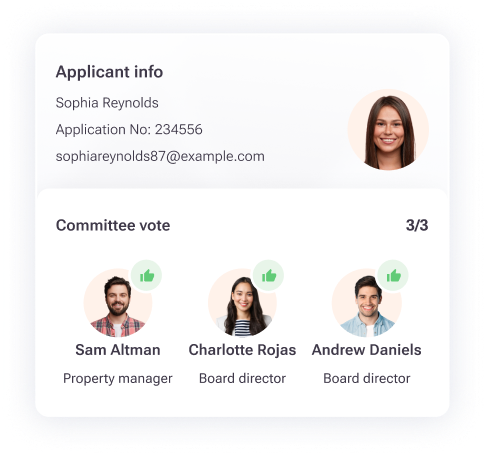
QuickApprove accelerates resident approvals inside one connected platform. It replaces email chains and spreadsheets with real-time application tracking, automated communication support, customized approval letters, a personalized welcome package, and a board-ready voting dashboard. CAMs, boards, and property management teams move applications from submission to decision faster while maintaining control, compliance, and visibility. The workflow supports high-volume seasons and communities with complex onboarding requirements.

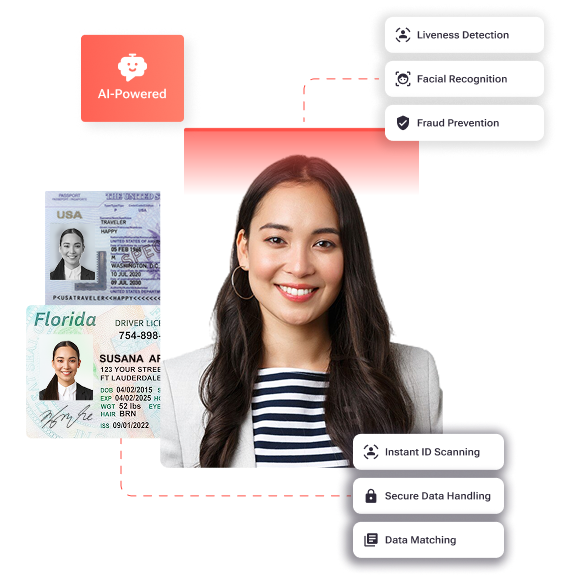
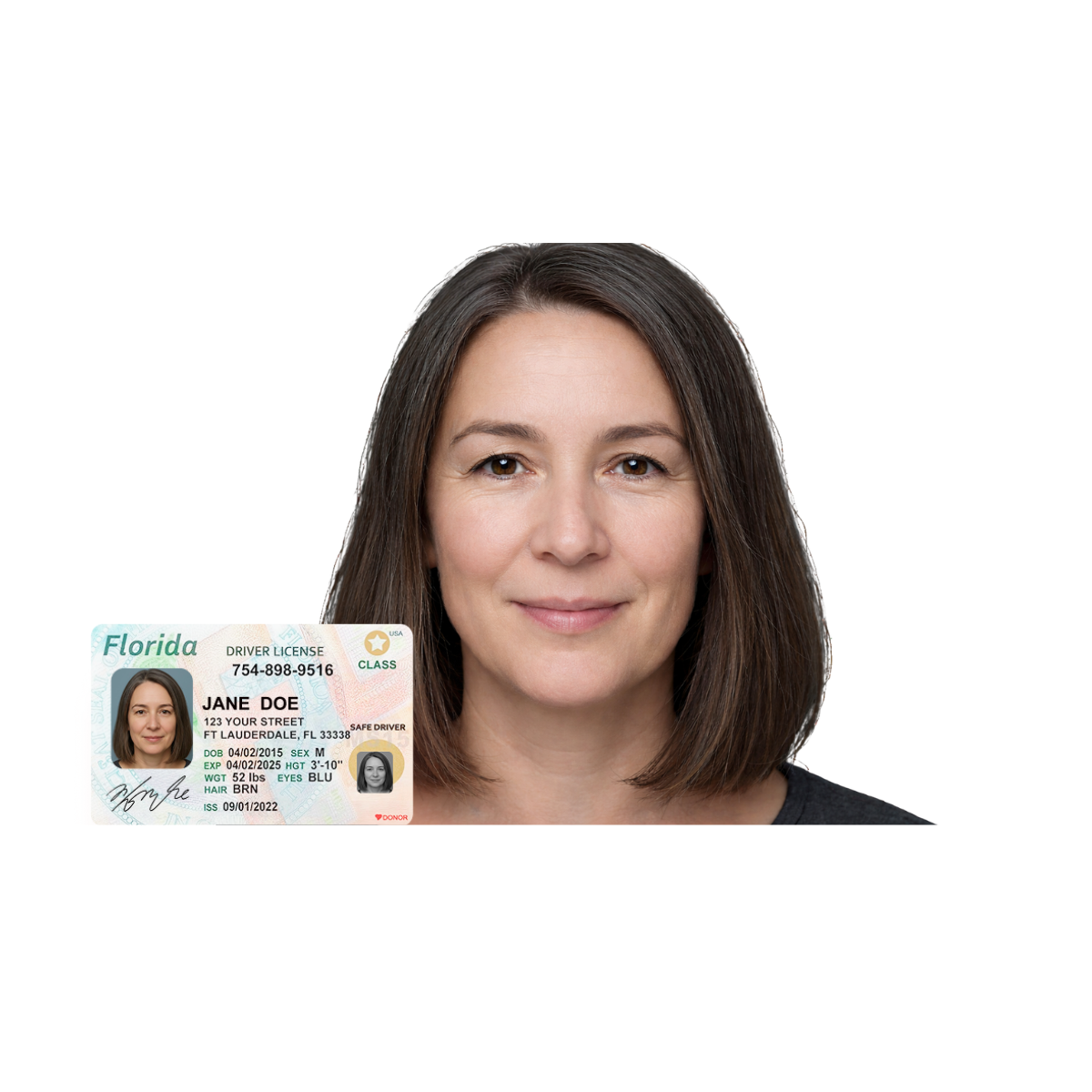
IDVerify adds biometric identity verification directly inside the TenantEvaluation screening workflow. It combines government-issued ID validation, AI-powered liveness detection, and biometric selfie-to-ID facial matching. Communities move from document-based review to verified physical identity confirmation before any approval decision. This shift makes structured, auditable identity verification a growing operational priority for Florida associations.
Lease Tracking delivers centralized, real-time lease visibility and lifecycle control from application to occupancy. It connects resident onboarding, unit data, approvals, and lease documentation into one streamlined, audit-ready workflow that replaces spreadsheets and scattered email chains. Real-time lease status, automated lease document collection during onboarding, unit-level tracking, and searchable digital history give CAMs and boards the operational picture that PayHOA’s financial modules cannot provide.
For Florida CAMs managing 500+ units, 55+ Communities Verification adds another layer. It standardizes how age-restricted application requirements are handled across communities, which reduces manual work and improves documentation consistency for Florida condos and HOAs.
Frequently Asked Questions
What does PayHOA CAM workflow automation cover?
PayHOA CAM workflow automation refers to the automated processes PayHOA provides for community association financial management, violation tracking, ARC request handling, maintenance ticketing, and mass communications. The platform aims to reduce manual data entry and administrative overhead for community association managers. PayHOA automates dues collection, late-fee posting, notice generation, escalation scheduling, and resident communications. It does not include biometric identity verification, structured board voting panels, or centralized lease lifecycle tracking, so those functions remain manual for CAMs using PayHOA without a complementary platform.
What are the biggest gaps in PayHOA for Florida CAMs managing 500+ units?
The three most operationally significant gaps are identity verification, board voting structure, and lease tracking. PayHOA does not confirm applicant identity through biometric or government ID validation, and it accepts document uploads without automated authenticity checks. Board approval of applications and ARC decisions routes through email rather than a structured, auditable voting panel. Lease management sits entirely outside PayHOA’s scope, which leaves CAMs tracking lease status, expirations, and occupancy records in spreadsheets disconnected from the resident’s application history. As discussed in the pricing section, these gaps drive hidden costs and create significant administrative burden and compliance exposure for portfolios of 500 or more units.
How does TenantEvaluation work alongside PayHOA rather than replacing it?
TenantEvaluation and PayHOA address different workflow layers. PayHOA manages the financial, violation, and communication infrastructure of a community association. TenantEvaluation manages the resident onboarding, screening, identity verification, board approval, and lease lifecycle layer. A CAM can continue using PayHOA for dues collection, violation notices, and ARC intake while using TenantEvaluation’s QuickApprove, IDVerify+, and Lease Tracking to handle the application-to-occupancy workflow that PayHOA does not cover. The two platforms complement each other rather than compete.
Is biometric identity verification required for Florida community associations?
Florida law does not currently mandate biometric identity verification for all community association applications. However, Florida’s Information Protection Act was amended in 2023 to include biometric data within the definition of protected personal information, and Florida statutes governing electronic voting require identity authentication for board elections. Beyond legal requirements, the operational case for biometric verification is strong. Traditional document-based screening cannot reliably detect synthetic identities, impersonation attempts, or stolen IDs. TenantEvaluation’s IDVerify+ addresses this risk by combining government ID validation, AI liveness detection, and biometric facial matching natively inside the screening workflow before any approval decision.
What does centralized lease tracking mean for a 500-unit community association?
Centralized lease tracking means every lease agreement, status update, and occupancy record for all 500 units is stored, searchable, and visible in real time inside one platform. That platform connects directly to the resident’s application and approval history. For a 500-unit community, centralized tracking replaces multiple spreadsheets, shared drives, and email inboxes with a single operational view showing which leases are active, pending, expired, or missing at any moment. It enables faster occupancy confirmation, automated lease document collection during onboarding, unit-level tracking, and audit-ready digital records that support the seven-year retention requirements under Florida association statutes.
Conclusion: Using TenantEvaluation to Extend PayHOA
PayHOA delivers genuine automation value for Florida community associations. Dues collection, violation enforcement, ARC intake, and mass communications all benefit from its workflow tools. For CAMs managing 500+ units, however, the platform’s automation stops before three critical workflows: confirming who applicants actually are, giving boards a structured and auditable way to vote, and tracking every lease from application to occupancy in one connected system.
TenantEvaluation’s QuickApprove accelerates resident approvals inside one connected platform while preserving control, compliance, and visibility. IDVerify adds biometric identity confirmation before any approval decision. Lease Tracking delivers centralized, real-time lease visibility and lifecycle control from application to occupancy. Together, these tools close the gaps that PayHOA CAM workflow automation leaves open, while PayHOA continues to provide the financial and violation infrastructure your communities rely on.
