
Key Takeaways
- Ongoing KYC monitoring keeps verifying tenant identities, financial status, and behaviors to catch fraud, subletting, and sanctions risks after move-in.
- Florida property managers face added pressure from FCRA and HOA rules, major data breaches, and rising insurance fraud, so automated monitoring reduces compliance risk and liability.
- Use a 7-step process: define risk tiers, set automated triggers, add biometric re-verification, run sanctions and AML checks, enable board dashboards, maintain FCRA audit trails, and generate reports and revenue.
- Tools like TenantEvaluation’s IDVerify deliver biometric ID validation, liveness detection, and smooth integration, saving time and supporting Florida-specific compliance for more than 5,000 communities.
- Protect your properties from fraud and simplify screening by getting started with TenantEvaluation today.
How Ongoing Tenant KYC Monitoring Works
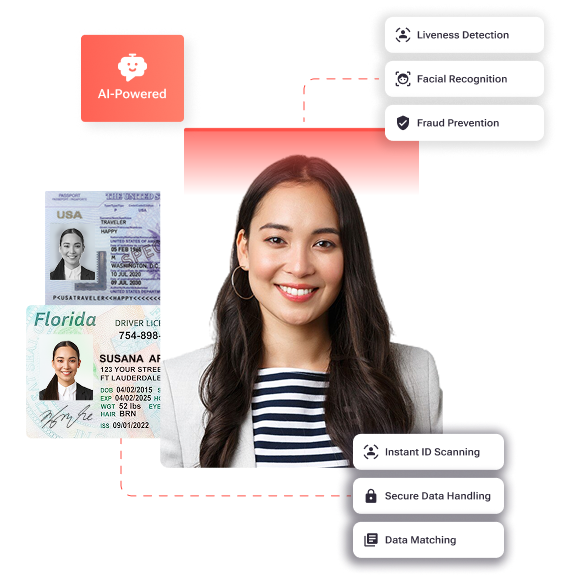
Ongoing KYC monitoring uses continuous checks to verify tenant identities, financial status, and risk profiles at set times or events. Tenant KYC focuses on lease renewals, address changes, eviction filings, and sanctions list updates instead of banking transactions. High-risk tenants receive quarterly reviews, while low-risk residents receive annual verification. The system tracks behavioral flags such as late payments, unauthorized subletting, and criminal record updates. TenantEvaluation’s IDVerify adds biometric identity verification with AI-powered liveness detection and facial matching inside the screening workflow.
Why Florida Property Managers Rely on Ongoing Tenant KYC
Florida community associations must meet FCRA monitoring obligations and HOA due diligence requirements for resident oversight. The 2026 National Public Data breach affected nearly 3 billion people with Social Security numbers and addresses exposed, which increased synthetic identity risks for tenant screening. Manual processes leave CAMs exposed to compliance violations and data breaches, while fraudulent renters’ insurance claims climbed 11%. Automated ongoing KYC creates new revenue through monitoring fees and lowers liability exposure. TenantEvaluation delivers PCI Level 1 compliance and automated audit trails that help protect associations from regulatory penalties.
7 Steps to Set Up Ongoing KYC Monitoring for Tenants
1. Assess Tenant Risk Tiers for Your Community
Start by grouping residents into risk tiers based on income levels, credit scores, and lease terms. High-risk tenants include applicants with credit scores below 650, income-to-rent ratios above 40 percent, or previous evictions. Medium-risk residents usually have stable employment but limited credit history. Low-risk tenants show consistent payment history and strong financial profiles. Florida CAMs should also factor in seasonal rental patterns and tourism-driven subletting risks when defining tiers.
2. Set Automated Triggers for Reviews
Next, configure monitoring triggers for lease renewals, address changes, employment status updates, and new criminal records. High-risk tenants receive quarterly triggers, while low-risk residents receive annual reviews. Emergency triggers cover sanctions list additions, eviction filings, and bankruptcy notifications.
3. Integrate Biometric ID Re-verification
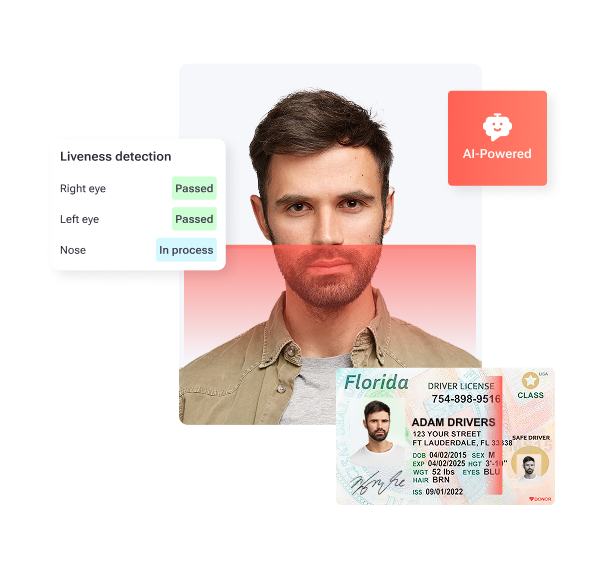
Use IDVerify for periodic identity checks with government ID validation, AI-powered liveness detection, and facial biometric matching. This approach reduces identity theft and unauthorized occupancy without sending residents to third-party sites. The system confirms physical presence and compares current appearance to original application photos. These controls address synthetic identity fraud risks that account for $30 billion in losses.
4. Run Sanctions, AML, and Behavioral Checks
Set up automated sanctions screening against OFAC lists, PEP databases, and adverse media sources. Complete KYC includes AML screening and PEP screening as standard elements. Monitor eviction databases, payment histories, and patterns of lease violations. Florida communities should also review homestead exemption fraud and irregular insurance claims.
5. Give Board Members Dashboard Access
Provide QuickApprove dashboards so the Board of Directors can review monitoring results and approve risk escalations. Real-time notifications alert board members when high-risk findings need immediate attention. Automated summaries give context for decisions and preserve audit trails for compliance records.
6. Maintain FCRA-Compliant Audit Trails
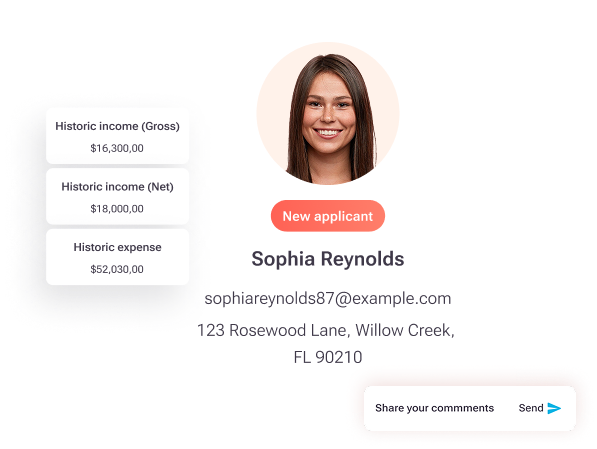
Record all monitoring activities with timestamps, adverse action notices, and consent confirmations. FCRA rules require written authorization for ongoing checks and proper notification when adverse findings appear. TenantEvaluation supports FCRA-compliant background checks and audit trails through solutions such as SafeCheck+.
7. Turn Monitoring Data into Reports and Revenue
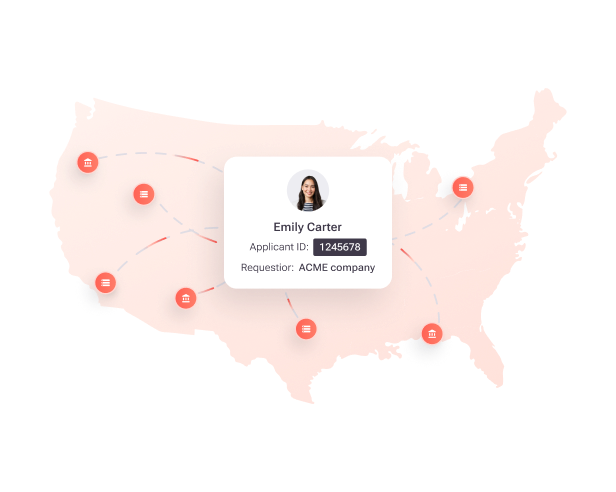
Create quarterly compliance reports, risk trend analyses, and community demographic insights from monitoring data. Add monitoring fees as an extra revenue stream for associations. TenantEvaluation’s revenue-sharing model keeps onboarding cost-neutral while generating income from application fees. These reports guide decisions on amenities, policies, and risk management strategies.
Why TenantEvaluation Leads in Automated Ongoing KYC
TenantEvaluation’s IDVerify delivers biometric verification with government ID validation, liveness detection, and facial matching built directly into the platform. Competing tools often require third-party redirects, while TenantEvaluation keeps a single workflow and supports Florida-specific compliance features. The platform serves more than 5,000 communities, holds a 4.8 out of 5 Google rating, and partners with RealManage and FirstService Residential. One Florida management company saved $240,000 per year by removing 50 hours of daily manual processing through TenantEvaluation automation. Schedule a demo today to simplify resident screening and onboarding.
Conclusion: Make Ongoing Tenant KYC Your Standard
The seven-step ongoing KYC monitoring framework helps Florida CAMs reduce fraud, avoid compliance violations, and cut administrative overload. TenantEvaluation’s integrated platform automates resident screening, onboarding, biometric verification, and FCRA-compliant documentation while creating new revenue for associations. As identity fraud grows and regulations tighten, automated monitoring becomes a practical requirement for scalable community management. Schedule a demo today to upgrade your tenant processes.
FAQs
What is ongoing monitoring in KYC?
Ongoing monitoring in KYC means continuous verification of customer identities, risk profiles, and compliance status through automated checks at defined times or events. For tenants, this process covers periodic identity verification, sanctions screening, behavioral monitoring, and financial status updates. These checks help uncover fraud, subletting violations, and regulatory compliance issues throughout the lease term.
Do you need to do AML checks on tenants?
Yes, AML checks on tenants help uncover sanctions violations, politically exposed persons, and adverse media connections that increase regulatory risk for property managers. Tenants are not traditional financial customers, but community associations handle large transactions and maintain sensitive resident databases. AML screening helps prevent money laundering, fraud, and reputational damage.
What should be included in a KYC checklist for tenants?
A complete tenant KYC checklist covers identity verification with government-issued ID validation and biometric confirmation. It also includes sanctions and PEP screening against regulatory databases, income verification and employment confirmation, eviction history and rental reference checks, and behavioral monitoring for lease violations or payment issues. Additional elements include adverse media screening and periodic re-verification based on risk tiers.
How often should ongoing KYC monitoring occur for tenants?
Ongoing KYC monitoring frequency follows the risk tiers set during initial screening. High-risk tenants with poor credit history, past evictions, or unstable income need quarterly monitoring. Medium-risk residents with stable employment but limited credit history benefit from semi-annual reviews. Low-risk tenants with strong financial profiles and solid payment history receive annual verification, with emergency checks for major life events or regulatory changes.
What are AML checks on tenants?
AML checks on tenants involve screening residents against sanctions lists, politically exposed persons databases, and adverse media sources to detect money laundering, terrorism financing, or criminal ties. These checks help property managers meet regulatory expectations, protect community reputation, and identify residents who may create financial or legal risk for the association through their activities or connections.