Written by: Luis Teran, Co-founder, CEO, TenantEvaluation | Last updated: July 31, 2026
Why This KYC Approach Matters for Florida Communities
- Identity fraud keeps rising, and manual document-only screening leaves Florida CAMs and boards exposed to liability and lost revenue.
- NorthRow-style KYC combines government-ID validation, biometric liveness, real-time watchlist screening, configurable risk rules, and immutable audit trails in one automated workflow.
- TenantEvaluation delivers all four KYC pillars natively through IDVerify, SafeCheck+, and QuickApprove without redirecting applicants or requiring separate logins.
- FCRA compliance stays central: permissible-purpose gates, consent capture, and automated adverse-action notices are enforced at every stage.
- Communities using TenantEvaluation report up to 70% faster approvals and 50 hours of staff time saved daily; schedule a demo to see NorthRow-style KYC running natively.
The Problem: Manual Screening Risk for Florida HOAs and Condos
Seventy percent of property management professionals reported an increase in fraud attempts in the past year, and traditional document uploads cannot close that gap. A CAM who manually reviews a scanned driver's license has no way to confirm the person holding it is the person in the photo, or that the document has not been altered. The operational cost compounds quickly. Manual follow-ups, incomplete submissions, and board email chains translate directly into delayed approvals and lost revenue for associations.
Companies using advanced identity verification technology, including biometrics, reduce fraud by 85%, while KYC automation reduces onboarding time from several days to minutes and cuts operational costs by 40–70%. For Florida communities processing hundreds of applications annually, those numbers represent meaningful liability reduction and many hours returned to staff.
The liability exposure is real and documented. Trans Union LLC agreed to a $15 million settlement after charges that it failed to ensure the accuracy of tenant screening reports, and RentGrow paid $2.25 million to settle FTC allegations of FCRA violations tied to report accuracy. Communities that rely on manual, document-only screening inherit that risk without the infrastructure to defend against it. To see how modern platforms close these gaps, the next step is to define what comprehensive KYC onboarding looks like in practice.
What Comprehensive KYC Onboarding Means for Resident Screening
Know Your Customer (KYC) onboarding, in the HOA and condominium context, is the structured process of confirming that an applicant is who they claim to be before a screening report is pulled or an approval decision is made. A functional KYC system captures identity data, verifies government-issued documents via OCR and authenticity checks, performs biometric liveness detection and face matching, screens against sanctions and watchlists, applies risk scoring, and initiates ongoing monitoring, all before a final decision is recorded.
In a resident screening context, FCRA compliance remains the foundation. The CFPB requires furnishers to establish and implement reasonable written policies and procedures regarding the accuracy and integrity of information furnished to consumer reporting agencies. Any KYC layer added to a screening workflow must preserve permissible-purpose controls, consent capture, and adverse-action notice infrastructure, not bypass them.
Pillar 1: IDVerify for Government IDs and Biometric Liveness
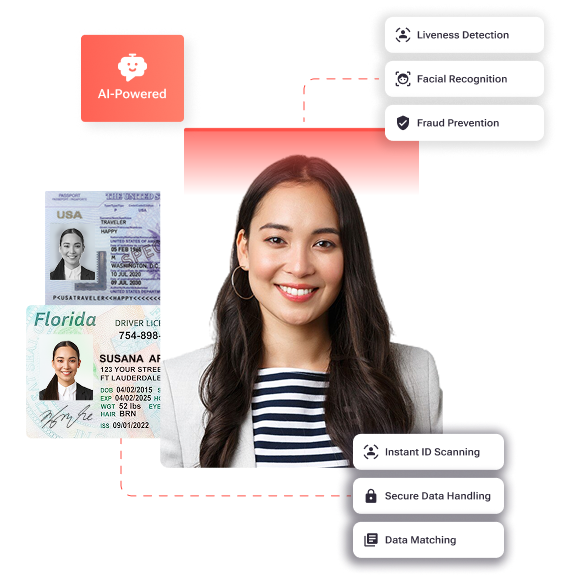
A strong automated KYC flow includes document type detection, MRZ, barcode or RFID checks, alteration detection, biometric face matching, and liveness detection against deepfakes. TenantEvaluation delivers this natively through IDVerify, embedded directly inside the screening workflow, with no external portals and no separate logins.
| Capability | Before IDVerify | After IDVerify | Source |
|---|---|---|---|
| ID Validation | Manual document review by CAM | Automated OCR, tamper detection, authenticity check | Regula |
| Biometric Liveness | None | AI-powered liveness detection, selfie-to-ID facial match | Nexiant |
| Fraud Reduction | Baseline document-only exposure | Achieves the 85% reduction cited earlier through automated biometric validation | Valasys Fintech |
| Verification Speed | Manual review: hours to days | Automated: in seconds | NeonTri |
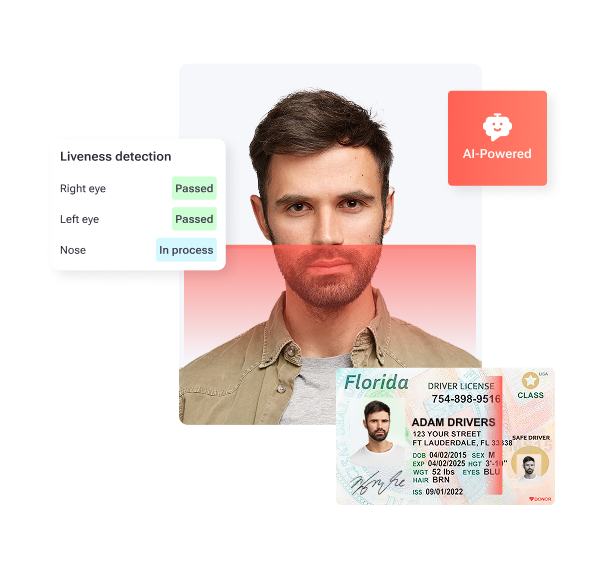
IDVerify strengthens permissible-purpose validation by confirming identity before screening authorization is triggered. This sequencing reinforces FCRA-aligned workflows and audit defensibility. CAMs see verification results, including ID authenticity status, liveness confirmation, biometric match result, and a redacted ID copy, embedded directly in the screening report.
Pillar 2: SafeCheck+ for Real-Time Watchlist and Sanctions Screening
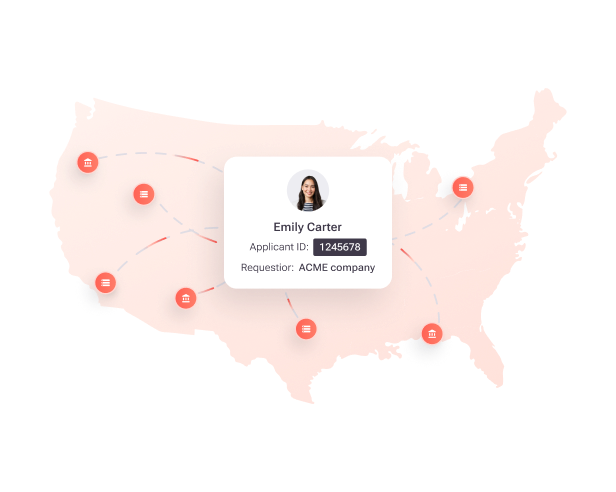
ComplyAdvantage customers achieve faster onboarding times and improvements in account-opening efficiency through real-time screening and intelligent case prioritization. TenantEvaluation's SafeCheck+ delivers similar capability inside the resident screening workflow, running applicants against criminal records, offenses registries, and FBI Most Wanted databases with permissible-purpose safeguards built in.
Each alert that may lead to adverse action triggers the full two-step FCRA adverse action process, and consumer reporting agencies bear heightened accuracy obligations due to the real-time nature of data feeds. TenantEvaluation's automated adverse-action workflows handle pre-adverse notice delivery, consent documentation, and timing enforcement. This removes that burden from CAMs while keeping associations protected.
Pillar 3: QuickApprove Risk Rules and Automated Decisions
A documented risk-based approach calibrates verification depth, screening intensity, and monitoring frequency to each customer's risk rating rather than applying uniform checks. TenantEvaluation supports this through community-level configuration. Each HOA or condo defines its own credit score thresholds, income verification requirements, and document rules, and QuickApprove routes applications through the appropriate approval path automatically.
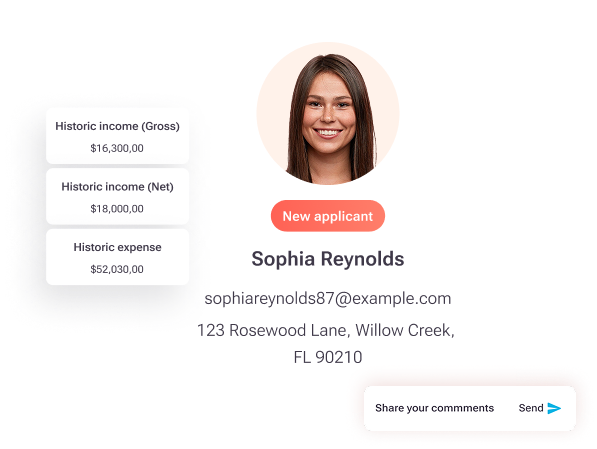
Before QuickApprove, approval workflows lived across email chains, spreadsheets, and manual follow-ups. After implementation, a single connected workflow inside TenantEvaluation replaces fragmented processes with integrated automation. Real-time application tracking reduces status-check emails, automated communication support keeps applicants informed, customized approval letters generate directly from verified data, and a board-ready review process centralizes decisions while preserving control, compliance, and visibility. TenantEvaluation clients report up to 70% faster approvals and up to 50 hours of staff time freed daily.
See how automated risk routing and QuickApprove cut approval cycles by 70%, then schedule your demo.
Pillar 4: Immutable Audit Trails for Board and FCRA Defense
Regulatory-grade KYC audit trails require append-only immutable logging to ensure records cannot be altered or deleted even by administrators. Every KYC decision record must preserve input data and evidence, provider and screening responses, active rule and model versions, risk and confidence scores, analyst actions and overrides, timestamps, and final outcome rationale.
TenantEvaluation logs every application action, automated and manual, with timestamps, data sources, and decision rationale. Board members access a dedicated review and voting dashboard where all actions are timestamped and auditable. The FCRA does not impose a specific minimum retention period for screening reports or adverse action notices, and TenantEvaluation's record retention infrastructure supports that obligation natively.
NorthRow and IDVerify: How Capabilities Align
| KYC Capability | NorthRow (Fintech) | TenantEvaluation IDVerify | FCRA Layer |
|---|---|---|---|
| Government-ID Validation | OCR + authenticity checks | OCR + authenticity checks, native in screening workflow | Permissible-purpose gate before screening authorization |
| Biometric Liveness Detection | AI-powered selfie + liveness | AI-powered liveness + selfie-to-ID facial match | Consent captured before biometric step |
| Watchlist / Sanctions Screening | OFAC, PEP, adverse media | Criminal records, offenses registry, FBI Most Wanted via SafeCheck+ | Automated adverse-action workflow on every alert |
| Audit Trail | Immutable logs for FinCEN/FATF | Timestamped, board-accessible audit trail; 3-year FCRA retention | Built-in; supports FCRA dispute resolution |
7-Step Onboarding Workflow with QuickApprove
- Application Intake: Applicant receives the community's Property Code, creates a TenantEvaluation account, and begins the 100% online application via web or mobile.
- Document Collection: Intelligent form logic requests only the documents relevant to the applicant type (tenant, purchaser, or additional resident), rejecting incomplete submissions automatically.
- Identity Verification via IDVerify: Applicant uploads a government-issued ID and completes a guided selfie verification. Automated biometric validation, including liveness detection, facial landmark mapping, and selfie-to-ID comparison, runs natively inside TenantEvaluation in under 35 seconds.
- Watchlist and Background Screening via SafeCheck+: Real-time screening runs against criminal records, offenses registries, and FBI Most Wanted, with permissible-purpose controls enforced at the API layer.
- Risk Scoring and Routing: Community-configured rules evaluate credit, income, and screening results. Low-risk applications route to QuickApprove for accelerated decisions, and elevated-risk cases escalate to board review with structured evidence.
- Board Review and Voting: Board members access a dedicated dashboard with AI-generated application summaries, a voting panel, and real-time status visibility, replacing email chains with a connected, audit-ready approval process.
- Decision, Adverse Action, and Record Retention: Approved applicants receive customized approval letters and a personalized welcome package. Declined applicants receive FCRA-compliant pre-adverse and final adverse action notices automatically. All records are retained in TenantEvaluation's immutable audit trail.
30-Day Rollout Plan and ROI for Florida Communities
This checklist outlines the standard 30-day implementation path for Florida communities deploying NorthRow-style KYC onboarding inside TenantEvaluation.
- Days 1–5: Configure the community profile, upload governing documents, and set credit score thresholds, income verification requirements, and custom document rules.
- Days 6–10: Enable IDVerify per property portfolio and configure biometric verification thresholds to match the community risk profile.
- Days 11–15: Activate SafeCheck+ watchlist screening and configure automated adverse-action notice timing and delivery.
- Days 16–20: Set up QuickApprove routing rules and onboard board members to the review and voting dashboard.
- Days 21–25: Run parallel test applications to validate biometric results, screening outputs, and audit trail completeness.
- Days 26–30: Go live and monitor approval cycle times and staff hours against baseline.
These efficiency gains, including the 70% approval acceleration and 50-hour daily time savings mentioned earlier, translate directly to measurable ROI within the first 30 days. KYC automation reduces operational costs and cuts fraud losses. One Florida-based management company saved $240,000 annually after switching to TenantEvaluation, with processing time cut by 50%.
Florida 55+ Community KYC and Age Verification
Age-restricted communities carry additional documentation requirements that manual processes handle inconsistently. 55+ Communities Verification is a built-in capability within TenantEvaluation that helps Florida condos and HOAs standardize how age-restricted requirements are handled across applications. This reduces manual work, improves documentation consistency, and strengthens operational efficiency and control.
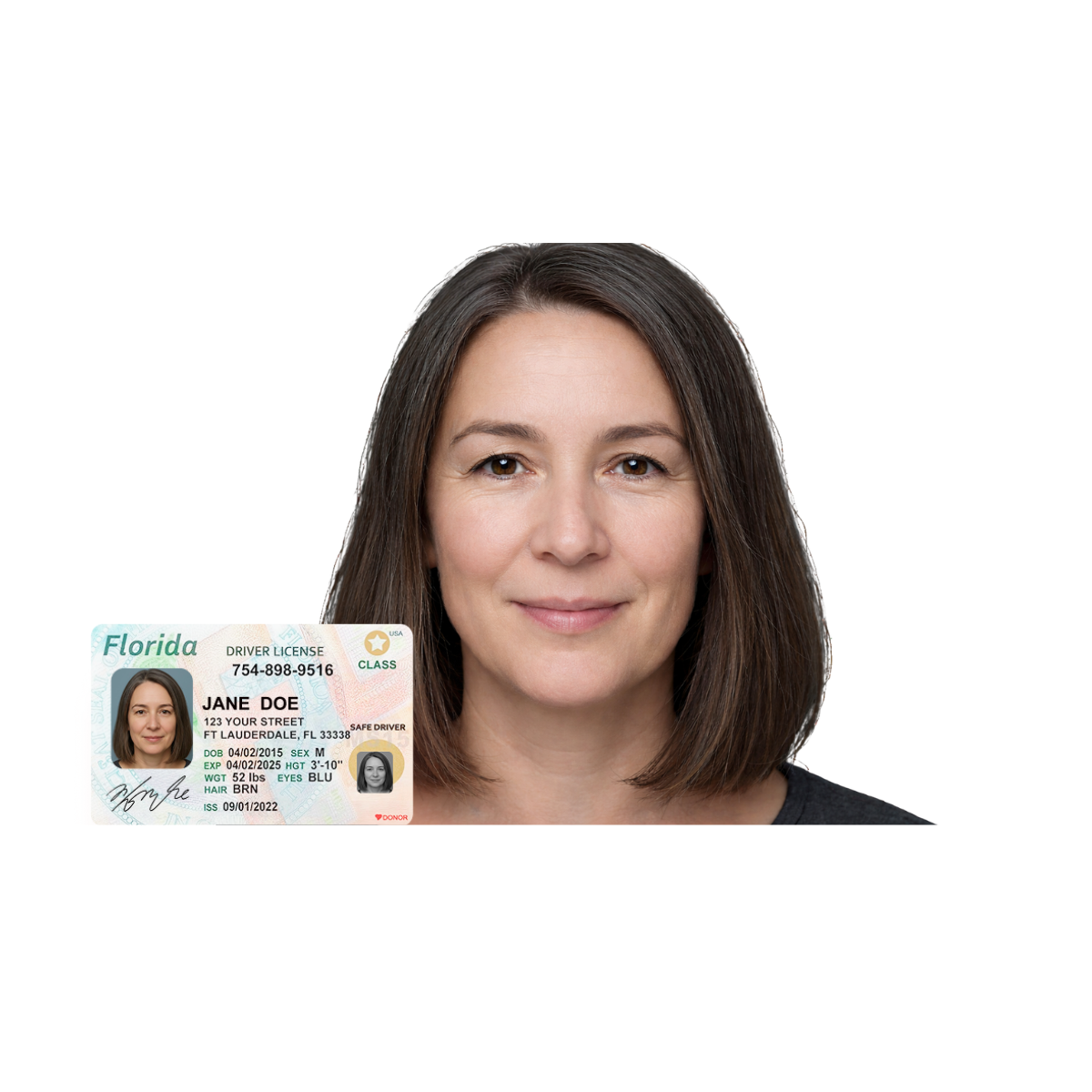
When combined with IDVerify biometric verification, 55+ Communities Verification creates a structured, scalable process. Identity is confirmed biometrically before age-related documentation is reviewed, and every step is logged in TenantEvaluation's audit trail. This supports internal compliance-related processes without replacing legal guidance, and it is designed specifically for Community Association Managers managing Florida's age-restricted communities at scale.
Explore how 55+ verification integrates with biometric KYC for age-restricted communities, then request your personalized demo.
Frequently Asked Questions
What NorthRow-style KYC onboarding means for resident screening platforms
NorthRow-style KYC onboarding refers to an automated identity verification workflow that combines government-ID validation, biometric liveness detection, real-time watchlist and sanctions screening, configurable risk rules, and immutable audit trails into a single, orchestrated process. In the fintech sector, NorthRow is recognized for delivering these capabilities in a structured, compliance-grade sequence. For resident screening platforms serving Florida HOAs and condominiums, the same pillars apply. Platforms must confirm the applicant is a real, present person, verify their identity against their government-issued ID, screen them against relevant watchlists, apply community-defined risk rules, and preserve every decision in an auditable record. TenantEvaluation delivers all four pillars natively through IDVerify+, SafeCheck+, QuickApprove, and its built-in audit infrastructure, without redirecting applicants to external portals or requiring CAMs to manage separate systems.
How FCRA compliance works with automated KYC and biometrics
The FCRA governs the collection, use, and disclosure of consumer information in screening decisions, including resident applications. When an automated KYC layer is added to a screening workflow, FCRA obligations extend to every new data point collected. Permissible purpose must be established before any consumer report is pulled. Consent must be captured in a standalone written disclosure before biometric verification runs. If a screening result or risk score contributes to a denial, the full adverse-action sequence applies, including a pre-adverse action notice with the report and CFPB Summary of Rights, a review window, and a final adverse action notice. TenantEvaluation is built with FCRA compliance as the foundation, not an afterthought. It is a direct reseller of TransUnion and Equifax data, operates under strict bureau rules, and automates the adverse-action workflow so CAMs do not have to manage notice timing manually. IDVerify+ is specifically designed to strengthen permissible-purpose validation by confirming identity before screening authorization is triggered.
Typical timeline for deploying automated KYC inside TenantEvaluation
Most Florida communities complete the full configuration and go-live process within 30 days. The first week covers community profile setup, including governing documents, screening criteria, and custom document requirements. The second week activates IDVerify+ biometric verification and SafeCheck+ watchlist screening, with thresholds configured to the community's risk profile. The third week sets up QuickApprove routing rules and onboards board members to the review and voting dashboard. The fourth week runs parallel test applications to validate outputs before full go-live. Communities with larger portfolios or more complex onboarding requirements may extend the configuration phase, but the core workflow of biometric verification, watchlist screening, risk routing, and audit trail remains operational within the standard 30-day window.
How IDVerify differs from generic identity verification tools
Generic identity verification tools are typically designed for broad consumer onboarding across financial services, e-commerce, or general rental markets, and they are not configured for the specific risk environment of Florida HOAs and condominiums. IDVerify is built specifically for community association risk. It runs natively inside TenantEvaluation without redirecting applicants to external portals, it is configurable per property portfolio and per community risk profile, and its outputs, including ID authenticity status, liveness confirmation, biometric match result, and a redacted ID copy, are embedded directly in the CAM's screening report. It also strengthens FCRA audit defensibility by ensuring identity confirmation occurs before screening authorization, a sequencing requirement that generic tools do not enforce. For boards concerned about liability and occupant security, IDVerify provides biometric-backed approval confidence that document-only screening cannot replicate.
Board-level visibility for KYC-enhanced screening decisions
TenantEvaluation includes a dedicated board review and voting dashboard that gives board members direct, real-time access to application status, AI-generated applicant summaries, IDVerify biometric verification results, SafeCheck+ screening outputs, and a voting panel for approvals. Every board action, including review, vote, override, or request for additional information, is timestamped and written to TenantEvaluation's immutable audit trail. This replaces email chains and spreadsheet-based approval tracking with a connected, board-ready process inside one platform. QuickApprove accelerates the path from submission to board decision while preserving board oversight, compliance review, and visibility into the criteria applied. For 55+ communities, the same dashboard surfaces age-related documentation status alongside biometric verification results, giving boards a complete picture before any approval decision is recorded.
Conclusion: Moving Beyond Document-Only Screening
Document-only screening no longer provides a defensible standard for Florida community associations. Identity fraud is rising, FCRA enforcement is active, and manual workflows create the administrative burden and liability exposure that boards and CAMs are accountable for preventing. Automated KYC with government-ID validation, biometric liveness, real-time watchlist screening, configurable risk rules, and immutable audit trails delivers the operational upgrade communities need. TenantEvaluation delivers every pillar natively through IDVerify+, SafeCheck+, and QuickApprove, with FCRA compliance as the foundation at every stage. With 5,000+ communities, 100,000+ applications processed annually, and $150M generated for associations, TenantEvaluation provides a FCRA-first, board-ready platform built specifically for Florida HOAs and condominiums.
Ready to eliminate document-only screening risk? Book your TenantEvaluation demo now.
