
Meta Title: Modernize HOA Application Systems | 7 Steps for 2026 | TenantEvaluation
Meta Description: Discover 7 essential steps to modernize your HOA application systems in 2026. Enhance efficiency, security, compliance, and revenue with digital solutions.
Key Takeaways
- Modern HOA application systems reduce administrative work, improve accuracy, and help boards make faster, better-documented decisions.
- Secure, cloud-based platforms protect sensitive homeowner and board data while supporting evolving rules such as the Corporate Transparency Act.
- Automated workflows, smart forms, and resident portals shorten approval times and improve communication for both boards and applicants.
- Built-in screening, analytics, and Florida-specific customization give HOAs clearer insight into risk, compliance, and long-term planning.
- Tenant Evaluation provides a Florida-focused, all-in-one digital application and screening platform for HOAs and condos. Get started with Tenant Evaluation today.
Why Modernizing Your HOA Application Systems Matters in 2026
Modern HOA application systems reduce liability and improve day-to-day operations. Outdated tools increase the risk of data breaches, compliance problems, and penalties under requirements such as the Corporate Transparency Act.
Manual processes also contribute to poor communication, inconsistent rule enforcement, and disorganized records. Digital platforms with online portals and real-time ledgers that improve transparency and access to services help resolve these issues and create a better experience for both boards and residents.
1. Use Cloud-Based, Integrated Platforms for Daily Management
Cloud-based, integrated platforms give boards and managers a single place to handle applications, documents, accounting, and communication. HOAs that still rely on spreadsheets and email often show clear signs they have outgrown their current platforms.
A cloud-first platform centralizes data and reduces errors. Cloud tools that consolidate accounting, communication, and recordkeeping while reducing paperwork create a more consistent record of each home and applicant.
Look for systems that include:
- Integrated accounting and online payments
- Violations tracking and ARC (architectural review) tools
- Resident portals and work order management
This structure creates a clearer path from application to long-term community management.
2. Strengthen Cybersecurity and Data Privacy
Secure application systems protect HOAs from costly breaches and help meet regulatory obligations. Older tools increase exposure, and legacy HOA systems create higher data breach and compliance risk.
The Corporate Transparency Act requires HOAs to submit board member details such as IDs, addresses, and birthdates, with penalties for errors or non-compliance. These new reporting duties make secure handling of personal data a legal requirement.
Modern systems should provide:
- Strong encryption for stored and transmitted data
- Automatic redaction of sensitive details such as Social Security numbers
- Audit trails to track who accessed or changed records
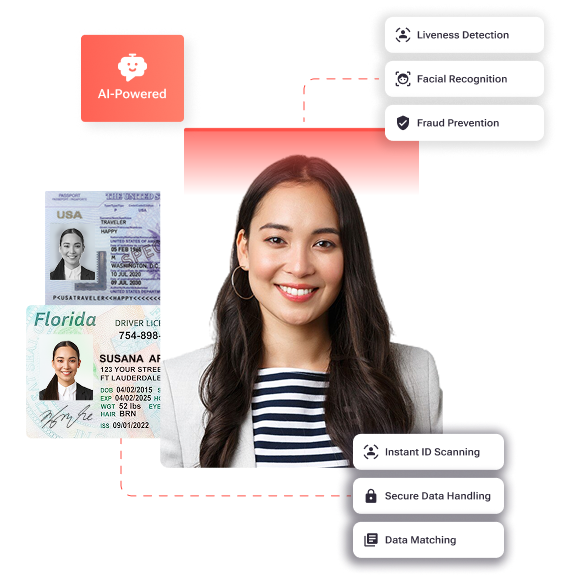
HOAs benefit from platforms that prioritize cybersecurity and data privacy with stringent encryption standards, especially when handling screening and payment data.
3. Automate Workflows and Use Smart Forms
Automation reduces delays and manual errors in the application process. Systems that handle document collection, background checks, reminders, and approvals free managers to focus on more complex issues.
Modern HOA software already uses AI and automation for tasks such as financial reconciliation, meeting summaries, and report generation. Automated e-payments also reduce reconciliation errors and duplicate payments.
Effective platforms typically offer:
- Smart forms that change questions based on applicant type or answers
- Automated email and text updates on application status
- Configurable workflows aligned with your bylaws and Florida rules
Many HOAs benefit from an implementation process that maps current workflows, identifies bottlenecks, pilots changes with one community, and standardizes templates.
4. Improve Visibility with Board and Resident Portals
Dedicated portals give board members and residents clear, on-demand information. Poor communication and transparency remain frequent challenges in HOA management, and portals help close these gaps.
For residents, online portals and real-time ledgers improve transparency, efficiency, and access to services. For boards, a portal reduces time spent tracking emails and paper packets.
Useful portal features include:
- Application submission, document upload, and status tracking
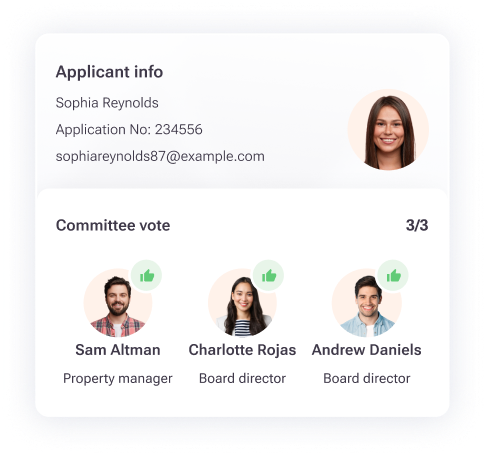
- Board dashboards with voting tools and auditable decisions
- Online payments, event calendars, RSVPs, and financial reports
5. Use Built-In Screening and Analytics for Better Decisions
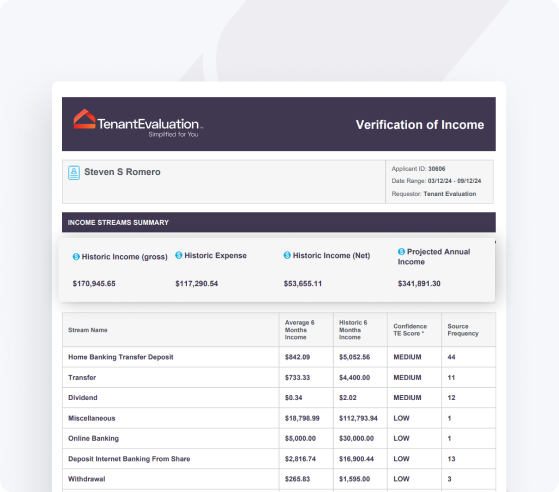
Integrated screening tools allow boards to review applicants consistently and document decisions. Systems can combine ID verification, income checks, and background reports into a single view.
Comprehensive screening supports community standards and reduces risk. At the same time, data-driven budgeting that uses technology for historical trends and projections helps HOAs manage rising costs more effectively.
Look for platforms that provide:
- A 360-degree applicant report combining screening data in one place
- Analytics on approvals, denials, and processing times
- Community-level insights on demographics, rentals, and payment patterns
Secure cloud storage for historical financial reports and records further supports transparency while protecting sensitive data.
6. Align Systems with Florida-Specific Rules and Your Bylaws
Florida HOAs face specific legal and regulatory requirements. Generic systems that ignore state nuances can create gaps in fair housing, disclosures, or architectural review processes.
Regulators and courts pay close attention to fair housing compliance and reasonable accommodations. Application platforms should support these obligations through configurable fields and workflows.
Effective vendors usually offer:
- Custom rules for pets, vehicles, rentals, and guest policies
- Configurable approval paths that mirror your governing documents
- Quick updates when state or local rules change
These tools help HOAs keep policies consistent, documented, and easier to defend if a dispute arises.
7. Roll Out New Systems Gradually with Strong Training
A phased rollout makes change more manageable for boards, managers, and residents. Many communities start with one or two features, then expand once users feel comfortable.
Successful transitions usually follow a pattern where HOAs adopt a small set of tools, hold training sessions for boards and homeowners, and build from there. This limits disruption and builds confidence.
When comparing vendors, look for:
- Structured onboarding and clear implementation timelines
- Training materials in multiple formats and languages
- Responsive support through chat, phone, and email
Ongoing training as features evolve helps your HOA continue to get value from the system instead of slipping back to manual workarounds.
Traditional vs. Modern HOA Application Systems
|
Metric |
Manual Process |
Modern Digital System |
Impact |
|
Approval Time |
2–4 weeks |
3–7 days |
Faster move-ins and fewer delays |
|
Administrative Hours |
40–50 hrs/week |
10–15 hrs/week |
Lower labor costs and burnout |
|
Compliance Risk |
High |
Lower |
More consistent, documented processes |
|
Data Security |
Paper or basic tools |
Modern encryption |
Better protection of sensitive data |
Frequently Asked Questions
What are the biggest risks of not modernizing our HOA application systems?
HOAs that keep manual or outdated systems face higher risks of data breaches, compliance failures, and penalties under rules such as the Corporate Transparency Act. Slow approvals, heavier workloads, and frustrated residents also harm the association’s reputation and long-term stability.
How do modern application systems support financial transparency?
Modern systems centralize payments, receipts, and account histories so boards and owners can see accurate records in one place. Secure cloud storage for financial reports and statements keeps information accessible, while analytics support clearer budgeting and reserve planning.
Is it difficult to get HOA board members and residents to adopt new technology?
Adoption improves when HOAs use a gradual rollout, select user-friendly tools, and provide clear training. Many platforms now offer intuitive interfaces and multilingual support, which helps older users and non-English speakers participate more comfortably.
How can we maintain compliance with Florida-specific HOA regulations during modernization?
Compliance improves when you choose a platform that either focuses on Florida or offers detailed customization for state and local rules. Configurable workflows, built-in audit trails, and documentation features help your board track fair housing, ARC, and financial requirements.
What cost savings can HOAs expect from modern application systems?
Most savings come from reduced administrative time, fewer errors, and faster approvals that support quicker move-ins and stronger cash flow. Automated controls and better documentation also lower the risk of legal disputes and fines, which can be significant.
Conclusion: Build a Future-Ready HOA in 2026
HOAs that modernize application systems in 2026 gain clearer records, stronger security, and more efficient operations. Residents experience faster decisions and easier communication, while boards handle compliance and documentation with less manual effort.
Cloud-based platforms, automated workflows, screening tools, Florida-specific customization, and structured training together form a practical roadmap for change. Schedule a demo with Tenant Evaluation to see how a modern, Florida-focused platform can support your HOA or condominium association.