Written by: Luis Teran, Co-founder, CEO, TenantEvaluation
Key Takeaways for Florida Condo and HOA Leaders
- Florida condo communities usually lose warrantable status with Fannie Mae and FHA because of accumulated resident-level issues like delinquent assessments, owner-occupancy drift, and incomplete records, not single catastrophic failures.
- The condo project approval process depends on coordinated responsibilities between boards that govern eligibility and financial health, CAMs that run workflows and documentation, and applicants who supply accurate data.
- Resident-level failures directly affect project-level standards, including inaccurate delinquency reporting, owner-occupancy ratio miscalculations, and an inability to produce certified documentation within lender deadlines.
- A structured 7-step mitigation checklist addresses these risks through owner-occupancy tracking, stronger screening, centralized documentation, insurance alignment, faster approvals, standardized 55+ handling, and quarterly lender-readiness reviews.
- TenantEvaluation provides an all-in-one, FCRA-compliant platform that connects screening, verification, approvals, and lease tracking so Florida boards and CAMs can maintain onboarding workflows that stand up to lender review.
The Condo Project Approval Process and Why It Breaks
Under the Fannie Mae Selling Guide, a condominium project must satisfy requirements across several key dimensions to remain eligible for conventional financing. These include reserve funding, adequate hazard and liability insurance coverage, owner-occupancy concentration, and financial documentation such as current budgets, delinquency schedules, and completed lender questionnaires. FHA condominium project approval applies similar requirements under its Single Family Housing Policy Handbook, with additional scrutiny on litigation exposure and commercial space concentration.
Resident-level failures map directly to these project-level standards. When onboarding records are incomplete, associations cannot accurately report delinquency rates on lender questionnaires, which creates misrepresentations that trigger rejection. Owner-occupancy drift occurs when investor-owned units accumulate without systematic tracking and push the ratio below required thresholds. Delinquent assessments that exceed lender limits can render a project non-warrantable regardless of reserve health. Incomplete records also prevent boards from producing the certified documentation lenders require within questionnaire deadlines, which stalls transactions at the worst possible moment for sellers and buyers alike. The following 7-step checklist gives Florida boards and CAMs a practical framework to address these resident-level vulnerabilities before they grow into project-level failures.
7-Step Mitigation Checklist for Florida Boards and CAMs
Step 1: Implement Systematic Owner-Occupancy Tracking
Owner-occupancy ratio is one of the first data points lenders verify. Because investor purchases concentrate in markets with strong rental demand, Florida communities, particularly Miami high-rises and Fort Lauderdale waterfront buildings, face accelerated drift that can push ratios below thresholds within a single transaction cycle. CAMs should maintain a unit-level occupancy register updated at every ownership transfer and lease renewal. TenantEvaluation’s Lease Tracking capability delivers centralized, real-time lease status visibility, with unit-level tracking connected to occupancy records, which replaces disconnected spreadsheets and closes the operational blind spots that cause ratio miscalculations.
Step 2: Strengthen Applicant Screening to Prevent Delinquencies
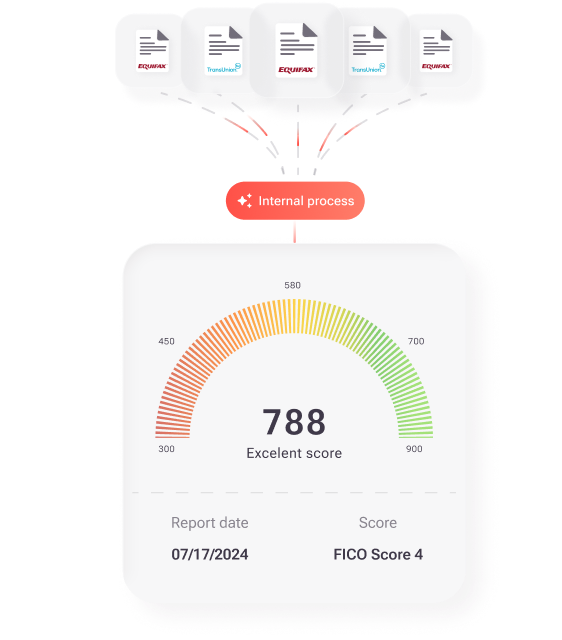
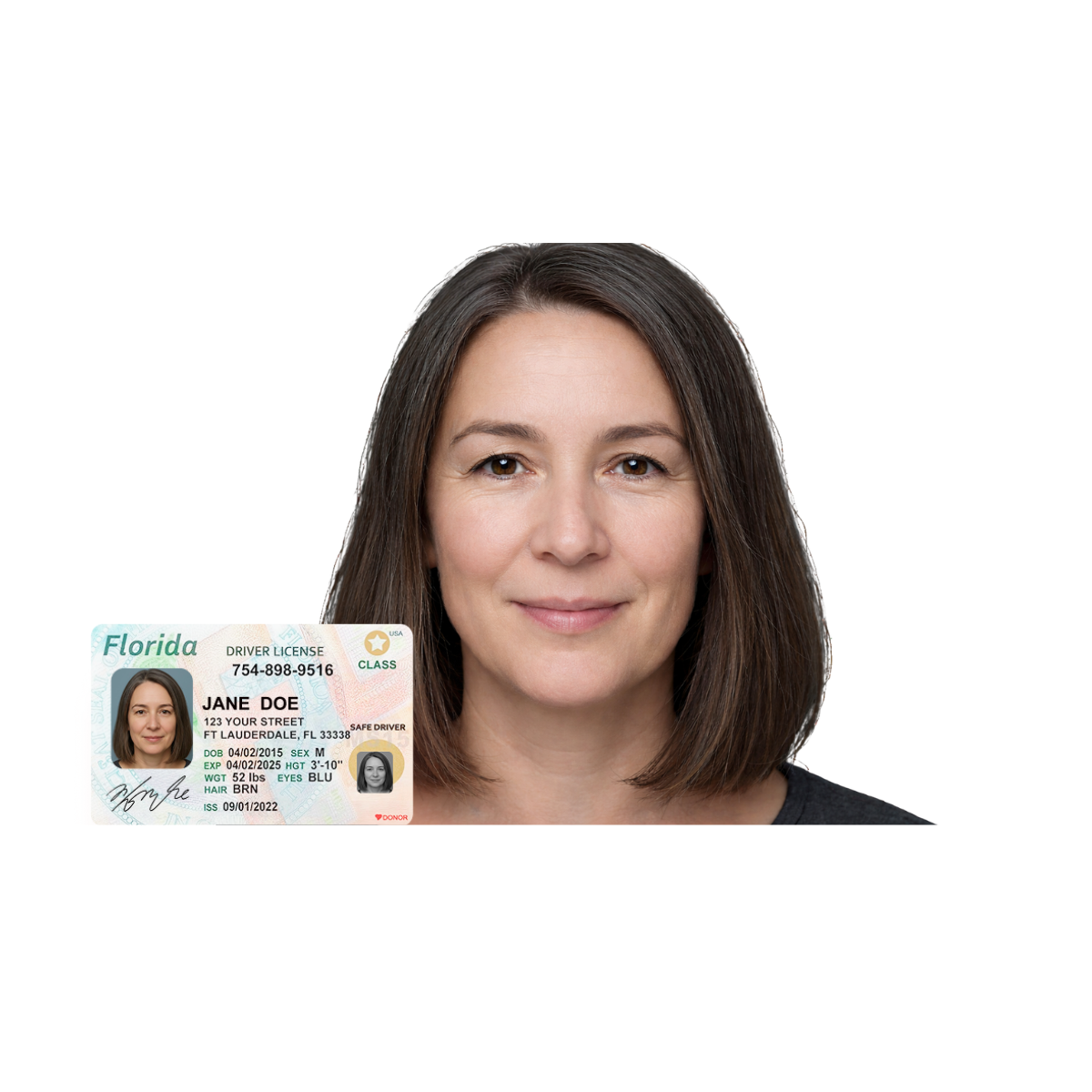
Delinquency rates start at the applicant stage. Residents approved without verified income, credit, or rental history are statistically more likely to fall behind on assessments. TenantEvaluation’s screening combines credit bureau data sourced directly from TransUnion and Equifax as a legitimate reseller, income verification via IncomeEV, and background checks through SafeCheck+ to give boards a full applicant profile before decisions. IDVerify adds biometric identity verification that confirms applicants are real, present, and matched to their identification, which reduces fraud exposure before risk enters the community.
Step 3: Centralize Documentation and Build Clear Record Trails
Lender questionnaires require certified, current documentation that communities can produce quickly. Manual filing systems that rely on folders, inboxes, and email chains create gaps that surface during lender review. TenantEvaluation’s all-in-one platform maintains built-in record trails for every application, with searchable digital files for lease agreements, resident activity, and document histories. When a lender questionnaire arrives, CAMs can produce accurate delinquency schedules and occupancy data without manual reconciliation across disconnected systems.
Step 4: Align Insurance and Reserve Documentation with Lender Standards
Fannie Mae and FHA both require evidence of adequate hazard, liability, and, where applicable, flood insurance, along with reserve funding that meets minimum thresholds. Meeting these requirements in practice means boards must maintain current certificates of insurance and reserve study documentation in formats that support rapid lender response, which becomes difficult when records live across email, filing cabinets, and management company servers. TenantEvaluation’s centralized platform addresses this retrieval problem with document storage and retrieval workflows that keep these records organized and ready for review, which shortens turnaround time on questionnaire responses.
Step 5: Accelerate Approvals to Reduce Processing Gaps
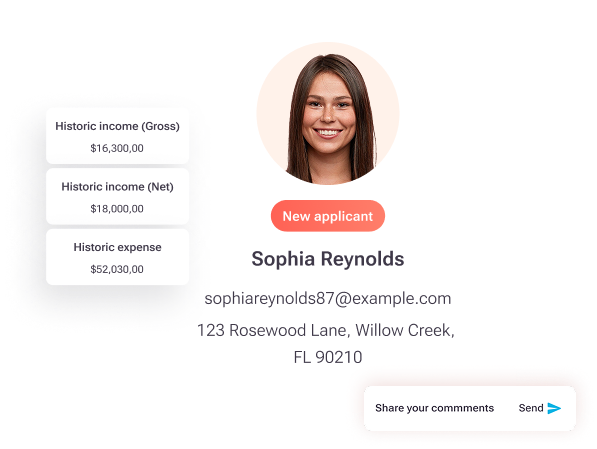
Approval delays create occupancy gaps and incomplete records that distort owner-occupancy ratios and delinquency reporting. QuickApprove accelerates resident approvals inside one connected platform with real-time application tracking, a board-ready approval process, automated communication support, and customized approval letters, while preserving control, compliance, and visibility. For Tampa HOAs and Orlando communities that manage high-volume application seasons, QuickApprove reduces manual bottlenecks that leave unit records in limbo.
Step 6: Standardize 55+ Community Application Handling
Age-restricted communities in Sarasota, Naples, and across Florida face an additional compliance layer tied to Housing for Older Persons Act documentation requirements. Fragmented manual processes produce inconsistent records that create risk exposure in audits or disputes. 55+ Communities Verification is a built-in TenantEvaluation capability that standardizes age-restricted application handling across communities, reduces manual work, supports documentation consistency, and strengthens internal operational control, while still leaving room for legal guidance where needed.
Step 7: Conduct Quarterly Lender-Readiness Reviews
Warrantability functions as an ongoing condition rather than a one-time certification. Owner-occupancy ratios, delinquency rates, insurance coverage, and reserve balances shift throughout the year. Florida boards and CAMs should conduct quarterly reviews that compare current unit records against Fannie Mae and FHA thresholds, update lender questionnaire templates with current figures, and flag emerging risks before they compound. TenantEvaluation’s community analytics and structured digital records support this review cycle without manual data assembly.
Common Roadblocks in the Condo Approval Process
Incomplete submissions are the most frequent source of delay in the condo project approval process. Applicants omit required documents, submit unsigned leases, or provide unverifiable identity documents, and each gap requires manual follow-up that extends processing timelines and leaves unit records in an indeterminate state. TenantEvaluation’s intelligent form logic automatically checks for executed leases, valid IDs, and required documents and rejects incomplete submissions before they reach the CAM’s review queue.
Communication gaps between applicants, realtors, boards, and managers create parallel information silos. A board member waiting on an emailed application summary while the CAM tracks status in a separate spreadsheet produces inconsistent decision records. TenantEvaluation’s board-ready dashboard gives board members direct, real-time access to application status and summarized reports, which replaces email chains with a connected approval process.
Identity fraud risk is increasing across Florida condo and HOA communities. Stolen IDs, synthetic identities, and impersonation attempts enter communities through traditional document-based screening that cannot confirm physical presence. IDVerify introduces AI-powered liveness detection, government ID authentication, and biometric selfie-to-ID comparison inside the TenantEvaluation workflow and moves communities from document review to biometric-confirmed identity verification.

Inconsistent decision-making across applications creates fair housing exposure and vulnerability during audits. Standardized screening criteria, configured per community inside TenantEvaluation, ensure every applicant is evaluated against the same documented thresholds and produce a consistent, defensible record for every approval or denial.
Best Practices for Ongoing Lender Readiness
Governance discipline forms the foundation of sustained warrantability. Boards must maintain current meeting minutes, enforce assessment collection policies consistently, and document all material decisions that affect project eligibility, which creates the policy-level record that lenders review. These board-level decisions only translate to warrantability when CAMs ensure that every workflow, from application intake to lease renewal, produces operational records that prove policy compliance on demand for lender questionnaires.
| Workflow Area | Manual Process | TenantEvaluation Platform | Impact on Lender Readiness |
|---|---|---|---|
| Owner-occupancy tracking | Spreadsheets updated manually, prone to gaps | Real-time unit-level lease status visibility | Accurate ratio reporting for questionnaires |
| Applicant screening | Paper forms, manual document review | Automated screening with direct bureau data and biometric verification | Reduced delinquency risk and stronger documentation history |
| Document management | Folders, inboxes, disconnected email chains | Centralized, searchable digital records | Faster questionnaire response and fewer documentation gaps |
| Board approval workflow | Email chains, no centralized decision record | QuickApprove board-ready dashboard with timestamped voting | Consistent, documented decision history |
Quarterly lender-readiness reviews should include a reconciliation of unit ownership records against current lease data, a delinquency rate calculation against Fannie Mae and FHA thresholds, an insurance certificate currency check, and a reserve balance comparison against the current reserve study. TenantEvaluation’s structured records support each of these steps without manual data assembly across disconnected systems.
Schedule a demo today to see how TenantEvaluation’s connected platform supports quarterly lender-readiness workflows for Florida communities.
How TenantEvaluation Supports Compliance-Ready Onboarding
TenantEvaluation is an all-in-one resident screening and onboarding platform built exclusively for community associations and management companies, with FCRA compliance as the foundation. As a direct reseller of TransUnion and Equifax data, not a third-party scraper, TenantEvaluation provides credit data under strict bureau rules with regular compliance audits and protects community associations from liability tied to gray-market data sources.
The platform’s built-in record trails cover every application from intake through final decision and record retention. QuickApprove accelerates approvals while preserving board oversight. IDVerify adds biometric identity verification designed for condo and HOA risk environments. 55+ Communities Verification standardizes age-restricted application handling across Florida communities. Lease Tracking connects onboarding, unit data, approvals, and lease documentation into one centralized, real-time workflow. Across thousands of communities and roughly 100,000 applications processed each year, TenantEvaluation has generated more than $150M for communities while maintaining a 4.8 out of 5 Google rating.
Frequently Asked Questions
What is the condo project approval process, and who is responsible for eligibility?
The condo project approval process is the review conducted by lenders, Fannie Mae, or FHA to determine whether a condominium project meets the financial, legal, and operational standards required for mortgage financing. Eligibility depends on factors including reserve funding levels, owner-occupancy ratios, delinquency rates, insurance coverage, and the absence of disqualifying litigation. Responsibility is distributed across the association’s board, which governs the financial and operational health of the project, the CAM, who administers documentation and onboarding workflows, and individual unit owners and applicants, who supply the underlying data. No single party controls all variables, so a connected platform that links resident-level data to project-level records becomes operationally critical.
How does owner-occupancy drift cause a condo project to lose warrantable status?
Owner-occupancy drift occurs when the proportion of investor-owned or renter-occupied units increases over time without systematic tracking. Fannie Mae generally requires that at least 50% of units in an established project be owner-occupied for the project to remain eligible for conventional financing. When investor purchases accumulate in markets such as Miami and Fort Lauderdale high-rises with strong short-term rental demand and the association lacks real-time occupancy data, the ratio can fall below threshold without the board’s awareness. By the time a lender questionnaire surfaces the discrepancy, multiple pending transactions may already be at risk. Centralized, unit-level lease tracking that connects onboarding records to occupancy status serves as the primary operational control for preventing undetected drift.
What documentation should Florida condo boards maintain for lender questionnaires?
Florida condo boards should maintain current-year and prior-year operating budgets with reserve line items, the most recent reserve study or reserve funding analysis, a current delinquency schedule showing assessment arrears by unit, certificates of insurance for hazard, liability, and flood coverage, current meeting minutes reflecting material board decisions, a unit ownership and occupancy register updated at every transfer and lease event, and copies of all executed leases connected to active occupancy records. Lender questionnaires, including Fannie Mae’s Form 1076 and FHA’s equivalent, require certified responses to questions drawn from each of these categories. Gaps in any area can result in questionnaire rejection or project ineligibility determinations that stall transactions across the entire building.
How do delinquent assessments affect FHA and Fannie Mae project eligibility?
Both FHA and Fannie Mae apply delinquency thresholds as a condition of project eligibility. Fannie Mae’s standard benchmark holds that no more than 15% of units may be 60 or more days delinquent on assessment payments. FHA applies similar scrutiny under its project approval guidelines. When delinquency rates exceed these thresholds, the project becomes non-warrantable regardless of reserve health or insurance adequacy, which means no unit in the building can be financed with a conventional or FHA-backed mortgage until the rate improves. Because delinquency risk begins at the applicant screening stage, communities that apply rigorous income verification, credit review, and rental history checks during onboarding reduce the probability of future assessment defaults before residents enter the community.
Conclusion: Turning Daily Workflows into Lender Readiness
Compliance risk in the condo project approval process grows out of everyday operations rather than a single policy decision. Every resident screening workflow, every lease record, every board approval, and every documentation gap accumulates into the profile lenders review. Florida communities, from Jacksonville HOAs to Miami high-rises to age-restricted Sarasota condos, share the same structural challenge, because manual, fragmented onboarding processes create the resident-level failures that become project-level red flags.
The 7-step checklist above connects those failures to specific operational controls, including systematic owner-occupancy tracking, stronger applicant screening, centralized documentation, insurance and reserve alignment, faster approvals, standardized 55+ handling, and quarterly lender-readiness reviews. Each step receives support from TenantEvaluation’s all-in-one platform, which is FCRA-first by design, built exclusively for community associations, and connected from application intake through occupancy.
Schedule a demo today and see how TenantEvaluation helps Florida boards and CAMs build an onboarding workflow that supports warrantability from the ground up.
