Written by: Luis Teran, Co-founder, CEO, TenantEvaluation
Key Takeaways
- Florida HOAs and CAMs face operational blind spots when lease records stay scattered across emails, drives, and spreadsheets, which increases compliance and audit risks.
- Centralized lease tracking software connects applications, approvals, unit data, and lease documentation into one real-time, searchable workflow.
- TenantEvaluation Lease Tracking delivers automated document collection, unit-level status visibility, and audit-ready digital history without constant manual follow-ups.
- Florida statutes such as 718.111(12)(g) and 720.303 require associations to maintain accessible official records, and centralized digital leases directly support these obligations.
- Replace fragmented spreadsheets with TenantEvaluation Lease Tracking for centralized, audit-ready lease records—learn more.
Why Centralized Lease Tracking Software Matters for Florida Associations
Lease tracking software for community associations connects resident onboarding, unit data, approvals, and lease documentation into one operational workflow. It does not function as a generic commercial lease accounting tool. It does more than digitize a spreadsheet-based process. It serves as a purpose-built system that gives CAMs, property managers, and boards real-time lease status visibility, including active, pending, expired, or missing leases, from application submission through confirmed occupancy.
Real-time visibility and audit-ready records matter in Florida’s regulated, multi-party association environment. Under Florida Statute 718.111(12)(g), effective January 1, 2026, condominium associations with 25 or more units must operate an official website or secure member portal providing access to governing documents, financial reports, meeting notices, and active contracts. Under Florida Statute 720.303(4), HOAs with 100 or more parcels can operate an official website or secure member portal providing access to governing documents, financial reports, meeting notices, and active contracts. Centralized, searchable digital lease records help associations stay ready for these operational requirements.
See how TenantEvaluation Lease Tracking works in practice and delivers centralized, real-time lease visibility and lifecycle control inside one connected platform.
How TenantEvaluation Lease Tracking Centralizes Lease Visibility and Lifecycle Control
TenantEvaluation Lease Tracking operates as a centralized capability built directly into the TenantEvaluation ecosystem, the resident screening and onboarding platform designed for community associations and management companies with FCRA compliance at its core. It does not sit as a standalone tool bolted onto a generic property management system. It connects resident onboarding, unit data, approvals, and lease documentation into one streamlined, audit-ready workflow.
Key capabilities include real-time lease status tracking, with active, pending, expired, or missing designations, so CAMs and boards always know where each unit stands. This visibility continues through automated lease document collection during onboarding, which removes the manual follow-up cycle that delays confirmation and creates gaps. Because unit-level tracking ties each lease directly to occupancy records, managers gain a connected view from initial application through active tenancy. This connected structure creates a searchable digital history of lease records, resident activity, and document trails, which gives managers and boards instant access to the information they need without searching across folders, inboxes, or spreadsheets.
Each lease remains connected, searchable, trackable, and audit-ready throughout its lifecycle inside one platform, TenantEvaluation.
Step-by-Step TenantEvaluation Workflow from Application to Occupancy
The TenantEvaluation workflow starts at application intake. Applicants complete a fully online application, upload required documents, and complete biometric identity verification through IDVerify. The platform’s intelligent form logic checks for executed leases and required documents and rejects incomplete submissions before they reach the review queue.
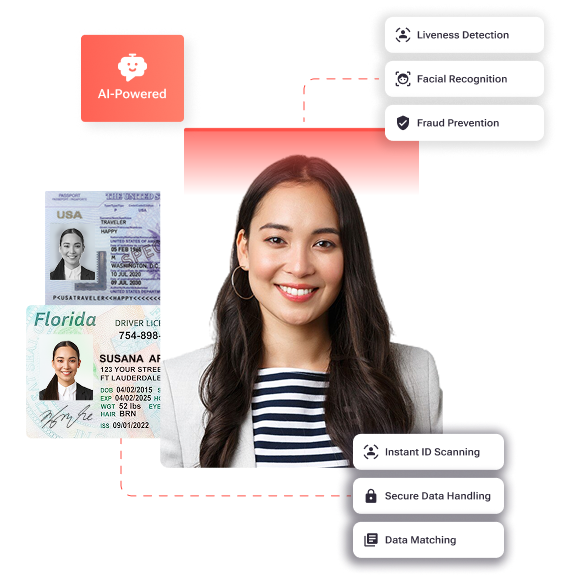
Once the application is complete, lease document capture occurs during onboarding, not as a separate step after approval. The lease is collected, stored, and linked to the unit record inside TenantEvaluation. The QuickApprove accelerated approval workflow then moves the application from submission to board decision faster, with real-time application tracking, a board-ready review process, and automated communication support, while preserving control, compliance, and visibility.
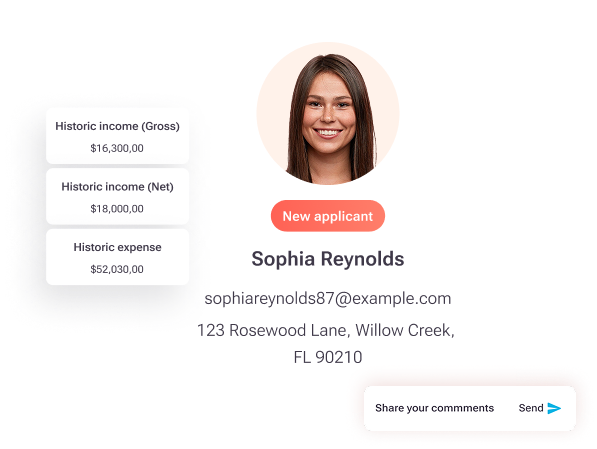
After approval, occupancy confirmation is recorded in the platform, and the lease status updates to active. From that point forward, CAMs can monitor lease expirations, access historical records, and confirm occupancy status in real time, all within TenantEvaluation.
Compliance and Operational Gains from Centralized Lease Tracking
Audit trails and searchable digital history form the operational backbone of compliance readiness. Section 720.303 of Florida’s Homeowners’ Association Act requires boards to make meeting minutes available to members and retain certain official records for a prescribed period, which sets standards for transparent recordkeeping and member access. TenantEvaluation Lease Tracking supports these standards by maintaining organized, searchable digital lease records that remain accessible without manual retrieval.
Under Florida Statutes § 720.306(1)(h), HOAs may adopt amendments that prohibit or regulate rental agreements for terms of less than 6 months or more than three times per calendar year, which requires associations to maintain records of lease terms and frequency for enforcement. Centralized lease records with unit-level tracking directly support this documentation requirement.
Reduced manual follow-ups free CAM staff to focus on higher-value tasks. Improved visibility across multiple communities gives management companies a scalable operational model that handles higher onboarding volume without added complexity or headcount.
Explore how audit-ready digital lease records replace scattered email chains across your portfolio.
Manual Spreadsheets vs. Centralized Digital Lease Workflows
| Approach | Visibility & Tracking | Record Accessibility |
|---|---|---|
| Manual spreadsheets and email chains | No real-time lease status, manual and error-prone expiration tracking, and no connection between applications and active leases | Records stored across folders, inboxes, and spreadsheets, with retrieval that requires manual search and gaps that are common during audits or disputes |
| Generic property management software | Basic lease storage without onboarding integration, status updates that require manual input, and no unit-level lifecycle tracking | Documents stored in the platform but disconnected from approval and occupancy workflows, with limited searchability across communities |
| TenantEvaluation Lease Tracking | Real-time lease status, including active, pending, expired, or missing, with unit-level tracking connected to occupancy records and automated updates throughout the workflow | Centralized, searchable digital history of leases, resident activity, and document trails, with audit-ready records accessible instantly inside one connected platform |
What to Look For When Evaluating Lease Tracking Software
Compliance support: The platform should maintain organized, searchable digital lease records that support audit readiness. Florida associations must maintain certain official records under changes effective July 1, 2025, and lease documentation should sit inside the same organized, accessible framework.
Stakeholder access: CAMs, boards, and community operations teams need role-appropriate visibility. A board-ready dashboard that surfaces occupancy status and lease records without manual report generation creates a clear operational advantage.
Data security: Lease records contain sensitive personal and financial information. PCI Level 1 compliance, end-to-end encryption, and automatic redaction of sensitive data form the baseline for any platform handling this data at scale.
Configurability: Florida communities operate under different governing documents, rental restrictions, and approval workflows. The platform must adapt to each community’s specific requirements, rather than forcing a one-size-fits-all model built for generic rentals.
Integration with existing onboarding: Lease tracking that operates in isolation from the application and approval workflow recreates the fragmentation it should solve. The most effective systems connect applications, approvals, unit data, and lease documentation inside one platform and maintain continuity throughout the onboarding process.
Frequently Asked Questions
How does lease tracking software help maintain organized records across multiple Florida communities?
Lease tracking software centralizes lease records, unit data, and occupancy status inside one platform and removes the need to search across separate folders, inboxes, or spreadsheets for each community. For management companies overseeing multiple associations, CAMs can access any lease record, confirm occupancy status, or review document history without switching systems or contacting individual communities. TenantEvaluation Lease Tracking provides a searchable digital history of leases, resident activity, and document trails, which gives operations teams a consistent, scalable view across their entire portfolio without extra administrative complexity.
What record retention practices support audit readiness for HOAs under current Florida statutes?
Florida HOAs and condominium associations follow specific record retention and member access requirements under statutes including Section 720.303 and Section 718.111. These requirements cover governing documents, financial records, meeting minutes, and official records, which intersect with lease documentation when rental restrictions, approval records, or occupancy disputes arise. Audit readiness depends on organized, accessible records that can be retrieved quickly and completely. Digital lease records stored inside a centralized platform, with searchable history and document trails, support this operational standard more reliably than manual filing systems. Legal counsel should guide specific retention obligations for each association.
Can lease tracking replace manual spreadsheets while keeping lease review with legal counsel?
TenantEvaluation Lease Tracking can replace manual spreadsheets while legal counsel continues to handle lease review. The platform functions as an operational workflow tool, not a legal review system. It manages document collection, status tracking, unit-level records, and audit-ready storage. Lease interpretation, legal review, and enforcement decisions remain with legal professionals. CAMs and boards gain centralized visibility and lifecycle control over lease-related activity, while legal oversight for Florida community associations stays intact. The platform manages documentation and tracking, and legal counsel manages interpretation and compliance guidance.
How quickly can CAMs gain real-time lease status visibility after implementation?
TenantEvaluation is built for community associations and management companies, with implementation that connects directly to existing onboarding workflows. Because Lease Tracking lives inside the TenantEvaluation ecosystem, alongside applications, approvals, document collection, and identity verification, CAMs begin gaining real-time lease status visibility as new applications move through the platform. Existing lease records can be organized and uploaded into the centralized system, which gives operations teams a consolidated view without a full workflow overhaul. The result includes faster administrative workflows, fewer manual follow-ups, and improved visibility from the point of implementation forward.
Conclusion: Shift from Fragmented Lease Records to Centralized Control
Manual, fragmented lease management creates operational blind spots and compliance risk for Florida community associations. Missing lease copies, disconnected spreadsheets, and manual expiration tracking move beyond administrative inconvenience and become gaps that surface during audits, disputes, and regulatory reviews at the worst possible moment.
TenantEvaluation Lease Tracking replaces that fragmentation with centralized, real-time lease visibility and lifecycle control by connecting resident onboarding, unit data, approvals, and lease documentation inside one connected platform. Each lease stays searchable, trackable, and audit-ready throughout its lifecycle. CAMs spend less time searching and following up. Boards gain a clearer operational picture. Management companies scale their portfolios without adding complexity.
No spreadsheets. No missing leases. No operational guesswork.
