
Key Takeaways
- Integrated HOA-specific software reduces administrative workload, communication errors, and manual data entry compared with fragmented tools and email chains.
- Centralized applications, screening, and board dashboards give directors faster, clearer decisions with full audit trails and better compliance support.
- Resident portals and multi-channel communication improve satisfaction by giving owners real-time access to applications, announcements, and account information.
- Florida-focused configuration supports associations as they navigate complex state regulations, record-keeping rules, and data security requirements.
- Tenant Evaluation brings these capabilities into one platform; schedule a demo to see how it can support your HOA or condo association.
The Critical Need for Integrated HOA Member Management & Communication Tools
Why Fragmented Approaches Fail HOAs
Modern HOAs that rely on disconnected email, paper files, and basic accounting tools experience recurring communication and service issues. Poor communication with delayed responses and minimal transparency is the most common problem with HOA management, and it often escalates routine questions into formal complaints.
The administrative burden on Community Association Managers increases when data lives in multiple spreadsheets and inboxes. Manual spreadsheets and siloed systems create inconsistent reporting, data gaps, and errors that reduce financial transparency and board confidence.
Board members then struggle to access complete, up-to-date information. Residents see slow approvals, inconsistent responses, and outdated processes that no longer match 2026 expectations for digital service.
The Solution: How Integrated Tools Elevate HOA Operations & Resident Satisfaction
Integrated member management and communication tools bring applications, approvals, screening, communication, and records together in one place. Key benefits include:
- Streamlined operations, with fewer manual tasks and lower administrative burden
- Improved transparency through real-time visibility into applications and approvals
- Higher resident engagement with easy-to-use online and mobile access
- More consistent compliance with clear audit trails and standardized workflows
- Stronger revenue collection through structured fee and payment processes
Automation reduces time spent on repetitive tasks like dues reminders and notice letters, which lets boards and managers focus on planning, compliance, and owner satisfaction instead of chasing paperwork.
7 Essential Integrated Member Management & Communication Tools for Modern HOAs
1. All-in-One Online Resident Application & Onboarding Platforms
Online application and onboarding platforms replace paper packets and email chains with a single, structured workflow. Tenant Evaluation offers mobile-friendly applications that handle data collection, document upload, and fee payments in one place, with automatic redaction of personally identifiable information to protect residents.
Smart form logic adjusts questions for tenants, purchasers, or additional residents, and e-signatures, status tracking, and notifications keep applicants, owners, and managers aligned. This structure reduces back-and-forth messages about missing items and shortens approval timelines.
2. Collaborative Board Dashboards for Transparent and Efficient Approvals
Boards need concise, accurate information to review applications quickly. Tenant Evaluation’s QuickApprove dashboard gives directors a single view of pending files, applicant summaries, and voting panels, so they can take action without sifting through long email threads.
Clear audit trails record who reviewed what and when, which supports both community trust and compliance needs for documented decisions.

3. Automated and Comprehensive Resident Screening (Background, Income, ID Verification)
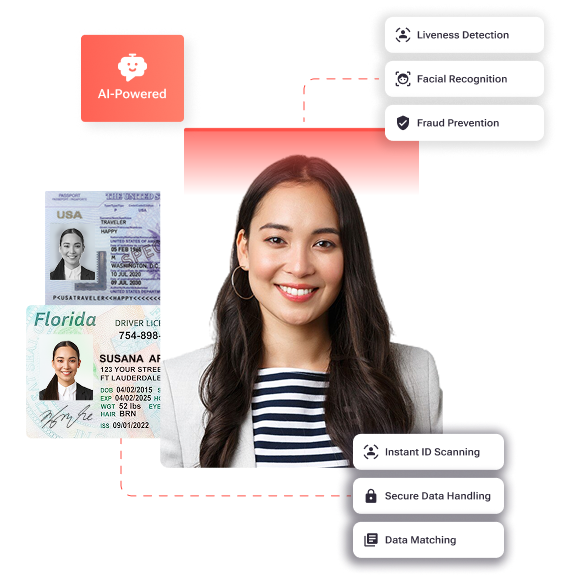
Screening tools that combine background checks, income verification, and ID verification help communities make consistent, compliant decisions. Tenant Evaluation’s tools, including IDverify, IncomeEV, and SafeCheck+, give associations a full picture of each applicant while reducing manual review of pay stubs, IDs, and supporting documents.
Automated workflows help boards and managers follow Fair Credit Reporting Act requirements and internal policies more reliably, which supports safety, financial stability, and fair treatment across applicants.

4. Proactive Multi-Channel Communication Systems and Resident Portals
Resident portals and automated communication tools give owners a consistent place to find information. Tenant Evaluation supports automated email and text alerts plus 24/7 AI chat in multiple languages, which helps reduce missed notices and unanswered questions.
Centralizing updates and account information lowers call volume, shortens response times, and creates a documented communication history that boards can reference during disputes or hearings.
Request a walkthrough of Tenant Evaluation’s communication and portal features for your association.
5. Secure and Centralized Document Storage and Management
Secure digital storage reduces the risks that come with paper files and unsecured folders. Tenant Evaluation provides centralized document management with access controls, audit logs, PCI Level 1 compliance, and end-to-end encryption, which helps associations meet record-keeping rules and protect sensitive information.
Automatic redaction supports safe sharing of documents with boards, managers, and authorized third parties while limiting exposure of resident data.
6. Advanced Community Analytics and Reporting
Analytics tools turn application and resident data into practical insight. Tenant Evaluation’s reporting helps boards view trends in demographics, screening outcomes, approval timelines, and more, so they can align rules, amenities, and budgets with the community’s actual profile.
These insights support proactive decisions on topics such as amenity investment, security planning, or rule enforcement, rather than relying only on anecdotal feedback.
7. Florida-Specific Customization for Compliance and Workflow Automation
Florida associations operate under state laws, condo statutes, and local rules that can be difficult to manage with generic software. Tenant Evaluation is built with Florida-focused configuration, so screening criteria, workflows, and document requirements can reflect each community’s governing documents and state standards.
This alignment reduces the risk of missed deadlines, incomplete notices, or inconsistent application of rules, and it makes it easier to adjust processes when regulations change.
Beyond General Solutions: Why Specialized Integrated HOA Tools Excel
General property management systems often focus on rent collection and work orders, not the specific needs of HOAs and condo associations. Specialized platforms like Tenant Evaluation focus on resident admissions, board workflows, association compliance, and the unique expectations of communities in Florida.
|
Feature |
Integrated HOA Solutions |
General Software |
Advantage |
|
Florida compliance |
Built-in customization |
Requires manual adjustment |
More reliable adherence to rules |
|
Board analytics |
Dedicated voting dashboards |
Basic reports |
Better governance support |
|
PII security |
Automatic redaction |
Varies by platform |
Stronger data protection |
|
Screening focus |
End-to-end onboarding |
Often limited |
More complete workflows |
These differences matter most when boards need clear documentation, consistent enforcement, and efficient handling of high application volume, especially in regulated markets like Florida.
Frequently Asked Questions (FAQ)
What are the biggest communication challenges HOAs face with integrated member management and communication tools?
Many HOAs struggle with delayed responses, lost messages, and inconsistent notice delivery, which increases frustration for residents and staff. Integrated tools address this by centralizing outbound messages, automating alerts, and giving residents a portal where they can see updates and account details in one place.
How does integrated HOA management software help with compliance in Florida?
Florida HOAs must follow state statutes, condo laws, and specific record and notice requirements. Integrated software such as Tenant Evaluation supports this through configurable rules, standardized workflows, and detailed audit trails for applications, screening, communication, and document storage, which lowers the chance of missed steps or incomplete records.
Can integrated tools reduce administrative workload for Community Association Managers compared with existing solutions?
Integrated tools reduce workload by automating application intake, document collection, fee processing, and common communications. Tenant Evaluation can replace many manual follow-ups and data entry tasks, which frees managers to focus more on owner service, vendor oversight, and long-term planning.
What makes Florida-specific customization important for HOA management software?
Florida has distinct rules on topics such as meeting notices, records access, and condo governance, and generic software may not reflect these requirements. Florida-specific customization helps ensure workflows, forms, and notices align with state rules and association documents, which supports smoother operations and reduces legal risk.
How do integrated member management tools improve board governance and transparency?
Integrated tools give board members a shared dashboard with current application statuses, applicant summaries, and voting options. Tenant Evaluation’s QuickApprove records actions and outcomes, so boards can show how decisions were made and answer resident questions with clear documentation.
Conclusion: Integrated HOA Management Sets the Standard for 2026
Integrated member management and communication tools now define how efficient associations operate in 2026. Centralized applications, screening, communication, analytics, and Florida-specific workflows help boards and managers reduce manual work, support compliance, and offer a more predictable experience for residents.
Communities that move away from fragmented systems gain clearer insight into their operations and a stronger foundation for long-term planning and financial stability.