Written by: Luis Teran, Co-founder, CEO, TenantEvaluation
Managing compliance and resident screening for Florida HOAs and condominium associations can be a daunting task with traditional manual methods. Paper-based processes often lead to inefficiencies, costly errors, and legal risks. This article highlights seven practical benefits of using an integrated HOA compliance screening platform to simplify operations, ensure adherence to regulations, and reduce risks in Florida’s unique community association environment.
What Makes Integrated HOA Platforms Essential for Florida Communities?
Florida HOAs face distinct challenges with compliance screening due to a complex mix of federal, state, and local regulations. Community Association Managers (CAMs) often spend excessive time on paperwork and incomplete applications, while striving to meet strict standards under tight deadlines. Manual processes are slow and error-prone, increasing risks and slowing down operations for HOAs.
These outdated methods create bottlenecks. CAMs waste hours tracking down documents, Board Members lack clear updates on application progress, and applicants grow frustrated with delays. On top of this, Florida’s regulatory framework requires careful attention to laws like the Fair Credit Reporting Act (FCRA), state landlord-tenant rules, and specific HOA bylaws.
An integrated HOA compliance platform offers a solution by digitizing and automating the entire resident onboarding process. These tools tackle Florida’s unique challenges with secure, transparent workflows that save time and improve outcomes for everyone involved, from applicants to Board Members.
Unlike standard property management software, these platforms are tailored for HOAs. They provide customizable screening options, automated compliance tracking, and tools for Board oversight, making resident approvals more efficient and less stressful for Florida communities.
1. Simplify Applications and Onboarding with Automation
An integrated platform makes the resident application process faster and easier by fully digitizing every step. These systems automate application submission, document collection, and approvals to cut down on manual errors.
Applicants can submit everything online, anytime, using any device. They upload documents, sign forms electronically, and complete applications without paper or in-person visits. This reduces the workload for CAMs who no longer need to chase down missing information.
The system uses smart forms that adapt based on the applicant’s status, whether they’re renting or buying. This ensures all required details are provided upfront, minimizing delays and follow-ups.
For CAMs, processing time can drop by up to 70%, freeing dozens of hours for other priorities like community outreach or planning. This isn’t just about speed; it directly cuts costs and improves daily workflows.
Schedule a demo today to see how TenantEvaluation can streamline your application process and improve compliance for your HOA.
2. Strengthen Compliance and Reduce Legal Risks
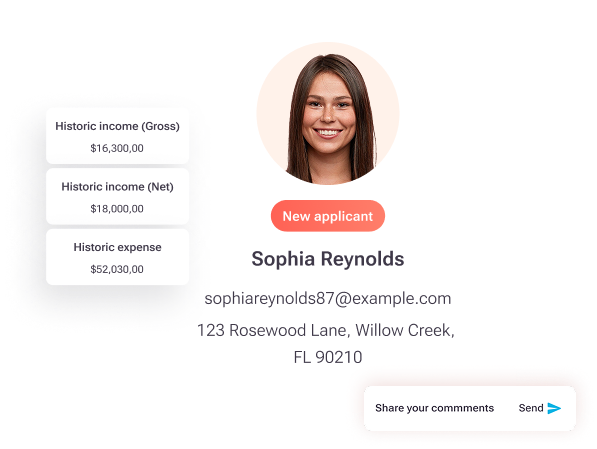
Compliance is a major concern for Florida HOAs, with overlapping federal, state, and association-specific rules to navigate. Mistakes can lead to costly legal issues. Florida communities often need detailed screening for credit, income, and rental history to meet these standards.
Integrated platforms automate compliance checks to align with Florida’s regulations. They ensure every step follows FCRA guidelines, state laws, and HOA bylaws, while keeping detailed records for audits.
These systems handle background checks, credit reviews, and income verification automatically, based on each association’s criteria. This cuts down on human error and helps avoid fair housing violations or other legal missteps.
Data security is a priority. With top-tier encryption and automatic redaction of sensitive information like Social Security numbers, these platforms protect applicant data and lower the risk of breaches that could lead to penalties or lawsuits.
Without automation, a single oversight in screening or data handling could cost an HOA thousands in fees or damage its reputation. Integrated tools offer a safeguard with built-in checks and secure processes.
3. Boost Transparency and Board Oversight with QuickApprove
HOA Board Members often find it hard to stay updated on screening progress with traditional methods. Limited access to information slows down decisions and creates frustration for everyone.
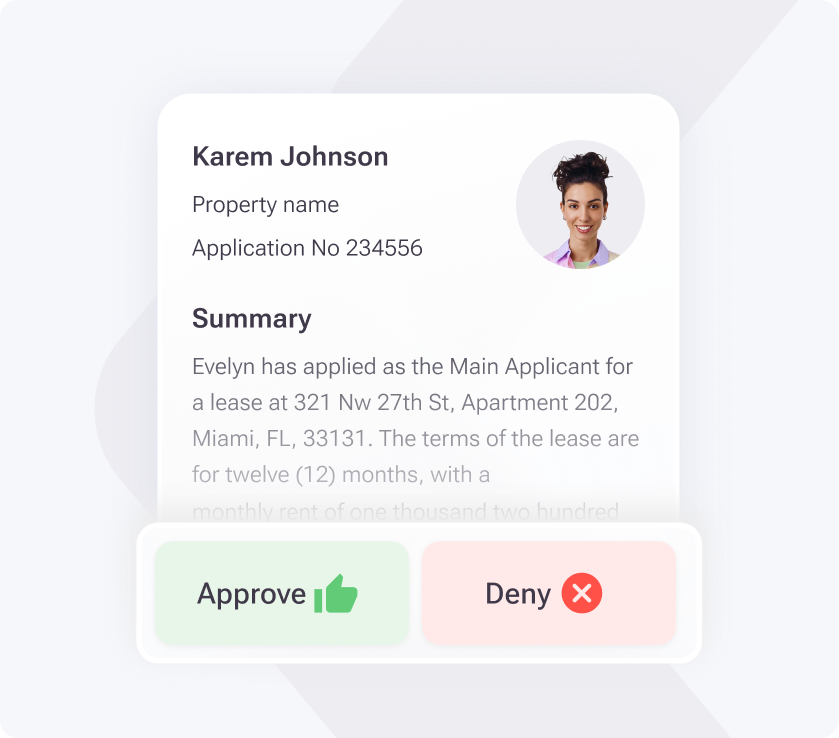
Tools like TenantEvaluation’s QuickApprove dashboard change this by giving Board Members real-time access to application details and voting options. Everything is centralized online, replacing cumbersome email threads or paper files.
The dashboard offers concise summaries of applicant data and screening results, highlighting key points for quick review. Board Members can make informed decisions without sifting through endless documents.
Voting happens directly in the platform, with every action logged for accountability. This clarity speeds up approvals and keeps a record of decisions for future reference.
In a typical Florida HOA, approvals that once took days or weeks can now be finalized in hours. Board Members review and vote from anywhere, improving efficiency and applicant satisfaction.
4. Automate Document Handling with Enhanced Security
Handling documents manually is a weak point in traditional HOA screening. Manual tracking often leads to inconsistent records and higher error rates.
Integrated platforms use smart automation to manage documents. They ensure all required files are submitted before an application can proceed, reducing delays from missing information.
These systems go further by verifying IDs automatically, cutting the risk of fraud. CAMs no longer need to manually check documents, which saves time and adds a layer of protection.
Sensitive data, like bank account numbers, is automatically redacted from uploaded files. This step is critical for privacy compliance and shields HOAs from potential data leaks.
Secure cloud storage with strict access controls keeps documents safe and accessible only to authorized users. Every action is tracked, creating a clear audit trail for compliance purposes.

5. Improve Communication and Applicant Experience
Communication gaps frustrate applicants and burden CAMs with endless status inquiries in traditional screening setups. Delays and unclear updates often sour the process for everyone.
Integrated platforms fix this with automated notifications that keep applicants in the loop on their progress. Automation frees up staff time by handling repetitive updates, improving service quality.
These systems support multiple languages, a key feature for Florida’s diverse population. With 24/7 AI chat assistance in various languages, applicants get help anytime they need it.
Realtors benefit from dedicated portals to track applications and submit documents for clients. This direct access builds better relationships between HOAs and real estate professionals.
Mobile-friendly interfaces let applicants complete everything from their phones. Electronic signatures remove the hassle of printing or scanning, making the process more accessible.
Fewer inquiries mean less workload for CAMs. Faster processing boosts the community’s reputation, benefiting property values and overall appeal to potential residents.
6. Gain Insights with Data and Analytics
Manual screening offers little data for understanding community trends or operational gaps. Effective tools provide actionable data to track budgets, maintenance, and resident needs.
Integrated platforms analyze resident details like age, income, and pet ownership. This helps Boards plan amenities or policies, like adding playgrounds for families or charging stations for electric vehicles.
Trends in rentals or purchases inform financial and policy decisions. Tracking application volumes or rates over time is especially useful in Florida’s dynamic housing market.
Operational data shows where screening slows down or approval rates vary. CAMs can use this to refine processes and improve efficiency with targeted changes.
Detailed compliance reports document screening activities and decisions, providing necessary records for audits or regulatory reviews to ensure accountability.
7. Save Costs and Generate Revenue
Integrated platforms deliver clear financial benefits for HOAs by cutting expenses and creating income opportunities. The impact goes well beyond basic savings.
Automation reduces CAM workload by up to 70%, slashing labor costs. One Florida management company saved $240,000 yearly after adopting such a system, showing the potential impact.
Application fees are collected automatically during submission, ensuring no payments are missed. Some platforms also share a portion of fees with HOAs, adding to revenue.
Strong compliance and security features lower the risk of legal fees or fines. Protecting against data breaches or violations saves significant potential costs.
Faster processing means units are occupied sooner, reducing vacancies. In Florida’s competitive market, this directly boosts rental or sale income for associations.
Schedule a demo today to learn how TenantEvaluation can help your HOA save money and increase revenue.
|
Process Aspect |
Manual Screening |
Integrated Platform |
Benefit |
|
Application Processing |
3-5 days average |
Same day completion |
70% time reduction |
|
Document Security |
Paper files, basic storage |
Top encryption, auto-redaction |
Lowered breach risk |
|
Board Oversight |
Email chains, paper files |
Real-time dashboard voting |
Clear visibility |
|
Compliance Tracking |
Manual records |
Automated monitoring |
Reduced legal risks |
Common Questions About HOA Compliance Platforms
How Do These Platforms Address Florida’s Unique Regulations?
Integrated platforms are built to adapt to Florida’s specific rules and HOA bylaws. They handle credit score minimums, income checks, and state landlord-tenant laws, while staying updated on legislative changes. Unique requirements like hurricane policies or condo conversions are also supported.
Do They Work with Existing Property Management Tools?
Yes, many platforms offer API integration to connect with systems like Buildium or AppFolio. This creates a unified setup, reducing duplicate work and ensuring screening data flows into other management functions like resident records or fee tracking.
What Protects Applicant Data on These Platforms?
Robust security includes full encryption, automatic redaction of sensitive details, and strict access controls. Regular audits, multi-factor authentication, and secure cloud storage ensure data privacy and compliance with regulations.
How Do Platforms Engage HOA Board Members?
Tools like QuickApprove provide dashboards for Board Members to review applications, see summaries, and vote in real time. This direct access eliminates delays and logs all actions for transparency and accountability.
What Financial Benefits Can HOAs Expect?
HOAs often save on labor with automated tasks, reduce vacancies with faster processing, lower legal risks, and gain revenue from fee collection. Many report annual savings between $100,000 and $300,000, depending on size and prior inefficiencies.
Conclusion: Modernizing HOA Management in Florida
Moving to an integrated HOA compliance platform is a practical step for Florida associations facing complex regulations and operational challenges. The benefits outlined here, like streamlined applications, strong compliance, and cost savings, directly address the issues of manual processes.
Automated tracking of Certificates of Insurance simplifies compliance across HOA operations. This kind of technology frees up CAMs to focus on community value rather than paperwork.
Reducing compliance risks stands out as a major advantage. Built-in safeguards and audit records protect against legal or regulatory issues that could strain association budgets.
Efficiency gains help applicants, realtors, CAMs, and Board Members alike. Faster, clearer processes improve experiences and equip Boards with tools for better decision-making.
Data insights allow HOAs to plan based on real resident trends, supporting smarter policies and amenities. Financially, these platforms offer savings and revenue potential, making them a worthwhile investment.
For Florida HOAs aiming to improve service and compliance, adopting an integrated platform is a clear next step. The focus shifts to choosing the right system for your community’s needs.
Schedule a demo today with TenantEvaluation to enhance your HOA’s screening and compliance processes.
