
Key Takeaways
- Florida HOAs that rely on disconnected tools and manual workflows face higher risks of errors, delays, and non-compliance with state statutes.
- Integrated accounting and compliance systems create a single source of truth for finances, reporting, and documentation tailored to Florida requirements.
- Key benefits include better financial accuracy, automated compliance tracking, improved efficiency, and clearer communication with owners and boards.
- Successful adoption requires a structured approach that covers needs assessment, solution selection, data migration, and ongoing training.
- Tenant Evaluation supports Florida communities with tools that streamline applications and strengthen compliance processes; get started with Tenant Evaluation to modernize your HOA workflows.
The Problem: The Hidden Costs of Disconnected HOA Accounting and Compliance in Florida
Florida HOAs and condominium associations often manage accounting and compliance through a mix of software, spreadsheets, and paper files. This fragmented approach increases workload and introduces avoidable risk.
Property managers and boards move between separate tools for budgeting, assessments, vendor payments, and reporting. Each extra handoff creates opportunities for missing entries, inconsistent data, and version conflicts. Over time, these issues weaken financial accuracy and make audits more difficult.
Regulatory exposure creates even greater concern. Florida Condominium Act Chapter 718 and Homeowners’ Association Act Chapter 720 set detailed rules for financial reporting, reserves, and disclosures. Disconnected systems make it harder to prove compliance, maintain audit trails, and meet filing deadlines.
When errors or gaps appear, communities may face fines, owner disputes, and reputational damage. Board members and officers can face personal exposure if records show negligence or failure to meet statutory requirements.
Florida HOA management carries real complexity. Schedule a demo with Tenant Evaluation to see how centralized workflows support compliance and reduce manual effort.
The Solution: Integrated Systems for HOA Accounting and Compliance
An integrated platform replaces scattered tools with one connected system for accounting and compliance. All financial, operational, and reporting data flows through a shared database.
Core functions usually include:
- General ledger and chart of accounts
- Assessment billing, collection, and delinquency tracking
- Vendor invoices, payments, and approvals
- Financial statements and custom reports
- Compliance calendars, tasks, and documentation
Each transaction updates related records automatically. The system reduces duplicate entry, improves reconciliation, and keeps financial statements aligned with daily activity.
Florida communities gain specific value when the platform supports state rules. Configurable workflows can track statutory deadlines, retain documents for audits, and generate reports in formats that match Florida requirements.
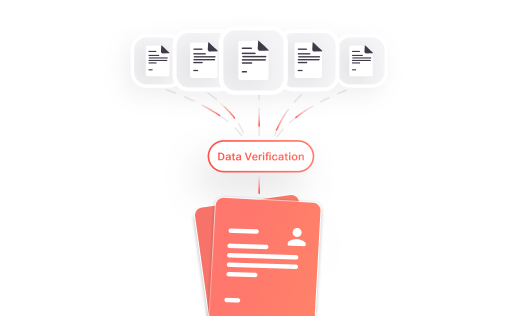
Boards gain real-time visibility into cash flow, reserves, and variances, instead of waiting for manually prepared monthly packets. This view supports more informed decisions about maintenance projects, fee changes, and long-term planning.
Key Benefits of an Integrated HOA Accounting and Compliance Solution for Florida Communities
Better Financial Accuracy and Clearer Records
Accurate books start with consistent data entry and reliable workflows. Integrated systems route assessments, late fees, and vendor payments directly into the general ledger. This connection lowers the risk of missed or duplicated transactions.
Dashboards show current balances, budget performance, and reserve funding in a format that boards can understand quickly. Detailed audit trails and automated reconciliations simplify annual reviews and outside audits.
More Reliable Regulatory Compliance
Compliance improves when key tasks sit in one place instead of on personal calendars or paper notes. Integrated systems can maintain schedules for filing deadlines, meeting notices, and required disclosures under Chapters 718 and 720.
Automated reminders help boards complete reserve reviews, update budgets, and prepare annual statements on time. Centralized records also make it easier to respond to owner record requests and regulator inquiries with consistent documentation.
Higher Efficiency and Lower Administrative Costs
Consolidated workflows reduce repetitive manual tasks. Monthly statements, delinquency lists, and standard reports can generate in minutes instead of hours. Staff can then focus on resolving issues, supporting residents, and planning projects.
Many communities that moved away from fragmented systems report fewer late fees, lower audit costs, and noticeable reductions in staff hours dedicated to basic processing. Over a year, those savings help offset platform costs.
Stronger Communication with Owners and Boards
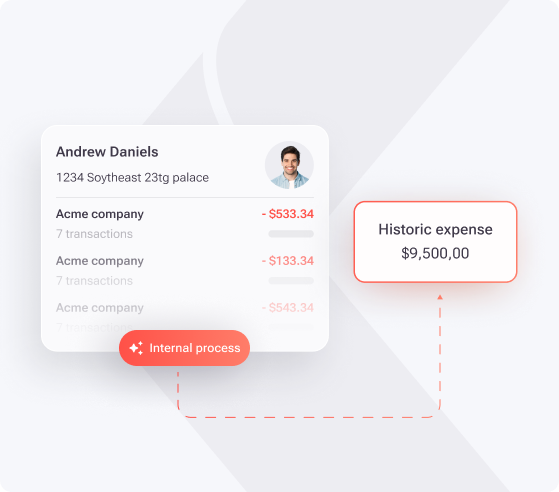
Integrated platforms often include owner and board portals. These tools give residents access to balances, payment options, and selected financial documents without extra staff effort.
Clear, consistent reports improve discussions at board and annual meetings. When everyone reviews the same current data, conversations shift from debating numbers to deciding priorities.
Tenant Evaluation also supports associations with application screening and income verification that align with association rules. Schedule a Tenant Evaluation demo to see how application and compliance tools work together.
Implementing an Integrated System: Steps and Considerations for Florida HOAs
Reviewing Current Processes and Gaps
Effective implementation starts with a clear picture of current operations. Boards and managers can map how assessments, payables, bank reconciliations, and compliance tasks happen today.
Key items to document include:
- Software currently in use and any manual spreadsheets or paper files
- Time spent each month on accounting and compliance tasks
- Issues raised by auditors, owners, or prior boards
- Requirements in governing documents that affect reserves, approvals, or disclosures
This baseline helps define requirements for a new system and supports a realistic return-on-investment discussion.
Selecting a System That Fits Florida HOA Needs
Solution selection should focus on platforms that understand Florida association rules. Helpful features include:
- Support for Chapters 718 and 720 requirements
- Reserve tracking that aligns with Florida expectations
- Configurable reporting that reflects state and association standards
- Role-based access for managers, board members, and owners
Vendor stability, training resources, and support quality matter as much as features. References from other Florida communities can provide insight into real-world performance.
|
Feature/Aspect |
Manual/Disparate Systems (Florida HOA Context) |
Integrated Accounting and Compliance System (Florida HOA Context) |
|
Data Entry |
Frequent manual input, higher error risk, duplicate work, manual checks against Florida requirements. |
Single-point entry, automated updates, fewer errors, consistent categories for reporting. |
|
Compliance Management |
Individual reminders, spreadsheets, and paper files; higher chance of missed deadlines. |
Central calendar, task tracking, and audit trails that support Florida statutes. |
|
Financial Reporting |
Slow report preparation, limited real-time insight, extra work for Florida-required formats. |
Real-time, configurable reports tailored to association and statutory needs. |
|
Operational Efficiency |
Heavy administrative workload and slower collection and approval processes. |
Streamlined workflows that reduce steps and shorten processing times. |
Managing Data Migration and Training
Data migration requires careful planning. Communities typically need to move owner lists, prior balances, vendor records, and historical transactions into the new system.
A structured migration plan should include data mapping, test imports, and reconciliation to bank statements and prior reports. Boards should reserve time for review before going live.

Training completes the transition. Managers, accountants, and board members should receive role-based instruction focused on daily tasks, Florida-specific reports, and simple troubleshooting.
Tenant Evaluation supports this shift on the application and screening side. Get started with Tenant Evaluation to connect applicant review with your broader compliance workflow.
Frequently Asked Questions
What are the main benefits of integrating HOA accounting and compliance functions in Florida?
Florida HOAs gain fewer manual errors, lower administrative workload, and more consistent compliance with state rules. Boards also gain clearer insight into reserves, delinquencies, and overall financial health.
How does an integrated system support Florida HOA regulations?
Well-designed platforms include tools to track critical deadlines, retain required records, and generate financial statements and disclosures in formats that align with Florida law. Centralized data makes it easier to document compliance with reserve, reporting, and notice obligations.
Do smaller Florida HOAs benefit from integrated systems?
Smaller associations still benefit from better accuracy, fewer late or missed filings, and simplified reporting. Even a modest reduction in errors or penalties can offset the cost of a right-sized system.
What challenges should boards expect during implementation?
Common challenges include data cleanup, learning new workflows, and adjusting habits formed around legacy tools. Clear communication, vendor support, and phased rollout can reduce disruption.
When do Florida HOAs usually see a return on investment?
Many communities see time savings within a few billing cycles and measurable financial benefits within the first year, driven by fewer penalties, lower audit effort, and more efficient collections.
Conclusion: Integrated Management for Stronger Florida HOAs in 2026
Florida HOAs that rely on fragmented tools face growing pressure from complex regulations and rising owner expectations. Integrated accounting and compliance systems offer a practical way to reduce risk, save time, and maintain clearer, more accurate records.
Communities that adopt integrated tools position themselves for more stable finances, smoother audits, and more productive board and owner communication. These gains help boards focus on long-term planning instead of constant problem-solving.
Tenant Evaluation fits into this picture by simplifying application review and compliance checks for Florida communities. Schedule a Tenant Evaluation demo today to support a more organized, compliant, and efficient HOA operation in 2026 and beyond.