
HOA rental approvals in Florida can feel like a maze of paperwork and delays. This article cuts through the complexity with seven practical strategies to make your process faster, clearer, and more efficient for everyone involved: board members, applicants, and property owners alike.
Why Your HOA Rental Approval Process Matters in Florida
Florida HOAs face unique challenges in managing rental approvals. Slow, outdated systems lead to delayed occupancy, frustrated applicants, and even legal risks. These issues don’t just slow down individual rentals, they can harm community satisfaction and property values over time.
When approvals drag on due to missing documents or unclear rules, tenants often walk away. Property owners lose income, and real estate agents hesitate to work with HOAs known for red tape. This shrinks the pool of quality applicants and affects the marketability of your community.
Updating your approach brings real advantages. A streamlined process cuts administrative work, reduces legal exposure, and keeps stakeholders happy. Digital tools can speed up approvals, ensure consistent document handling, and provide clear updates, leading to faster move-ins and a better reputation among real estate pros.
Florida’s specific laws on fair housing, privacy, and HOA governance add extra layers to navigate. Ignoring these can invite costly lawsuits or fines. Yet, with the right practices and technology, your approval process can become a strength, drawing in reliable tenants while protecting your community’s interests.
7 Practical Steps to Enhance Your HOA Rental Approval Process
1. Move to a Digital Application System for Simplicity
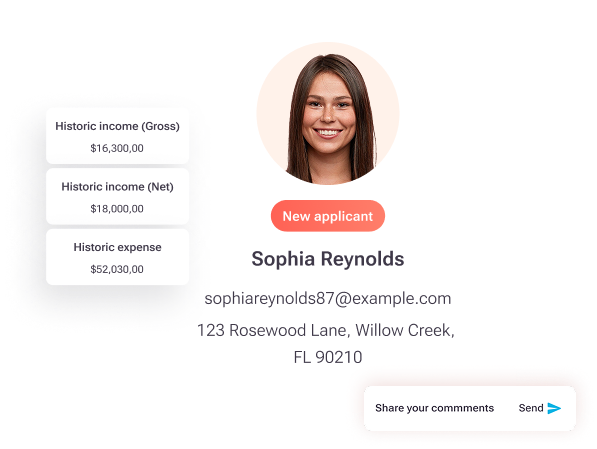
Switching from paper to an online application system is a game-changer. Digital platforms cut out delays and mistakes, offering round-the-clock access for applicants, owners, and agents. This eases the workload for managers and board members while creating a smoother experience for everyone.
Smart digital forms adjust based on specific needs, like showing different requirements for tenants or buyers. They only collect what’s necessary, staying aligned with your HOA’s rules. Plus, they flag missing items before submission, avoiding the usual back-and-forth over incomplete applications.
Digitization saves time and boosts data quality. Managers get clean, searchable information instead of messy handwriting or scattered emails. Some platforms even validate details instantly, like checking email formats or phone numbers, making the review process much easier.
2. Establish Clear Communication with All Stakeholders
Good communication is key to avoiding confusion in rental approvals. Providing clear information to applicants, owners, agents, and board members cuts down on questions, calls, and misunderstandings that slow things down.
Start with simple checklists that spell out required documents, criteria, and timelines in plain language. Make these easy to find. Unclear or delayed access to HOA documents often creates major holdups in approvals, so transparency is essential.
Automated updates also help. Systems can notify applicants when their form is received, if more documents are needed, or when a decision is made. This keeps everyone in the loop without constant follow-ups. A central online hub with rules, FAQs, and policies furthers this by ensuring everyone has the same accurate information.
3. Use Thorough, FCRA-Compliant Background Checks
A solid background check process protects your community while meeting legal standards. Many HOAs need detailed tenant screening, covering criminal records, evictions, credit history, and income verification to uphold standards and limit risks.
Following FCRA rules isn’t optional. It ensures proper disclosures, notices, and timing in screening. Checks should include national criminal searches, sex offender registries, eviction records, credit reports, and employment history. In Florida’s diverse communities, global screening options are often necessary.
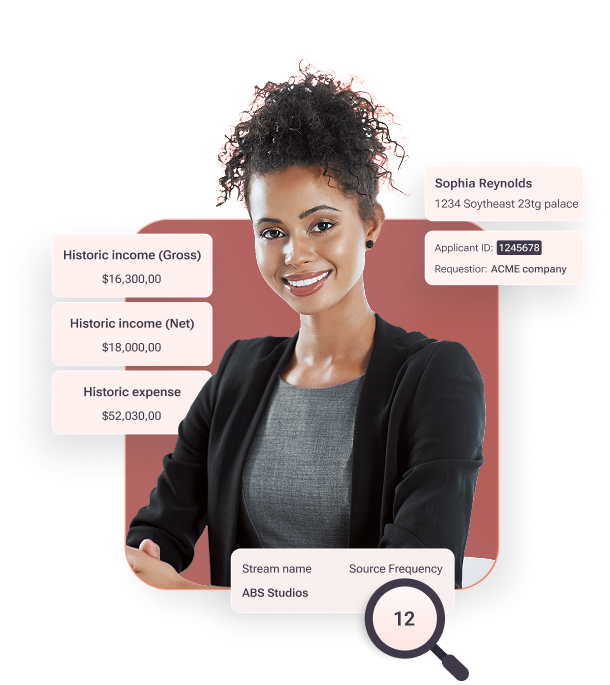
Income checks go beyond pay stubs, verifying through employers, bank statements, or tax records for self-employed applicants. This depth helps spot financial red flags early. Clear, consistent screening rules are vital to avoid bias claims and ensure fairness across all applications.
4. Centralize Documents with Strong Security Measures
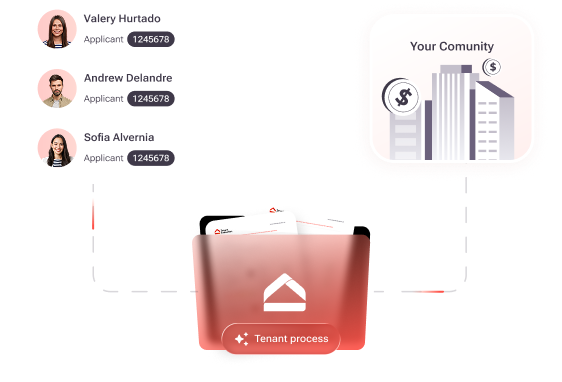
A secure, digital storage system for application documents solves issues of organization and safety. Unlike paper files, online platforms protect sensitive data and make reviews quicker for managers and boards.
Advanced systems automatically hide personal details like Social Security numbers from uploaded files. This shields applicants and your HOA from breaches while letting reviewers see only what they need. High-level encryption and compliance standards offer better security than paper or basic digital options ever could.
Collecting lease agreements and proof of insurance securely is critical during approvals. Centralized systems ensure everything is gathered upfront, avoiding compliance gaps. They also log every access or change, creating a clear record for audits or disputes.
Schedule a demo today to see how TenantEvaluation can simplify applications and strengthen security for your HOA.
5.Equip Board Members with Easy Review and Voting Tools
Board involvement often slows approvals due to scheduling issues or lack of clear information. Traditional methods like emails or in-person meetings waste time and frustrate everyone waiting on decisions.
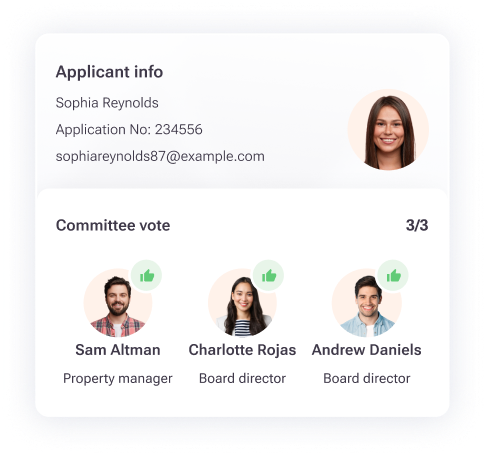
Digital tools offer boards user-friendly dashboards with summarized applicant data, like credit scores or background results. This cuts through lengthy files for quicker, well-informed choices. Remote voting options mean no waiting for meetings, while real-time tracking keeps the process moving.
Full transparency through activity logs shows who reviewed what and when, along with votes and comments. This protects the board and HOA by proving decisions followed set rules, not personal opinions. Inefficient tools often cause delays and unclear decision-making in boards, but modern platforms fix these gaps.
6. Keep Governing Documents Current and Compliant
Outdated HOA rules create legal risks and enforcement headaches. Regularly updating your bylaws, CC&Rs, and rental policies keeps your authority clear and adapts to Florida’s changing laws and community needs.
Legal guidance is necessary to ensure updates comply with laws and avoid loopholes in rental policies. Focus on specifics like lease lengths, screening rules, and short-term rental limits, especially with Florida’s evolving vacation rental regulations.
Enforcement must be consistent. Boards need to apply restrictions fairly across all cases. Updating documents also means following proper steps, like notifying residents and securing votes. Engaging the community early with clear explanations boosts participation and support for changes.
7. Add Revenue and Savings to Your Approval Process
Your rental approval system can do more than just process applications, it can save money and even generate income. Modern tools automate fee collection, cut staff workload, and introduce financial benefits many HOAs miss.
Digital payment systems handle fees instantly, ensuring no payment slips through and keeping clear records. This saves time and improves cash flow. Some platforms also share revenue, where service fees are split with the HOA, turning a cost into a gain.
Savings go beyond fees. Automation reduces errors that could lead to lawsuits or delays, helping maintain full occupancy. A smoother process also builds a positive reputation, supporting property values across your community.
Manual vs. Automated HOA Rental Approvals: Side by Side
|
Feature |
Manual Process |
Automated Platform |
Impact |
|
Application Submission |
Paper, email, in-person |
Fully online, smart forms |
Anytime access, fewer errors |
|
Background Screening |
Separate tools, legal risks |
Integrated, FCRA-compliant |
Better compliance, quicker results |
|
Board Approval |
Emails, meetings, delays |
Dashboard, online voting |
Halves decision time |
|
Administrative Work |
Heavy manual tasks |
Automated steps, updates |
Cuts processing time by 70% |
Schedule a demo today to explore how TenantEvaluation’s tools can upgrade your HOA rental approvals with automation and compliance features.
Common Questions on Improving HOA Rental Approvals
How Can HOAs Stay Compliant with Florida Laws?
Compliance starts with regularly updating governing documents to match Florida regulations. HOAs should work with legal counsel yearly to review rental policies and screening practices, ensuring they meet fair housing and FCRA standards.
Using platforms tailored to Florida’s rules adds protection. These tools build in required disclosures and secure data handling, reducing the risk of errors. Consistent application of criteria and detailed record-keeping further safeguard against legal challenges.
What Benefits Come from Digitizing Rental Applications?
For HOAs, going digital slashes administrative tasks by automating document checks and follow-ups. It speeds up approvals, cuts vacancy times, and can even generate revenue through fee systems. It also boosts your community’s appeal to agents and applicants.
For applicants, online systems mean 24/7 access and easy uploads from any device. Automatic updates keep them informed without extra effort, while clear guidelines reduce confusion, speeding up the entire process.
How Can HOAs Speed Up Board Approval Delays?
Boards slow down when information isn’t clear or accessible. Digital dashboards summarize key applicant details for quick review, letting members make decisions without sifting through piles of data.
Online voting removes the need for meetings, and deadline alerts prevent stalled applications. Setting clear rules and allowing staff to handle routine approvals also cuts delays, reserving board input for complex cases.
What Security Should HOAs Prioritize in Digital Systems?
Security is non-negotiable with sensitive applicant data. Choose platforms with top-tier compliance standards and encryption to protect information in transit and storage. Automatic redaction of personal details limits exposure during reviews.
Track access with logs and use strong authentication for admin accounts. Regular security checks by third parties help spot weaknesses early, keeping your system safe from breaches.
How Do HOAs Calculate Returns on Upgrading Approvals?
Measure savings by tracking staff hours freed from manual tasks, often 40-50 weekly. Faster approvals boost occupancy and fee collection, directly aiding finances. Revenue-sharing setups with platforms can add income.
Factor in reduced legal risks from better compliance and security. Stakeholder feedback also shows improved satisfaction, which can enhance your community’s reputation and property values over time.
Wrapping Up: Efficient Approvals Are the Future for HOAs
Shifting from old-school, paper-heavy approvals to digital systems isn’t just an upgrade, it’s a smart move for your community’s success. Sticking with outdated methods piles on costs, risks, and frustration, while falling behind in attracting quality tenants.
These seven strategies offer a clear path forward. Digitizing applications, improving communication, securing data, and equipping boards with tools create a system that works for everyone. HOAs adopting these changes see faster processing, lower costs, and happier stakeholders.
Efficient systems provide constant access, clear rules, and quicker approvals, setting your HOA apart. Investing in modern solutions now means long-term gains in security, satisfaction, and financial health.
Ready to improve your HOA’s rental approvals? Schedule a demo today with TenantEvaluation to learn how we can streamline your process and strengthen compliance.