
Key Takeaways
- Rental scams in Florida surged in 2025. About 85% of landlords encountered fraud, and deepfake incidents rose 700%, so private landlord verification now matters more than ever.
- Follow a 10-step checklist: cross-reference listings, check public property records, request live video tours, and require biometric ID verification.
- Watch for red flags such as below-market rents, wire transfer demands, urgency pressure, and out-of-country landlords who avoid in-person meetings.
- Use Florida county property appraiser sites like MyFloridaCounty.com and secure payment methods to confirm ownership and avoid costly mistakes.
- Choose verified landlords through professional platforms. Get started with TenantEvaluation for secure screening and fraud protection.
Why Florida Renters Need Landlord Verification in 2026
Florida’s hot rental markets in Miami, Orlando, and Tampa create ideal conditions for scammers. High demand and limited inventory push renters to move fast and skip basic verification steps. Scammers now use AI tools like ChatGPT to generate realistic property photos, fake documents, and deepfake videos that can fool even experienced renters.
The rise of gig economy workers adds another layer of risk. About 34% of gig workers reported being defrauded by a consumer, and many do not have traditional employment verification that legitimate landlords expect.
Legitimate landlords increasingly rely on professional screening platforms like TenantEvaluation’s IDVerify. These tools verify tenant identities with biometric authentication and create a mutual trust environment that protects both renters and property owners.

10 Steps Florida Renters Can Use to Verify a Private Landlord
1. Cross-Reference Multiple Listing Platforms
Search for the same property on Zillow, Apartments.com, Craigslist, and Facebook Marketplace. Legitimate landlords usually list on more than one platform with consistent details. Treat major differences or a single-platform listing as a warning sign.
2. Verify Property Ownership Through Public Records
Use Florida’s county property appraiser websites to confirm ownership. MyFloridaCounty.com provides access to all 67 Florida counties’ property records. Search by address and confirm that the current owner matches the person claiming to be your landlord.
|
County |
Property Search Link |
Key Information Available |
|
Miami-Dade |
Property Search |
Owner names, deed history, tax records |
|
Broward |
bcpa.net |
Ownership details, valuation data |
|
Orange (Orlando) |
ocpafl.org |
Property records, exemptions |
|
Hillsborough (Tampa) |
hcpafl.org |
Tax history, ownership transfers |
3. Google Search the Landlord’s Name
Run searches like “[landlord name] + scam,” “[landlord name] + reviews,” and “[landlord name] + complaints.” Check Better Business Bureau records and local court databases for patterns of disputes, lawsuits, or fraud reports.
4. Request a Live Video Tour of the Property
Ask for a live video call where the landlord walks through the property in real time. Watch for deepfake warning signs like unnatural speech patterns or overly perfect grammar. Ask them to show specific items on demand, such as today’s newspaper or the inside of closets.
5. Require Biometric Identity Verification
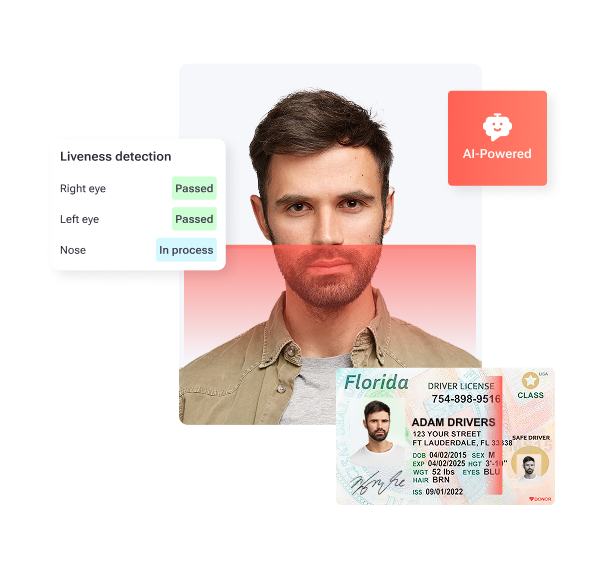
Ask the landlord to complete identity verification through a professional platform. Legitimate property managers use tools like TenantEvaluation’s IDVerify+ for AI-powered liveness detection and biometric facial matching against government IDs. This level of verification catches synthetic identities that simple document checks miss.
6. Speak With Previous Tenants or References
Request contact information for current or former tenants. Talk with them about their rental experience, how payments worked, and how quickly the landlord handled maintenance issues.
7. Review the Lease Agreement Line by Line
Legitimate landlords provide detailed, professionally drafted lease agreements. Be cautious with generic templates that skip key clauses about maintenance responsibilities, security deposits, or local compliance requirements.
8. Schedule an In-Person Property Visit
Always see the property in person before signing anything. Scammers often use photos copied from Zillow, MLS, or Google to build fake listings. Meet the landlord at the property and confirm they have keys and real access.
9. Pay Only With Secure, Traceable Methods
Avoid wire transfers, cash, or cryptocurrency. Use traceable payment methods such as certified checks or secure online platforms. Do not pay deposits before you view the property and verify ownership.
10. Prefer Landlords Using Professional Screening
Legitimate landlords often use comprehensive screening platforms that verify both tenant and landlord identities. Properties managed through platforms like TenantEvaluation provide mutual verification and create safer rental experiences for everyone involved.
Common Red Flags That Signal Fake Landlords
Recognizing early warning signs can save you thousands of dollars and weeks of stress.
- Out-of-country communication: Landlords who claim to be overseas or unable to meet in person
- Extreme urgency: Pressure to wire money immediately or risk “losing” the property
- Below-market pricing: Rent that sits far below similar properties in the same area
- Wire transfer demands: Requests for deposits via Western Union, MoneyGram, or cryptocurrency
- No-show appointments: Repeated cancellations or excuses to avoid in-person meetings
- Generic communication: Overly polished messages with perfect grammar that may indicate AI generation
- Limited contact methods: Communication only through text, email, or social media DMs
If you see these red flags, walk away and schedule a demo today to find properties with verified, professional screening.
How to Confirm a Private Landlord Is Legitimate
Key traits of a real landlord
Legitimate landlords share verifiable contact information, allow property inspections, and use professional lease agreements. They do not pressure you for instant payments. They appear as property owners in public records and usually have an established rental history.
How Zillow handles landlord verification
Zillow does not comprehensively verify landlord identities. The platform may remove obviously fraudulent listings, but renters still need to verify ownership through county records and direct communication. Always cross-reference Zillow listings with official property records.
Ways to look up private landlords online
Use county property appraiser websites, review social media profiles, check business registration databases, and search for online reviews. Professional landlords often maintain a visible digital footprint and rely on legitimate screening services.
Legitimate community association managers and boards increasingly use platforms like TenantEvaluation for background checks and identity verification. These tools support transparent onboarding processes that protect both residents and property managers.
Florida Tools and Expert Tips for Safer Rentals
Florida renters can use strong public resources for protection. The Florida Department of Revenue’s Property Tax section links to all county property appraiser websites so you can independently confirm ownership claims.
New federal rules also improve transparency. Starting March 2026, FinCEN’s Residential Real Estate Rule requires reporting for non-financed transactions involving entities or trusts. This requirement increases clarity around who truly owns a property.
As screening professionals who have processed about 100,000 applications, we see that biometric verification catches fraudulent identities that traditional document review misses. Our IDVerify system has helped more than 5,000 Florida communities prevent identity fraud with AI-powered liveness detection and facial recognition technology.
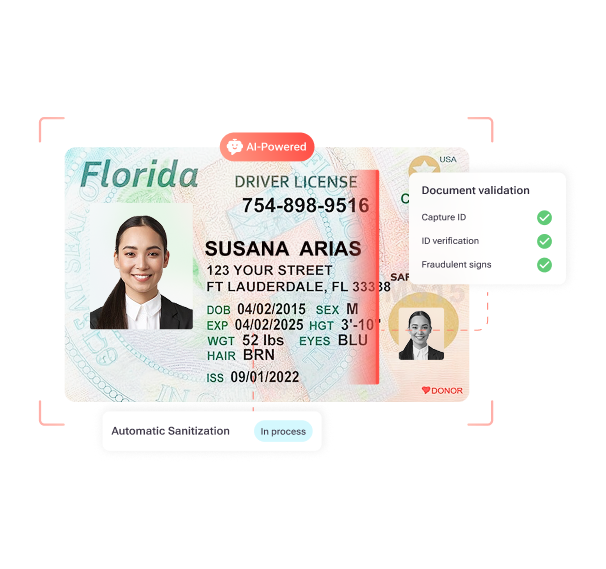
Professional property managers choose TenantEvaluation because it delivers FCRA-compliant screening with built-in fraud prevention. This combination supports safer rental environments for both landlords and tenants.
Verify first so you can move with confidence. Florida’s Community Association Managers trust TenantEvaluation for about 70% time savings and comprehensive fraud protection. Property managers, schedule a demo today to see how professional screening protects your communities and residents.
Frequently Asked Questions
How can I verify a landlord online without meeting them?
Use county property appraiser websites to confirm ownership and request a live video tour of the property. Verify their identity through professional platforms with biometric authentication and cross-check their details across several sources. Ask for references from current or former tenants and confirm any business registration if they operate as a company. Do not rely only on documents they send. Independently verify every claim through public records.
What are the biggest risks of renting from private landlords?
Private landlords sometimes lack professional screening processes, proper insurance, or a clear understanding of tenant rights laws. Major risks include identity fraud, fake listings, slow or inadequate maintenance, unclear lease terms, and legal problems if they ignore Florida landlord-tenant laws. Many private landlords still provide excellent rentals, but only after careful vetting.
What is the strongest identity verification method for rental applications?
Biometric identity verification that combines government ID validation, AI-powered liveness detection, and facial recognition offers the strongest fraud protection. This approach confirms the applicant is physically present and matches their government-issued ID. It also blocks synthetic identity fraud and impersonation attempts that traditional document review often misses.
How do I report a rental scam in Florida?
Report rental scams to the Federal Trade Commission (FTC) at ReportFraud.ftc.gov, your local police department, and the Florida Attorney General’s office. If the scam involved wire transfers, contact your bank immediately. Save all communications, screenshots of listings, and any proof of fraudulent activity so authorities can investigate and protect other renters.
Is Zillow safe for finding rental properties?
Zillow works well as a starting point, but it does not verify landlord identities or guarantee that listings are genuine. Scammers can still post fake listings using stolen photos and contact details. Always verify ownership through county records, meet landlords in person, and use secure payment methods. Cross-check Zillow listings with other platforms and official property records before you commit.