Written by: Luis Teran, Co-founder, CEO, TenantEvaluation
Key Takeaways
- Manual tenant evaluation creates delays, higher costs, and more compliance risk for Florida HOAs and condos.
- Clear written screening policies and consistent criteria help protect communities from Fair Housing and FCRA issues.
- Digital applications, automated background checks, and secure data handling shorten approval times and reduce errors.
- Board dashboards, analytics, and online payments improve oversight, transparency, and potential revenue for associations.
- Tenant Evaluation offers a Florida-focused platform that streamlines screening and approvals for HOAs and condos. Schedule a demo to see how it works for your community.
Why Streamlined Tenant Evaluation Matters for Florida HOAs & Condos
Florida associations handle a high volume of sales, leases, and renewals, and manual evaluation workflows strain staff and volunteers. Paper packets, email chains, and incomplete documentation push out approval timelines and frustrate applicants, realtors, and residents.
Compliance risk also increases when processes stay manual. Florida HOAs must secure signed consent and provide separate written disclosures before pulling credit or background reports. Handling sensitive information with paper or unsecured email raises the chance of data breaches and inconsistent decisions.
Delays and poor screening decisions can reduce rental income, weaken property values, and expose communities to Fair Housing or FCRA claims. Board members also need clear, timely information to make decisions, which manual systems struggle to provide.
Build a Solid Foundation: Compliant Screening Policies in Florida
Set Clear, Objective Screening Standards
Written screening policies give your community consistency and legal protection. Documented criteria in governing documents help ensure fair treatment and support compliance with the Fair Housing Act.
Policies should define specific disqualifying factors, including:
- Types of criminal convictions and lookback periods, such as certain felonies within seven years
- Minimum income-to-rent ratios
- Minimum credit score or credit profile standards
Clear criteria reduce subjective decisions and make expectations transparent for applicants.
Stay Current With Florida Law Changes
Florida’s rules for housing and transparency have expanded in recent years. HB 43 took effect July 1, 2025, and allows landlords and HOAs to accept reusable tenant screening reports that applicants can use for 30 days. Processes must shift to handle these reports while still verifying authenticity and completeness.
A flood disclosure law that became effective October 1, 2025, also requires landlords to give tenants clear flood disclosures. This requirement affects the documents and disclosures that associations include during evaluation.
Flexible, digital systems help communities adjust to new state requirements without rebuilding their process every time a law changes.
See how Tenant Evaluation supports Florida-specific compliance while keeping workflows simple.
Go Digital: Automate Your Tenant Evaluation Workflow
Use Online Applications to Cut Paperwork
A fully online application replaces packets, faxed forms, and scattered emails. Applicants complete forms on any device, and the system stores information in one secure location.
Smart form logic can tailor questions to the type of applicant and the specific community. Required fields and automated checks reduce incomplete submissions and rework for staff.
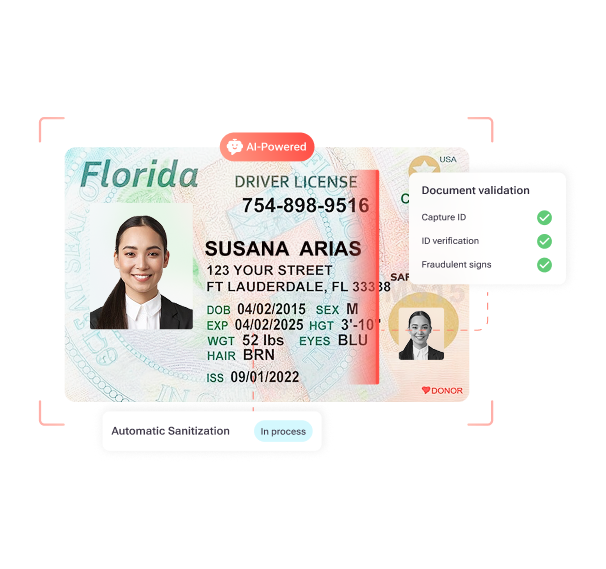
Secure upload portals, electronic signatures, and automated reminders shorten the time it takes to collect IDs, association forms, leases, and addendums. Applicants and realtors can see status updates without constant phone calls.
Improve Screening With Integrated Background and Income Checks
Effective screening depends on more than what applicants write on a form. Advanced platforms bring together:
- ID verification to confirm government-issued identification
- Income verification that checks pay information and can contact employers
- FCRA-compliant background checks that include criminal, credit, and rental history data
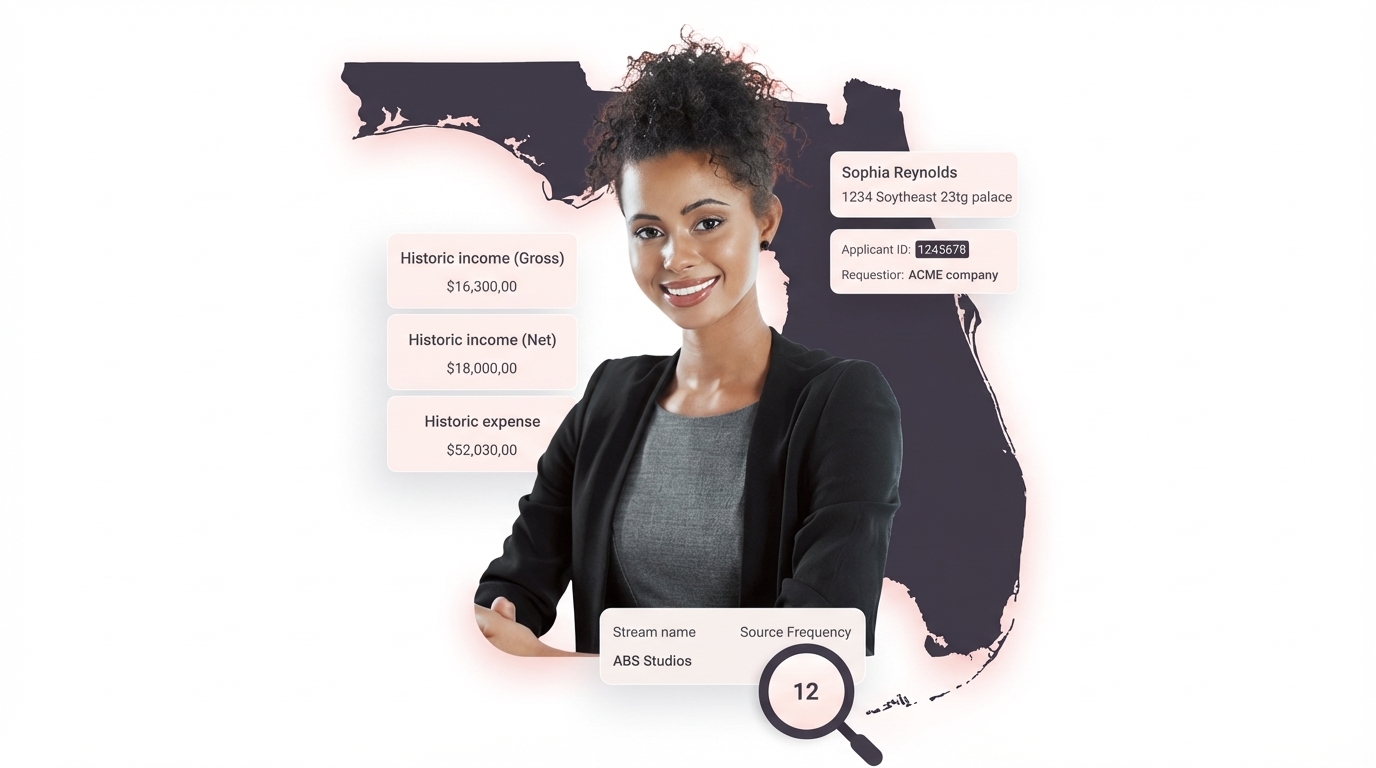
These tools create a more complete view of an applicant and help boards apply their written criteria consistently.
Protect Sensitive Data and Maintain Audit Trails
Tenant screening involves Social Security numbers, bank details, and other personal information. Modern systems protect this data with strong encryption and payment security standards such as PCI Level 1.
Automatic redaction of sensitive details from shared documents limits who can see full personal information. That protection is important for both applicants and board volunteers.
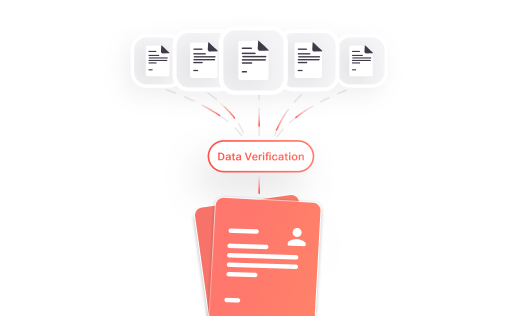
Detailed audit logs show who viewed, changed, or approved each application. These records support Fair Housing compliance and help resolve disputes.
|
Feature |
Manual Tenant Evaluation |
Automated Platform |
|
Application Processing |
Paper forms and email chains |
Online submission with real-time status |
|
Data Security |
Higher breach risk and lost files |
Encrypted storage and PCI Level 1 security |
|
Compliance Tracking |
Manual notes and files |
Built-in audit trails and logs |
|
Document Verification |
Time-consuming manual checks |
Automated and assisted verification tools |
Explore how automation can replace manual tracking in your current workflow.
Help Your Board Decide Faster With Better Oversight
Give Boards Real-Time Dashboards Instead of Email Chains
Board dashboards provide summarized reports, voting options, and status updates without exposing sensitive data. Members log in, review application summaries, and record decisions from any device.
Centralized dashboards reduce confusion about which applications are pending and who still needs to vote. Automated notifications remind members when applications need action, which shortens overall approval time.
Strengthen Communication With Applicants and Agents
Clear communication improves the experience for everyone involved. Automated emails and portal messages keep applicants, realtors, and owners informed about missing items and decisions.
Features such as multilingual support and 24/7 AI chat reduce pressure on office staff and help Florida’s diverse residents navigate the process more easily.
Increase Efficiency and Support Community Revenue
Reduce Administrative Costs Through Automation
Associations that adopt automated platforms often see major time savings. One Florida management company reported freeing roughly 50 staff hours per day and cutting processing time in half after moving to an automated system, which led to about $240,000 in annual savings.
Lower labor costs, fewer errors, and reduced legal risk all contribute to a stronger operating budget.
Use Analytics to Guide Policy and Amenity Decisions
Digital platforms can provide anonymized analytics that show:
- Applicant and resident demographics
- Lease versus purchase trends
- Pet and vehicle profiles, including electric vehicles
- Typical rent and purchase price ranges
Boards can use this information to plan amenities, update policies, and make data-informed budget choices.
Streamline Fee Collection and Create New Revenue Opportunities
Online payment tools standardize application fee collection and reduce errors in accounting. Many tenant evaluation platforms also offer revenue-sharing structures, which can create a modest income stream for associations without new upfront costs.
Automated collection and reporting simplify reconciliation and budget planning for treasurers and managers.
See how Tenant Evaluation can help your association improve both efficiency and revenue tracking.
The Future of Tenant Evaluation for Florida Communities
Digital tenant evaluation is now a practical requirement for Florida HOAs and condos in 2026. Online applications, automated screening, and secure data handling reduce administrative work, improve compliance, and support better decisions.
Communities that modernize their processes are better positioned to handle new regulations, higher applicant expectations, and increasing data security demands.
Tenant Evaluation focuses on the needs of associations and management companies, with end-to-end tools for applications, screening, board review, and reporting tailored to Florida communities. The platform has supported more than $150 million generated for communities and processes over 100,000 applications per year.
Schedule a demo to see how Tenant Evaluation can support your board, staff, and residents.
Frequently Asked Questions About Streamlining Tenant Evaluation in Florida
What is Florida HB 43 and how does it impact tenant evaluation for HOAs?
Florida HB 43 took effect on July 1, 2025, and allows HOAs and landlords to accept reusable tenant screening reports for up to 30 days. These reports include credit history, criminal background, rental history, and verification of employment and income. Communities that receive a compliant reusable report generally avoid pulling a new credit report or charging a second application fee for the same applicant within that period. HOAs still remain responsible for verifying report accuracy and may request supporting information such as proof of income or landlord references. Screening procedures should be updated so staff and boards know how to handle reusable reports while preserving their existing standards.
What are the key compliance considerations for background checks in Florida HOAs?
Florida HOAs must obtain signed consent before running any background or credit checks and must provide a clear, separate disclosure that explains what will be reviewed, in line with FCRA and state requirements. Screening policies should be in writing, applied consistently, and included in governing documents. These policies typically spell out disqualifying factors such as specified types of felony convictions within a defined timeframe, minimum income-to-rent ratios, and minimum credit standards. Associations also need reliable audit trails that show how criteria were applied and must treat similar applicants the same way to limit Fair Housing risk.
How can HOAs balance thorough vetting with efficiency in their tenant evaluation process?
HOAs balance thoroughness and speed by using a unified online platform for applications, document collection, screening, and board approvals. Intelligent forms reduce incomplete submissions, and automated redaction protects sensitive data. Integrated background and income checks perform most of the verification work in the background, which allows staff and boards to focus on reviewing results against the association’s written criteria. Board dashboards with summarized reports and voting tools eliminate long email chains and help maintain both consistency and turnaround times.
What are the risks of manual tenant evaluation processes for Florida HOAs?
Manual processes increase administrative workload, slow approvals, and create more room for mistakes in data entry and document handling. Sensitive personal information is harder to secure when it moves through email, paper files, or unencrypted storage, which raises the risk of data breaches and identity theft. Manual tracking of compliance steps and decisions is also difficult, which can create exposure under the Fair Housing Act, FCRA, or state law. These issues may lead to higher operating costs, resident dissatisfaction, and revenue loss from extended vacancies.
How do automated tenant evaluation systems improve board oversight and decision-making?
Automated systems give boards a clear view of each application through structured dashboards. Members see summarized background, credit, and income information that aligns with the association’s policy while sensitive personal data remains redacted. The system records every action and decision to create a complete audit trail. Automated notifications and remote access help boards respond faster without extra meetings. Many platforms also provide community-level analytics, which boards can use to refine policies, update rules, and plan for amenities based on actual applicant and resident trends.
