Written by: Luis Teran, Co-founder, CEO, TenantEvaluation
Key Takeaways
- HOPA exempts qualifying 55+ communities from Fair Housing Act familial status rules when they follow the 80/20 rule. At least 80% of units must have one resident who is 55 or older.
- Communities must verify age with reliable documents such as government IDs, birth certificates, or affidavits, and keep biennial surveys and organized records to protect exemption status.
- Florida 55+ condominiums must follow both federal HOPA rules and Florida Statute 760.29, including written age-restriction policies and HUD-compliant verification procedures.
- Manual verification creates delays, inconsistent decisions, and compliance risk. Automated platforms standardize workflows and can cut processing time by up to 70%.
- TenantEvaluation’s 55+ Communities Verification gives Florida CAMs a Florida-focused automation solution that streamlines age verification and ongoing HOPA documentation.
How the Housing for Older Persons Act Applies to Condominiums
The Housing for Older Persons Act of 1995 amends the Fair Housing Act and creates an exemption for qualifying age-restricted communities from familial status discrimination rules. HOPA allows 55+ communities to legally restrict occupancy based on age, as long as they meet specific federal criteria that include the 80/20 rule.
Under HUD guidance, qualifying 55+ communities must maintain at least 80 percent of occupied units with at least one resident 55 years or older. Up to 20 percent of units may house residents under 55, such as spouses, partners, or disabled adult children who cannot live independently.

80/20 Rule in 55+ Communities
The 80/20 rule serves as the core standard for HOPA compliance in condominiums. At least 80% of occupied residential units must be inhabited by at least one person who is 55 years of age or older for the community to keep its age-restricted exemption.
The following table shows how HOPA’s age-restriction framework differs from standard Fair Housing Act protections so CAMs can see where age rules apply and where they do not.
| Requirement | HOPA Standard | Fair Housing Act |
|---|---|---|
| Age Restriction | 80% units with 55+ resident | No age restrictions allowed |
| Familial Status | Exemption from protection | Protected class |
| Documentation | Biennial verification required | Not applicable |
Florida Statute Section 760.29(4)(b)3.a.-c. requires 55+ communities to keep at least 80% of occupied units with one person 55 or older, publish and follow policies that show intent to operate as 55+, and comply with HUD rules (24 C.F.R. part 100) for occupancy verification using reliable surveys and affidavits. Maintaining documentation for both the 80/20 threshold and biennial verification surveys creates ongoing administrative work, which TenantEvaluation’s platform can handle through integrated tracking and reporting.
Housing Older Persons Act Verification Process
Meeting the 80/20 threshold is only half of the compliance work. Communities must also prove they meet that standard through consistent documentation and verification procedures. HUD requires qualifying communities to maintain reliable documentation verifying resident ages and conduct regular compliance reviews. The verification process includes several moving parts that need structured management to protect HOPA exemption status.
Required Documentation Checklist for HOPA Compliance
HOPA age verification accepts government-issued IDs, driver’s licenses, birth certificates, or third-party affidavits. Communities need clear, consistent procedures for collecting, reviewing, and storing these records.

The table below groups acceptable verification documents into key categories so CAMs can build organized checklists and filing systems.
| Document Type | Examples |
|---|---|
| Government-Issued ID | Driver’s license, passport, state ID |
| Birth Documentation | Birth certificate, baptismal record |
| Third-Party Verification | Sworn affidavits, medical records |
Florida condominium associations must track state-specific statutory notices, filings, and deadlines alongside federal HOPA requirements. This dual compliance framework increases administrative complexity that automation can simplify by centralizing documents, reminders, and verification logs.
Common HOPA Compliance Challenges for Florida Condos
Understanding what documents HOPA requires is one step. Collecting, organizing, and maintaining those documents over time is where many communities run into problems. Manual verification processes create heavy operational burdens for Community Association Managers and condo boards. Common challenges include incomplete documentation, inconsistent application handling, and delays that can threaten both compliance status and revenue.
These challenges often come from fragmented workflows. Communication spreads across emails and PDFs, which forces manual follow-ups with applicants and realtors. Document review takes longer when staff lack standardized checklists, and audit-ready records are hard to maintain when files live in multiple formats and locations. Age verification documentation must be collected, organized, and maintained in audit-ready condition to protect HOPA exemption status.
TenantEvaluation’s 55+ Communities Verification addresses these issues by centralizing communication and documentation in one platform, which removes the email and PDF sprawl that drives extra follow-up work. Standardized workflows ensure every application goes through the same documentation review, which reduces inconsistencies and shortens processing time. The system also keeps audit-ready records automatically so CAMs can show compliance without manually sorting files across different locations.

Best Practices for 55+ Age Verification in Applications
Effective HOPA compliance for 55+ communities depends on building age verification into everyday application and screening workflows. Strong communities use clear procedures that align federal requirements with practical steps staff can follow on every file.
TenantEvaluation’s platform connects age verification with broader screening tools such as IDVerify for biometric identity confirmation and QuickApprove for board decision management. This setup ensures age checks happen alongside standard background screening and document collection, rather than as a separate, manual task.
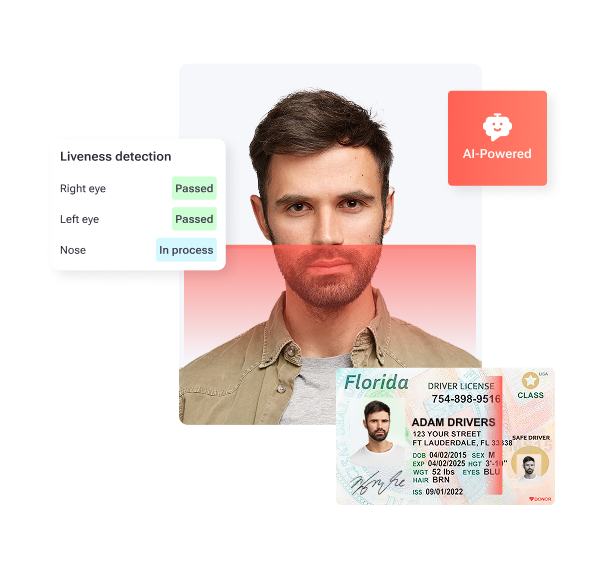
The comparison below outlines how key parts of the verification process differ when handled manually versus through TenantEvaluation’s automated workflows.
| Process Element | Manual Approach | TenantEvaluation Solution |
|---|---|---|
| Document Collection | Email exchanges, physical copies | Automated digital upload with validation |
| Age Verification | Manual review of birth certificates | Integrated ID verification with biometric confirmation |
| Compliance Tracking | Spreadsheets and filing cabinets | Automated compliance reporting and audit trails |
| Processing Time | 5-10 days average | 70% time reduction with automated workflows |
TenantEvaluation has processed over 100,000 applications annually across 5,000+ communities, generating $150 million in revenue for clients. The platform’s FCRA-compliant foundation supports proper handling of sensitive age verification data and preserves the audit trails needed for HOPA compliance. You can request a walkthrough of the 55+ verification platform to see how these workflows operate in practice.
HOPA compliance for Florida 55+ condominiums depends on structured age verification, organized documentation, and ongoing monitoring. Communities that adopt automated verification workflows can maintain 80/20 rule records and biennial survey documentation while reducing manual workload. For Florida CAMs managing both federal and state requirements, integrated platforms replace fragmented processes that increase audit risk and slow approvals.
This proven track record across thousands of communities shows the platform’s value for Florida condominium associations that face dual compliance demands. By shifting to automated verification, communities can focus more on resident services while keeping consistent, defensible documentation for HOPA exemption protection. You can start your transition to automated age verification by exploring a guided demo of TenantEvaluation’s 55+ Communities Verification.
Frequently Asked Questions
What is the 80/20 rule in 55+ communities?
The 80/20 rule requires that at least 80% of occupied units in a qualifying community have at least one resident who is 55 years or older. The remaining 20% of units may house residents under 55, including spouses, partners, or disabled adult children. This rule forms the basis of HOPA exemption and must be monitored through reliable documentation and periodic verification.
Does the Fair Housing Act apply to 55+ condominiums?
The Fair Housing Act applies to all housing, including condominiums, but HOPA creates specific exemptions from familial status discrimination for qualifying 55+ communities. These exemptions allow age-restricted condominiums to decline occupancy for families with children when they meet federal compliance requirements such as the 80/20 rule, written policies, and proper documentation procedures.
How often must HOPA verification be conducted?
HOPA requires ongoing verification procedures to maintain exemption status, though exact timing can vary by community policy. Best practices include age verification during application screening, periodic resident surveys, and regular documentation reviews. Communities should set a consistent verification schedule that supports continuous compliance while limiting unnecessary burden on residents and staff.
What are Florida-specific requirements for 55+ communities?
Florida adds state-level rules on top of federal HOPA standards. Under Section 760.29, communities must meet the federal 80/20 threshold, publish and follow age-restriction policies, and follow HUD’s verification protocols. This creates a dual compliance structure that requires tracking both federal documentation and Florida-specific notices, filings, and deadlines.
How can technology improve HOPA compliance for condominiums?
Modern screening platforms can automate age verification, document collection, and compliance tracking, which reduces manual work and improves accuracy. TenantEvaluation’s 55+ Communities Verification connects age checks with full resident screening, creating automated workflows that cut processing time by up to 70% while keeping audit-ready documentation for HOPA compliance requirements.
