Written by: Luis Teran, Co-founder, CEO, TenantEvaluation
Key Takeaways
- HOPA requires 55+ communities to meet three criteria: 80% of occupied units with at least one 55+ resident, published intent for older persons, and reliable age verification procedures.
- Florida enforces HOPA through Chapters 720 and 718, allowing adult children over 18 if paired with a 55+ resident but prohibiting permanent minors, with limited guest visits.
- Effective age verification uses government-issued IDs like birth certificates, driver’s licenses, or affidavits, with biennial surveys and secure recordkeeping to maintain compliance.
- Manual processes cause delays, fraud risks, and audit challenges, while automation streamlines documentation, fraud detection, and 80/20 rule monitoring for Florida condos.
- Schedule a demo with TenantEvaluation to automate HOPA compliance and boost efficiency for your 55+ community.
HOPA Requirements for 55+ Condos: The 3 Must-Meet Criteria
HOPA establishes three mandatory criteria that 55+ communities must satisfy to maintain their housing-for-older-persons exemption. Each criterion covers a different area of compliance, including occupancy ratios, community intent, and age verification procedures.
1. The 80/20 Rule
HOPA’s 80/20 rule requires that at least 80% of a 55+ community’s occupied residential units be inhabited by at least one person aged 55 years or older to ensure the primary population consists of older adults. This calculation applies to occupied units only, not total inventory. The table below shows how the 80% threshold scales as communities grow, and how many units can legally house residents under 55.
| Community Size | Min. 55+ Units Needed (80%) | Example: 100 Units | 20% Flexibility |
|---|---|---|---|
| 50 units | 40 | 40/50 | 10 units under 55 |
| 100 units | 80 | 80/100 | 20 units under 55 |
| 200 units | 160 | 160/200 | 40 units under 55 |
2. Published Intent
Under HOPA, the community must be intended and operated for occupancy by persons 55 years of age or older. Communities show this intent through governing documents, policies, marketing materials, and consistent day-to-day practices.

HOPA Rules in Florida: State Bylaws and Enforcement
Florida builds on federal HOPA rules with state statutes and enforcement that add specific responsibilities for Community Association Managers. Under Florida Statutes Section 760.29(4)(b)3.a., housing intended and operated for occupancy by persons 55 years of age or older requires that at least 80 percent of the occupied units are occupied by at least one person 55 years of age or older.
Florida-Specific Requirements:
- Florida 55+ communities must qualify as “Housing for Older Persons” by being intended and operated for persons 55+ per federal law, but state registration and biennial certification requirements have been eliminated.
- The Florida Commission on Human Relations provides information and oversight related to 55+ communities.
- Chapter 720 (HOA) and Chapter 718 (Condo) statutes require specific documentation and governance procedures.
Adult Children and Guest Policies:
Under HOPA, minors under 18 (or sometimes 19) cannot live as permanent residents in Florida 55+ communities, with individual communities setting their own age cutoff policies within the HOPA framework. Florida 55+ communities generally allow children and grandchildren to visit for limited periods of 15 to 30 days per year but prohibit minors under 18 or 19 from permanent residency.
Adult children over 18 can live in a 55+ community when at least one household member is 55 or older and qualifies under HOPA. This arrangement must still preserve the community’s 80% occupancy threshold for households with a qualifying 55+ resident.
Age Verification for 55+ Condos: Documents and Day-to-Day Procedures
Effective age verification protects a community’s HOPA exemption and keeps enforcement reviews straightforward. Age verification documentation in 55+ communities must be collected, organized, and maintained in auditable condition to demonstrate HOPA compliance on demand and protect the community’s exemption status.
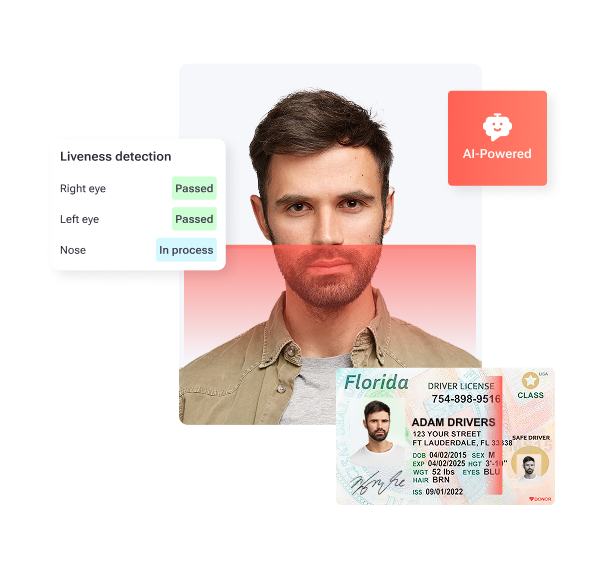
Required Documentation Checklist:
- Government-issued birth certificates for residents claiming 55+ status
- Driver’s licenses or state identification cards with visible birth dates
- Passports or military identification that confirm age
- Third-party affidavits when primary documents are unavailable or incomplete
- Spouse age verification for households with mixed ages
Verification Procedures:
- Initial application review and document collection for every new household
- Biennial occupancy surveys and audits to confirm ongoing eligibility
- New resident onboarding verification when ownership or tenancy changes
- Guest registration and monitoring systems for longer stays
- Recordkeeping with secure storage and fast retrieval capabilities
Age-restricted communities under the Housing for Older Persons Act (HOPA) must verify that at least one occupant meets the 55+ age requirement and maintain records to preserve exemption eligibility. A common pitfall in selling 55+ community homes is waiting to order the HOA resale packet, which includes age-verification documents and often delays buyer reviews and lender approvals.
Challenges Meeting HOPA Requirements for 55+ Condos
Manual verification processes create operational bottlenecks and compliance risks for Florida Community Association Managers handling growing 55+ portfolios. These challenges often compound each other and strain staff capacity.
- Manual Review Delays: Email-based document collection and PDF reviews slow application processing and create communication gaps.
- Inconsistent Documentation: Varying document quality and completeness across applicants leads to incomplete verification records.
- Fraud Detection Limitations: Traditional document review cannot reliably identify altered or fraudulent identification.
- Scaling Difficulties: Growing Florida 55+ condo markets overwhelm manual processes and increase administrative burden.
- Audit Preparation: Fragmented recordkeeping complicates compliance demonstrations during enforcement reviews.
These operational challenges expose communities to HOPA exemption loss, Fair Housing Act litigation, and regulatory penalties. See how automation eliminates these compliance risks as TenantEvaluation addresses these pain points through automated workflows and standardized documentation.
Best Practices for the 80/20 Rule and Age Verification
Best practices help Community Association Managers turn complex HOPA rules into repeatable daily processes. Under the Housing for Older Persons Act (HOPA), 55+ active adult communities must proactively administer 80% occupancy verification, age certification procedures, resident surveys, and published policies and procedures to maintain their legal exemption from federal fair housing laws prohibiting familial status discrimination.
Governance Best Practices:
Start by establishing clear age verification policies in your governing documents, since these policies create the legal foundation for every compliance activity. Once policies are in place, implement biennial occupancy surveys and compliance audits so you can monitor your 80/20 ratio on a regular schedule. Support these efforts by maintaining a current resident database that tracks age verification status for each unit and allows quick reporting. Document all verification procedures and any exceptions to build an audit trail that shows consistent application of your rules. Finally, train staff on HOPA requirements and Florida-specific regulations so they can follow procedures accurately and respond to resident questions with confidence.
Technology Solutions for Efficient Compliance:
Technology helps communities apply these governance practices at scale and with fewer errors. TenantEvaluation’s 55+ Communities Verification reduces manual work and standardizes application handling for Florida condos and HOAs. Built specifically for Community Association Managers, the platform supports documentation consistency and improves operational efficiency through automated workflows. Key features include QuickApprove for board oversight and IDVerify for biometric identity verification.

With 5,000+ communities served and $150 million generated for associations, TenantEvaluation maintains a 4.8/5 Google rating while processing 100,000+ applications annually. Unlike competitors such as ApplyCheck or Verify Screening Solutions that rely on manual TazWorks platforms, TenantEvaluation provides native automation designed specifically for Florida association workflows.
Comparison: TenantEvaluation vs. Manual Processes
- Processing Time: 5–10 minutes vs. 5–10 days
- Documentation: Automated collection and review vs. fragmented email exchanges
- Compliance: Built-in audit trails vs. manual recordkeeping
- Fraud Prevention: Biometric verification vs. document-only review
Explore TenantEvaluation’s FCRA-compliant platform to see how it streamlines 55+ community verification while strengthening internal processes for Florida associations.
Conclusion
HOPA compliance for 55+ condos depends on consistent attention to the 80/20 rule, clear published intent, and reliable age verification procedures. Florida’s additional state requirements and enforcement mechanisms create a complex environment that manual processes often fail to manage well. TenantEvaluation’s 55+ Communities Verification provides Florida Community Association Managers with tools for risk-aware HOPA handling through automated workflows and standardized documentation. Get started with automated HOPA compliance and see how the platform supports operational efficiency while maintaining compliance standards.
HOPA Requirements FAQ
What is the 80/20 rule in a 55 plus community?
The 80/20 rule requires that at least 80% of occupied units in a 55+ community have at least one resident aged 55 or older. This federal requirement under HOPA allows up to 20% of units to house residents under 55, providing flexibility while maintaining the community’s age-restricted character. The calculation applies only to occupied units, not total inventory.
What qualifies for HOPA exemption in Florida?
Florida 55+ communities qualify for HOPA exemption by maintaining the required 80% occupancy by residents 55+, publishing policies that show intent to serve older adults, and implementing reliable age verification procedures. Communities must also follow Florida statutes that govern documentation standards in governing documents and marketing materials.
Can an adult child live in a 55+ community?
Adult children over 18 can live in 55+ communities if accompanied by a qualifying resident aged 55 or older, as long as the community maintains its required 80% occupancy threshold. For complete details on minor visitation policies and stay limits, see the HOPA Rules in Florida section above.
What are HOPA rules in Florida?
Florida HOPA rules integrate federal requirements with state-specific enforcement through Chapters 720 and 718 statutes. Communities must maintain the 80% occupancy threshold for 55+ residents, publish age-restriction policies in governing documents, and implement reliable verification procedures. The Florida Commission on Human Relations provides guidance and enforcement related to these requirements.
What documents are needed for age verification in 55+ condos?
Age verification requires government-issued documents such as birth certificates, driver’s licenses, state identification cards, passports, or military identification. Communities may also accept third-party affidavits when primary documents are unavailable. All documentation should be collected, organized, and maintained in auditable condition to demonstrate HOPA compliance during enforcement reviews or audits.
