Written by: Luis Teran, Co-founder, CEO, TenantEvaluation
Key Takeaways for Florida 55+ HOPA Communities
- HOPA requires 80% of occupied units in 55+ communities to have at least one resident aged 55 or older, supported by government-issued IDs and biennial surveys.
- Florida 55+ condos and HOAs must maintain audit-ready documentation to defend their HOPA exemption during HUD complaints or audits.
- Manual age verification creates administrative burdens, fragmented records, and compliance risks for CAMs managing high-turnover communities.
- Acceptable documents include driver’s licenses, passports, and birth certificates. Communities must track 80/20 ratios and document under-55 exceptions carefully.
- Streamline HOPA compliance with TenantEvaluation’s automated verification platform tailored for Florida 55+ communities by exploring our Florida-specific automation features.
Core HOPA Definitions and the 80/20 Operating Framework
Under the Housing for Older Persons Act (HOPA) of 1995, at least 80% of a community’s occupied residential units must be occupied by at least one person 55 years of age or older to qualify for the age-restricted exemption. For example, a community with 100 occupied units must have at least 80 units housing a 55+ resident, while a 50-unit community needs at least 40 qualifying units. This 80/20 rule forms the foundation of HOPA compliance and requires precise calculation and ongoing monitoring.
The 80/20 calculation operates consistently across different community sizes. If a community has 100 occupied units, at least 80 units must house at least one resident aged 55 or older. For communities with 50 occupied units, at least 40 must be occupied by at least one person 55 years of age or older. The following table shows how the 80% requirement and 20% buffer apply as communities grow in size, while the compliance threshold remains the same.
| Total Occupied Units | Required 55+ Units | Maximum Under-55 Units | Compliance Threshold |
|---|---|---|---|
| 50 | 40 | 10 | 80% |
| 100 | 80 | 20 | 80% |
| 200 | 160 | 40 | 80% |
| 500 | 400 | 100 | 80% |
The verification framework follows four critical stages: initial application review, document authentication, ongoing surveys, and audit preparation. Housing facilities claiming HOPA exemption must establish and maintain appropriate policies requiring occupants to comply with age-verification procedures, such as returning completed surveys or affidavits.
Industry Pressures Shaping Florida 55+ HOPA Compliance
Florida’s 55+ community sector faces mounting regulatory pressure as HUD increases enforcement activities and fraud detection efforts. Rising identity fraud attempts in age-restricted applications push communities to adopt more robust verification systems beyond traditional document review. The shift toward automation reflects both compliance necessity and operational efficiency demands, with thousands of communities nationwide requiring scalable verification solutions to manage growing application volumes while maintaining HOPA standards.
How HOPA Works in Daily Operations: 80/20 Rule and Verification Steps
Given these compliance pressures and the need for scalable systems, CAMs must understand the specific verification procedures HOPA requires. Under HOPA, communities must maintain reliable procedures for age verification of residents, including review of government-issued documents such as birth certificates, driver’s licenses, or IDs. The verification process starts with initial application intake, where CAMs collect and authenticate acceptable documentation.
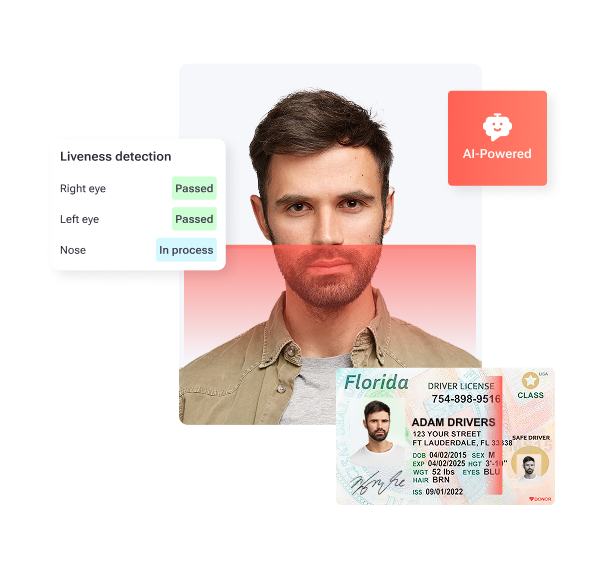
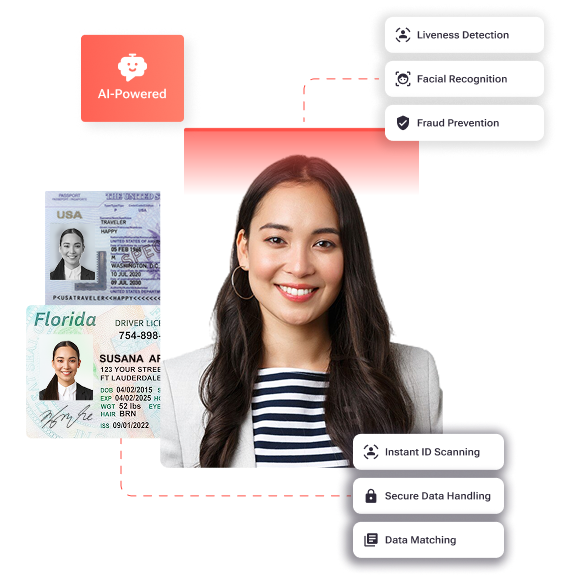
Under HOPA, certain exceptions for family members under 55 may be permitted in specific circumstances. Because these under-55 residents do not count toward the 80% threshold, communities must document each exception carefully to show they still meet the overall occupancy requirement.
The step-by-step verification checklist includes:
- Collect government-issued identification from all applicants
- Calculate current 80/20 compliance status
- Verify document authenticity and expiration dates
- Document any applicable family exceptions
- Update community occupancy records
- Schedule biennial survey requirements
Compliance, Risk, and Governance for Florida 55+ Boards
To sustain a HOPA exemption, a housing facility must be able to produce verification of 80% senior occupancy compliance, through reliable surveys and affidavits, in response to an FHA complaint. This requirement makes audit-ready documentation systems a core part of risk management for 55+ communities.
Effective governance requires board oversight of verification procedures, regular compliance audits, and clear policies for handling non-compliance situations. These governance structures become especially critical when communities balance fair housing obligations with age-restriction enforcement. Oversight and audit mechanisms support consistent application of verification standards across all residents and help prevent discriminatory practices.
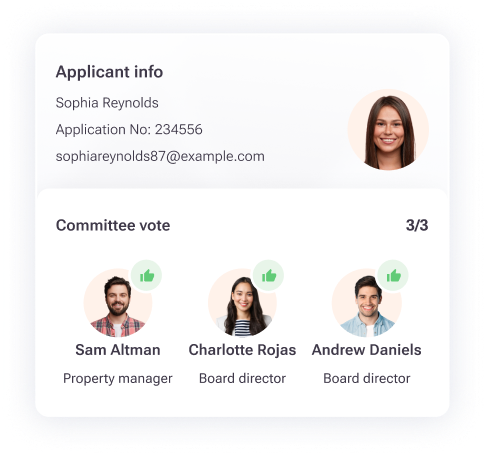
Risk mitigation strategies include standardized document collection procedures, comprehensive audit trails, and clear escalation protocols for verification disputes. Board members should receive regular compliance training and maintain oversight of CAM verification activities to ensure consistent policy implementation.
Common HOPA Verification Challenges for Florida CAMs
Manual verification processes create multiple failure points that expose Florida 55+ communities to compliance risks. Email-based document collection produces fragmented records, inconsistent follow-up procedures, and difficulty maintaining audit trails. CAMs report spending excessive time managing PDF exchanges, tracking incomplete applications, and coordinating with multiple parties to gather required documentation.
These manual bottlenecks increase the likelihood of falling below the 80/20 threshold during periods of high turnover or when verification procedures are delayed or incomplete. Communities that rely on spreadsheets and inbox searches struggle to respond quickly to HUD inquiries or Fair Housing complaints.
Best Practices and Digital Standards for HOPA Compliance
Leading Florida 55+ communities now use standardized digital workflows that automate document collection, maintain centralized records, and provide real-time compliance monitoring. HUD regulations require housing facilities to develop procedures for routinely determining unit occupancy and identifying if at least one occupant per unit is 55 or older, which may be integrated into normal leasing or purchasing arrangements.
Best practices include structured document collection systems, biennial survey automation, digital audit trails, and real-time compliance dashboards for board members. Communities should evaluate comprehensive platforms that integrate age verification with broader resident screening processes, which supports HOPA compliance while streamlining overall operations. See how integrated automation works to explore how our platform can enhance your community’s verification capabilities.
Why TenantEvaluation Fits Florida 55+ Condo Requirements
TenantEvaluation’s 55+ Communities Verification reduces manual work, standardizes application handling, and supports documentation consistency specifically for Florida condos and HOAs. Built for Community Association Managers, the platform improves operational efficiency and strengthens internal processes through automated workflows designed for age-restricted community requirements.
The platform integrates with IDVerify for biometric identity verification and QuickApprove for board oversight, creating a comprehensive solution that addresses both HOPA compliance and broader resident screening needs. With FCRA compliance as the foundation, TenantEvaluation serves over 5,000 communities, processes 100,000+ applications annually, and has generated $150M in revenue for client communities while maintaining a 4.8/5 Google rating.

| Feature | TenantEvaluation | ApplyCheck | AppFolio | Verify Screening |
|---|---|---|---|---|
| Florida 55+ Specialization | Yes | No | Partial | No |
| End-to-End Automation | Complete | Background Only | Subscription-Based | TazWorks Platform |
| Board Dashboard | QuickApprove | Limited | Generic | None |
| Revenue Model | Pay-per-Application | Monthly Fees | Subscriptions | Fixed Pricing |
Evaluation Criteria for Selecting a HOPA Verification Platform
When selecting HOPA verification solutions, Florida 55+ communities should prioritize operational efficiency, compliance readiness, scalability, and board transparency. TenantEvaluation performs strongly across these criteria, offering specialized Florida workflows, comprehensive automation, and governance tools that support both CAM efficiency and board oversight requirements.
Frequently Asked Questions
What are the core HOPA age verification requirements for 55+ communities?
HOPA requires three fundamental elements: maintaining 80% occupancy by residents aged 55 or older, implementing written policies demonstrating intent to serve older adults, and establishing reliable age verification procedures including document review and biennial surveys. Communities must collect the government-issued identification documents detailed earlier in this article, maintain accurate occupancy records, and conduct regular compliance assessments to preserve their age-restriction exemption.
How does the 80/20 rule calculation work in practice?
The 80/20 rule requires that at least 80% of occupied units house at least one resident aged 55 or older. For a 100-unit community, 80 units must meet this requirement. The calculation focuses on occupied units only and excludes vacant properties. Communities must monitor this ratio continuously, because falling below 80% results in loss of HOPA exemption and inability to restrict future sales or rentals based on age.
What Florida-specific considerations apply to 55+ condo and HOA verification?
Florida 55+ communities face unique challenges including high turnover rates, seasonal residency patterns, and complex ownership structures involving multiple family members. The state’s diverse population requires verification systems capable of handling various document types and languages. Florida communities also experience frequent HUD audits, which makes robust documentation and audit-ready records essential for maintaining compliance.
Can people under 55 live in HOPA-qualified communities?
Yes, under specific circumstances. Spouses or partners under 55 may live with qualifying 55+ residents. Mentally or physically disabled adult children under 55 may also reside with qualifying parents. These under-55 residents do not count toward the 80% threshold, so communities must document these exceptions carefully while ensuring the overall 80/20 ratio remains compliant.
What documentation and survey requirements must communities maintain?
55+ housing communities must conduct age verification surveys of residents every two years to comply with the Housing for Older Persons Act (HOPA). They must also maintain government-issued identification records for all residents and establish written policies demonstrating intent to serve older adults. Survey documentation should explicitly reference HOPA compliance, and communities must be prepared to produce verification records in response to Fair Housing Act complaints or HUD audits.
Conclusion and Next Steps for Florida 55+ Communities
Effective HOPA age verification relies on standardized procedures, comprehensive documentation, and ongoing compliance monitoring to maintain 55+ community exemptions. Florida CAMs and HOA boards should prioritize automated verification systems that reduce manual workload while ensuring audit-ready compliance. Start implementing your HOPA verification system with TenantEvaluation to address comprehensive age verification requirements for your 55+ condo community.
