Written by: Luis Teran, Co-founder, CEO, TenantEvaluation
Key Takeaways
- HOPA 80/20 rule requires 80% of occupied units in 55+ communities to have at least one resident aged 55 or older, verified every two years.
- Acceptable age proof includes driver's licenses, passports, and immigration documents, and communities must maintain secure records.
- Manual verification via emails and PDFs creates heavy administrative burdens, inconsistent documentation, and audit risks for Florida CAMs.
- Digital solutions automate surveys, document collection, and compliance calculations, reducing workload by 70% while keeping documentation consistent.
- Florida communities can streamline HOPA compliance with TenantEvaluation's 55+ Verification platform designed for age-restricted associations.
How the HOPA 80/20 Rule Works for 55+ Communities
The HOPA 80/20 rule mandates that at least 80% of occupied residential units in age-restricted communities must be occupied by at least one person 55 years of age or older. Communities must verify this through surveys every two years and proper documentation as specified in federal regulations.
This federal requirement under the Housing for Older Persons Act of 1995 exempts qualifying communities from Fair Housing Act familial status protections. The rule permits up to 20% of occupied units to house residents under 55, typically spouses or disabled adult children. Vacant units count toward the HOPA 80% calculation only if temporarily vacant, with the primary occupant having resided in the unit during the past year and intending to return on a periodic basis.

Key compliance requirements include:
- Maintaining the 80% threshold of qualifying occupied units
- Publishing written policies demonstrating intent to serve older persons
- Conducting age verification surveys every two years as outlined by Davis-Stirling legal guidance
- Establishing reliable age verification procedures and documentation systems
Accepted Documents That Prove Age for HOPA Compliance
HOPA compliance relies on government-issued identification that clearly establishes birth dates. HOPA verification standards recognize several document types as reliable proof of age.
Approved documentation includes:
- Driver's licenses with clear birth date information
- Valid passports showing date of birth
- Immigration documents containing birth information
The Powerhouse HOPA Compliance Checklist recommends maintaining copies of verification documents in secure, confidential files. Communities should establish standardized procedures for document collection and storage to ensure consistent verification across all residents and applications. Beyond knowing which documents to collect, communities must also understand the timing requirements for conducting these verifications.

How Often 55+ Communities Must Verify Ages in Florida
HOPA requires 55+ communities to conduct comprehensive age verification surveys every two years. This biennial requirement keeps communities aligned with the 80/20 rule and maintains accurate resident age records for audit purposes.
The verification process involves these essential steps:
1. Survey Distribution: Communities distribute mandatory age verification surveys to all occupied units and collect current age information and supporting documentation from residents.
2. Document Collection: Once surveys go out, residents provide acceptable proof of age documents during each verification cycle. These documents form the evidentiary basis for compliance calculations, so communities must maintain secure records of all submissions.
3. Compliance Calculation: With documentation collected, communities calculate the percentage of qualifying units to confirm the 80% threshold is maintained across all occupied residences.
4. Record Maintenance: Finally, all verification documents and survey responses stay stored securely and confidentially, with access limited to authorized community management personnel. This record set allows the community to demonstrate compliance during future audits.
Florida communities must integrate these federal requirements with state HOA and condominium statutes, aligning verification procedures with governing documents and association bylaws. Common pitfalls include inconsistent survey distribution, incomplete documentation collection, and inadequate record-keeping systems that expose communities to compliance risks during audits.
Ready to streamline your age verification process? See how TenantEvaluation's 55+ Communities Verification reduces manual work and standardizes documentation.

Why Manual HOPA 80/20 Age Verification Strains Florida CAMs
Florida CAMs managing 55+ communities face significant administrative burdens when they handle age verification through manual processes. Traditional methods that rely on email communications, PDF document exchanges, and phone follow-ups create inefficiencies that consume substantial staff time and increase compliance risks.
Manual verification challenges include:
- Repetitive email communications and document requests consuming 50 or more hours weekly
- Inconsistent documentation collection that leads to incomplete verification records
- Difficulty tracking survey responses and follow-up requirements across multiple units
- Risk of lost or misfiled age verification documents during each two-year cycle
- Potential audit exposure from inadequate record-keeping and documentation gaps
These administrative burdens divert CAM resources from higher-value community management activities. They also create compliance vulnerabilities that Florida associations must address with more structured and efficient verification solutions.
Best Practices for Streamlined 55+ Age Verification Workflows
Effective age verification depends on standardized workflows that remove manual inefficiencies and keep documentation consistent across all residents. Digital platforms can significantly reduce administrative burdens and improve compliance accuracy for Florida 55+ communities.
Recommended best practices include establishing uniform survey distribution procedures, implementing automated document collection systems, and maintaining centralized verification records. Communities should transition from fragmented email-based processes to integrated digital workflows that standardize age verification handling. The table below illustrates the time savings and consistency improvements digital solutions provide across three critical workflow steps.
| Workflow Step | Manual Process (Emails/PDFs) | Digital Solution (TenantEvaluation) |
|---|---|---|
| Document Collection | 10 or more hours of follow-ups per cycle | Automated collection, 70% faster processing |
| Age Verification | Inconsistent documentation risks | Standardized verification consistency |
| Surveys Every Two Years | Error-prone manual tracking | Structured survey management and records |
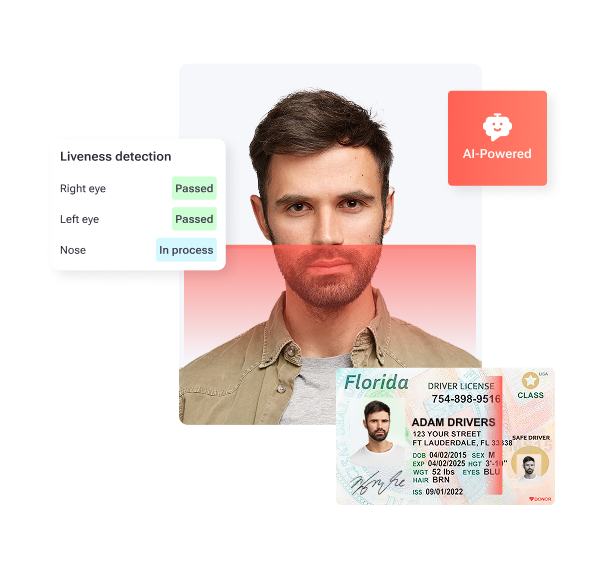
TenantEvaluation serves communities nationwide and processes more than 100,000 applications annually with a 4.8/5 Google rating. The platform's 55+ Communities Verification capability helps Florida associations standardize age-restricted application handling, reduce manual work, and improve operational efficiency.
Exceptions to the 55+ Age Requirement in HOPA Communities
HOPA permits limited exceptions to the 55+ age requirement, which allows younger residents in specific circumstances. Spouses or partners of qualifying residents may live in 55+ communities regardless of age. Mentally or physically disabled adult children under 55 may also reside with qualifying parents when they meet the conditions outlined in community policies and applicable law.
Communities must carefully monitor these exceptions to maintain the required 80% threshold of qualifying units. Before approving any underage resident, associations should verify that the community remains safely above the 80% compliance level and that documentation clearly supports the exception.
Streamlining HOPA 80/20 Age Verification with TenantEvaluation
TenantEvaluation's 55+ Communities Verification gives Florida associations a comprehensive system for efficient age verification management. The platform is built specifically for Florida condos and HOAs and reduces manual work, standardizes application handling, and supports documentation consistency across all verification processes.
Key advantages include:
- All-in-one platform designed for Community Association Managers
- FCRA-compliant foundation that supports regulatory adherence
- Automated workflows that improve operational efficiency
- Standardized documentation processes that strengthen internal controls
- Integration with QuickApprove for board oversight and IDVerify+ for identity verification
TenantEvaluation focuses exclusively on community association needs rather than general tenant screening. The platform's 55+ verification capability creates structured processes for age-restricted communities and supports internal compliance efforts while leaving legal interpretation to association counsel.
Transform your age verification process today. Discover how TenantEvaluation streamlines HOPA compliance for your Florida community.
Frequently Asked Questions
What does HOPA verified mean?
HOPA verified means a 55+ community has demonstrated compliance with the 80/20 rule through proper age verification surveys every two years and documentation. This verification confirms that at least 80% of occupied units house residents 55 or older, maintaining the community's exemption status under the Housing for Older Persons Act. Verification involves collecting acceptable age documentation from all residents and calculating compliance percentages based on occupied units only.
HOPA age verification form Florida?
Florida 55+ communities must use uniform age verification surveys that collect resident age information and supporting documentation during the biennial verification cycles. These forms should request government-issued identification copies such as driver's licenses or passports to establish reliable age proof. TenantEvaluation provides standardized verification templates designed specifically for Florida associations, which helps keep documentation collection consistent across all residents and verification periods.
What is HOPA 80/20 rule in retirement community?
The HOPA 80/20 rule, explained in detail above, establishes the minimum occupancy threshold for age-restricted communities. It sets the standard that allows qualifying communities to claim exemption from Fair Housing Act familial status protections when they maintain proper verification and documentation.
Is age verification becoming a law?
Age verification already functions as a legal requirement for communities claiming HOPA exemption status under federal housing law. The Housing for Older Persons Act mandates biennial age verification surveys and proper documentation for all 55+ communities seeking exemption from Fair Housing Act familial status protections. Communities that fail to maintain proper verification procedures risk losing their age-restriction exemption and facing potential discrimination claims from families with children.
HOPA requirements?
HOPA requirements include maintaining 80% of occupied units with residents 55 or older, conducting age verification surveys every two years, publishing written policies that show intent to serve older persons, and establishing reliable age verification procedures. Communities must collect acceptable age documentation on a regular schedule, maintain secure verification records, and ensure consistent policy enforcement across all residents. These requirements work together to qualify communities for Fair Housing Act exemption status while protecting against age discrimination claims.
Effective HOPA 80/20 rule age verification depends on systematic approaches that balance compliance requirements with operational efficiency. Florida CAMs and HOA boards can significantly reduce administrative burdens and strengthen documentation consistency through digital verification platforms designed specifically for community associations. Explore how TenantEvaluation's 55+ Communities Verification transforms manual verification processes into streamlined, standardized workflows that support your community's compliance objectives.
