
Key Takeaways
- HOAs and condo associations need software built for their governance, compliance, and approval workflows, not generic rental tools.
- Specialized platforms can cut application processing time by up to 70 percent and free significant staff hours for higher-value work.
- Core HOA features include tailored resident screening, board approval dashboards, secure document automation, community analytics, and mobile access.
- Automation and revenue-sharing models can improve fee collection, cash flow, and financial transparency for management companies and boards.
- Tenant Evaluation delivers these HOA-specific capabilities in one platform, and you can get started with a demo today.
The Critical Need for HOA-Specific Features in Community Management Software
In 2026, Community Association Managers and HOA boards face growing administrative and compliance pressure when they rely on generic property management tools. HOAs operate with board oversight, unique accounting for reserves and assessments, and state-specific rules that differ from rental properties.
Software that does not fit these needs creates extra work. Manual workflows can consume dozens of staff hours each day. Tenant Evaluation users report up to 70 percent faster processing and as much as 50 hours of staff time saved per day, along with one Florida management company that reduced annual costs by $240,000 after switching platforms.
Generic platforms often lack HOA-specific screening workflows, board approval tools, and compliance safeguards. These gaps increase back-and-forth communication, slow approvals, and frustrate residents, boards, and managers.
Schedule a demo today to see how HOA-focused software can streamline your operation and reduce risk.
7 HOA-Specific Features That Matter Most
1. Streamlined Resident Screening With Florida-Specific Compliance
Effective HOA management starts with accurate, consistent screening for both tenants and purchasers. HOA software should support background checks, income and ID verification, and community-specific rules in a single digital workflow tailored to each association.
Tenant Evaluation uses intelligent forms that adjust based on applicant type, so renters and buyers see only the questions and document requests that apply to them. Communities can configure screening criteria to match their governing documents and Florida regulations, which supports consistent, compliant decisions.
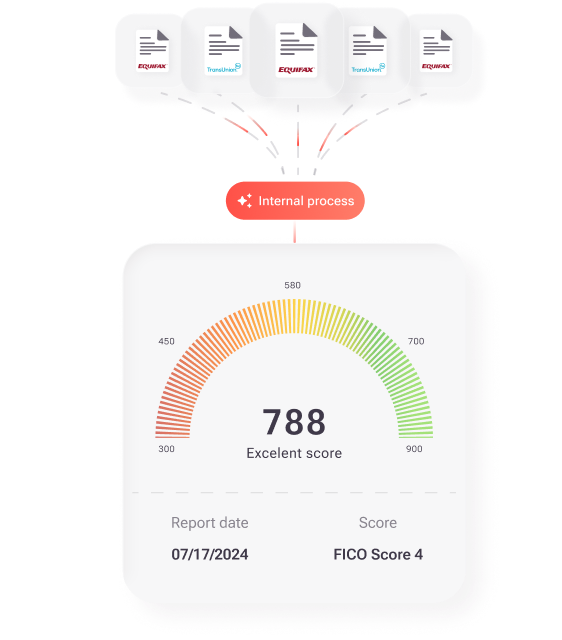
Applicants and real estate agents gain a clear, guided experience, while boards receive complete, consistent files that reflect community bylaws and state law.
2. Board-Centric Review and QuickApprove Dashboards
Board members need fast, organized access to applications, not long email chains and scattered PDFs. A board-focused dashboard, such as Tenant Evaluation’s QuickApprove, gives directors a single place to review summaries, documents, and decisions.
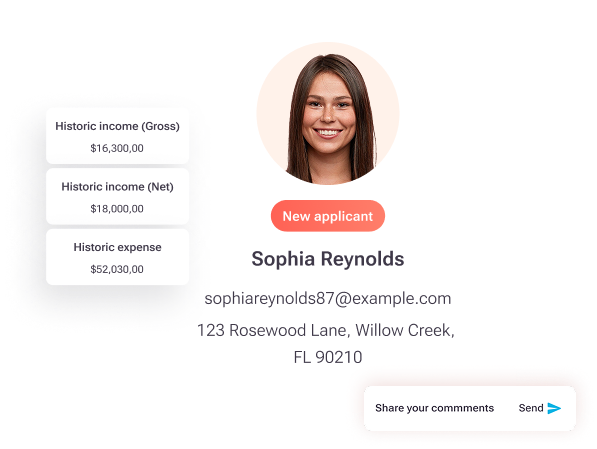
Board members can:
- See real-time application status and key risk indicators
- Open supporting documents without downloading email attachments
- Cast votes and record comments directly inside the platform
The system stores timestamps and decisions for every application. This audit trail supports compliance, clarifies voting history, and helps protect the association and individual board members.
3. Secure, Automated Document Management
HOA files often include sensitive personal and financial data, so document handling and security must go beyond basic storage. Modern HOA software should automate document collection and apply strict security controls.
Tenant Evaluation uses intelligent logic to request only the documents each applicant needs to provide. The platform then validates uploads for completeness before submission, which reduces incomplete files and follow-up requests.
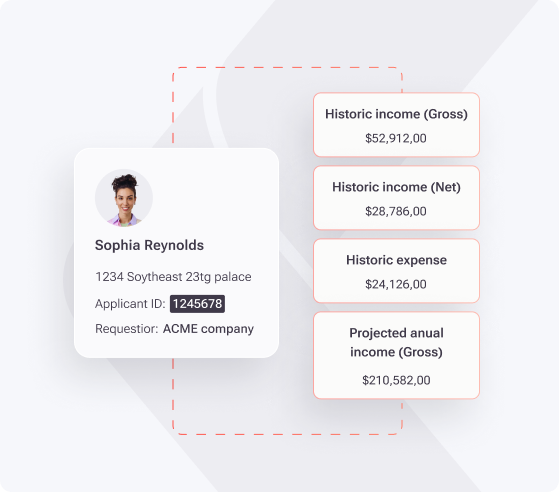
Security features include auto-redaction of sensitive data, end-to-end encryption, and PCI Level 1 compliance. These safeguards support data privacy requirements and reduce the risk of handling documents through email or paper.
4. Automated Fee Collection and Revenue-Sharing Options
Application fee collection often creates manual work and tracking issues for associations. HOA-specific platforms can move these payments online, apply community rules, and record every transaction in one place.
Tenant Evaluation supports multiple payment methods and automated application fee collection that follows association policies and state regulations. Revenue-sharing models can return a portion of each fee to the association or management company, which may offset or exceed software costs.
Boards gain clearer financial reporting, fewer payment errors, and a consistent process for every applicant.
5. Community Analytics for Better Planning
Data about residents, trends, and usage patterns helps boards plan more effectively. HOA-focused analytics go beyond rent and vacancy to include ownership mix, amenity demand, and lifestyle indicators.
Tenant Evaluation provides insights on:
- Rental versus owner-occupied trends
- Demographics relevant to amenity planning
- Pet ownership and electric vehicle adoption
Boards can use this information to support decisions about capital projects, amenity upgrades, parking policies, and rule changes that reflect how residents actually live.
6. Centralized Communication and 24/7 Multilingual Support
Clear communication reduces confusion and complaints during the application and approval process. A centralized hub for messages, updates, and status changes keeps everyone aligned.
Tenant Evaluation includes 24/7 AI-powered support in 11 languages that can answer common questions about application steps, required documents, and timelines. This support reduces repetitive calls and emails to managers while giving applicants quick, consistent answers.
Built-in notifications and message logs create a record of communication that supports transparency and compliance.
7. Mobile-First Access for Applicants, Managers, and Boards
Many stakeholders now expect to complete tasks from a phone or tablet. HOA software needs to work smoothly across devices so applications, reviews, and approvals do not stall.
Tenant Evaluation offers a fully digital, paperless application experience that works on web and mobile. Applicants can submit forms and upload documents from their phones, while managers and board members can review files and updates outside the office.
Schedule a demo today to see how these features support faster, more reliable community operations.
Comparison: Tenant Evaluation vs. Generic Property Management Software
Specialized HOA software aligns with how associations actually operate, while generic tools focus on rental property workflows.
|
Feature Category |
Tenant Evaluation |
Generic Property Management Software |
|
Tailored Resident Screening and Onboarding |
Florida-specific rules, intelligent forms, up to 70 percent time reduction, automated document checks |
Limited HOA customization and compliance options |
|
Board Review and Approval Workflows |
QuickApprove dashboard, real-time voting, summaries, full audit trail |
No dedicated board tools or structured approval process |
|
Automated Document Management and Security |
PCI Level 1 compliance, auto-redaction, encryption, intelligent validation |
General security, less focus on HOA document needs |
|
Revenue-Generating Fee Collection |
Automated payments, revenue-sharing, no upfront software cost |
Standard subscriptions without revenue-sharing models |
|
Community Analytics |
HOA-focused metrics to support long-term planning |
Reporting centered on rental metrics |
|
Communication and Support |
24/7 AI chat, 11 languages, integrated notifications |
Basic communication tools without HOA context |
|
Mobile-First Design |
Full mobile access to applications and approvals |
Mobile features that may not support HOA workflows |
Frequently Asked Questions (FAQ)
Why is specialized HOA management software better than general property management software for my community?
Specialized HOA software is built around board governance, association accounting, and resident approvals. General tools often miss features such as detailed resident screening, structured board approvals, and state-specific compliance, which can force managers to rely on manual workarounds. Platforms like Tenant Evaluation focus on the needs of community associations and help standardize processes.
How does HOA-specific software help mitigate compliance risks in Florida?
HOA-focused platforms can mirror each community’s governing documents and apply Florida regulatory requirements inside the workflow. Tenant Evaluation supports automated background checks, secure data handling with PCI Level 1 compliance and auto-redaction, and detailed audit trails. These features help associations document decisions and follow consistent, compliant procedures.
Can HOA software generate revenue for my association?
Some HOA-specific platforms use revenue-sharing models tied to application fees. Tenant Evaluation collects application payments online and can rebate a portion of each fee back to the association or management company. This structure can offset software costs and, in some cases, create a net revenue stream.
What makes board-centric features essential for HOA management software?
Board members have fiduciary duties that require clear, organized information. Board-centric tools like the QuickApprove dashboard in Tenant Evaluation give directors real-time access to application data, voting tools, and audit-ready records that support informed decisions and governance requirements.
How does automation in HOA software improve operational efficiency?
Automation removes repetitive tasks such as document chasing, payment tracking, and status updates. Tenant Evaluation can reduce processing time by up to 70 percent, which frees staff to focus on resident service and long-term planning instead of paperwork.
Conclusion: Moving Your Community to HOA-Focused Software
HOAs and condo associations manage complex responsibilities that generic property management tools often cannot support. Purpose-built HOA software addresses these gaps with tailored screening, board-centered approvals, secure document automation, analytics, communication tools, and mobile access.
Associations that adopt HOA-specific platforms like Tenant Evaluation can reduce manual work, strengthen compliance, and give residents and boards a clearer, more predictable experience. Get started with a Tenant Evaluation demo to see how these capabilities can support your community in 2026 and beyond.