Written by: Luis Teran, Co-founder, CEO, TenantEvaluation | Last updated: July 22, 2026
Key Takeaways
- Florida condo associations with 25 or more units must maintain password-protected portals under 2026 law, so centralized digital records now support basic compliance.
- Manual onboarding processes create compliance gaps, approval delays, and fraud exposure that integrated platforms can remove through automation.
- Effective resident onboarding relies on workflow standardization, biometric identity verification, centralized digital records, and clear board approval structures.
- Key evaluation criteria for HOA software include Florida-specific customization, dedicated board dashboards, native biometric verification, lease tracking, and FCRA audit readiness.
- TenantEvaluation gives Florida condo associations an all-in-one, FCRA-first platform that streamlines onboarding while supporting compliance and audit readiness.
Resident Onboarding Basics for Florida Condos in 2026
Resident onboarding software is a digital platform that manages the full lifecycle of a prospective resident’s entry into a community. It covers initial application intake, background screening, identity verification, board approval, lease documentation, and final record retention. Screening workflows define the steps for collecting, verifying, and evaluating applicant data. Lease lifecycle management covers the collection, storage, tracking, and audit of lease agreements from execution through expiration.
The shift from manual processes to integrated digital platforms is accelerating. Technology adoption in HOAs reached a tipping point in 2025, with the focus moving from individual tools to integrated systems that connect financial operations, communication, approvals, reporting, and document access. For Florida condo associations, this shift now represents the baseline standard for competent management rather than a future goal.
How 2026 Florida Condo Law Changes Onboarding Requirements
Florida Condominium Act Section 718.111(12)(g), effective January 1, 2026, lowered the threshold requiring condominium associations to maintain a website or portal from 150 units to 25 units. Any Florida condo association managing 25 or more non-timeshare units must now post specified official records in digital format on a password-protected website, mobile application, or web portal within 30 days of receipt or creation.
HB 1021 (2024) adds requirements for associations to post certain official records. Records-access requirements under FS 718.111(12) provide for statutory damages for non-compliance after a written request.
On approval fees, Section 718.112 caps transfer or lease approval fees at $150 per applicant, with spouses or a parent and dependent children counting as one applicant. The DBPR may adjust the approval fee cap for inflation periodically. Estoppel certificates must be delivered within 10 business days of a written request under Section 718.116, with current DBPR-adjusted caps at $299 for a standard certificate.
These mandates directly affect screening, document collection, and audit readiness. Associations without centralized digital records face higher risk of statutory penalties and sit in a weak position during any regulatory review.
The Current Industry Landscape for Condo Onboarding
Identity fraud is increasing across condo and HOA communities. Traditional screening methods, which rely primarily on document uploads and database checks, no longer provide sufficient protection. Many landlords view comprehensive background checks as a top screening priority rather than credit scores alone, reflecting a broader shift toward multi-layer verification.
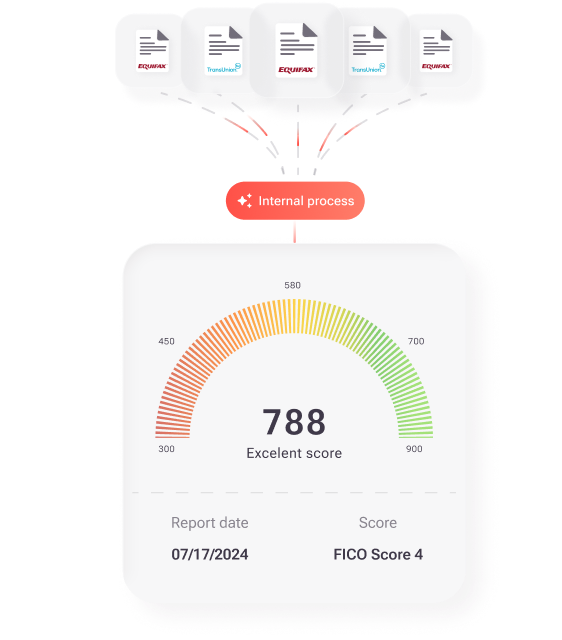
At the same time, manual processes using spreadsheets, paper files, and email chains fail during hurricanes, special assessments, milestone inspections, or SIRS compliance requirements. CAMs and board members increasingly encounter approval bottlenecks, missing lease records, and incomplete applications that slow onboarding and expose associations to liability. The industry is moving toward integrated platforms that connect application intake, screening, board approval, and lease tracking in a single workflow.
Compliance and Governance Requirements for Screening
These operational challenges are compounded by strict regulatory requirements that manual processes struggle to satisfy consistently. The Fair Credit Reporting Act (FCRA) governs how consumer reports, including credit, criminal, and eviction data, are obtained and used in screening decisions. A compliant screening process requires disclosing that a consumer report may be obtained, securing the applicant’s written authorization, and following adverse action procedures when report information influences a decision.
Key compliance requirements include:
- Written consent and clear disclosure before any consumer report is pulled
- Adverse action notices identifying the reporting agency and the applicant’s right to dispute inaccuracies
- Clear separation between data provision, handled by the screening platform, and decision-making, handled by the association
- Built-in audit trails for every application action
- Secure record retention of screening criteria, consents, reports, and adverse action notices for three to five years
Board oversight responsibilities also apply. Substantive board decisions must occur at properly noticed board meetings rather than via email chains, text messages, or telephone calls between directors under Florida Statutes Chapters 718 and 720.
Operational Pain Points in Florida Condo Onboarding
CAMs and board members across Florida consistently report the same operational friction points:
- Incomplete applications that require repeated follow-up with applicants, realtors, and owners
- Missing or outdated lease copies stored across folders, inboxes, and disconnected spreadsheets
- Lengthy email-based approval chains that stall decisions, especially when board meeting schedules create multi-week gaps
- Inconsistent age-verification documentation in 55+ communities, which creates audit exposure
- Identity fraud risk from stolen IDs, synthetic identities, and impersonation attempts that document-only review cannot reliably detect
- Liability exposure from manual handling of sensitive applicant data without encryption or redaction
Miami condominium association approval typically takes one to four weeks, with buildings requiring board votes taking three to four weeks or longer depending on meeting schedules. Platforms that automate the approval workflow can compress this timeline significantly.
Four Core Principles for Strong Resident Onboarding
Four principles define effective resident onboarding for Florida condo associations in 2026:
- Workflow standardization: Every application follows the same documented sequence. This reduces errors and supports consistent treatment across all applicants in line with fair housing requirements.
- Stronger identity verification: Boards move from document-based review to biometric-backed identity confirmation. This shift reduces fraud exposure before approval decisions occur.
- Centralized digital records: All application materials, screening reports, board decisions, and lease documents stay in a single searchable system instead of scattered across email, spreadsheets, and local drives. Digital retention then requires annual review discipline including backup verification, credential updates, and data-leakage reviews. Associations need more than a habit of saving files and forgetting them.
- Clearer approval structures: Board decisions stay documented, timestamped, and connected to the application record. This structure supports audit readiness and governance accountability.
Seven-Step Resident Onboarding Workflow in Practice
- Application intake: The applicant receives the community’s property code and completes a 100 percent online application, uploads required documents, and pays the application fee through the platform.
- Smart form validation: The platform automatically checks for executed leases, valid IDs, and required documents. It rejects incomplete submissions before they reach the CAM’s queue.
- Identity verification: The applicant completes biometric verification, including government ID upload, AI-powered liveness detection, and selfie-to-ID biometric comparison, within the same workflow.
- Background screening: Credit, criminal, eviction, income, and reference checks run under FCRA-compliant permissible purpose controls. Results appear inside a consolidated screening report.
- Board review and voting: Board members access a dedicated dashboard to review AI-summarized applicant reports and cast votes at a properly noticed meeting. All actions are timestamped and auditable.
- Approval communication: Customized approval letters and a personalized welcome package are generated and delivered automatically after the board decision.
- Lease tracking and record retention: Lease documentation is collected, stored, and connected to the unit record in a centralized, searchable, audit-ready system from application through occupancy.
Evaluation Checklist for HOA Onboarding Platforms
When boards evaluate HOA resident onboarding software for Florida condo associations, several criteria determine platform fitness:
- Florida-specific customization: The platform must encode community-specific governing document requirements, fee structures, and screening criteria.
- Board dashboard access: The board needs a dedicated, real-time review and voting interface that remains separate from the CAM workflow.
- Biometric identity verification: Identity confirmation should be native to the platform rather than redirected to an external portal.
- Lease visibility: The platform should connect applications, approvals, and lease documentation in one real-time workflow from application to occupancy.
- Revenue model: The platform should generate revenue for the association through a compliant fee-sharing structure.
- Time savings: The vendor should provide measurable reductions in application processing time and staff hours.
- Audit readiness: FCRA-compliant audit trails, adverse action workflows, and record retention must be built into the platform.
Key Onboarding Capabilities by Platform Type
The comparison table below focuses on capabilities that can be measured on a consistent basis across platform types.
| Capability | TenantEvaluation | ApplyCheck / Verify Screening Solutions | Buildium / AppFolio / RealPage |
|---|---|---|---|
| Board dashboard (dedicated) | Yes | No | No |
| Native biometric identity verification | Yes | No | No |
| Lease tracking tied to onboarding workflow | Integrated | None | Separate from HOA-specific onboarding |
| Revenue-sharing model for associations | Yes | No | No |
| FCRA audit trails and adverse action workflows | Native, end-to-end | Available, configuration dependent | Available, depth varies by product |
Self-Managed vs CAM-Managed: Onboarding Needs Matrix
| Criteria | Self-Managed Associations | CAM-Managed Associations | Recommended Platform Features |
|---|---|---|---|
| Roles in onboarding | Volunteer board officers handle application intake, review, and communication directly | Licensed CAMs execute board policy on resident communications and document management | Role-based access controls that separate CAM workflow from the board voting panel |
| Documentation volume | Lower volume with higher risk of inconsistent handling without standardized workflows | Higher volume across a portfolio that requires scalable, automated document collection | Smart form logic, automated document validation, and centralized digital records |
| Governance oversight | Board directly approves all applications, and meeting scheduling often creates bottlenecks | CAM prepares applications for board review, while the board retains final approval authority | Board-ready dashboard with timestamped voting and a complete audit trail |
| Technology needs | Simple interface, minimal IT support, and a mobile-accessible application portal | Portfolio-level reporting, multi-community management, and FCRA-compliant audit trails | All-in-one platform with Florida-specific customization, biometric verification, and lease tracking |
How TenantEvaluation Serves Florida Condo Associations
TenantEvaluation is built specifically for community associations and management companies, with FCRA compliance as the foundation rather than an add-on. Founded in 2007 by property managers, board members, and software engineers, the platform has processed 100,000 plus applications annually across more than 5,000 communities and generated $150 million for associations through its revenue-sharing model.
QuickApprove is TenantEvaluation’s accelerated approval workflow for CAMs, boards, and property management teams inside one connected platform. It delivers real-time application tracking, automated communication support, customized approval letters, a personalized welcome package, and a board-ready approval process. These features reduce manual follow-ups and keep applications moving during high-volume seasons and in communities with complex onboarding requirements while preserving control, compliance, and visibility.

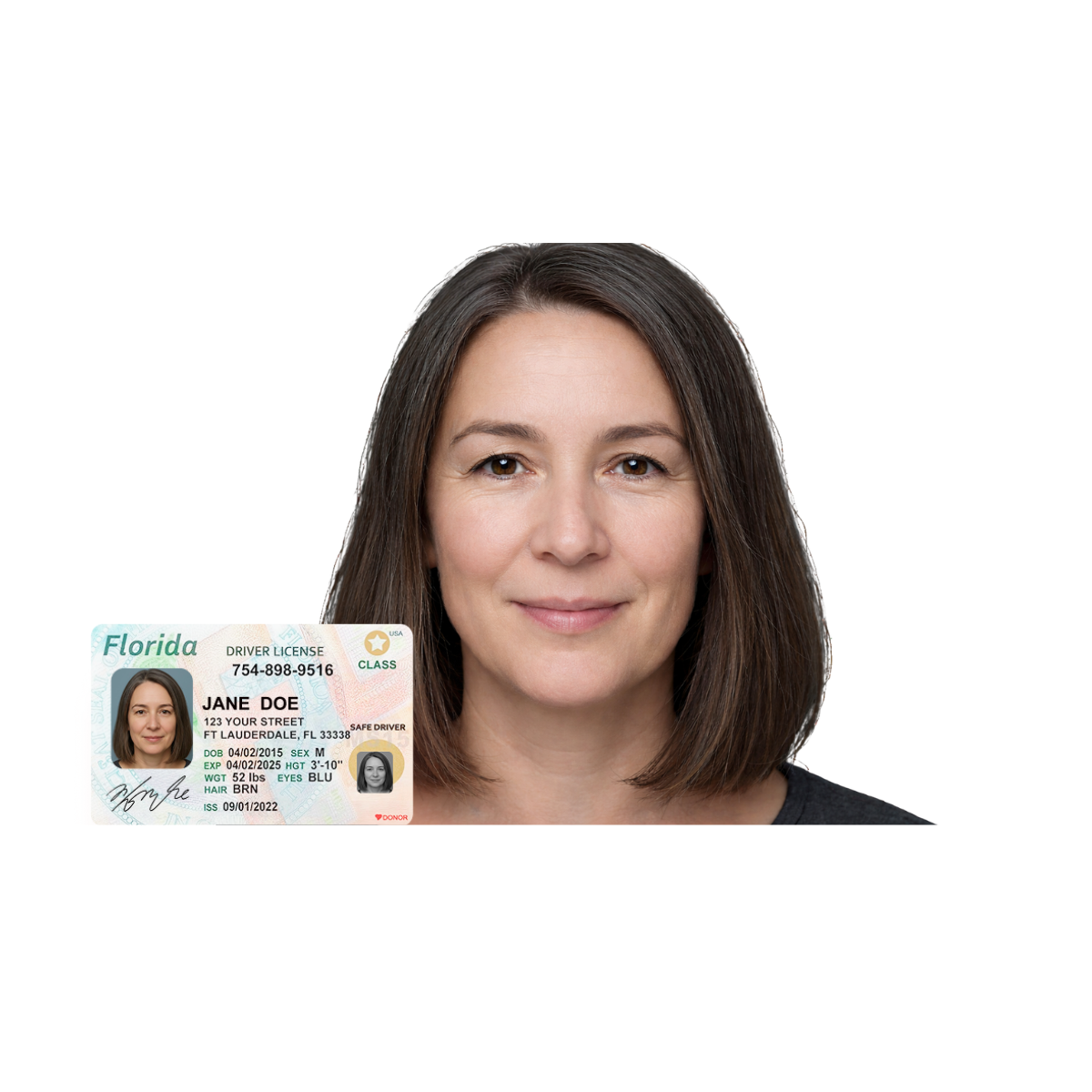
IDVerify+ introduces biometric identity verification natively inside the TenantEvaluation workflow. It combines government-issued ID validation, AI-powered liveness detection, and facial biometric matching. Communities move from document-based review to biometric-confirmed identity verification before approval decisions occur. Results appear directly in the screening report, including ID authenticity confirmation, liveness verification status, and a redacted ID copy for compliance documentation.

55+ Communities Verification standardizes how age-restricted application requirements are handled across Florida condos and HOAs. It reduces manual work, improves documentation consistency, and strengthens internal operational control. CAMs and boards gain a more structured process for age-restricted communities while still relying on legal guidance for HOPA eligibility.
Lease Tracking delivers centralized, real-time lease visibility and lifecycle control from application to occupancy in one connected flow. It links resident onboarding, unit data, approvals, and lease documentation inside TenantEvaluation. Associations replace spreadsheets and scattered email chains with real-time lease status visibility, automated lease document collection, unit-level tracking, and searchable digital history.
TenantEvaluation is a direct reseller of TransUnion and Equifax data rather than a third-party scraper. The platform enforces strict permissible purpose controls, automated adverse action workflows, and built-in audit trails for every application. PCI Level 1 compliance and end-to-end encryption protect sensitive applicant data throughout the process.
Frequently Asked Questions
What 2026 Florida condo law changes affect resident screening and approvals?
The most significant 2026 change is the expansion of the website and portal mandate under HB 1021 and Section 718.111(12)(g), which now applies to any Florida condo association with 25 or more units, down from the prior 150-unit threshold. Associations must post governing documents, budgets, meeting materials, insurance policies, contracts, and director disclosures on a password-protected portal within 30 days of receipt or creation. Approval fees remain capped at $150 per applicant under Section 718.112, with a DBPR inflation adjustment scheduled for 2026. Estoppel certificates must be delivered within 10 business days. These requirements make centralized digital record-keeping and audit-ready documentation essential for any association that manages resident onboarding.
What are the typical steps in a compliant Florida condo resident onboarding process?
A compliant Florida condo resident onboarding process begins with online application intake and automated document validation. Biometric identity verification then confirms the applicant’s physical presence and ID authenticity. Background screening, covering credit, criminal, eviction, income, and references, runs under FCRA-compliant permissible purpose controls with written applicant consent. The completed application package is presented to the board through a dedicated review and voting dashboard at a properly noticed meeting. After approval, customized approval letters and welcome materials are issued. Lease documentation is collected, stored, and connected to the unit record in a centralized, searchable system. All steps are timestamped and retained in an audit-ready trail.
How should 55+ communities handle age verification documentation?
Florida condos and HOAs operating as age-restricted communities under the Housing for Older Persons Act (HOPA) need consistent documentation practices across all applications. The most effective approach is to standardize the documentation collection process so that every applicant in an age-restricted community submits the same required records through the same structured workflow. This approach reduces reliance on manual email follow-ups, PDFs, and ad hoc communication and creates more consistent records for internal operational control. TenantEvaluation’s 55+ Communities Verification capability supports this goal by reducing manual work, improving documentation consistency, and strengthening internal processes for CAMs and boards managing age-restricted communities. It supports documentation and consistency while leaving legal guidance on HOPA eligibility to association counsel.
What should boards look for when evaluating HOA resident onboarding software?
Boards should prioritize platforms built specifically for Florida community associations rather than generic rental or property management tools. Key evaluation criteria include Florida-specific customization of screening criteria and governing document requirements, a dedicated board dashboard with real-time application visibility and a structured voting workflow, and native biometric identity verification that does not redirect applicants to external portals. Boards should also look for centralized lease tracking connected to the onboarding workflow from application through occupancy, a revenue-sharing model that turns application processing into a compliant income stream, and FCRA-first design with direct credit bureau reseller relationships, built-in adverse action workflows, and full audit trails. The platform must maintain a clear separation between data provision and decision-making authority so that board governance control remains intact throughout the approval process.
Conclusion: Next Steps for Your Onboarding Process
Florida condo associations that rely on manual onboarding workflows in 2026 face compounding risk. HB 1021 portal mandates, FCRA audit exposure, identity fraud, and approval bottlenecks delay occupancy and generate resident complaints. The evaluation framework and comparison data in this guide give boards a structured basis for assessing whether a current process meets the operational and compliance standards required in the 2026 environment.
TenantEvaluation’s all-in-one, FCRA-first platform, which combines QuickApprove, IDVerify+, 55+ Communities Verification, and Lease Tracking, is built specifically for Florida community associations, from self-managed condos to enterprise CAM portfolios. With a proven track record across thousands of Florida communities, TenantEvaluation offers a purpose-built alternative to manual workflows and generic platforms.
Evaluate TenantEvaluation against your current onboarding process in a personalized demo.
