
Manual HOA resident onboarding processes often lead to inefficiencies, compliance issues, and frustration for residents in Florida communities.
By using specialized software like TenantEvaluation, community managers and board members can simplify applications, strengthen security, and turn onboarding into an efficient, value-adding process with quicker approvals.
The Challenges of Manual HOA Resident Onboarding
Paper-based onboarding systems create heavy administrative workloads and slow down operations for HOA communities. These manual methods cause delays in approvals, frustrate applicants, and exhaust staff who spend hours tracking down missing paperwork or coordinating with multiple parties.
Security risks are another major issue with manual processes. Handling sensitive data, such as Social Security numbers or financial details, without digital safeguards increases the chance of breaches and legal liabilities for communities.
Specialized HOA onboarding software resolves these problems by digitizing workflows, improving security measures, and offering clear communication tools. These solutions reduce guesswork, ensure compliance with Florida regulations, and align with community-specific guidelines.
7 Ways Software Can Enhance HOA Resident Onboarding
1. Switch to Fully Online, Mobile-Friendly Applications
Moving to a digital application platform is a critical step for modern HOA onboarding. With mobile-friendly tools from TenantEvaluation, applicants and realtors can submit forms anytime, anywhere, using a web browser or app. This convenience speeds up the process, especially in Florida’s fast-paced real estate market.
Applicants can upload documents straight from their phones, making document collection faster. Realtors also benefit by assisting clients remotely, cutting down on scheduling issues and speeding up transactions.
Digital platforms deliver measurable efficiency. Communities using TenantEvaluation often see application processing times drop by up to 70% compared to manual methods, thanks to automated validation, instant notifications, and no physical paperwork.
2. Tailor Workflows to Meet Florida Compliance Needs
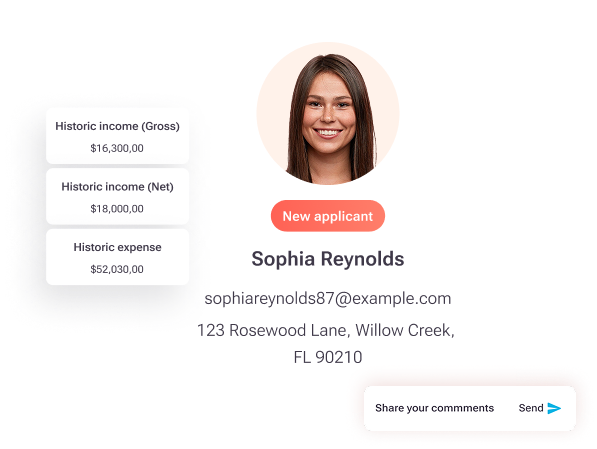
Florida HOAs face specific regulatory requirements that demand strict attention. Software like TenantEvaluation lets communities align screening criteria, document needs, and approval steps with state laws and local bylaws.
Customizable workflows help ensure every application follows the community’s rules, lowering the risk of legal or procedural errors. Managers and board members can set predefined steps to maintain consistency across decisions.
Automated workflows in the software keep processes clear and uniform. This structure supports accurate application of standards, reducing confusion for all involved parties.
3. Use Smart Forms for Better Data Collection
Dynamic forms, available through TenantEvaluation, adjust questions based on applicant answers and community rules. This technology tailors screening for tenants, buyers, or additional residents, skipping irrelevant sections.
These adaptive forms cut down completion time and improve data accuracy. Highlighting required fields and hiding unnecessary ones reduces incomplete submissions, benefiting both applicants and managers.
Smart logic also triggers requests for extra documents when needed. This automation eliminates back-and-forth communication, ensuring complete applications from the start.
4. Protect Data with Automatic Redaction and Encryption
Safeguarding applicant details requires strong security beyond simple passwords. TenantEvaluation offers automatic redaction of sensitive information, like Social Security numbers, from uploaded files, minimizing human error.
With PCI Level 1 compliance and full encryption, data gets bank-grade protection, easing concerns about breaches. These measures show a community’s dedication to privacy and legal standards.
Audit trails and access logs add extra security. They track actions for reviews or audits, providing clear records of data handling and responsible management practices.

5. Equip Boards with Clear Review and Voting Tools
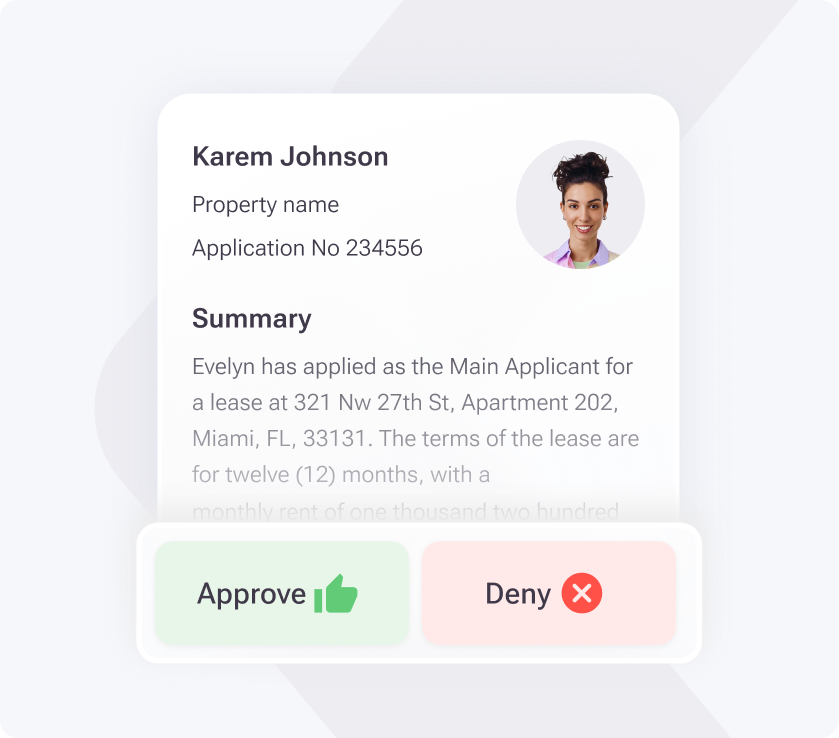
Board engagement improves with tools like TenantEvaluation’s QuickApprove dashboard, built for efficient reviews and voting. It displays application details in concise summaries, easing decision-making.
Digital voting options let board members approve applications online, creating trackable records without endless email threads or calls. Real-time alerts keep everyone updated on pending tasks, ensuring prompt action.
Audit features in these dashboards protect communities during disputes or reviews. Timestamped actions create a detailed history of decisions, showing alignment with guidelines and rules.
6. Improve Communication with Round-the-Clock AI Support
AI-driven support from TenantEvaluation offers help in 11 languages, meeting the diverse needs of Florida communities. Available 24/7, it assists applicants no matter their schedule or location.
Quick responses to inquiries build positive impressions. Applicants gain confidence in the community’s management when they get timely, helpful answers.
AI handles common questions automatically, allowing staff to focus on complex matters. This balance boosts staff productivity and enhances the applicant experience.
7. Apply Data Insights for Community Planning
Software like TenantEvaluation provides data analytics to guide community policies and planning. Dashboards highlight trends in demographics, rental ratios, pet ownership, and other factors affecting amenities or rules.
These insights help managers anticipate resident needs. Using data for decisions supports better planning and long-term community stability.
Comparing HOA Software to Manual and Generic Options
|
Feature/Aspect |
Dedicated HOA Software |
Generic Property Software |
Manual Processes |
|
Florida Regulatory Customization |
High |
Medium to High |
Very High Effort |
|
Board Member Dashboard |
Yes (Unique) |
Yes (Varies) |
Not Available |
|
Automated Document Review |
High |
Medium |
Very Low |
|
Data Security & Compliance |
High |
High |
Very Low |
Key Questions About HOA Resident Onboarding
What Issues Arise from Manual HOA Onboarding?
Manual onboarding brings several challenges for HOA management and residents. The biggest problem is the administrative load, with staff spending excessive time collecting documents, coordinating approvals, and managing error-prone paper systems.
Communication delays add to the frustration. Relying on emails, calls, or meetings often leads to missed deadlines and unclear updates for applicants, realtors, and board members.
Compliance and security risks are also significant. Inconsistent screening, poor documentation, and unsafe handling of personal data can result in legal issues or breaches, putting the community at risk.
How Does Software Boost Resident Satisfaction?
HOA onboarding software, such as TenantEvaluation, enhances resident satisfaction by offering a clear, efficient application process. Online access lets applicants submit forms and documents anytime, while status updates keep them informed without extra effort.
Automated notifications provide clarity on missing items or approval progress. Multilingual AI support also ensures no one is left behind due to language differences, showing the community’s focus on service.
Quicker approvals, often up to 70% faster with TenantEvaluation, ease the stress of tight moving schedules. This efficiency reflects well on the community’s management skills.
Why Is Compliance Important, and How Does Software Help?
Compliance in HOA onboarding means following community rules and state laws consistently. This includes applying screening standards uniformly and protecting applicant data as required.
Software like TenantEvaluation automates screening rules to match community guidelines and legal standards. Custom workflows ensure every application follows the same steps, avoiding inconsistencies.
Detailed audit trails document decisions and actions for reviews. FCRA-compliant background checks further ensure legal standards are met during credit or criminal history evaluations.
Can Software Create Revenue for My HOA?
Yes, platforms like TenantEvaluation can turn onboarding into a revenue source with automated fee collection. This eliminates manual payment tracking, saving time for staff.
Some systems offer revenue-sharing, where a portion of application fees collected goes back to the community after platform costs. Beyond direct income, faster approvals reduce vacancies, and streamlined processes cut administrative expenses.
Closing Thoughts on HOA Onboarding Technology
Manual HOA onboarding challenges, like heavy workloads, compliance risks, and resident frustration, don’t need to persist in Florida communities. Software like TenantEvaluation automates tasks, reduces staff burden, and offers features tailored to specific HOA needs.
Adopting these seven approaches through dedicated software creates benefits for everyone. Managers gain efficiency, boards get tools for better decisions, and applicants enjoy a clear, modern process that sets a positive tone.
Florida HOAs face growing pressure to update operations while staying compliant. Investing in specialized onboarding software like TenantEvaluation offers a practical way to meet those demands and strengthen community management.