
HOA resident approvals can be a time-consuming process, often causing delays and compliance issues that strain resources and create risks for communities. Manual methods, while once practical for smaller groups, now lead to heavy administrative workloads, security gaps, and lost income opportunities. This article offers seven clear strategies for Florida HOA boards and property managers to automate workflows, speeding up approvals, ensuring compliance, and cutting costs while improving security.
Why Automation Matters for Florida HOA Approvals
Easing the Administrative Load in HOA Operations
Manual approval processes weigh heavily on staff, eating up time with repetitive tasks. In Florida, Community Association Managers (CAMs) often spend hours chasing missing forms, entering data by hand, juggling emails and calls, and tracking documents across disjointed systems.
This burden affects entire teams, pulling focus from important community projects. Property managers can spend up to 40% of their workday on onboarding and approval tasks, time better spent on maintenance, resident support, or boosting property value.
During peak moving seasons in Florida’s fast-paced housing market, these manual delays pile up. Backlogs frustrate residents and realtors, delay move-ins, extend vacancies, and cut into HOA revenue from slow turnovers.
Reducing Compliance and Security Concerns
Florida’s strict HOA laws add pressure that manual systems often can’t handle. State law requires HOAs to process applications within 30 days, a deadline missed frequently without automated tracking.
Security risks also grow with paper-based systems. Sensitive details like Social Security numbers or bank records on physical forms are prone to theft, mishandling, or improper storage. Florida’s Information Protection Act sets firm rules for safeguarding personal data, making secure handling a legal must.
Fair Housing laws add further challenges. Manual methods risk uneven screening or poor record-keeping, opening HOAs to lawsuits or penalties. Automation offers a consistent, documented approach to reduce these dangers.
Cutting Costs from Delays and Lost Income
Slow approvals hit HOA budgets hard. Long vacancies from delayed processing mean less rental income and missed transfer fees. When approvals stretch over weeks, applicants often walk away, leaving owners to restart their search and prolonging empty units.
Financial losses don’t stop there. HOAs struggle to collect application fees efficiently with incomplete submissions requiring extra follow-ups. Errors in manual work also drive up costs for corrections or legal disputes.
Schedule a demo today to learn how TenantEvaluation can speed up applications, strengthen compliance, and increase revenue for your HOA or condo association.
7 Steps to Automate HOA Approval Workflows
1. Move to Digital Applications for Secure Document Handling
Switching from paper to online portals is the first step to automate HOA approvals. Digital systems cut out the inefficiencies and risks of physical forms, creating an easy starting point for applicants.
Customizable online forms let HOAs match their specific rules and needs. Electronic signatures mean applicants can submit everything remotely. Built-in checklists help ensure all required documents are included, reducing incomplete applications.
Secure portals offer round-the-clock access for uploading files, checking status, or communicating with managers. This flexibility suits Florida’s varied communities, and mobile-friendly design lets applicants use phones or tablets with ease.
Digitization saves time and boosts accuracy. Data validation cuts errors by a wide margin, while timestamps provide instant records for compliance. File checks ensure documents meet quality standards before acceptance.
2. Use Smart Forms with Real-Time Validation
Intelligent forms adapt to an applicant’s situation, showing only relevant questions or requirements. This cuts confusion and lowers the chances of abandoned applications for renters, buyers, or other residents.
Dynamic validation gives instant feedback, catching missing or incorrect data during entry. This stops the endless follow-ups common in manual systems, where issues often surface days after submission.
Smart logic can adjust screening depth based on responses, like requiring extra income proof for lower credit scores. These tailored workflows keep policies consistent while fitting individual cases.
Key features include hidden fields for specific scenarios, automatic income calculations, and document checks. Processing time often drops by more than half, data accuracy improves, and staff workload lightens significantly.
3. Set Up Automated Background Checks Compliant with FCRA
Automating background checks, credit reports, and income verification streamlines a critical approval step. These systems handle everything in one flow, cutting delays and ensuring legal compliance.
Modern platforms start screening as soon as an application and consent are submitted, covering criminal history, credit, evictions, and employment. Results come back in hours, not days, with more detail than manual efforts allow.
Compliance features manage consent, adverse action notices, and record-keeping under FCRA rules. This consistency lowers legal risks and ensures fair treatment across all applicants.
Tools like TenantEvaluation’s SafeCheck+ cover nationwide criminal searches and registries. Income verification, such as IncomeEV, confirms data directly with employers or banks for better reliability.
Security is built in with encrypted data, automated retention rules, and summarized reports for easy decision-making. Detailed logs support audits and protect privacy.
4. Centralize Communication with Automatic Updates
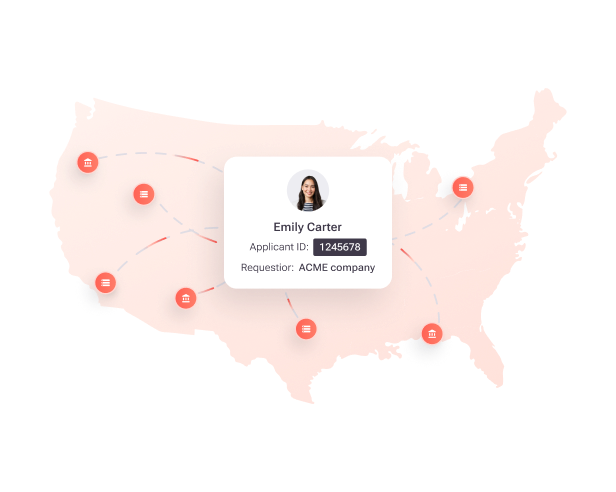
Automated messaging keeps everyone in the loop, from applicants to board members, without endless calls or emails. Real-time updates save significant administrative effort.
Notifications alert stakeholders when applications arrive, documents are reviewed, or more info is needed. Delivery options like email, text, or app messages can be tailored to preferences, with urgent issues flagged automatically.
Dashboards offer constant visibility. Applicants track progress and upload files, realtors stay updated on clients, and managers oversee pending tasks with deadline reminders.
Multilingual support and AI chat handle common questions in various languages, fitting Florida’s diversity. This cuts staff workload while keeping information clear and consistent.
Transparent updates build trust with residents and realtors, improving relationships and community reputation. Managers often see a drop in inquiry calls after implementing these systems.
5. Simplify Board Reviews with Dedicated Dashboards
Secure portals for board members organize applicant details and voting, replacing messy emails or paper packets. This setup tackles delays from scattered information.
Tools like QuickApprove dashboards show key data, screening results, and manager notes in one place. Board members access full files securely, reviewing everything needed without clutter.
Electronic voting skips in-person meetings or email chains. Tracked responses and automatic notifications speed up decisions, helping meet Florida’s 30-day rule.
Security features limit access to relevant info, redact sensitive data, and log all actions for records. This protects privacy while supplying decision-making details.
Boards save time on routine approvals, make faster calls, and engage more with clear, accessible formats. Many report better review quality over traditional methods.

6. Automate Compliance and Maintain Audit Records
Automated systems enforce federal, state, and HOA rules through set guidelines, avoiding manual errors. They ensure consistent screening and process adherence.
Detailed audit trails log every step, from submission to final decision, with timestamps and user actions. These records are crucial for disputes or legal reviews.
Florida-specific automation tracks the 30-day approval window, sends required notices, and upholds fair housing standards. Alerts flag nearing deadlines or issues.
Data retention rules store information only as long as needed, securely deleting it afterward. Automated redaction hides personal details post-decision, cutting privacy risks.
Compliance with laws like Florida’s Information Protection Act is built in, with security measures and breach protocols manual systems can’t match consistently.
7. Gain Insights with Data Analytics for Community Planning
Data tools turn approval information into useful insights for long-term HOA decisions. Analytics reveal trends to shape policies or investments.
Demographic data shows community shifts, guiding choices on amenities or services. For instance, more families might justify a playground, or pet trends could update rules.
Financial reports track application volume and fee income, aiding budgeting and efficiency. Seasonal trends help plan staffing or resources.
Market analysis compares applicant profiles to local conditions, informing pricing or policy. Operational data highlights process delays or screening success for ongoing improvement.
Compliance tracking spots fair housing risks early, allowing adjustments to stay within legal bounds. These insights support proactive management.
How TenantEvaluation Improves HOA Approvals: A Side-by-Side Look
Seeing the contrast between manual and automated workflows shows why Florida HOAs are moving to modern systems. This comparison highlights how TenantEvaluation addresses core challenges.
|
Feature/Aspect |
Manual Approval Process |
TenantEvaluation’s Automated System |
|
Application Method |
Paper forms, in-person submission |
Fully online portal, mobile-friendly |
|
Processing Time |
Weeks to months |
Days or less |
|
Data Accuracy |
High error risk, often incomplete |
Automated checks, near-perfect accuracy |
|
Compliance Tracking |
Manual, easy to miss steps |
Built-in rules, full audit logs |
Automation doesn’t just improve features, it changes operations fundamentally. Manual work relies on staff availability and risks errors, while automated systems run reliably at all times.
Security is another major difference. Paper processes expose data to theft or mishandling. TenantEvaluation offers high-level encryption, PCI compliance, and automatic data protection far beyond manual capabilities.
Revenue gains are clear too. A Florida management company saved $240,000 yearly with TenantEvaluation, mainly through lower labor costs and faster approvals reducing vacancies.
Schedule a demo today to explore how TenantEvaluation can refine applications, improve compliance, and grow revenue for your HOA.
Common Questions on Automating HOA Approval Workflows
How Does Automation Help with Florida HOA Rules?
Automation directly supports compliance by embedding Florida’s regulations into workflows. The 30-day approval limit is tracked with alerts and reports. Fair housing standards are upheld through uniform screening, avoiding subjective errors.
Audit logs document every action, providing proof of proper steps if challenges arise. Data security aligns with Florida’s Information Protection Act through access controls and automated retention, far surpassing manual efforts.
Can Automation Work with Current HOA Software?
Most modern platforms are built to connect with existing HOA tools like Buildium or AppFolio, common in Florida. APIs or direct links allow data to flow smoothly, updating resident info or fees without double entry.
This setup preserves familiar systems while adding approval automation, syncing financials, contacts, and records seamlessly. Managers can keep their routines intact during the upgrade.
What’s the Return on Investment for Automation?
Automation delivers clear financial and operational gains for HOAs. Staff time saved, often 40-50 hours weekly, can shift to community projects or maintenance, cutting labor costs.
Reduced legal risks from better compliance and records lower potential penalties or dispute costs. Faster approvals shrink vacancy gaps, boosting income. One Florida company saved $240,000 yearly through these efficiencies.
Added benefits include happier residents, stronger realtor ties, and data insights for planning, all enhancing community value beyond direct savings.
How Secure Is Applicant Data in Automated Systems?
Top systems protect data with multiple safeguards. Encryption covers transmission and storage, PCI compliance secures payments, and sensitive info is redacted post-screening.
Access is limited by role, ensuring users see only necessary data. Actions are logged for oversight. Cloud setups include backups and disaster recovery, meeting Florida privacy laws with automated retention and deletion.
These layers offer much stronger protection than paper files or manual tracking, reducing risks of breaches or mishandling.
What Training Do Staff and Board Members Need?
Automated platforms are designed for ease, needing little training. Intuitive layouts mimic familiar apps, helping staff adapt quickly with basic computer skills.
Training includes online guides, demos, and setup help. Support is often 24/7 via AI chat in multiple languages, fitting Florida’s diverse teams, with specialists for complex needs.
Board training focuses on review and voting tools, taking minimal time. Mobile access lets them act anywhere, speeding decisions and boosting involvement.
Conclusion: Upgrade Your Florida HOA with Automated Approvals
Automating resident approvals shifts HOAs from slow, manual work to efficient, smart systems tackling Florida’s unique challenges. The seven steps here lay out a path to cut administrative drag, meet legal standards, secure data, and increase revenue.
This change goes beyond speed, offering data for better community planning. As Florida’s housing market and regulations grow more complex, automated HOAs will stand out in attracting residents and maintaining compliance.
Real examples, like major cost savings, show automation pays off through lower expenses, reduced risks, faster income, and better reputation. TenantEvaluation provides tailored tools for Florida HOAs, with focused compliance and security features.
Adopting automation takes planning and the right platform for your community’s needs. Yet, the gains outweigh the effort, especially as manual methods fall short against rising demands.
Schedule a demo today to see how TenantEvaluation can enhance your HOA’s approval process with efficiency, compliance, and revenue growth for lasting success in Florida.