Written by: Luis Teran, Co-founder, CEO, TenantEvaluation | Last updated: June 17, 2026
Key Takeaways for Florida 55+ HOA Approvals
- The HOA resident approval process for 55+ communities in Florida relies on clear workflows for age verification, background screening, and financial review under HOPA regulations to reduce fair housing risk.
- Communities must keep meeting the 80/20 rule, with at least 80% of occupied units having one resident aged 55 or older, and maintain regular surveys with consistent documentation to preserve HOPA exemption status.
- Common challenges include inconsistent documentation, email-heavy processes, and difficulty tracking occupancy thresholds, which create audit issues and operational delays for Florida HOAs and CAMs.
- Standardized document checklists, centralized records, and regular occupancy surveys help associations maintain compliance and handle higher application volumes more efficiently.
- TenantEvaluation streamlines 55+ resident approvals for Florida HOAs by replacing manual processes with consistent, auditable workflows, learn more today.
Florida’s 55+ Community Landscape and Compliance Pressure
Florida has one of the largest concentrations of age-restricted communities in the United States. Markets including Miami, Fort Lauderdale, Palm Beach, Sarasota, and the Tampa Bay area continue to see strong demand for 55+ housing, which drives higher application volumes for Community Association Managers and boards.
Regulatory expectations have intensified at the same time. HOPA compliance is not a one-time event, so communities must re-survey residents at least every two years using reliable documentation and keep records that show verification dates and methodologies. Maintaining documentation of the 80% threshold, the most recent survey date, and published policies helps prevent delays in real estate transactions.
Many Florida associations still rely on email chains, PDFs, and manual follow-ups to manage age-restricted applications. The shift toward consistent, digital verification methods now plays a central role for communities that want to maintain operational control and protect their HOPA status.
Step-by-Step 55+ HOA Resident Approval Workflow
The approval process involves multiple stakeholders: the prospective resident or buyer, their realtor, the Community Association Manager (CAM), and the board of directors. Each party has a defined role, and the process moves through several documentation checkpoints.
Typical steps in a 55+ HOA resident approval workflow:
- Applicant submits a completed application with personal and financial information.
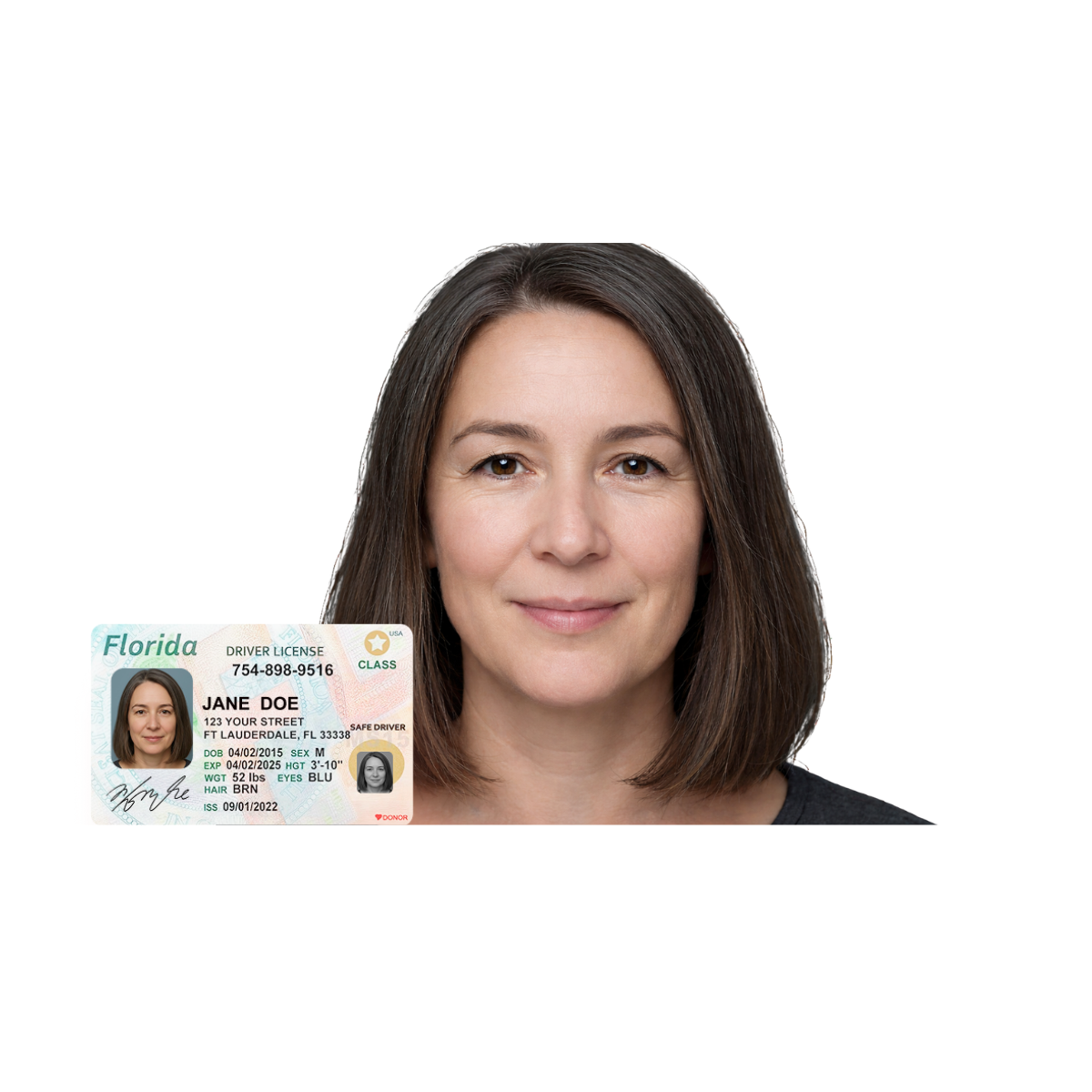
- Age verification documents are collected, commonly driver's licenses, passports, birth certificates, or Medicare cards, as required under HUD age-verification rules.
- Background and credit screening are conducted in accordance with community governing documents.
- The CAM reviews documentation for completeness and flags any eligibility questions, such as younger spouses, caregivers, or inherited property.
- The board reviews the application and votes on approval.
- Approval or denial is communicated to the applicant, and required documentation is retained for audit purposes.
Timing and consistency across this workflow are critical. HOPA focuses on occupancy, not ownership, so a younger person may own a unit, but the residency rules govern who actually lives there. CAMs must apply eligibility criteria carefully and document each decision in the same way across all applicants.

Compliance, Risk, and Governance in Age-Restricted Communities
Ongoing HOPA compliance matters because it directly affects a community’s ability to enforce age restrictions. Communities operating near the 80% threshold face increased exposure to fair housing complaints and HUD investigation if an applicant challenges the age-restricted status. Incomplete or inconsistent records are among the most common vulnerabilities in these situations.
Key governance considerations include:
- Recordkeeping: Age verification records must be maintained in auditable condition, including verification dates and the types of documents collected.
- Consistent application of rules: All applicants must be evaluated under the same documented criteria to reduce the risk of disparate treatment claims.
- Caregiver and surviving spouse documentation: Live-in caregivers under age 55 may be permitted if they provide documented medical or personal care for a qualifying resident, but policies vary by community and must be applied consistently.
- Lender compliance letters: A HOPA compliance letter for lenders should include the community name, confirmation of the 80% threshold, summary of age verification procedures, most recent survey date, reference to published intent policies, and the signer's name and title.
Structured processes that create consistent, retrievable records reduce exposure and support the association's ability to respond to audits, lender requests, or complaints.
Operational Pain Points in 55+ Approval Workflows
Many Florida associations face recurring operational problems in their 55+ approval processes, even with a clear regulatory framework.
- Inconsistent documentation: Different CAMs or board members may collect different documents from different applicants, which creates gaps that surface during audits or disputes.
- Email-heavy processes: Age verification requests, document collection, and approval communications spread across inboxes make it difficult to maintain a complete, organized record.
- Manual follow-ups: Chasing applicants, realtors, and owners for missing documents consumes significant staff time and delays approvals.
- Difficulty tracking the 80/20 threshold: Without centralized records, CAMs may struggle to confirm the community's current occupancy ratio in real time.
- Scalability problems: Communities managing multiple properties or high application volumes find that manual processes do not scale without adding headcount.
These challenges are common across many communities and reflect the limits of managing a federally regulated process with fragmented, manual tools.
Best Practices to Standardize 55+ HOA Approvals
Florida CAMs and boards that manage 55+ communities effectively tend to follow several connected operational practices.
- Define a standard document checklist: Specify which age-verification documents are accepted, such as driver's licenses, passports, birth certificates, or Medicare cards, and apply that list uniformly across all applicants. This standardization supports every later step.
- Communicate requirements clearly upfront: After the checklist is defined, provide applicants and realtors with that written list before the application begins to reduce incomplete submissions that require follow-up.
- Centralize records: As standardized documents arrive, store all age verification documents, approval decisions, and survey records in one searchable, retrievable system instead of spreading them across email folders and shared drives.
- Document special circumstances consistently: Younger spouses, caregivers, and inherited property situations each require specific documentation. Permissions for under-55 residents vary by community and must be confirmed in governing documents such as the CC&Rs.
- Conduct regular occupancy surveys: Execute the biennial surveys required under HOPA with consistent documentation standards across all units, rather than relying only on deed restrictions.
- Adopt digital tools that improve consistency: Purpose-built platforms reduce reliance on manual processes and support documentation standards across all applications.
Quick Self-Assessment of Your 55+ Approval Process
Associations gain clarity when they start with an honest assessment of their current state before selecting tools or redesigning workflows. The following dimensions provide a simple framework.
Documentation consistency: Confirm whether all applicants submit the same types of age-verification documents and whether special-circumstance cases, such as younger spouses or caregivers, follow the same documentation standards each time.
Operational efficiency: Review how many manual steps the CAM performs per application, how much time staff spend on follow-ups for missing documents, and whether approval timelines stay predictable.
Audit readiness: Consider whether the association could produce complete, organized documentation for every current resident if HUD or a lender requested records tomorrow, including verification dates and document types.
Scalability: Evaluate whether the current process can handle a 20% increase in application volume without adding staff or creating bottlenecks.
Any gaps in these areas signal that the current process needs structural improvement rather than small, isolated adjustments.
Frequently Asked Questions
What is the 80/20 rule for 55+ communities?
The 80/20 rule is a federal requirement under the Housing for Older Persons Act (HOPA) that at least 80% of occupied units in a qualifying 55+ community must have at least one resident who is 55 years of age or older. The remaining 20% of occupied units may house younger residents, including spouses or partners under 55 living with a qualifying resident, live-in caregivers, or individuals who have inherited property, subject to each community's governing documents. Vacant units do not count against the threshold, and communities that fall below the 80% mark risk losing their HOPA exemption and the ability to enforce age restrictions.
Can someone under 55 live in a 55+ community?
Yes, in limited circumstances. HOPA applies the age test at the household level, not to every individual occupant. A younger spouse or partner may reside in the community if at least one household member is 55 or older. Live-in caregivers under 55 may also be permitted when they provide documented medical or personal care for a qualifying resident, though this usually requires HOA approval and supporting documentation.
Some communities also permit under-55 residents through the 20% allowance in their governing documents. However, individual HOA CC&Rs may impose stricter minimum-age requirements for all permanent residents over 18, such as age 45 or 50, as long as the overall 80% threshold is maintained. Prospective residents should always review the specific rules in the community's governing documents.
What are the 55+ HOA resident age verification requirements?
To maintain HOPA status, 55+ communities must verify resident ages through reliable documentation and keep those records in auditable condition. HUD also requires communities to re-survey residents at least every two years and maintain records that show ongoing compliance. Age verification must be applied consistently across all applicants, because inconsistent practices can create fair housing exposure even when the 80% threshold is met.
What happens if a Florida 55+ community loses its HOPA exemption?
A community that falls below the 80% occupancy threshold or fails to maintain required documentation and published policies loses its HOPA exemption. The community can no longer legally enforce age restrictions and becomes subject to the Fair Housing Act's familial status protections, which means it must accept residents of any age, including families with minor children.
Loss of HOPA status can also affect real estate transactions, because lenders may require a valid HOPA compliance letter before approving FHA, VA, Fannie Mae, or Freddie Mac loans. Restoring HOPA status requires meeting all qualifying criteria again and maintaining proper documentation going forward.
Do Florida HOA governing documents affect 55+ age restrictions?
Florida HOA governing documents directly shape how age restrictions work in a specific community. While HOPA sets the federal baseline, individual covenants, conditions, and restrictions (CC&Rs) can impose stricter age-occupancy standards. For example, a community may require all permanent residents over 18 to be at least 45 or 50 years old, rather than simply requiring one occupant per household to be 55 or older.
Communities may also set their own policies on caregiver documentation, guest stays, and inherited property situations within the 80/20 framework. CAMs and board members should always confirm the specific provisions in their governing documents before making eligibility determinations.
How TenantEvaluation Streamlines Florida 55+ HOA Approvals
Manual, fragmented handling of age-restricted applications creates unnecessary administrative burden and documentation gaps for Florida associations. TenantEvaluation's 55+ Communities Verification is a built-in capability that reduces manual work, standardizes application handling, and supports documentation consistency across every application for Florida condos and HOAs.
CAMs and boards replace email threads, PDFs, and manual follow-ups with a structured workflow that improves operational efficiency and supports documentation consistency across applicants and properties. This structure strengthens the association's ability to maintain organized documentation for occupancy surveys, lender requests, and internal audits.
TenantEvaluation is built specifically for community associations and management companies, with FCRA compliance as the foundation. The platform processes over 100,000 applications annually across 5,000+ communities in Florida and has generated $150M for communities through its revenue-sharing model. Alongside 55+ Communities Verification, the platform includes QuickApprove for accelerated board-ready approvals, IDVerify for biometric identity confirmation, and Lease Tracking for centralized, real-time lease visibility and lifecycle control from application to occupancy.
For CAMs managing multiple communities or high application volumes, the platform removes repetitive manual work that slows approvals and creates inconsistency. It replaces scattered processes with one connected, scalable workflow.
Conclusion: Bring Structure to Your 55+ Resident Approval Process
HOA resident approval for 55+ communities in Florida involves a federally regulated framework, community-specific governing documents, and a multi-step documentation process that must be applied consistently across every applicant. The 80/20 rule, age verification requirements, surviving spouse and caregiver accommodations, and biennial re-survey obligations create a compliance environment where inconsistent or manual processes carry real operational and legal risk.
Florida CAMs and boards that standardize their workflows with clear document checklists, centralized records, and consistent application of eligibility criteria are better positioned to maintain HOPA status, satisfy lender requirements, and reduce administrative burden across their portfolios.
TenantEvaluation's 55+ Communities Verification provides the structure Florida associations need to move from fragmented manual processes to a consistent, scalable approval workflow, while still working alongside legal guidance.
