Written by: Luis Teran, Co-founder, CEO, TenantEvaluation
Key Takeaways for Florida HOA Rental Approvals
- Manual HOA rental approval workflows in Florida often stretch from days to weeks, which reduces occupancy revenue and increases administrative work.
- The 8-step HOA rental approval checklist covers notice of intent, tenant applications, ID, income proof, FCRA-authorized screening, executed leases with addenda, vehicle and pet documentation, and application fees capped at $150.
- Digital platforms like TenantEvaluation shorten the full approval cycle by up to 70% through automated document collection, smart-form logic, and FCRA-compliant screening.
- Common rejection triggers such as incomplete packets, low credit, unverifiable income, and missing addenda are prevented by automated validation and biometric identity verification before submissions reach the CAM queue.
- Centralized lease tracking, QuickApprove board-ready workflows, and 55+ age verification give Florida condos and HOAs real-time occupancy visibility and stronger compliance; explore the full platform at TenantEvaluation.
The Exact 8-Step HOA Rental Approval Checklist
This HOA rental approval checklist applies to Florida condos and HOAs. Every adult occupant aged 18 or older must complete steps 2 through 5 as a separate applicant.
- Submit a Notice of Intent to Lease or Owner Lease Request Form. This form includes the property address, lease dates, rent amount, and owner contact information and must arrive before the board begins review.
- Complete a signed tenant application for each adult occupant. Applications require full legal name, current and previous addresses covering the last 3–5 years, employment details, and signed authorization for credit, criminal background, and eviction history checks.
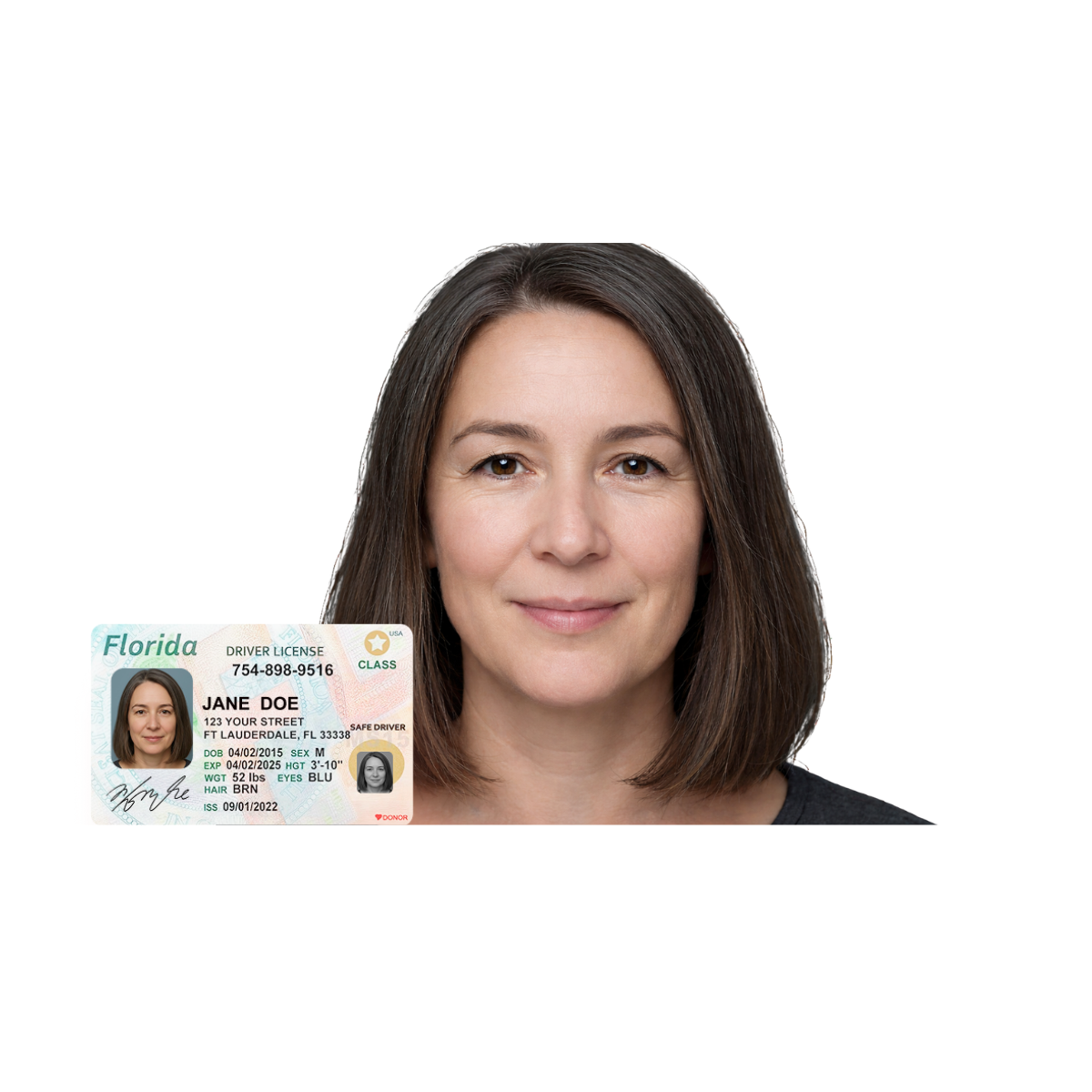
- Provide government-issued photo ID. A valid Florida driver’s license, state ID, or passport is required for each adult applicant.
- Submit proof of income. Acceptable documents include pay stubs, bank statements, offer letters, tax returns, or 1099 forms. Most Florida communities require gross monthly income of at least three times the monthly rent.
- Authorize background, credit, and OFAC screening. Under the Fair Credit Reporting Act, written applicant authorization is required before a consumer report is ordered. TenantEvaluation’s SafeCheck+ handles FCRA-compliant background checks with built-in adverse action workflows.
- Submit an executed lease incorporating mandatory association addenda. Required addenda commonly include rules-and-regulations riders, crime-free addenda, and peace-and-quiet enjoyment clauses signed by the landlord and all adult occupants.
- Provide vehicle registration, pet documentation, and ancillary forms. Vehicle tag number, make, model, and color are especially important in HOA-regulated communities. Pet forms must disclose breed, weight, and vaccination records where required.
- Pay the application fee. Under Fla. Stat. § 718.112, condominium associations may charge a maximum of $150 per applicant, with spouses or dependent children counted as one applicant. TenantEvaluation collects fees automatically during online submission and returns the net amount to the association through its revenue-sharing model, with no upfront costs.
HOA Approval Timelines for Florida Communities
Approval timelines vary significantly based on whether the process is manual or automated. Investors in Central Florida communities should budget approximately 3–4 weeks from tenant selection to move-in when board-meeting schedules or rental caps are factors. Digital platforms compress that window substantially. The comparison below shows where TenantEvaluation removes delays at each stage of the approval cycle.
| Stage | Manual Process | TenantEvaluation Digital Workflow | Time Saved |
|---|---|---|---|
| Application collection | 3–7 days (paper, email, follow-up) | Same day (online submission) | Up to 7 days |
| Document review | 2–5 days (manual verification) | Automated smart-form logic, instant rejection of incomplete submissions | Up to 5 days |
| Background and credit screening | 1–3 days for criminal/eviction, seconds to 24 hours for credit | Automated via SafeCheck+, results embedded in screening report | 1–2 days |
| Board review and approval | HOA board architectural review and approval typically takes 30 to 60 days | Same baseline timeline, with QuickApprove streamlining board coordination and voting | Up to 77% |
Digital HOA management platforms reduce administrative hours every month. TenantEvaluation delivers up to 70% time savings across the full approval cycle for Florida communities.
Required Documents for Florida HOA Rental Approval
Florida-specific HOA rental approval packets require more documentation than a standard landlord rental application. While the 8-step checklist above explains the process flow, this list outlines every document your applicants typically must provide.
- Completed tenant application with personal, financial, and contact details
- Government-issued photo ID (driver’s license, state ID, or passport)
- Proof of income such as pay stubs, bank statements, tax returns, or 1099 forms
- Signed authorization for credit, criminal background, and eviction screening
- Executed lease with all required association addenda
- Acknowledgment form confirming receipt of the association’s governing documents and rules, as required under Fla. Stat. § 718.112(2)(n)
- Vehicle registration details including tag number, make, model, and color
- Pet documentation such as breed, weight, and vaccination records where applicable
- 2026 mandatory Flood Risk Disclosure under Fla. Stat. § 83.512 for properties with a history of flooding
TenantEvaluation’s intelligent form logic adjusts requested documents based on applicant type and community profile. Incomplete submissions are rejected before they reach the CAM’s queue, which removes one of the most common causes of approval delays.
HOA Approval Letters and Board Communication
Florida condo and HOA tenant packages for board approval typically include a cover letter introducing the applicant alongside the completed application, financial statements, and references. An effective approval letter clearly addresses the applicant’s identity, occupancy intent, and acknowledgment of community rules.
For CAMs and boards, outbound approval communications must confirm the decision, reference the applicable governing documents, and, when a denial relies on a consumer report, satisfy FCRA adverse action notice requirements. These requirements include naming the reporting agency and explaining the applicant’s right to a free copy of the report.
QuickApprove generates customized approval letters and personalized welcome packages automatically within TenantEvaluation. This removes manual drafting from the CAM’s workflow and keeps communications consistent and professional for every applicant.
Common HOA Rental Rejection Reasons and Digital Fixes
The most common reason HOA applications are denied is an incomplete or inaccurate submission, such as missing documents, unsigned forms, or absent fees that force the review committee to reject the packet or restart the full cycle. Additional rejection triggers include:
- Credit scores below the community’s minimum threshold
- Criminal history that conflicts with the association’s screening criteria
- Unverified or insufficient income relative to rent
- Missing vehicle registration, pet forms, or association addenda
- Missing required tenant registration information such as emergency contacts or a signed lease copy, which can delay move-in even when all other documentation is complete
- Identity documents that cannot be verified through manual review
TenantEvaluation’s smart application form logic rejects incomplete submissions automatically before they enter the review queue. IDVerify adds biometric identity confirmation, and SafeCheck+ delivers FCRA-compliant background results embedded directly in the screening report, eliminating the manual gaps that generate most rejections. Once applications clear these validation steps, the next bottleneck becomes board review itself, which is where QuickApprove transforms the approval workflow.
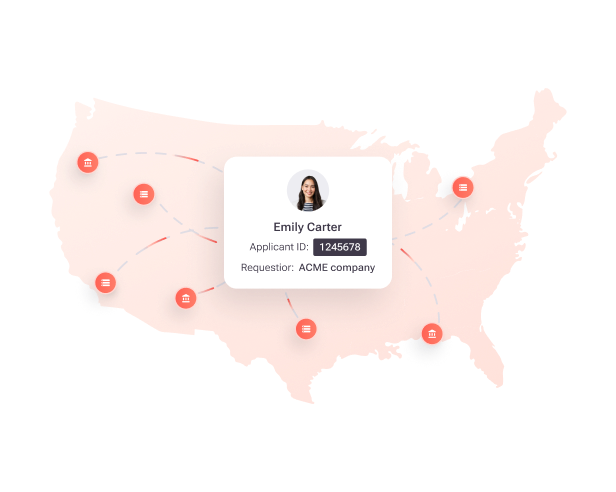
QuickApprove: Faster Board-Ready HOA Decisions
QuickApprove is TenantEvaluation’s accelerated approval workflow for CAMs, boards, and property management teams. It moves resident applications from submission to decision faster inside one connected platform while preserving control, compliance, and visibility.
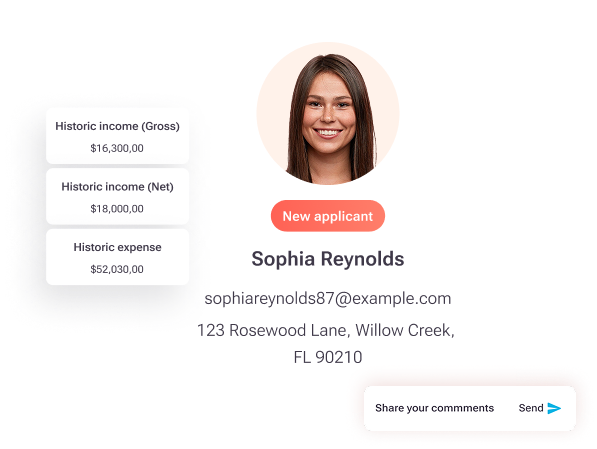
Before QuickApprove, approval workflows lived across email chains, spreadsheets, and manual follow-ups. Applications often waited for board review with no centralized visibility. Approval letters required extra manual drafting, and applicants repeatedly asked for status updates. After QuickApprove, the workflow changes in a connected sequence.
- Real-time application tracking replaces email-chain status checks, giving CAMs instant visibility into where each application stands.
- That visibility feeds into a board-ready approval process with a dedicated voting dashboard, which replaces manual coordination across emails and phone calls.
- Once the board approves, automated communication support generates customized approval letters, removing the drafting step that used to delay move-in notifications.
- The system then produces a personalized welcome package automatically at approval, so new residents receive consistent onboarding materials.
- Together, these automations reduce manual follow-ups by up to 70% and keep applications moving during peak seasons and in communities with complex onboarding requirements.
Given the 30–60 day baseline mentioned earlier, QuickApprove’s board-ready workflows deliver measurable acceleration across TenantEvaluation’s 5,000+ Florida communities.
IDVerify: Biometric Identity Checks for HOA Fraud Prevention
IDVerify introduces automated KYC verification directly inside the TenantEvaluation screening workflow. Traditional screening methods that rely only on document uploads cannot reliably prevent impersonation, synthetic identities, or stolen ID fraud. IDVerify addresses this through a multi-layer verification process that validates identity from several angles.
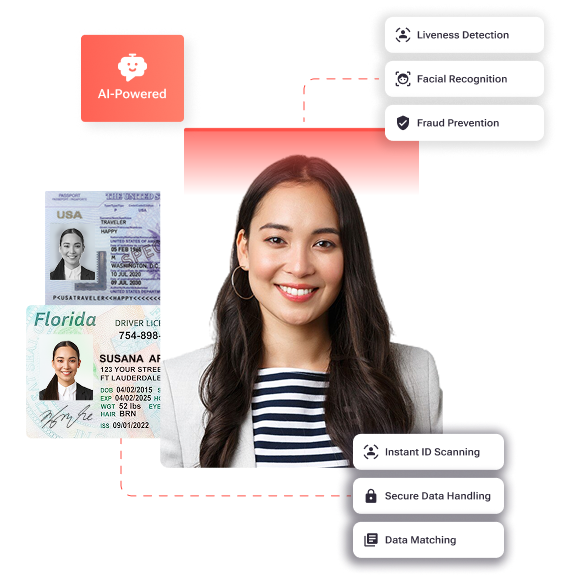
- First, government-issued ID authenticity validation confirms that the document itself is legitimate and not forged or altered.
- Next, AI-powered liveness detection confirms physical presence and blocks fraudsters from submitting photos of photos or pre-recorded videos.
- Then facial landmark recognition performs a biometric selfie-to-ID comparison, ensuring the person submitting the application matches the person pictured on the ID.
- Finally, all verification results are embedded directly in the CAM’s screening report, including ID authenticity confirmation, liveness status, and biometric match result, so the board sees a complete identity picture without leaving the platform.
Unlike competitors that redirect applicants to external portals, IDVerify operates natively inside TenantEvaluation, which preserves the screening workflow and maintains applicant trust within a single ecosystem. CAMs can enable it per condo or HOA and configure it per property portfolio to match each community’s risk profile.
55+ Communities Verification for Age-Restricted HOAs
Managing these requirements through fragmented manual processes such as emails, PDFs, and follow-up calls creates inconsistent documentation, extra administrative work, and operational risk. 55+ Communities Verification is a built-in capability within TenantEvaluation that helps Florida condos and HOAs standardize how age-restricted requirements are handled across applications. It reduces manual work, supports documentation consistency, improves operational efficiency, and strengthens internal processes for CAMs and boards managing age-restricted communities. This capability supports documentation and workflow standardization and does not replace legal guidance.
Lease Tracking for Real-Time HOA Occupancy Visibility
Lease management across many Florida community associations often feels fragmented, with missing or outdated lease copies, manual expiration tracking, disconnected spreadsheets, and no clear link between applications and active leases. TenantEvaluation’s Lease Tracking provides centralized, real-time lease visibility and lifecycle control from application to occupancy inside one platform.
Key capabilities include:
- Centralized lease records that replace folders, inboxes, and spreadsheets
- Real-time lease status visibility for active, pending, expired, or missing leases
- Automated lease document collection during onboarding
- Unit-level tracking connected to occupancy records
- Searchable digital history of leases, resident activity, and document trails
- Audit-ready digital lease records that support compliance readiness
Lease Tracking connects resident onboarding, unit data, approvals, and lease documentation into one streamlined workflow built for CAMs, boards, property management companies, and community operations teams. This reduces manual follow-ups, spreadsheets, and scattered email chains across every community in the portfolio.
Frequently Asked Questions
How long does HOA rental approval take in Florida?
Timeline depends on whether the process is manual or digital. Manual workflows in Florida HOAs and condos commonly extend to the 3–4 week range noted earlier, particularly when incomplete packets force resubmission cycles. Some governing documents specify processing windows of 24–72 hours or up to 5 business days once a complete packet is received, but that clock does not start until all required items are submitted. TenantEvaluation’s digital workflow compresses the full cycle by up to 70% by automating document collection, screening, and board review inside one connected platform.
Who is responsible for submitting the HOA rental approval application?
In most Florida communities, the unit owner or landlord initiates the process by submitting a notice of intent to lease or an owner lease request form. Each adult occupant aged 18 or older must then complete a separate tenant application, provide identification, authorize screening, and sign required association addenda. Realtors frequently coordinate packet assembly on behalf of owners and applicants. TenantEvaluation supports CAMs, applicants, and realtors through a single online portal accessible 24/7 via web or mobile app, with automated notifications keeping every party informed of status and missing items.
What happens if an HOA rental application is denied?
When a denial is based in whole or in part on information in a consumer report, the association must satisfy FCRA adverse action notice requirements. These include providing the applicant with the name, address, and phone number of the consumer reporting agency that supplied the report, a statement that the agency did not make the decision and cannot explain the specific reason for it, and notice of the applicant’s right to a free copy of the report within 60 days and to dispute inaccurate information. TenantEvaluation includes automated adverse action workflows as a core compliance feature, which helps associations meet these obligations without manual drafting.
Can a Florida HOA reject a tenant after the landlord has accepted a deposit?
Florida condominium associations and HOAs with rental approval authority in their governing documents can reject individual tenants even after a landlord has accepted a deposit, provided the rejection is based on criteria that are applied uniformly and do not violate the Fair Housing Act. Failure to comply with the association’s rental restrictions can result in daily fines, legal action including injunctive relief, and forced delays in move-in. TenantEvaluation’s customizable screening criteria, configured to each community’s governing documents, help ensure that approval decisions are consistent, documented, and defensible.
Does Florida law set a deadline for HOA rental application decisions?
Florida Statute § 83.683 requires landlords to process rental applications from servicemembers within 7 days after submission, notify them in writing of approval or denial with reasons if denied, and lease the unit if a timely denial is not provided and all other application and lease terms are met. For non-military applicants, the timeline is governed by the association’s specific governing documents rather than a universal state statute. Many Florida governing documents specify review windows of 5 business days to 15 days from receipt of a complete packet. TenantEvaluation’s real-time tracking and automated board reminders help communities meet their governing-document deadlines consistently.
Conclusion: Modernize Your Florida HOA Rental Approvals
Manual HOA rental approval processes cost Florida communities time, revenue, and confidence in compliance. Incomplete packets stall reviews, email chains obscure board decisions, and spreadsheets lose lease records. TenantEvaluation replaces each of those failure points with a single FCRA-compliant digital platform built specifically for Florida condos and HOAs, from the 8-step HOA rental approval checklist through QuickApprove board-ready decisions, IDVerify+ biometric fraud prevention, 55+ Communities Verification, and centralized Lease Tracking.
With 5,000+ communities, 100,000+ applications processed annually, and a 4.8/5 Google rating, TenantEvaluation turns rental approvals from an administrative burden into a controlled, revenue-generating workflow. Ready to modernize your HOA rental approval process? Book your demo and see the difference in your next review cycle.
