Written by: Luis Teran, Co-founder, CEO, TenantEvaluation | Last updated: July 3, 2026
Key Takeaways for Florida HOA and Condo CAMs
- HOA resident onboarding in Florida runs through six stages, from application intake to occupancy tracking. Each stage carries specific compliance obligations that create downstream risk when gaps appear.
- Three platform categories serve community associations: specialized onboarding platforms, accounting-heavy suites like AppFolio and Buildium, and background-screening-only tools. Each category has clear strengths and limits.
- FCRA compliance requires documented permissible purpose, written authorization, adverse action workflows, and complete audit trails. These capabilities vary widely across platform types.
- Common failure points include incomplete applications, identity fraud from document-only review, fragmented lease records, lengthy email-based board approvals, and inconsistent 55+ documentation.
- TenantEvaluation delivers purpose-built automation for Florida HOAs and condos with FCRA compliance, biometric verification, board voting dashboards, and lease tracking. See how the full workflow operates in a live walkthrough.
Automating HOA Digital Welcome Packets
Automated welcome packet delivery now functions as a baseline expectation for professionally managed communities. CAMs expect customized approval letters, community rules, and move-in instructions to send automatically after approval. Platforms that require manual assembly of these materials add avoidable administrative hours and introduce inconsistency across applicants.
FCRA-Compliant HOA Screening Workflows
The Fair Credit Reporting Act governs how consumer reports are obtained, used, and disclosed in resident screening. For community associations, FCRA compliance requires permissible purpose controls, written authorization from applicants, adverse action workflows when applications are declined, and auditable records of every screening decision. Platforms that aggregate data from non-bureau sources or lack built-in adverse action workflows expose associations to material liability.
Florida HOA Market Landscape and Volume Pressure
Florida hosts one of the highest concentrations of community associations in the United States. The state’s HOA and condo market spans thousands of managed communities across Miami-Dade, Broward, Palm Beach, Hillsborough, Pinellas, and Sarasota counties. TenantEvaluation alone processes approximately 100,000 applications annually across 5,000+ communities, which reflects the volume pressure Florida CAMs manage every year.
The shift from spreadsheets and email chains toward automated workflows continues to accelerate. Three forces drive this shift: rising identity fraud exposure, higher board governance expectations, and the administrative burden of high-volume application seasons in coastal and retirement markets. Biometric verification and board voting dashboards now act as clear differentiators that separate purpose-built platforms from general-purpose suites. Generic property management software was not designed to surface a board-ready applicant summary, trigger a structured vote, and generate a compliant adverse action letter inside a single workflow. Specialized platforms handle that end to end.
Ready to see how automation changes your onboarding workflow? Schedule a demo to see the difference.
How Market Forces Show Up in Daily CAM Workflows
These market forces translate directly into operational choices at the community level. A typical manual onboarding workflow at a Florida condo association starts with a CAM emailing a PDF application to a prospective resident. The CAM then waits for a scanned return, manually reviews documents for completeness, forwards a package to board members by email, collects votes through reply threads, and drafts an approval or denial letter by hand. This process can take several business days and often lacks a structured, auditable record.
An automated workflow on a specialized platform compresses the same process to hours. The applicant completes a 100 percent online application, uploads documents directly, pays the application fee, and passes through identity verification before the file reaches the CAM’s dashboard. The CAM reviews a complete, auto-checked package. The board accesses a structured voting panel. Approval letters and welcome packets generate automatically.
Standardizing 55+ Community Application Verification
Age-restricted communities operating under the Housing for Older Persons Act face additional documentation requirements that generic platforms handle inconsistently. 55+ Communities Verification within TenantEvaluation standardizes how age-restricted requirements are handled across applications. CAMs reduce manual work, improve documentation consistency, and strengthen operational efficiency for Florida condos and HOAs. This workflow standardization supports documentation consistency while leaving legal guidance with association counsel.
Lease Tracking Built for Community Associations
Lease management across many community associations remains fragmented. CAMs often deal with missing lease copies, manual expiration tracking, disconnected spreadsheets, and no direct connection between applications and active occupancy records. TenantEvaluation’s Lease Tracking delivers centralized, real-time lease visibility and lifecycle control, connecting resident onboarding, unit data, approvals, and lease documentation in one audit-ready workflow. CAMs see real-time lease status, access searchable digital history, and remove operational blind spots created by scattered email chains and folder-based storage.
QuickApprove accelerates resident approvals inside one connected platform. CAMs, boards, and property management teams gain real-time application tracking, automated communication support, customized approval letters, and a personalized welcome package. The workflow supports high-volume seasons and communities with complex onboarding requirements without sacrificing control, compliance, or visibility.

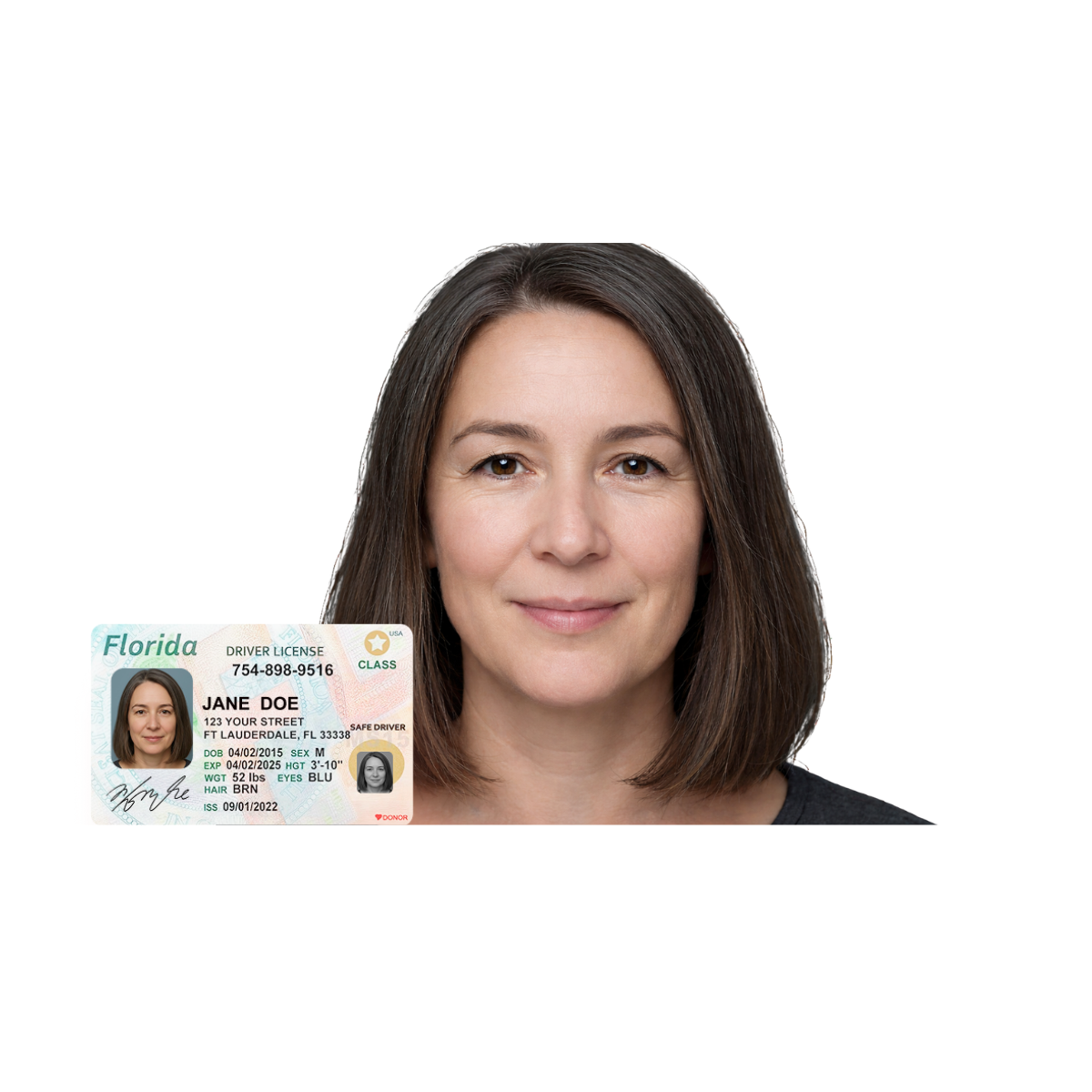
IDVerify introduces biometric identity verification directly into the screening workflow. It combines government ID validation, AI-powered liveness detection, and biometric selfie-to-ID comparison. Communities move from document-based review to biometric-confirmed identity verification, which creates a meaningful fraud-prevention upgrade for condo boards and HOA communities facing rising impersonation and synthetic identity risk.

Compliance Risk and Governance Considerations
FCRA compliance forms the structural foundation of any resident screening program, not an optional feature layer. For community associations, key compliance requirements include documented permissible purpose for each consumer report, written applicant authorization prior to screening, adverse action notices that meet statutory content and timing requirements, and complete audit trails linking each screening decision to its authorization record.
TenantEvaluation is built specifically for community associations and management companies, with FCRA compliance as the foundation, not an afterthought. The platform addresses these requirements structurally. As a direct reseller of TransUnion and Equifax data, TenantEvaluation operates under strict bureau rules with regular compliance reviews, which keeps data provenance aligned with permissible purpose standards. Built-in adverse action workflows automate statutory notice steps when applications are declined. Automatic redaction of sensitive PII, PCI Level 1 compliance, and end-to-end encryption protect audit trail integrity. No platform, including TenantEvaluation, guarantees specific legal outcomes. Associations should maintain independent legal counsel for compliance determinations.
Common Challenges and Failure Points in HOA Onboarding
The most frequent failure points in HOA resident onboarding follow a consistent pattern:
- Incomplete applications: Manual intake processes allow incomplete submissions to advance, which creates rework cycles and delays.
- Identity fraud from document-only review: Uploaded ID documents cannot confirm physical presence or detect synthetic identities without biometric validation.
- Fragmented lease records: Lease copies stored across inboxes, folders, and spreadsheets create occupancy blind spots and compliance exposure during audits.
- Lengthy board approval cycles: Email-based board voting lacks structure, creates no audit trail, and stalls during peak seasons when volume is highest.
- Inconsistent 55+ documentation: Age-restricted communities relying on manual processes produce inconsistent records that create risk exposure in disputes or audits.
Each failure point compounds the others across the full lifecycle. An incomplete application delays screening and pushes back board review. A board review conducted over email produces no auditable record and separates decisions from supporting documents. Identity fraud, fragmented lease records, and inconsistent 55+ documentation then increase the impact of any dispute or audit. The cumulative effect is higher administrative burden, greater compliance exposure, and slower revenue realization for the association.
Best Practices and Emerging Operational Standards
Purpose-built platforms for community associations now converge on a set of emerging operational standards, driven by the failure points above. Each standard addresses a specific gap in manual workflows:
- Biometric identity verification closes document-only fraud exposure by confirming liveness and matching faces to government IDs.
- Board voting dashboards replace email chains that lack structure and audit trails with timestamped, centralized vote records.
- Automated lease document collection during onboarding removes fragmented records and ties leases directly to unit-level occupancy.
- Configurable 55+ workflows standardize age-restricted documentation across a portfolio and reduce per-application CAM intervention.
- Revenue-sharing pricing models align platform incentives with association throughput and remove upfront software fees.
Generic rental platforms and accounting-heavy suites were not designed around these workflows. The board voting dashboard, biometric verification layer, and 55+ documentation standardization that Florida CAMs require are often absent or depend on third-party integrations that fragment the audit trail.
Evaluate your current platform against these standards. See how TenantEvaluation maps to each standard in a guided session.
Evaluation Criteria and Decision Framework for CAMs
The table below scores three platform categories on criteria most relevant to Florida CAMs evaluating HOA resident onboarding proptech. Scores reflect publicly documented capabilities as of mid-2026. All platform characterizations come from company-published feature documentation.
| Evaluation Criterion | TenantEvaluation | Accounting-Heavy Suites (e.g., AppFolio, Buildium, Vantaca) | Background-Screening-Only Tools (e.g., ApplyCheck, Verify Screening Solutions) |
|---|---|---|---|
| Onboarding automation depth (A–Z) | Full lifecycle: intake, documents, screening, board approval, lease, occupancy | Partial: strong on financials, limited on board workflows and document collection | Screening report only, no onboarding lifecycle management |
| FCRA compliance foundation | Direct bureau reseller (TransUnion, Equifax), built-in adverse action, permissible purpose controls, audit trails | Varies by platform, typically third-party screening integrations | Varies, some use TazWorks white-label, bureau relationships not always direct |
| Board voting dashboard | Dedicated board panel with AI-generated summaries, structured voting, timestamped audit trail | Not purpose-built for HOA board workflows | Not available |
| Biometric identity verification | IDVerify: government ID validation, AI liveness detection, biometric selfie-to-ID match, native to platform | Not standard, requires third-party integration | Not available in document-only tools |
| Lease lifecycle visibility | Centralized real-time lease tracking: active, pending, expired, or missing status, unit-level records, audit-ready | Lease storage available, not connected to onboarding lifecycle | Not available |
| 55+ community support | 55+ Communities Verification: standardized age-restricted documentation workflow built for Florida HOAs | Not purpose-built for age-restricted community workflows | Not available |
| Pricing model | Pay-per-application, revenue-sharing with no upfront fees | Monthly subscription fees, per-unit monthly pricing | Per-report fees, no revenue-sharing model |
Decision framework for CAMs and operations executives: Map your current process against each criterion above. If your board approval workflow lives in email, your lease records live in spreadsheets, your identity verification relies on document uploads alone, or your 55+ documentation is handled manually per application, each gap represents measurable administrative burden and compliance exposure. Platforms that score across all seven criteria without third-party integrations produce the most defensible audit trail and the lowest total operational cost.
Frequently Asked Questions
How specialized HOA onboarding platforms differ from general property suites
A specialized HOA onboarding platform centers on the specific workflows of community associations. These workflows include board approval processes, age-restricted community documentation, FCRA-compliant screening with direct bureau access, biometric identity verification, and lease lifecycle tracking connected to occupancy records. General property management suites prioritize accounting, maintenance, and communication features, with screening added as a secondary capability. For Florida CAMs managing condos and HOAs, this distinction matters because board governance workflows, 55+ documentation requirements, and audit-trail depth rarely appear as standard features in general-purpose platforms.
What FCRA compliance requires from HOA screening platforms
FCRA compliance for community association screening centers on four structural obligations. First, the association must document a permissible purpose before pulling any consumer report, and the platform should enforce this at the workflow level. Second, written authorization must be obtained from the applicant before screening begins. Third, when an application is declined based on screening results, the association must provide adverse action notices that meet specific content and timing standards. Finally, complete audit trails must link each decision to its authorization. The key distinction lies between platforms that build these obligations into the workflow and those that treat compliance as the user’s responsibility. Platforms that are direct resellers of bureau data, rather than aggregators or scrapers, provide stronger compliance infrastructure because data access occurs under strict bureau rules with regular audits. No platform guarantees legal compliance outcomes, so associations should maintain independent legal counsel.
How biometric identity verification reduces risk for HOA and condo communities
Traditional document-based screening cannot confirm that the person submitting an application is the same person whose identity documents were uploaded. Biometric verification adds a layer that validates physical presence through AI-powered liveness detection and matches the applicant’s face to their government-issued ID using facial landmark recognition. Communities move from document-based review to biometric-confirmed identity verification, which reduces exposure to stolen IDs, impersonation attempts, and synthetic identities. For boards and CAMs, this shift produces stronger approval confidence before a resident enters the community.
What Florida CAMs should evaluate in lease tracking capabilities
Effective lease tracking for community associations requires centralized, real-time lease status visibility across all units, not just document storage. Key capabilities include real-time status indicators, automated lease document collection during the onboarding workflow, unit-level tracking connected to occupancy records, searchable digital history of lease activity, and audit-ready records that support compliance readiness. The critical differentiator is whether lease tracking connects to the onboarding lifecycle, including applications, approvals, and unit data, or exists as a separate storage system. Disconnected storage does not remove the operational blind spots created by spreadsheets and email chains.
Conclusion: Choosing a Platform Built for Florida HOA Workflows
The three platform categories serving Florida community associations in 2026, specialized onboarding platforms, accounting-heavy suites, and background-screening-only tools, differ materially on the criteria that matter most to CAMs and boards. These criteria include FCRA compliance depth, board approval workflows, biometric identity verification, lease lifecycle visibility, and 55+ community documentation standardization. General-purpose suites and screening-only tools leave identifiable gaps in each of these areas.
The decision framework in this guide provides a structured basis for evaluating your current process against each criterion. If manual workflows, fragmented lease records, email-based board approvals, or inconsistent 55+ documentation appear in your operations today, each represents a measurable risk and cost that purpose-built automation can address.
TenantEvaluation is built specifically for community associations and management companies, with FCRA compliance as the foundation, not an afterthought. With the scale and revenue-sharing model described earlier, TenantEvaluation aligns with the workflows Florida CAMs actually manage. Request a personalized demo and experience the complete onboarding lifecycle.
