Written by: Luis Teran, Co-founder, CEO, TenantEvaluation
HOA onboarding can shape a community’s success by making new residents feel welcome and ensuring smooth operations. Many associations, however, face challenges with outdated methods that cause delays and frustration. Let’s explore seven practical tools and strategies to enhance your HOA onboarding, focusing on efficiency, compliance, and a better experience for everyone involved.
Why Modernizing HOA Onboarding Matters
Outdated tools and manual processes often create hurdles for staff and residents, leading to communication gaps and delays. Switching to digital solutions can address these issues, improve engagement, and ensure your operations run smoothly from the start.
Sticking with old methods wastes staff time on repetitive tasks and raises the risk of errors or compliance issues. For Community Association Managers and Board members, this can mean higher costs, legal concerns, and unhappy residents, which may even affect property values over time.
1. Simplify Onboarding with a Single Digital Platform
Centralize to Avoid Tool Overload
Using multiple disconnected tools creates confusion for staff and applicants, slowing down the process. A single digital platform brings everything together, from applications and documents to background checks and payments. This setup cuts down on errors and ensures all information is in one place.
Without integration, important details can slip through. Documents get misplaced, messages scatter across channels, and staff spend extra time fixing issues. A unified system prevents these problems, speeds up reviews, and keeps everyone on the same page.
Offer an Easy, User-Friendly Experience
A platform that’s simple to use, whether on a phone or computer, encourages residents and realtors to engage. This reduces abandoned applications and support requests. Look for tools that adapt to local rules, especially Florida regulations, to keep onboarding straightforward.
People expect digital tools to work as smoothly as everyday apps. Meeting this expectation builds trust, cuts down on mistakes, and creates a positive first impression for new residents joining your community.
One Florida management company saved 50 hours daily and cut processing time by half with TenantEvaluation, resulting in $240,000 in yearly savings. This shows how digital tools can free up time for more valuable work, like connecting with residents or planning community improvements.
Schedule a demo today to see how TenantEvaluation can simplify applications and strengthen compliance for your HOA.
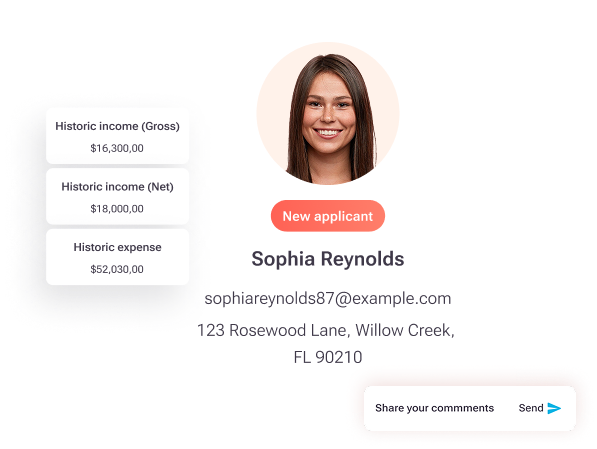
2. Boost Accuracy with Smart Forms and Automated Reviews
Cut Down on Incomplete Applications
Incomplete applications are a common frustration in HOA onboarding. Smart forms adjust questions based on an applicant’s answers, ensuring only relevant information is requested. This reduces errors and limits the need for follow-ups, saving time for property managers.
For instance, if someone applies as a tenant rather than a buyer, the form shows only tenant-related fields. This keeps things clear, lowers the chance of abandoned forms, and ensures staff receive complete submissions right away.
Speed Up Document Checks
Automated systems can review documents like leases or IDs, flagging issues before staff get involved. Instead of manually checking each file, the tool alerts applicants to fix errors, streamlining the process and maintaining accuracy.
These systems verify key details, such as signatures on agreements or valid ID information. If something’s off, applicants get specific feedback to correct it early, reducing delays and staff workload.
Meet Florida’s Unique Rules
Florida’s regulations often require tailored processes that standard tools can’t handle. Platforms like TenantEvaluation allow custom rules for document checks and application paths, whether for tenants or buyers. They also protect sensitive data by automatically hiding personal details, supporting privacy compliance.
3. Prioritize Security and Compliance Early On
Protect Data with Strong Safeguards
Handling applicant information manually increases the risk of breaches and regulatory issues. Modern tools use high-level security, like encryption for data at rest and in transit, plus automatic masking of sensitive details, such as Social Security numbers.
Security goes beyond basics, with protected storage, restricted access, and layered defenses. These measures keep data safe while allowing staff to access only what they need for reviews.
Stay Ready for Audits
Compliance with fair housing laws and regulations, including the Fair Credit Reporting Act for background checks, is critical. A solid system tracks every action, approval, and message, creating a clear record for audits and reducing legal risks.
This detailed log shows who did what and when, providing essential proof during reviews or disputes. It simplifies demonstrating adherence to rules and protects your association.
Reduce Risks with Built-In Tools
Look for features like secure storage, applicant portals, and controlled access for staff. Integrated options for compliant background checks and income verification also help lower liability, keeping both the HOA and applicants secure.

4. Speed Up Board Approvals with Focused Dashboards
Eliminate Delays in Reviews
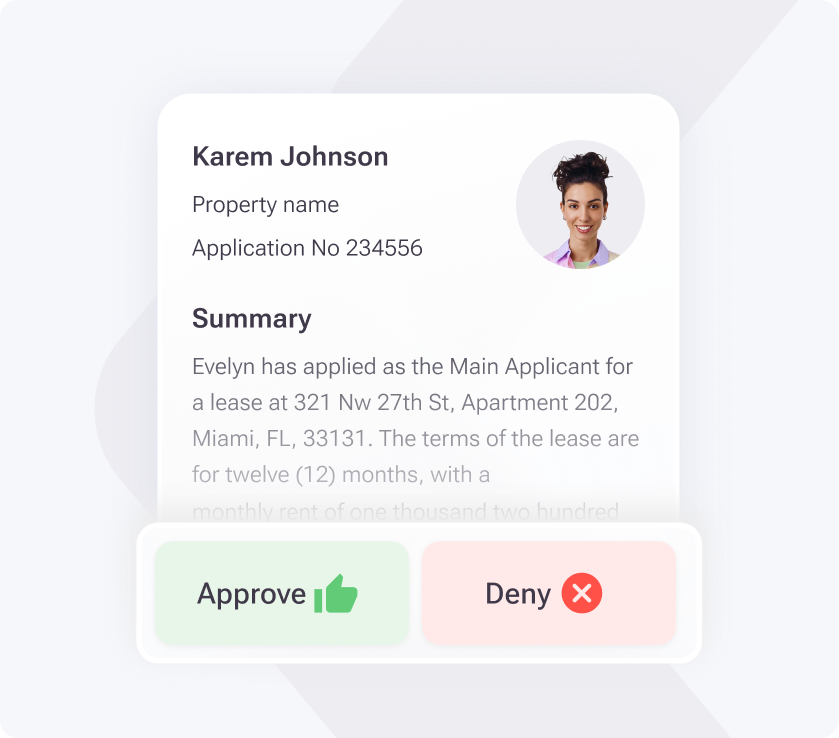
Board approvals often slow down onboarding due to manual document handling. A dedicated dashboard, like TenantEvaluation’s QuickApprove, centralizes all data, letting board members review and vote quickly without endless emails.
Old methods, like mailing papers or chasing responses, waste time. A digital dashboard offers secure access anytime, so decisions happen faster while following proper guidelines.
Support Clear Decision-Making
Having full visibility into application status and concise reports helps board members decide confidently. Tools like QuickApprove summarize key details, ensuring focus on what matters most for efficient approvals.
These summaries highlight critical info, like credit or background check results, so boards don’t need to sift through piles of documents. This clarity saves time and aligns with smart fund management.
Tailor Workflows for Better Oversight
Custom approval paths, secure access, and detailed action records empower boards to act swiftly and transparently. Many HOAs using these dashboards report up to 70% faster approvals, addressing delays effectively.
5. Use Detailed Screening and Analytics for Community Fit
Screen Applicants Thoroughly
Onboarding isn’t just about paperwork; it’s about finding residents who match your community. With TenantEvaluation, screening covers credit, background, ID, income, and references, offering a full picture for informed decisions.
Advanced checks include employment history and cross-database searches. This depth helps spot potential concerns early, protecting the community and current residents from future issues.
Gain Insights for Community Planning
Platforms like TenantEvaluation provide data on trends, such as resident profiles or rental patterns. This information guides decisions on amenities or services, helping boards plan for long-term growth.
For example, noticing more electric vehicle users could prompt installing chargers. These insights allow proactive steps that boost resident satisfaction and property value.
Customize Screening for Your Needs
Choose tools with flexible criteria, wide-ranging background checks, and tailored reports. Visual dashboards turn data into actionable steps, so your community standards are consistently met.
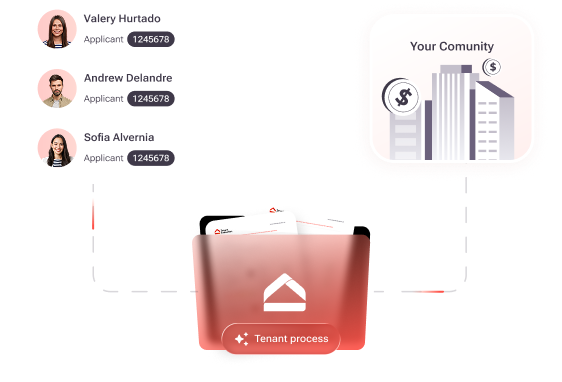
6. Improve Applicant Experience with Round-the-Clock Support
Provide Instant Help Anytime
Applying to an HOA can be confusing, especially for non-native speakers. TenantEvaluation offers 24/7 AI chat in 11 languages, answering questions quickly, cutting frustration, and easing staff workload.
AI handles basic queries about forms or timelines right away. This keeps applicants moving forward and lets staff focus on more complex tasks that need a personal touch.
Keep Everyone Updated Automatically
Timely updates on application status or missing items reduce applicant stress. Automated notifications share progress instantly, improving communication for applicants and realtors alike.
These updates confirm uploads, request corrections, or report decisions as they happen. Clear communication builds trust and shows the HOA’s commitment to service.
Match Today’s Service Standards
Applicants expect convenience, like self-service options and mobile access. Meeting these needs with tools from TenantEvaluation sets a positive tone for long-term resident relationships.
7. Turn Onboarding into a Financial Opportunity
Streamline Fee Collection
Manual fee handling often means chasing payments and extra work. Digital platforms integrate payment collection into applications, ensuring fees are paid upfront and reducing staff effort.
Requiring payment at submission filters out non-serious applicants. This approach saves time and ensures processing costs are covered from the start.
Benefit from Revenue Sharing
TenantEvaluation’s revenue-sharing model returns a portion of fees to your HOA after service costs. This shifts onboarding from an expense to a potential income source for community needs.
This model creates a partnership, as the provider’s success ties to your community’s. It offers real financial gains while pushing for ongoing service improvements.
The right tool should detail its fee structure clearly and support varied payment options for applicant ease. TenantEvaluation has helped communities earn $150 million through efficient fee systems.
Schedule a demo today to learn how TenantEvaluation’s model can turn your application process into a revenue source.
|
Feature/Aspect |
Manual Onboarding |
Digital Onboarding with TenantEvaluation |
|
Application Time |
Weeks, frequent delays |
Days, often real-time |
|
Document Handling |
Paper-based, error-prone |
Digital, secure, auto-validated |
|
Board Approvals |
Slow, scattered communication |
Centralized dashboard, up to 70% faster |
|
Compliance Risk |
High, manual data handling |
Low, auto-redaction, audit logs |
|
Support |
Limited, language barriers |
24/7 AI chat, 11 languages |
|
Revenue Potential |
Costly, manual fees |
Income source, automated collection |
Common Questions About HOA Onboarding Solutions
How Can We Ease Tech Adoption in Our HOA?
Resistance to new tools often fades when benefits are clear. Show how automation saves time on repetitive tasks. Offer varied training, like videos or live sessions, and assign team advocates to help others adjust. Highlight early successes to build confidence and keep communication open about the support available.
What Features Matter for Florida Compliance?
For Florida HOAs, choose platforms with flexible customization for local rules. Key features include strong ID checks, background screening that meets legal standards, and automatic data protection. Ensure the tool supports detailed approval processes and keeps thorough records for audits, aligning with state-specific needs.
How Does Technology Enhance Applicant Communication?
Digital tools improve communication with instant support via AI chat and automated updates on application progress. Centralized portals keep messages in one place, avoiding email clutter. Mobile-friendly access lets applicants engage easily, meeting their expectations for convenience.
What Security Should We Expect in a Platform?
Prioritize tools with top security standards, like full data encryption and automatic masking of personal info. Secure storage, backup systems, and limited access controls are vital. Detailed logs of all actions help with compliance, protecting sensitive applicant data at every step.
How Can Onboarding Tools Create Income for Our HOA?
Digital platforms turn onboarding into a financial asset by automating fee collection, ensuring payments upfront. Models like TenantEvaluation’s revenue sharing send a portion of fees back to your HOA. Efficient processes also cut staff costs, redirecting funds to community projects.
Closing Thoughts: Digital Onboarding Is the Way Forward
HOA management is changing, and sticking to manual onboarding isn’t practical anymore. Adopting digital tools, from unified platforms to automated processes, offers more than just efficiency. It creates a welcoming, compliant experience for new residents.
These solutions cut down on staff workload, lower risks, and even provide income opportunities. Data from platforms can guide future planning, while meeting modern resident expectations builds stronger community ties. Investing in this shift now prepares your HOA for tomorrow’s challenges.
Schedule a demo today to discover how TenantEvaluation can enhance your HOA onboarding and support community growth.
