
Key Takeaways
- HOA-specific resident screening and onboarding tools help boards apply rules consistently, reduce risk, and speed up approvals.
- Customizable compliance workflows and clear audit trails support Florida and community-specific regulations with less manual oversight.
- Board-ready dashboards, strong data security, and automation features reduce email back-and-forth and protect sensitive resident information.
- Analytics and sustainable pricing models, including revenue sharing, give communities better insight and financial flexibility.
- Tenant Evaluation offers HOA-focused screening, compliance, and board tools that you can explore by scheduling a demo.
1. Robust and HOA-Specific Resident Screening & Onboarding
Effective HOA management software starts with strong resident screening and onboarding that reflect HOA rules, not just generic rental workflows. The platform should gather the right data, validate it, and guide applicants through each step without extra back-and-forth.
Key screening capabilities to look for include:
- Digital application portals for owners, tenants, and purchasers
- ID verification and income verification tied to your criteria
- FCRA-compliant background checks and credit checks
- Configurable questions based on applicant type
- Multi-language support and 24/7 assistance, including AI chat
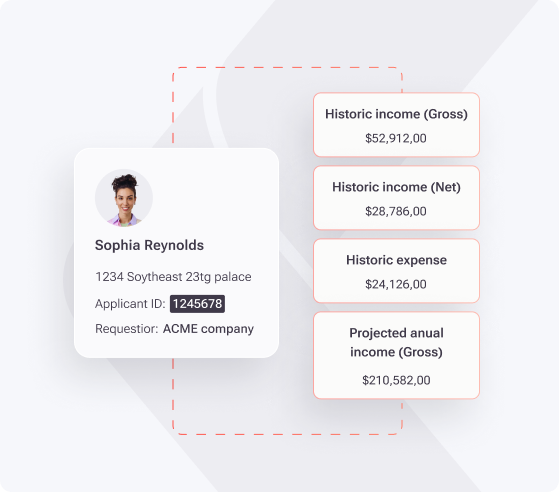
Smart form logic that adapts to applicants helps prevent incomplete submissions and reduces staff time spent chasing missing documents. Multi-language tools also support fair access for diverse communities.
One Florida-based management company using Tenant Evaluation reports saving $240,000 per year after streamlining screening, cutting processing time by 50 percent while reducing manual handling of sensitive documents.
Schedule a demo to see how HOA-focused screening can simplify your resident onboarding.
2. Customizable Compliance and Florida-Specific Regulatory Adherence
Reliable HOA software aligns with your governing documents and state or local regulations, especially in states like Florida that have detailed community association requirements.
Look for software that allows you to configure:
- Minimum credit scores and income standards
- Deposit, move-in, and move-out rules
- Required forms, affidavits, and association documents
- Community-specific waiting periods or interview steps
Embedding your rules into the workflow ensures applicants see and follow the right requirements from the start. Clear audit trails, time stamps, and stored decisions support compliance reviews and protect boards and managers during disputes.
Platforms such as Tenant Evaluation provide Florida-specific templates and workflows that support state requirements while still allowing community-level customization.
3. Enhanced Board of Directors Visibility and Decision-Making Tools
Board members need fast, accurate information to approve or deny applications and enforce community standards. HOA software should give boards a dedicated view of what they need, without exposing unnecessary personal details.
Helpful board tools include:
- Dedicated dashboards with application summaries and risk indicators
- Built-in voting panels and decision logs
- Central access to supporting documents
- Real-time status updates for every application
Tenant Evaluation’s QuickApprove feature offers a focused board dashboard with streamlined voting and clear summaries that reduce email chains and delays.

Secure access controls and audit trails help boards maintain transparency while protecting sensitive personal data. This structure supports consistent, documented decisions across the community.
4. Advanced Data Security and Privacy Features
Strong data security protects residents, applicants, and the association from financial and legal risk. HOA software must handle Social Security numbers, bank records, and background data with the same rigor as financial institutions.
Core security features to prioritize include:
- End-to-end encryption for data in transit and at rest
- Automatic redaction of Social Security numbers and account information
- PCI Level 1 compliant infrastructure for payment data
- Granular access controls and activity logs
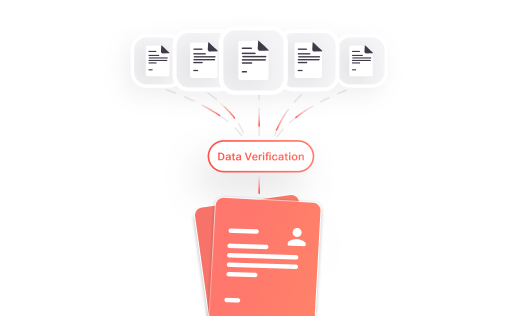
Automatic redaction limits who can see sensitive information, reducing exposure if a document is misrouted or accessed by the wrong person. Bank-level encryption and secure storage add further protection while still keeping information available for authorized users.
Tenant Evaluation incorporates these controls to support compliant, secure handling of resident and applicant data.
5. Operational Efficiency Through Automation and Integration
Efficient HOA teams rely on automation to manage high application volumes, document collection, and communications. The right software reduces time spent on manual tasks and data entry.
Automation features that support CAMs include:
- Automated document requests and reminders
- Real-time status notifications for applicants, managers, and boards
- Built-in document verification and validation checks
- Integration with accounting or property management systems
A Florida management company using Tenant Evaluation reports saving 50 staff hours per day while also improving data security, supporting both productivity and compliance.
6. Comprehensive Reporting and Community Analytics
Data-driven reporting helps boards and managers understand trends and plan for the future. HOA software should surface insights, not just store documents.
Valuable analytics may include:
- Application volumes and approval times over specific periods
- Median purchase or rent prices and payment trends
- Move-in and move-out patterns across the community
- Pet ownership or vehicle counts that affect amenity planning
Tenant Evaluation offers dashboards and trend analysis that convert application and resident data into clear visuals and metrics. These tools help boards adjust policies, anticipate issues, and align resources with actual community needs.
Schedule a demo to see how analytics can support more informed community decisions.
7. Sustainable Financial Models: Revenue Sharing and Cost Neutrality
HOAs benefit from software that supports the budget instead of straining it. Cost-neutral or revenue-positive models help communities adopt better tools without raising dues.
With revenue sharing, applicants pay screening or application fees, and the association receives a portion after service costs. Tenant Evaluation uses this structure so communities can:
- Offset or eliminate software subscription costs
- Create a modest revenue stream from standard application activity
- Direct new funds to reserves, projects, or technology upgrades
This approach turns a required process into a financial asset while keeping costs transparent for applicants and residents.
Comparing Top HOA Management Software Features for CAMs and Boards
Different software platforms serve different priorities. Some focus on broad property management, while others concentrate on HOA rules, board workflows, and compliance.
Tenant Evaluation focuses on HOA-specific needs, especially screening, compliance, and board decision-making. Generalist tools often cover accounting and maintenance broadly but may not go as deep on HOA governance.
The comparison below highlights how several platforms address key HOA features:
|
Feature |
Tenant Evaluation |
AppFolio / RealPage |
Buildium / Vantaca |
PayHOA |
|
Digital Application & Onboarding |
Yes, comprehensive |
Yes |
Yes |
Not specified |
|
Automated ID/Income Verification |
Yes, deep |
Available |
Available |
Not specified |
|
Florida-Specific Compliance |
Yes, customizable |
No specific mention |
No specific mention |
Not specified |
|
Dedicated Board Approval Dashboard |
Yes, unique |
Not specified |
Not specified |
Not specified |
|
Auto-Redaction & PCI L1 Compliance |
Yes, robust |
Not specified |
Not specified |
Not specified |
|
Multi-Language Support (AI Chat) |
Yes |
Not specified |
Not specified |
Not specified |
|
Revenue Sharing Model |
Yes |
No |
No |
Not specified |
|
Comprehensive Community Analytics |
Yes |
Yes |
Yes |
Not specified |
Frequently Asked Questions (FAQ)
Key differences between general property management software and HOA-specific software
General property management tools often prioritize rent collection, maintenance, and leasing across many asset types. HOA-specific software focuses on governance, community rules, board approvals, and resident screening that aligns with declarations, bylaws, and policies. These capabilities are essential for enforcing standards and documenting decisions.
The importance of data security for HOA management software
Data security is critical because HOAs handle financial records, IDs, background checks, and contact information. Platforms that use PCI Level 1 compliant systems, encryption, and automatic redaction reduce the risk of breaches and help protect both residents and the association from financial and legal exposure.
How HOA management software can support community revenue
Some providers structure fees so that applicants pay for screening or processing, and a portion of those fees flows back to the HOA. Tenant Evaluation uses this model, which can offset software costs and provide extra funds without increasing regular assessments.
The role of automation in modern HOA management software
Automation reduces manual tasks such as tracking applications, sending reminders, or confirming document completeness. In Tenant Evaluation, workflow automation and real-time alerts free managers to focus on resident service and long-term planning instead of repetitive data entry.
The value of board-specific functionality in HOA software
Board members need concise, accurate information and clear voting tools. Software that offers a dedicated board dashboard, voting records, and secure document review, as Tenant Evaluation does, helps boards act faster, document decisions, and uphold community rules with greater confidence.
Conclusion: Choose HOA Software That Matches Your Community Priorities
The right HOA management software supports efficient operations, clear compliance, and a better experience for residents, applicants, and board members. By focusing on HOA-specific screening, customizable rules, board decision tools, strong security, automation, analytics, and sustainable financial models, your community can select a platform that works well in 2026 and beyond.
Schedule a demo to see how Tenant Evaluation can support your condominium or homeowner association with focused screening, compliance, and board workflows.