Written by: Luis Teran, Co-founder, CEO, TenantEvaluation | Last updated: August 18, 2026
Key Takeaways for Florida Associations
- Florida HOAs and condos face specific regulatory rules that make centralized lease lifecycle management essential for compliance and daily operations.
- Spreadsheet-based tracking creates measurable risks, including higher error rates, lost institutional knowledge, and no audit trail for inspections.
- Specialized platforms like TenantEvaluation provide real-time visibility into rental caps, occupancy status, and lease documentation that spreadsheets cannot match.
- Board approval workflows need a direct connection to lease records from application through occupancy to reduce audit exposure and blind spots.
- Ready to modernize your lease tracking? See how TenantEvaluation centralizes lease records and rental cap visibility.
The Problem: Why Spreadsheets and Generic Tools Fall Short
Most CAMs managing lease records juggle manual expiration tracking across shared files, disconnected email chains for board approvals, and no reliable way to confirm occupancy status at a specific moment. Roughly 75% of community associations still rely on spreadsheets and paper files for day-to-day management, with an even higher percentage among self-managed HOAs.
These habits carry clear operational costs. Studies show that many business spreadsheets contain errors, which is unacceptable for compliance-critical tracking such as lease expirations. A team managing lease records manually can spend hours each week checking dates, sending reminders, following up, and updating records. Over a year, that effort often equals hundreds of staff hours.
Common failure points in spreadsheet-based lease management include:
- Missing or outdated lease copies stored across folders, inboxes, and shared drives
- Inconsistent documentation when board members rotate and institutional knowledge disappears
- No centralized visibility into which units are active, pending, expired, or missing lease records
- No direct connection between the application submitted and the active lease on file
- Version control failures when multiple staff members access the same shared file
When auditors or regulators ask “Who changed this figure and why?” in a spreadsheet-centric environment, there is often no clear history of changes. That gap creates direct liability for Florida associations that must meet statutory inspection timelines.
Ready to replace spreadsheets with a centralized lease workflow? See TenantEvaluation’s audit-ready lease tracking in action.
HOA Lease Tracking vs. Spreadsheets
Given these operational and compliance risks, the industry is shifting from manual spreadsheet management toward centralized platforms. Regulatory scrutiny is rising, boards expect real-time visibility, and high-turnover communities face complex lease activity that generic tools cannot handle well. Many Florida condo associations and HOAs manage frequent tenant changes, which makes tools built for other regions a poor fit for rental-cap enforcement and board approval workflows.
An evaluation framework for lease tracking platforms should assess four criteria: compliance readiness, operational efficiency, auditability, and scalability. The table below applies these criteria across three tool categories.
| Criteria | TenantEvaluation Lease Tracking | Spreadsheets | Generic Property Management Tools |
|---|---|---|---|
| Compliance Readiness | Audit-ready digital records, organized lease documentation, supports Florida recordkeeping workflows | No audit trail for changes, knowledge lost when board members rotate | General recordkeeping, not configured for Florida HOA/condo statutes |
| Operational Efficiency | Automated lease document collection, real-time status visibility, reduced manual follow-ups | Significant time spent on manual tracking | Partial automation, not designed for HOA lease lifecycles |
| Auditability | Searchable digital history, timestamped records, connected to onboarding and approvals | No reliable change history, accidental overwrites go unrecorded | Varies, typically not connected to board approval workflows |
| Scalability | Handles higher onboarding volume without added complexity, unit-level tracking across portfolios | Workable up to about 10–15 leases, manual overhead grows significantly beyond that | Scales for rental portfolios, not aligned with HOA board workflows |
Rental Cap Tracking Software for Condos
Florida’s regulatory framework sets specific recordkeeping obligations that shape how associations manage lease documentation. Under Florida Statutes §718.111 and §720.303, associations must retain most official records for at least 7 years and make records available within 10 business days of a written request.
Dedicated rental cap tracking software for condos supports these requirements by maintaining unit-level lease status visibility. It identifies which units are active, pending, expired, or missing documentation so that rental-cap counts stay accurate and defensible.
TenantEvaluation Lease Tracking delivers this visibility through five connected capabilities. It centralizes lease records with unit and occupancy data. It provides real-time lease status visibility for active, pending, expired, or missing leases. It automates lease document collection during resident onboarding. It maintains a searchable digital history of lease records, resident activity, and document trails that answer “who changed this and when.” It also organizes audit-ready records around Florida’s inspection timelines.
Board Approval Workflow HOA Software
Lease tracking depends on the quality of the approval process that comes before it. In Florida HOAs and condos, each lease record follows an application, a board vote, and an occupancy confirmation. When email handles approvals, spreadsheets hold records, and paper files store documents, the connection between those steps breaks down.
Best practices for lease compliance include standardizing document formats and naming conventions, automating reminders and expiration dates, and maintaining records of notices, communication history, and corrective actions. These practices require a platform that links the approval workflow to the lease record from the first step.
TenantEvaluation connects lease tracking with its QuickApprove accelerated approval workflow. CAMs, boards, and property management teams work inside one platform to review, communicate, approve, and complete onboarding with real-time application tracking, automated communication support, reduced manual follow-ups, customized approval letters, and a personalized welcome package. This board approval workflow software environment keeps every lease record linked to the application and approval that created it, fully searchable and audit-ready from day one.

See how connected approvals and lease tracking work together. Request a walkthrough of QuickApprove and Lease Tracking integration.
HOA Lease Management Software for Florida Requirements
Florida-specific lease management requirements extend beyond storing documents. Associations must show defensible recordkeeping practices, maintain board oversight of rental activity, and handle data in ways that protect member privacy while still honoring inspection rights. Florida law exempts certain information obtained in connection with lease or transfer approvals from inspection, which makes proper classification and retention of rental approval records critical.
Applying the evaluation framework to Florida-specific needs, HOA lease management software must address:
- Recordkeeping: Must meet the retention and inspection timelines established in §718.111 and §720.303
- Defensibility: Timestamped, tamper-evident records that answer the question regulators ask most, who changed this and when
- Data handling: Secure storage with access controls that separate member-facing records from protected approval information
- Board oversight: Real-time visibility into occupancy and lease status across all units
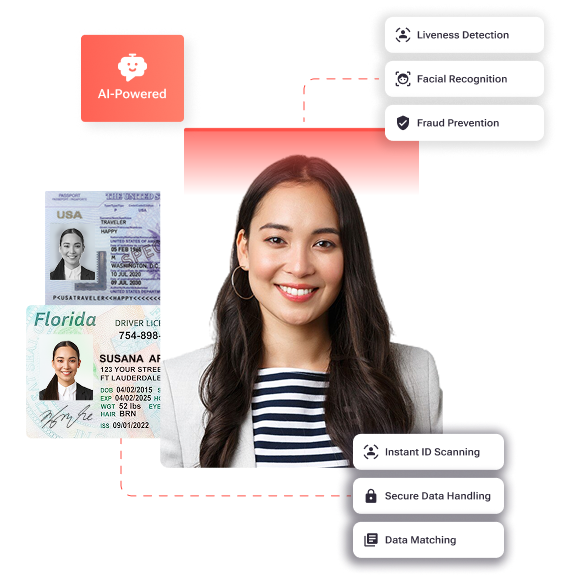
TenantEvaluation Lease Tracking is built for Florida associations and connects resident onboarding, unit data, approvals, and lease documentation in one streamlined, real-time workflow. It serves CAMs, boards, property management companies, and community operations teams, rather than adapting a generic rental platform. For communities that manage age-restricted requirements, TenantEvaluation’s 55+ Communities Verification standardizes application handling and supports documentation consistency across 55+ communities. Identity verification through IDVerify adds a biometric confirmation layer that strengthens approval confidence before residents enter the community.

Frequently Asked Questions
How much does HOA lease tracking software cost in Florida?
Pricing for HOA lease tracking software varies by platform type and community size. General-purpose HOA management tools appear at a wide range of price points. Specialized platforms like TenantEvaluation use a pay-per-application model with no upfront subscription fees, so communities generate revenue from the application process instead of carrying fixed monthly costs. When staff hours for manual follow-ups, reconciliation, and audit preparation are included, the total cost of spreadsheet-based tracking often exceeds the cost of dedicated software. A team spending five hours per week on manual lease tracking at a fully loaded labor rate represents thousands of dollars in annual capacity that a centralized platform can recover.
What implementation timeline should CAMs expect for lease tracking platforms?
Implementation timelines depend on portfolio size, the complexity of existing records, and how much integration is required with current workflows. General-purpose HOA tools can support basic setups in under an hour. Platforms like TenantEvaluation are configured to each community’s governing documents, screening criteria, and association workflows. This approach takes more planning but removes the manual configuration burden that often falls on CAMs after go-live. Communities with existing digital records usually experience faster onboarding than those migrating from paper files or disconnected spreadsheets.
How does Florida law affect lease record retention and inspection requests?
As discussed earlier, Florida law establishes 7-year retention and 10-business-day inspection requirements under §718.111 and §720.303. Florida associations must also retain governing documents for at least 7 years. These violations carry the penalties described earlier, including per-day damages, actual damages, and attorney fees. Certain information obtained in connection with lease or transfer approvals may be withheld from member inspection, which makes accurate record classification a key operational practice.
Can lease tracking software integrate with existing board approval workflows?
Lease tracking software can integrate directly with board approval workflows so that a lease record is created and linked to the application and vote that authorized it, instead of being entered manually later. TenantEvaluation Lease Tracking operates alongside applications, approvals, and document collection inside one platform. The QuickApprove workflow gives board members a dedicated review and voting dashboard, while CAMs track application progress and lease status in real time. This connection removes the gap between approval email chains and lease spreadsheets that creates audit exposure and operational blind spots in communities using generic tools.
Conclusion: Structural Takeaways and Next Steps
Florida HOAs and condos face a specific mix of regulatory requirements, board governance obligations, and operational complexity that generic tools and spreadsheets do not handle well. The evaluation framework used in this guide, which focuses on compliance readiness, operational efficiency, auditability, and scalability, consistently points to specialized platforms as the stronger operational choice for associations managing lease lifecycles at scale.
The structural takeaways are clear:
- Spreadsheet error rates and manual tracking hours represent measurable, recoverable costs
- Florida’s 7-year retention and 10-business-day inspection requirements demand organized, searchable, tamper-evident records
- Rental cap enforcement depends on unit-level, real-time lease status visibility, not a monthly spreadsheet review
- Board approval workflows and lease records need to be connected, not managed in separate systems
- Audit-ready documentation is built during onboarding, not assembled after a request arrives
TenantEvaluation Lease Tracking delivers centralized, real-time lease visibility and lifecycle control from application to occupancy. It connects resident onboarding, unit data, approvals, and lease documentation into one streamlined, audit-ready workflow that replaces spreadsheets and scattered email chains. The platform is designed specifically for Florida community associations.
Evaluate your current lease management process against the framework in this guide. Compare your current workflow to TenantEvaluation’s centralized platform.
