Written by: Luis Teran, Co-founder, CEO, TenantEvaluation
Key Takeaways
- Manual lease approval and tracking leave Florida HOAs exposed to violations, fines, and incomplete records without real-time visibility.
- A repeatable 10-step checklist standardizes every stage of lease compliance from application through occupancy.
- Centralized lease lifecycle control replaces scattered spreadsheets and email chains with a documented, review-ready workflow.
- Florida statute references and CAM workflow notes are embedded in each checklist step for consistent enforcement.
- TenantEvaluation delivers the infrastructure Florida CAMs and boards need to execute lease compliance at scale.
10-Step HOA Lease Compliance Master Checklist
Use this master checklist as the operational backbone for every lease cycle in your Florida community association. The 10 steps follow the lease lifecycle in order, from pre-occupancy documentation and approvals through move-in, inspections, and expiration tracking, so no compliance gap is left uncovered. Each step includes Florida statute references and CAM workflow notes.
- Execute a Compliant Lease Addendum. Require a signed HOA lease addendum before any tenancy begins. The addendum must bind tenants to the CC&Rs, rules, and regulations. CAM note: Collect the executed addendum at application submission, not after move-in. Reference Florida Statute §720.306 for amendment and rule enforcement authority.
- Complete Tenant Registration with the Association. Submit all required tenant information, including full legal name, contact details, emergency contacts, and lease start and end dates, to the association before occupancy. Reference Florida Statute §720.303 for association record-keeping obligations.
- Collect and Confirm All Required Fees. Verify that application fees, move-in fees, and any association-required deposits are collected and receipted before approval. CAM note: Document fee collection in the lease file to prevent disputes.
- Verify Lease Term Compliance. Confirm the lease term meets the community’s minimum duration requirements as stated in the governing documents. Many Florida HOAs prohibit leases shorter than 30, 60, or 90 days. Reference Florida Statute §720.306 for amendment procedures governing term restrictions.
- Screen for Short-Term Rental Restrictions. Confirm whether the unit is subject to a short-term rental ban under the community’s declaration. Verify that no listing exists on platforms such as Airbnb or VRBO for restricted units. CAM note: Record the verification date and method in the lease record.
- Confirm Pet, Guest, and Conduct Policy Acknowledgment. Require written acknowledgment of breed, weight, and quantity limits for pets, guest duration rules, quiet hours, and nuisance language. Attach the signed policy acknowledgment to the lease file.
- Register Vehicles and Confirm Parking Compliance. Collect vehicle make, model, color, and license plate for all registered occupant vehicles. Confirm no commercial vehicles, oversized vehicles, or unregistered vehicles are present. Verify guest parking rules are communicated.
- Complete Move-In Inspection and Document Condition. Conduct a pre-occupancy inspection, photograph the unit’s condition, and retain the signed inspection report in the lease file. CAM note: A dated inspection report supports enforcement and dispute resolution.
- Schedule Ongoing Compliance Inspections. Establish a routine inspection schedule, typically semi-annual or annual, to verify continued adherence to community rules on exterior condition, landscaping, trash, and ACC-approved modifications.
- Track Lease Expiration and Renewal Deadlines. Log every lease expiration date in a centralized system. Set automated alerts at 90, 60, and 30 days before expiration to initiate renewal or vacancy procedures. CAM note: Missing expiration dates is one of the most common sources of unauthorized occupancy and compliance gaps.
Printable Checklist Block: Print and retain one completed copy of this checklist per unit per lease cycle. File it with the executed lease, addendum, registration form, inspection report, and fee receipts.
Florida HOA Lease Addendum Language That Holds Up
A Florida HOA lease addendum must contain specific language to be enforceable. The elements below create a clear link between the tenant, the owner, and the association’s rules.
- Explicit statement that the tenant is bound by the association’s CC&Rs, rules, and regulations in effect during the tenancy
- Acknowledgment that lease violations by the tenant constitute violations by the owner, with the owner retaining financial responsibility for fines and enforcement costs
- Occupancy limit language specifying the maximum number of occupants permitted under the governing documents
- Enforcement clause confirming the association’s right to pursue remedies directly against the tenant where permitted under Florida Statute §720.305
- Signature lines for all adult occupants, not only the primary leaseholder
- Date of execution and lease term dates
The following sections break down the most operationally complex checklist items, including registration, short-term rental verification, conduct rules, parking, and inspections, with detailed sub-checklists for each.
Tenant Registration and Fee Handling Details
Tenant registration is a prerequisite for lawful occupancy in most Florida HOAs. A complete registration captures the full occupancy picture, including identity, contact channels, lease dates, and proof of fee payment, so the association can respond quickly in emergencies and avoid billing disputes. The following sub-checklist keeps every registration file consistent.

- Full legal name of all adult occupants
- Primary phone number and email address for each adult occupant
- Emergency contact name and phone number
- Lease commencement and expiration dates
- Copy of the fully executed lease agreement
- Proof of application fee payment and any move-in fee payment
- Confirmation of background screening completion per community requirements
- Submission of registration form to the association office or management company before the move-in date
CAM note: Under Florida Statute §720.303, associations must maintain official records accessible to members, so incomplete registration files increase audit exposure.
Short-Term Rental and Lease Term Compliance Checks
Short-term rental enforcement is one of the highest-risk compliance areas for Florida HOAs in 2026. This sub-checklist confirms that each lease respects minimum term rules and that units are not quietly marketed as vacation rentals on major platforms.
- Confirm the community’s declaration specifies a minimum lease duration, commonly 30, 60, 90, or 180 days
- Verify the executed lease meets or exceeds that minimum term
- Search the unit address on Airbnb, VRBO, and comparable platforms to confirm no active short-term listing exists
- Document the search date, platform checked, and result in the lease file
- Confirm the owner has signed a short-term rental prohibition acknowledgment if required by the governing documents
- Note any grandfathering provisions that may apply to units with pre-existing short-term rental rights under Florida Statute §509.032 and local ordinances
Pet, Guest, and Conduct Policy Confirmation
Pet and guest violations are among the most frequently cited issues in Florida HOA enforcement. This sub-checklist ensures every tenant receives clear rules in writing and signs off on them before move-in.
- Breed restrictions: confirm no prohibited breeds are present per the governing documents
- Weight limits: document the pet’s weight at registration and require updated documentation if weight limits apply
- Quantity limits: confirm the number of pets does not exceed the association’s maximum
- Guest duration rules: communicate the maximum consecutive and annual guest stay limits in writing
- Quiet hours: provide written notice of quiet hour windows and noise ordinance references
- Nuisance language: confirm the lease addendum includes nuisance and conduct provisions enforceable by the association
- Obtain signed acknowledgment of all pet, guest, and conduct policies from all adult occupants
Parking, Vehicle, and Exterior Rule Enforcement
Parking and exterior violations generate a high volume of complaints and fines in Florida communities. This sub-checklist aligns vehicles, landscaping, trash handling, and exterior changes with the governing documents so violations can be prevented instead of only punished.
- Register all occupant vehicles by make, model, color, and license plate with the association
- Confirm no commercial vehicles, vehicles with signage, or oversized vehicles are parked in residential areas in violation of governing documents
- Communicate guest parking rules, designated areas, and time limits in writing
- Confirm landscaping maintenance responsibilities are understood and documented
- Confirm trash and recycling container placement rules are communicated
- Verify any exterior modifications, including screen doors, storm shutters, or satellite dishes, have received ACC approval before installation

Move-In, Move-Out, and Routine Inspection Playbook
Inspections create the documentary record that supports enforcement and dispute resolution. The three inspection types below work together to show conditions before occupancy, after vacancy, and during the lease term.
- Pre-occupancy (move-in): Photograph all common-area-adjacent exterior surfaces, parking space, and any unit-accessible areas. Retain a signed, dated inspection report in the lease file.
- Post-occupancy (move-out): Conduct a comparable inspection within 5 business days of vacancy. Document any damage or rule violations and start the association’s fine or repair process as applicable.
- Routine compliance checks: Schedule semi-annual or annual inspections to verify exterior condition, landscaping, vehicle registration, and ACC compliance. Log inspection dates and findings in the unit’s lease record.
- Retain all inspection reports for a minimum of 7 years to support Florida association record-keeping requirements.
Lease Expiration Tracking and Recordkeeping
Lease expiration tracking is the most operationally fragile step in the compliance cycle for many Florida community associations. When lease data lives across spreadsheets, email inboxes, and physical folders, expiration dates are missed, unauthorized occupancies go undetected, and records stay incomplete.
A centralized, real-time lease visibility system addresses this directly by connecting four operational layers. First, real-time lease status visibility, distinguishing active, pending, expired, and missing leases at the unit level, keeps every lease inside the tracking window. That visibility depends on automated lease document collection during onboarding, which removes the manual follow-up cycle that delays registration and creates gaps in the record.
Once collected, unit-level tracking ties each lease to the resident, the approval, and the unit history in one searchable digital record. Together, these layers replace the folder-and-inbox model that creates compliance blind spots with a digital history of lease records, resident activity, and document trails that meets Florida’s official record requirements.
The practical outcome is straightforward. Teams handle fewer manual follow-ups, miss fewer expirations, and maintain a compliance record that holds up under scrutiny from application submission through the end of occupancy.
Frequently Asked Questions
What is an HOA lease addendum and is it required in Florida?
An HOA lease addendum is a legally binding document attached to a residential lease that extends the association’s governing rules, including the CC&Rs, bylaws, and community rules, to the tenant. In Florida, most HOA governing documents require owners to attach an addendum to any lease agreement and to notify the association before a tenant takes occupancy. Florida statutes do not universally mandate a specific addendum form, but the association’s declaration typically does. Failure to provide a compliant addendum can expose the owner to fines and the association to enforcement challenges. CAMs should maintain a standard addendum template reviewed by association counsel and require its execution as a condition of lease approval.
How does tenant registration work in a Florida HOA?
Tenant registration is the process by which an owner formally notifies the association that a unit will be occupied by a non-owner tenant. In Florida HOAs, the governing documents typically specify the registration timeline, commonly 10 to 30 days before occupancy, and the information required, which generally includes the tenant’s full name, contact information, emergency contacts, and a copy of the executed lease. Some associations also require a registration fee. The association uses this information to update its official records, issue access credentials, and confirm that the tenant has acknowledged the community’s rules. CAMs should treat registration as a prerequisite for move-in approval, not a post-occupancy formality.
Can a Florida HOA ban short-term rentals like Airbnb or VRBO?
A Florida HOA can prohibit short-term rentals if the restriction appears in the community’s declaration of covenants, conditions, and restrictions. Restrictions generally must be in the recorded declaration to be enforceable against current and future owners. Minimum lease term requirements, such as 30, 60, or 90 days, are the most common mechanism used to prevent short-term rental activity. Associations that added short-term rental restrictions after an owner purchased a unit may face grandfathering arguments, so CAMs should work with association counsel to confirm the enforceability of any restriction before issuing a violation notice. Routine platform monitoring is a practical enforcement tool for communities with active short-term rental bans.
Who is responsible for tenant violations in a Florida HOA, the owner or the tenant?
Under Florida law and most HOA governing documents, the unit owner retains ultimate responsibility for tenant compliance with association rules. The association’s enforcement relationship is with the owner, not the tenant, unless the governing documents or a properly executed lease addendum extend direct enforcement rights to the association against the tenant. In practice, this means fines for tenant violations are assessed against the owner’s account. A well-drafted lease addendum should make clear to the tenant that violations may result in financial consequences passed through by the owner and that the association reserves the right to pursue remedies as permitted by the governing documents and Florida law.
How long should a Florida HOA retain lease records?
Under Florida Statute §720.303, HOAs must maintain official records and make them available to members. These records can include executed leases, addendums, registration forms, approval correspondence, inspection reports, and fee receipts. Associations that store lease records in disconnected spreadsheets, email folders, or physical files can face challenges during audits or disputes. A centralized, searchable digital record system helps associations manage records effectively and respond to member requests in a timely manner.
Conclusion: Turning a Checklist into Daily Practice
A repeatable 10-step HOA lease compliance process, covering addendums, registration, fees, term limits, short-term rental verification, pet and guest policies, parking, inspections, and expiration tracking, forms the operational foundation that reduces violations, fines, and administrative chaos in Florida community associations. The categorized sub-checklists in this guide give CAMs and boards a ready-to-use framework for every lease cycle, with Florida statute references and workflow notes built in.
The missing piece for many associations is not the checklist, but the infrastructure to execute it consistently at scale. TenantEvaluation is built specifically for Florida community associations and management companies, with FCRA compliance as the foundation, not an afterthought. Its Lease Tracking capability delivers centralized, real-time lease visibility and lifecycle control, connecting resident onboarding, unit data, approvals, and lease documentation into one streamlined workflow that supports compliance verification and replaces spreadsheets and scattered email chains. QuickApprove accelerates resident approvals without losing control, compliance, or visibility. IDVerify adds biometric identity confirmation before any approval decision is made. For age-restricted communities, 55+ Communities Verification standardizes application handling and improves documentation consistency across Florida Condos and HOAs.
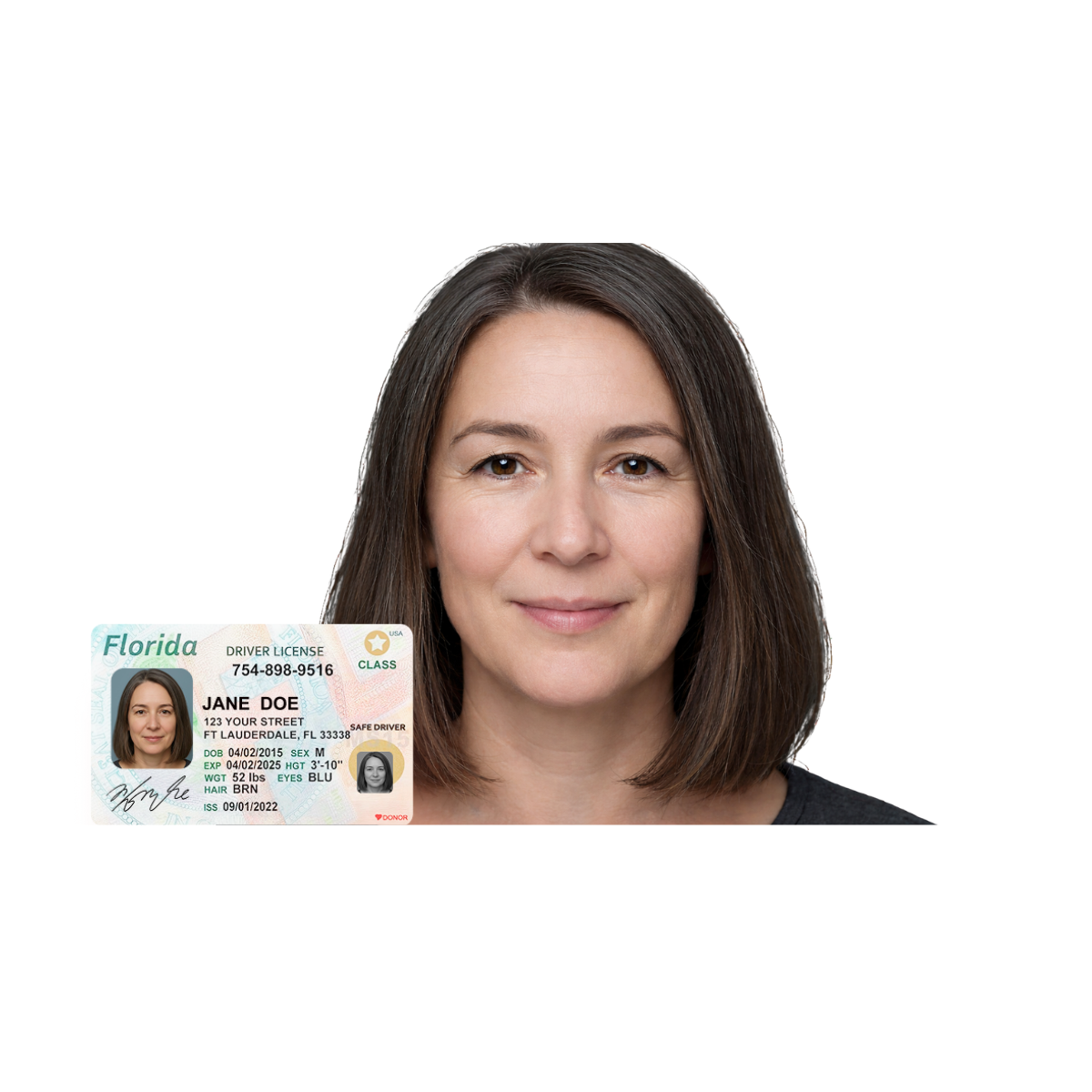
With 5,000+ communities and 100,000+ applications processed annually, TenantEvaluation is the all-in-one platform Florida CAMs and boards rely on to move from manual chaos to operational control.
