
Key Fraud Risks Florida HOA Boards Face in 2026
- Florida HOA boards face rising fraud risks in 2026, with personal liability under Statute 720.303 for oversight failures.
- Financial red flags include inconsistent statements, round-number cash payments, and unbudgeted expenditures without approval.
- Governance risks appear when there is no competitive bidding, single-person financial control, or resistance to independent audits.
- Behavioral warning signs include defensive control of finances, unexplained lifestyle changes, and rogue board agendas.
- TenantEvaluation’s biometric verification helps stop resident screening fraud, so schedule a demo today to protect your community.
Financial HOA Fraud Red Flags Florida Boards Need to Catch Early
1. Inconsistent Financial Statements and Missing Documentation
Financial records that do not reconcile between months or show unexplained variances signal potential manipulation. Missing bank statements, altered deposit slips, or gaps in documentation often indicate systematic fraud attempts that require immediate review.
2. Excessive Cash Transactions and Round-Number Payments
Legitimate HOA expenses rarely land on perfectly round numbers. Payments of exactly $500, $1,000, or $2,500 to vendors, especially when paid in cash, suggest fabricated invoices or kickback schemes that benefit individuals instead of the association.
3. Unbudgeted Expenditures Without Board Approval
Florida Statute 720.303(6) requires HOA reserves to be clearly identified as separate accounts. Fraudulent boards often authorize major expenditures without proper voting procedures or budget amendments, which puts reserve funds and operating budgets at risk.
4. Vendor Payments to PO Boxes or Unverifiable Addresses
Legitimate contractors and service providers maintain verifiable business locations and online footprints. Payments to vendors using only PO boxes, residential addresses, or companies that cannot be independently verified often point to ghost vendor schemes created to siphon funds.
Vendor and Governance Red Flags That Signal Control Problems
5. Absence of Competitive Bidding for Major Contracts
Florida HOAs must follow transparent procurement processes that protect owners’ money. Boards that consistently award contracts to the same vendors without competitive bidding, especially for amounts exceeding $1,000, may be enabling kickback arrangements or favoritism.
6. Single-Person Financial Control
No individual should have sole access to HOA accounts, checkbooks, or financial records. Boards that allow treasurers or managers to operate without dual signature requirements or oversight create ideal conditions for embezzlement and long-term financial abuse.
7. Resistance to Independent Audits
Board members who oppose annual audits, refuse to provide records to auditors, or delay audit scheduling often have financial irregularities to hide. Professional auditors identify refusal to take vacation as a behavioral red flag, because fraudulent individuals fear discovery during their absence.
Behavioral Red Flags That Point to Possible HOA Fraud
8. Defensive Isolation of Financial Information
Control issues such as becoming defensive when others offer help with financial tasks or insisting on sole access to accounts represent clear fraud indicators. Board members who use personal email for HOA business or store records off-site without transparency violate fiduciary duties and block oversight.
9. Unexplained Lifestyle Changes
Sudden displays of wealth inconsistent with known income, such as new cars or luxury purchases, warrant investigation when they involve board members with financial access. These changes do not prove fraud but justify closer review of financial controls and records.
Signs Your HOA Board Is Dysfunctional and Vulnerable to Fraud
10. Rogue Board Members Pushing Personal Agendas
Board members who go rogue by pushing personal agendas, making unilateral decisions, or strong-arming others into agreement indicate dysfunctional behavior and potential conflicts of interest. This conduct weakens checks and balances and makes fraud easier to hide.
11. Failure to Exercise Due Care in Decision-Making
Making major decisions without discussion or fact-checking signals dysfunctional governance and exposes board members to personal liability risks. Boards that rush approvals or skip documentation create openings for financial abuse and legal claims.
Resident Screening Fraud Red Flags Florida HOAs Must Address
12. Identity Verification Failures in Applicant Screening
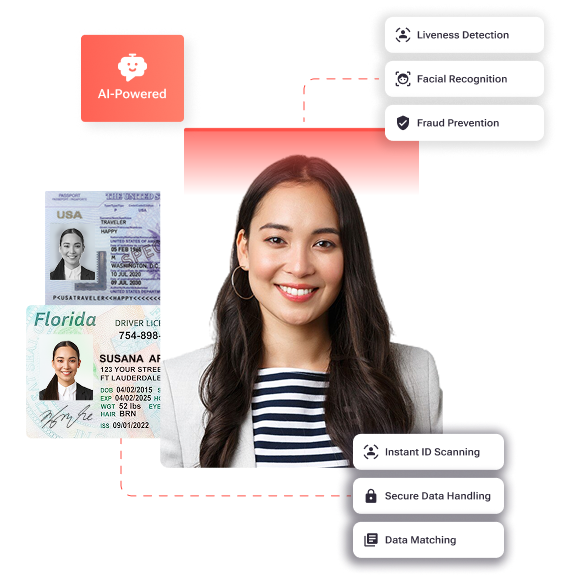
Traditional document-based screening cannot reliably detect synthetic identities, stolen IDs, or impersonation attempts. Applicants who provide inconsistent identification, fail liveness detection tests, or show biometric mismatches between selfies and government IDs represent serious security risks that manual processes often miss.
| Red Flag Category | Warning Sign | Florida Example |
|---|---|---|
| Financial | Round-number payments | $2,000 “maintenance” to unverifiable vendor |
| Governance | No competitive bidding | Same contractor for all projects without quotes |
| Behavioral | Defensive financial control | Treasurer refuses to share bank passwords |
| Screening | Identity inconsistencies | Applicant ID fails biometric verification |
Steps Florida HOA Boards Should Take When Red Flags Appear
1. Demand Immediate Financial Audits and Documentation
Use your rights under Florida public records law to access all HOA financial documents. Request bank statements, cancelled checks, and vendor contracts for independent review by qualified professionals or audit firms.
2. Implement Dual Signature Requirements
Adopt written policies that require two authorized signatures for all expenditures exceeding $500. This control prevents any single individual from having unilateral spending authority or unchecked access to association funds.
3. Investigate Through Official Channels
Contact the Florida Department of Business and Professional Regulation (DBPR) to report suspected violations of FS 720.303 fiduciary duties. Document all evidence, keep detailed records of suspicious activities, and consult legal counsel when necessary.
Practical Prevention Roadmap and Fraud Checklist for Florida HOAs
1. Establish Regular Audit Procedures and Vendor Vetting
Schedule annual independent audits and maintain approved vendor lists with verified business credentials. Require competitive bidding for contracts exceeding $1,000 and keep written records of all proposals and decisions.
2. Implement Board Training and Transparency Measures
Provide fiduciary duty training for all board members so they understand legal obligations and personal exposure. Create clear financial reporting procedures with monthly transparency reports shared with homeowners.
3. Deploy Advanced Biometric Screening Technology
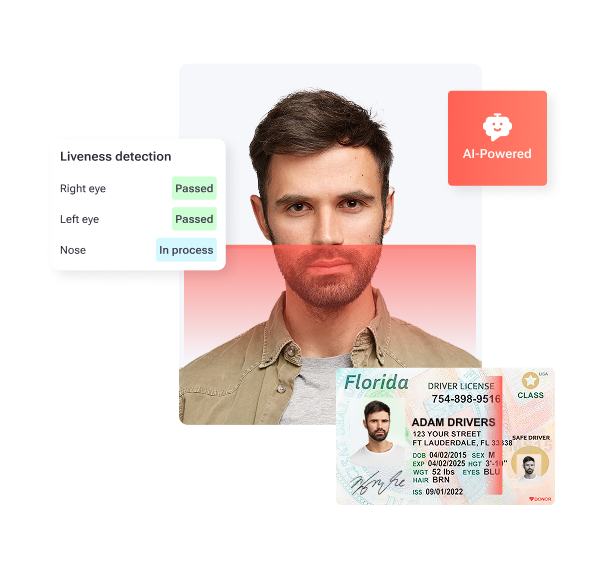
Effective fraud prevention relies on platforms built for Florida HOAs with FCRA compliance as a core requirement, not an afterthought. TenantEvaluation’s IDVerify uses AI liveness detection and biometric facial matching to flag fake IDs instantly, while QuickApprove gives boards real-time dashboards for transparent decision-making. With 5,000+ communities served, 100,000+ applications processed annually, and $150 million generated for communities, TenantEvaluation operates as a direct TransUnion and Equifax reseller with revenue-sharing models that turn screening into profit centers.
| Feature | TenantEvaluation | ApplyCheck | Verify Screening |
|---|---|---|---|
| Biometric Verification | Native IDVerify with liveness detection | Document-based only | Manual review process |
| Board Dashboard | QuickApprove real-time panel | No board-specific tools | Generic reporting |
| FCRA Compliance | Built-in foundation | Third-party dependent | Basic compliance |
| Revenue Model | Revenue-sharing with associations | Fixed subscription fees | Per-check pricing |
Unlike competitors that rely on manual processes or basic document verification, TenantEvaluation’s biometric technology blocks synthetic identity fraud before it reaches your community. Schedule a demo today to see how advanced fraud prevention protects your community’s financial security.
Florida-Specific HOA Fraud Pressures and Legal Requirements
Florida Statute 720.303(6) mandates that reserve funds must be used only for specific components collected for, unless owners vote to repurpose them. Recent HB 913 legislation requires officers and directors to sign affidavits acknowledging SIRS receipt and report compliance status to DBPR, which creates additional accountability measures for boards. High-density markets like Miami and Orlando face elevated fraud risks because of rapid resident turnover and complex screening requirements that manual processes cannot manage reliably.
FAQ
What are signs of HOA board conflict of interest?
Board members who push personal agendas, award contracts to companies they own or have relationships with, make unilateral decisions without board consultation, and refuse to recuse themselves from votes where they have financial interests show clear conflict of interest violations. Rogue behavior also includes strong-arming other board members and circumventing established voting procedures.
How does resident screening prevent HOA fraud?
Advanced biometric screening like TenantEvaluation’s IDVerify prevents synthetic identity fraud and impersonation attempts that traditional document-based verification cannot detect. By confirming applicant identity through AI liveness detection and facial biometric matching before approval, communities block fraudulent occupants who might engage in internal fraud schemes or compromise community security.
What financial red flags indicate HOA embezzlement?
Round-number payments to unverifiable vendors, missing financial documentation, unbudgeted expenditures without board approval, excessive cash transactions, and resistance to audits represent primary embezzlement indicators. Single-person financial control and defensive behavior when questioned about financial practices also signal potential fraud.
How can Florida HOA boards investigate suspected fraud?
Boards should demand immediate access to all financial records under Florida public records law and implement dual signature requirements. They should contact DBPR to report FS 720.303 violations, engage independent auditors for comprehensive financial reviews, and document all suspicious activities with detailed evidence for potential legal proceedings.
What prevention measures most effectively reduce HOA fraud risks?
Regular independent audits, competitive bidding requirements, dual signature policies, board member fiduciary training, and advanced biometric screening technology provide comprehensive fraud prevention. Platforms like TenantEvaluation that combine identity verification with transparent board dashboards offer strong protection against both internal and external fraud attempts.
Arm Your Florida HOA Board Against Fraud with TenantEvaluation
HOA fraud red flags for board members require immediate action and consistent prevention strategies. Financial irregularities, governance failures, behavioral warning signs, and screening vulnerabilities create compounding risks that threaten community assets and expose board members to personal liability under Florida law.
Manual processes cannot protect communities from sophisticated fraud schemes or synthetic identity threats facing Florida associations in 2026. TenantEvaluation’s biometric screening platform, serving 5,000+ communities with 100,000+ applications processed annually, provides a strong foundation your board can rely on to protect community assets and fulfill fiduciary duties.
Do not wait for fraud to impact your community. Schedule a demo today to see how TenantEvaluation’s comprehensive fraud prevention platform reduces risk while generating revenue for your association.