
Key Takeaways
- Modern HOA financial reporting software reduces manual data entry, lowers compliance risk, and provides clearer financial visibility for boards and community association managers.
- Core evaluation criteria include ease of use, automation, regulatory reporting, integrations with other HOA tools, and the ability to scale with your community.
- Buildium, Vantaca, and AppFolio offer strong accounting and reporting features, while TenantEvaluation strengthens cash flow and compliance through resident onboarding and fee collection.
- Florida HOAs benefit from tools that reflect state-specific requirements, audit trails, and documented processes for both financial reporting and resident screening.
- TenantEvaluation supports HOA financial health through automated application fee collection, compliance-focused onboarding, and board-friendly tools like QuickApprove; get started with TenantEvaluation today.
The Critical Need for Effective HOA Financial Reporting Software in 2026
Accurate, timely financial reporting forms the foundation of responsible HOA governance. Community association managers and board members must balance daily operations with strict legal and fiduciary duties.
Community Associations Institute guidelines emphasize increased transparency and accountability in HOA financial management. This expectation raises the stakes for boards that still rely on spreadsheets or disconnected tools, which often lack audit trails, automated checks, or secure document storage.
Specialized HOA financial reporting software automates repetitive tasks, enforces consistent processes, and improves accuracy. These platforms lower the risk of human error, support regulatory compliance, and help protect community reserves and property values.
Effective software also integrates financial reporting with other HOA operations. Connections to resident onboarding, fee collection, maintenance, and communication tools help communities track how daily activities affect cash flow and long-term financial health.
Essential Evaluation Criteria for Choosing HOA Financial Reporting Software
Ease of Use and User Interface
Clear, intuitive dashboards help board members and managers interpret financial data quickly. Interfaces should make it easy to monitor budgets, cash flow, delinquencies, and reserve balances without advanced accounting expertise.
Compliance and Regulatory Reporting Capabilities
Florida-specific HOA regulations require particular attention to reserve fund reporting, annual budget disclosures, and financial statement preparation standards. Software should support these needs with built-in report templates, configurable disclosures, and detailed audit trails that document who did what and when.
Automation Features
Automation reduces manual work and improves consistency. Look for tools that handle:
- Assessment invoicing and recurring charges
- Online payments and late fee calculations
- Vendor bill entry and payment processing
- Bank feeds and automated reconciliations
Integration with Other HOA Management Tools
Integrated systems reduce duplicate data entry and provide a single source of truth. Helpful connections include maintenance request systems, resident portals, communication platforms, and resident screening or onboarding tools.
Support, Training, and Onboarding
Implementation support, knowledge bases, and live training sessions help communities adopt new software with less disruption. Ongoing support ensures the system keeps pace with regulatory and operational changes.
Scalability and Customization
The platform should work for your community today and as it grows. Useful options include custom chart of accounts, flexible report layouts, configurable approval workflows, and role-based access for boards, managers, and accountants.
Top HOA Financial Reporting Software Solutions: A Practical Comparison
Buildium: Comprehensive Property Management for HOAs
Buildium offers full general ledger accounting, budgeting, accounts payable and receivable, and standard financial statements. Delinquency tracking and owner communication tools help communities manage collections and cash flow.
This platform fits management companies and larger associations that want integrated accounting, maintenance, and communication features in one system, even if smaller communities may not use every function.
Vantaca: Specialized HOA Accounting and Management
Vantaca focuses on community association management with HOA-specific accounting, reserve tracking, and compliance-oriented reporting. Workflows reflect how management companies and boards typically operate.
This solution suits communities and management firms that prioritize HOA-focused accounting and standardized processes over broader real estate or multifamily features.
AppFolio: Integrated Solutions for Diverse Portfolios
AppFolio combines strong HOA accounting with tools for other property types, including budgeting, automated bank reconciliation, and robust reporting. Its interface often receives positive feedback for clarity and ease of navigation.
This option works well for larger firms managing mixed portfolios that want a unified platform for HOAs, rentals, and other assets.
TenantEvaluation: Strengthening HOA Cash Flow Through Onboarding
TenantEvaluation does not replace accounting software but supports HOA financial health by managing resident screening and application workflows. Automated application fee collection reduces manual invoicing, supports consistent cash flow, and offsets administrative costs.
The platform uses a revenue-sharing model that can make the onboarding process cost-neutral or revenue-positive. Compliance-focused workflows and documentation help reduce risk exposure during screening and approval.
Boards and managers also gain analytics on application volume, approval timelines, and resident profiles, which inform planning and budgeting.
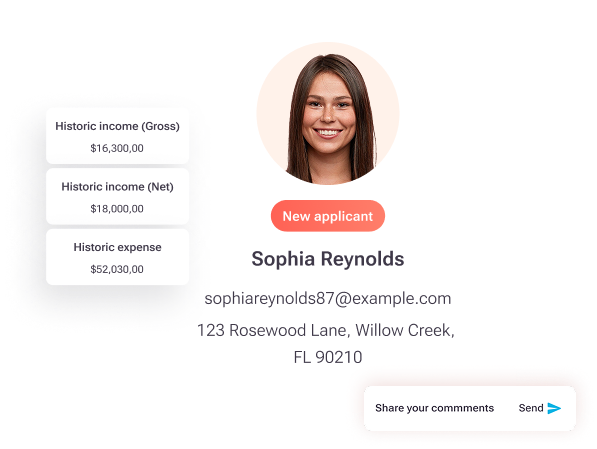
TenantEvaluation specializes in Florida HOAs and provides the QuickApprove dashboard, which helps boards review, vote on, and approve applications with a clear audit trail.
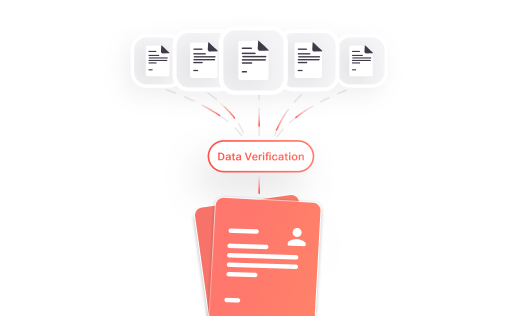
Identity verification and documentation checks support fair, consistent screening while aligning with association rules and applicable regulations.

Comparison Table: Key Features of Leading HOA Financial Reporting Software 2026
|
Feature |
Buildium |
Vantaca |
AppFolio |
TenantEvaluation (Financial Impact) |
|
General Ledger |
Yes |
Yes |
Yes |
No |
|
Budgeting Tools |
Yes |
Yes |
Yes |
No |
|
Accounts Payable/Receivable |
Yes |
Yes |
Yes |
Yes: Automated Fee Collection |
|
Financial Statement Generation |
Yes |
Yes |
Yes |
No |
|
Delinquency Management |
Yes |
Yes |
Yes |
No |
|
Bank Reconciliation |
Yes |
Yes |
Yes |
No |
|
Compliance Reporting |
Yes |
Yes |
Yes |
Indirect: Enhances Compliance in Onboarding |
|
User Interface and Ease of Use |
Above Average |
Above Average |
Excellent |
Excellent (specific functions) |
How to Choose the Best HOA Financial Reporting Software for Your Community
Your choice should reflect community size, management structure, existing tools, and risk tolerance. A clear list of current pain points and future goals helps narrow the options.
Communities That Need Robust Core Accounting
Associations with complex budgets, multiple funds, or detailed reporting requirements often benefit from Buildium or AppFolio. These platforms deliver full accounting, customizable reporting, and tools to support audits and regulatory reviews.
Communities Focused on Operational Efficiency and Onboarding
Boards that want to reduce administrative work and capture every dollar of application revenue should evaluate how resident onboarding ties into financial outcomes. TenantEvaluation automates fee collection, standardizes screening, and provides board-friendly approval workflows.
Florida HOAs with State-Specific Requirements
Florida communities should confirm that both core accounting software and any screening tools support state rules on records, budgets, reserves, and application handling. TenantEvaluation’s focus on Florida HOAs and board workflows aligns with these needs.
Frequently Asked Questions About HOA Financial Reporting Software
What is the most important feature to look for in HOA financial reporting software?
Compliance-focused reporting usually ranks first. Software should produce accurate financial statements, support state and federal requirements, and maintain audit trails. Automation and ease of use follow closely, since they reduce errors and help board members understand the numbers.
How can HOA financial software help with regulatory compliance?
Dedicated software standardizes reports, enforces consistent coding of transactions, and maintains detailed logs of all changes. Configurable templates and reminders help boards meet deadlines for budgets, disclosures, and annual reports. For resident onboarding, TenantEvaluation supports compliance by documenting screening decisions and storing records securely.
Can small HOAs benefit from dedicated financial reporting software?
Smaller communities often see strong benefits from right-sized tools. Even basic automation of assessments, late fees, and reporting can save hours each month and reduce mistakes. Tiered pricing and modular features make it possible to match the software to the community’s budget and complexity.
How does TenantEvaluation contribute to an HOA’s financial management?
TenantEvaluation improves application-related cash flow by automating fee collection and routing payments correctly. Its revenue-sharing model can cover or exceed platform costs. Standardized workflows lower administrative effort and help prevent process errors that could lead to disputes or fines.
What integration capabilities should I look for in HOA financial software?
Helpful integrations include online banking, payment processors, maintenance systems, and communication tools. Connections to resident portals and onboarding platforms such as TenantEvaluation provide a clear link between application activity, approvals, and financial outcomes.
Conclusion: Using the Right Tools to Improve HOA Finances in 2026
Well-chosen HOA financial reporting software supports accurate records, clear communication, and consistent compliance. When boards pair strong accounting platforms with specialized tools for resident onboarding and verification, they gain better control over both day-to-day cash flow and long-term financial stability.
TenantEvaluation adds value alongside your core accounting system by automating application revenue, supporting compliant screening, and giving boards a clearer view of who joins the community and how that process affects finances.