
Last updated: January 27, 2026
Key Takeaways
- Florida HOAs and condos must comply with HB 1203 and Chapters 718/720, requiring websites or portals by 2026 for records and notices.
- Essential features include secure document storage, auto-redaction, FCRA-compliant screening, and customizable workflows for Community Association Managers (CAMs).
- Board dashboards support real-time voting and transparency, while analytics provide audit trails and demographic insights.
- Revenue-sharing models turn onboarding into a profit center, supported by multilingual 24/7 help and governing document integration.
- Choose Tenant Evaluation for HB 1203-compliant HOA resident onboarding that saves up to 70% of CAM time and generates revenue.
1. Florida HOA Compliance With Chapters 718, 720, HB 1203, and HB 913
Florida communities now need software that matches state-specific rules, not generic national tools. HB 1203 requires condominium associations with 25 or more units to have a website or mobile-friendly platform by January 1, 2026, where required notices, records, and documents are readily accessible to residents. The platform also needs to support House Bill 913 requirements to post meeting minutes and video links for the past 12 months within 30 days of finalization.
TenantEvaluation configures communities for Chapter 718 and 720 compliance and creates audit trails for every application interaction. CAMs enter bylaws and governing documents once, then the system configures screening rules and workflows for each community profile. This setup helps prevent non-compliance fines and lowers liability for board members who could face personal penalties for regulatory violations.
2. Secure HOA Document Storage With Built-In Auto-Redaction
Secure document storage protects sensitive applicant data across digital platforms. PCI Level 1 compliance and end-to-end encryption protect data from unauthorized access and breaches. Manual handling of documents exposes associations to risk from improper storage of Social Security numbers, banking details, and other personal identifiable information.
TenantEvaluation automatically redacts PII from uploaded documents while maintaining bank-level security protocols. When applicants upload lease agreements or identification documents, the system encrypts the files and removes sensitive data points that could create compliance violations. This approach reduces data breach risk and preserves complete audit trails for regulatory inspections.
Schedule a demo today for HOA resident onboarding software Florida to review TenantEvaluation security and redaction tools in detail.
3. Automated Resident Screening and ID Checks for Florida HOAs
FCRA-compliant screening speeds up approvals while protecting associations from regulatory issues. Traditional background checks often rely on several third-party providers and manual coordination, which creates delays and gaps in compliance. Direct credit bureau relationships provide verified data access under strict permissible purpose controls.
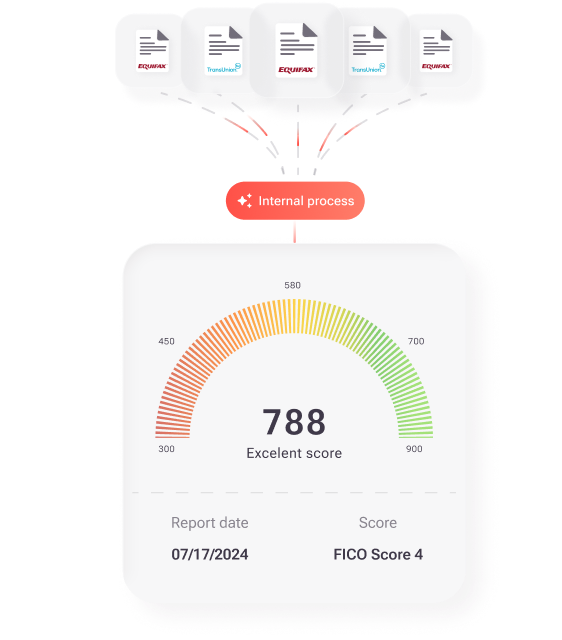
TenantEvaluation SafeCheck+ and IDverify solutions deliver full applicant verification that covers criminal records, income verification through direct employer contact, and reference checks. Automated workflows process applications in minutes instead of days and include adverse action protocols that support FCRA compliance. Processing more than 100,000 applications each year shows the platform can scale for Florida communities of all sizes.
4. CAM-Friendly Workflows Tailored to Each Community
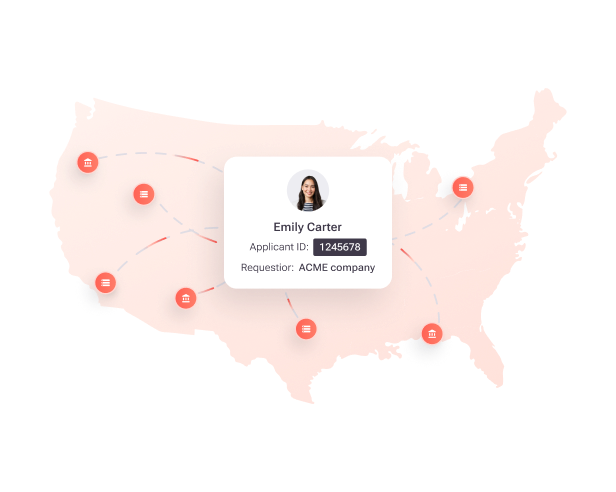
CAMs need workflows that match each community’s governing documents and approval steps. Generic property management software often cannot handle HOA-specific needs such as architectural review committees, pet rules, or rental caps. Manual follow-ups across a portfolio can consume dozens of staff hours every day.
TenantEvaluation uses intelligent form logic that adjusts application requirements based on community rules and applicant type. CAMs set conditional criteria once, and the system then separates requirements for tenants, purchasers, and additional residents. Automated notifications keep applicants, realtors, and board members updated, which removes most of the back-and-forth emails and phone calls.
| Feature | TenantEvaluation | HOA Cloud | Condo Control | AppFolio/Buildium |
|---|---|---|---|---|
| Florida HB 1203 Compliance | Yes (Custom) | Partial | General | Generic |
| Board Dashboard/Voting | Yes (QuickApprove) | No | No | No |
| Auto-Redaction/Screening | Yes (End-to-End) | No | Limited | Subscription |
| Revenue Sharing | Yes (No Upfront) | No | No | Monthly Fees |
5. Board Dashboards and Online Voting for Faster Decisions
Board transparency and direct participation in approvals improve trust across the community. Email chains and scattered documents slow decisions and reduce accountability. Board members need a single place to see application status and cast votes in real time.
TenantEvaluation QuickApprove gives board members AI-generated application summaries, voting panels, and full audit trails. Board members log in, review applications, vote, and request more information without long email threads. This process shortens approval timelines and preserves timestamped decision records that support regulatory compliance.

6. Real-Time HOA Analytics and Complete Audit Trails
Reliable data helps boards plan amenities, policies, and long-term improvements. Manual processes rarely provide clear insight into resident demographics, approval patterns, or compliance performance. Detailed audit trails also help defend association decisions during disputes or regulatory reviews.
TenantEvaluation reports on community demographics, rental versus purchase trends, and resident details such as pet ownership or EV usage. Every interaction on the platform creates a timestamped audit record, which supports complete documentation for compliance reviews. Boards can then base policy updates and capital planning on actual resident data instead of guesswork.
7. Revenue Sharing and Automated Application Fee Collection
Modern HOA software should support the budget instead of draining it with large setup fees and monthly subscriptions. Application processing can become a revenue source when handled through a structured online system. Manual fee collection adds administrative work and can introduce compliance issues.
TenantEvaluation uses a pay-per-application model that removes upfront software costs and generates income for associations. The platform collects application fees online, deducts service fees, and returns the remaining funds to the association. This revenue-sharing model has generated $150 million for communities and turns resident onboarding into a consistent profit center.
Schedule a demo today for HOA resident onboarding software Florida to see how fee automation and revenue sharing can support your budget.
8. Multilingual, 24/7 Support for Florida’s Diverse Communities
Florida communities serve residents, realtors, and owners who speak many languages and keep different schedules. Support limited to business hours and English-only service creates friction and delays. Fast answers to basic questions keep applications moving and reduce frustration.
TenantEvaluation’s AI-powered chat delivers instant support in 11 languages, available around the clock for applicants, realtors, and management teams. The system resolves about 90% of routine questions on first contact, which reduces pressure on onsite staff and call centers. This multilingual coverage matches Florida’s diverse population while keeping operations efficient.
9. Direct Integration With HOA Governing Documents
Direct alignment with governing documents keeps every decision consistent with community rules. Manual interpretation of bylaws and CC&Rs can create uneven enforcement and legal exposure. Software that embeds these rules into workflows helps maintain fairness and compliance.
TenantEvaluation builds custom community profiles that encode governing document requirements into the digital application process. Credit score minimums, pet rules, rental limits, and architectural guidelines all become part of the online workflow. Each application then follows the same standards and produces documentation that supports regulatory and legal reviews.
Frequently Asked Questions
Does FL HB 1203 apply to condominium associations?
Yes, HB 1203 requires condominium associations with 25 or more units to maintain official websites or secure member portals by January 1, 2026. The legislation expands earlier rules that only applied to condos with 150 or more units, so it now covers most Florida condominium communities. These websites must provide password-protected access to governing documents, meeting minutes, budgets, and other official records.
What is the 5-year rule for HOA in Florida?
Florida HOAs under Chapter 720 must retain open-meeting minutes for at least five years under state statutes. This retention rule ensures associations keep adequate records for compliance reviews, legal disputes, and regulatory audits. Digital document management systems help automate this retention window while providing secure storage and quick retrieval.
How much time does HOA software save CAMs?
Modern HOA document management software can save CAMs up to 70% of their administrative time, which can free as much as 50 hours daily across large portfolios. Automated workflows remove manual follow-ups, document reviews, and approval coordination that previously consumed staff resources. CAMs can then focus on resident service, board support, and long-term planning.
Is TenantEvaluation FCRA-compliant?
Yes, TenantEvaluation maintains FCRA compliance as a direct credit bureau reseller with established relationships with TransUnion and Equifax. The platform includes adverse action workflows, strict permissible purpose controls, and automated audit trails for each screening decision. This framework protects associations from liability while supporting consistent regulatory adherence.
What are HB 1203 penalties for non-compliance?
Non-compliance with HB 1203 website requirements can create significant fines and legal exposure for associations and board members. Penalties can include regulatory sanctions, lawsuits from residents, and potential personal liability for board members who ignore statutory obligations. Purpose-built compliance software helps communities avoid these outcomes.
Choose TenantEvaluation for Florida HOA Resident Onboarding
These nine features separate Florida-focused HOA onboarding platforms from generic property management tools. TenantEvaluation supports Chapter 718 and 720 compliance, automates workflows, improves board transparency, and generates revenue through one integrated system. With more than 5,000 communities served, over 100,000 applications processed each year, and $150 million generated for associations, TenantEvaluation stands out as a leading choice for Florida HOAs and condominium associations.
Schedule a demo today for HOA resident onboarding software Florida to modernize your resident onboarding, stay compliant, and create sustainable revenue for your community.