Written by: Luis Teran, Co-founder, CEO, TenantEvaluation | Last updated: December 29, 2025
Key Takeaways
- Florida HOA laws for 2026 expand requirements for financial transparency, structural integrity, and digital access to records, creating a heavier compliance workload.
- New penalties, including potential criminal exposure and stronger DBPR enforcement, increase the personal risk for board members and Community Association Managers.
- Manual processes make it difficult to maintain secure records, timely reporting, and reliable audit trails, especially for communities with higher unit counts.
- Specialized HOA compliance software built for Florida helps centralize documents, automate workflows, and protect sensitive data while supporting Chapter 720 and recent bill mandates.
- TenantEvaluation offers Florida-focused compliance and screening tools that streamline applications, strengthen audit readiness, and reduce administrative stress for HOAs; schedule a demo to see how it works.
New 2026 Florida HOA Laws Increase Compliance Pressure
Stricter reporting and technology requirements
Florida HOAs now operate under expanded rules that demand more documentation, more often. House Bill 1203 updated Chapter 720 in 2025 with quarterly financial statements, reserve reports, and stricter record access rules. These expectations continue into 2026 and require organized, timely reporting.
Compliance complexity rises further because House Bill 913 adds Structural Integrity Reserve Studies, milestone inspections, and related financial compliance requirements. CAMs must also meet mandatory training standards in financial literacy, recordkeeping, and governance, which calls for better systems to document completion and ongoing education.
Digital access rules add another layer. Communities with 100 or more parcels must maintain a website or app that provides key records, including financials and governing documents. Many HOAs that still rely on email threads, paper files, or basic file-sharing tools struggle to meet this requirement consistently.
Higher penalties and tighter enforcement
Regulatory consequences now reach beyond simple fines. Recent updates introduced stiffer penalties, including potential criminal liability for financial mismanagement or obstructing records access. Board members and CAMs must show clear, traceable compliance behavior to protect themselves.
Oversight has also grown sharper. DBPR now holds enhanced enforcement powers and additional resources, so investigations and follow-up actions can move faster. At the same time, expanded conflict of interest rules now require disclosures and competitive bids over specific thresholds, which makes accurate tracking of contracts and vendor relationships essential.
Heavier workload for CAMs and volunteer boards
Operational strain continues to grow. CAMs must manage multiple stakeholders, frequent follow-ups, and detailed documentation for each application and approval. Lengthy paper-based review cycles frustrate residents and slow closings or move-ins.
Top issues for Florida HOAs already include staying current with frequent regulatory changes to avoid penalties. Adding 2026 requirements to a manual process increases risk of missed deadlines, incomplete files, or inconsistent enforcement of community rules.
Manual handling of sensitive applicant data also raises security concerns, and basic filing systems rarely produce the type of clear audit trail needed during a DBPR review.
HOAs that adopt dedicated compliance software gain a structured way to organize records, monitor obligations, and document every step of the process.
How HOA Compliance Software Helps Florida Communities
Centralized document management for Florida mandates
Effective compliance software centralizes all key HOA records in a secure, searchable portal. Governing documents, financial statements, inspection reports, and meeting minutes sit in one system instead of scattered email threads or file folders.
This type of platform helps communities meet the requirement that HOAs with 100 or more parcels maintain a website or app with financials and governing documents. Many solutions provide resident and board portals that satisfy this digital-access obligation.
Modern systems also support automated financial reporting that aligns with requirements to post financial reports online and verify delivery through affidavits. Automation reduces manual keying errors and keeps reports consistent with Chapter 720 timelines.
Version control and access logs then create an audit trail, showing who uploaded, viewed, or changed each document.
Risk mitigation through data security and audit trails
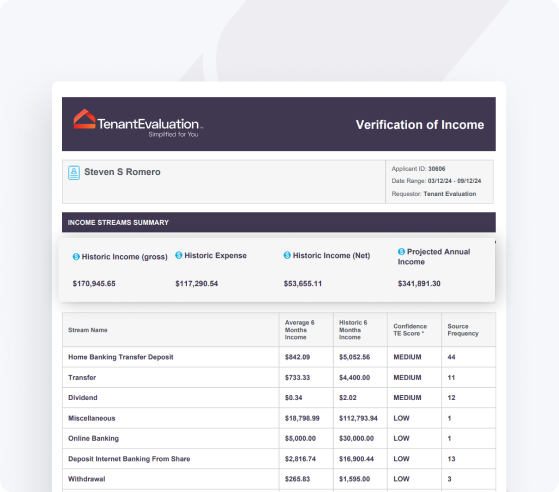
Compliance software adds structured safeguards that are difficult to match with paper files. Leading platforms employ PCI Level 1 standards, encryption, and automatic redaction of personally identifiable information so that sensitive resident details stay protected.
FCRA-compliant background check workflows and detailed activity logs give HOAs clear evidence of how decisions were made. Those logs become essential if DBPR exercises its expanded enforcement authority.
Automated processes reduce the chance of misplaced files, incomplete applications, or undocumented approvals, which helps shield both the association and individual board members from allegations of negligence or obstruction.
Greater transparency and faster board decisions
Board-focused dashboards give directors a clear view of open applications, upcoming deadlines, and pending votes in one place. This visibility shortens approval cycles and reduces confusion about who must act next.
These tools also help boards meet enhanced training and fiduciary accountability expectations by recording votes, comments, and decision rationales. Digital workflows replace email chains and ensure that every step leaves a record.
Key Features to Look For in Florida HOA Compliance Software
Florida-specific rules and automated workflows
HOAs benefit most from platforms that reflect Florida law rather than generic templates. Strong systems support:
- Custom screening rules that match community documents and Chapter 720
- Different workflows for purchasers, tenants, co-occupants, and corporate owners
- Automated reminders for missing documents, expiring approvals, and board actions
Integration with existing accounting or management software helps reduce duplicate data entry while keeping compliance tasks structured.
Intelligent forms and secure document handling
Modern compliance tools guide applicants through dynamic forms that request only what is needed for their situation. Conditional logic checks for signed leases, valid IDs, and required financial documents before an application reaches the manager or board.
Robust security measures, including encryption and PII redaction, protect uploaded files and keep the system ready for audits. Activity logs track each change or access to a record so HOAs can reconstruct events if questions arise.
Document automation speeds review by extracting key details, flagging missing items, and routing files to the right decision-makers.
Resident screening, analytics, and insight
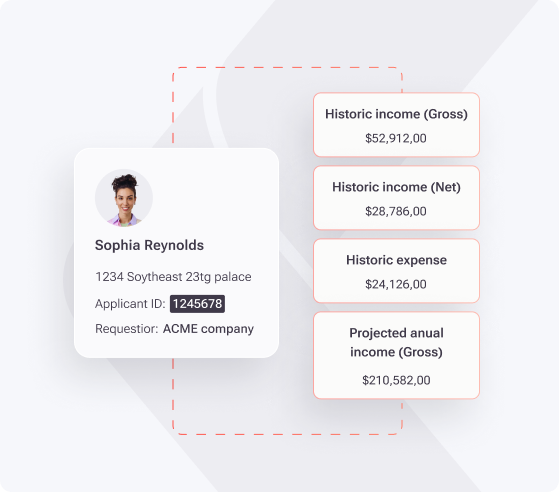
Comprehensive platforms pair compliance tools with screening services, including identity verification, income validation, and background checks. These capabilities help HOAs apply their criteria consistently while reducing manual follow-up.
Reporting tools can then summarize applicant and resident trends, such as rental versus owner-occupied ratios or application volumes over time. Boards use these insights to refine policies or plan for amenities and staffing.
Support for financial transparency and reserves
Strong software also helps HOAs meet financial obligations. The end of waiving reserves for critical structural components in the 2026 budget cycle raises the stakes for accurate reserve tracking.
Systems that generate quarterly statements, schedule reserve studies, and attach documentation to each budget cycle help HOAs stay organized. Florida Statutes Chapter 720 also addresses handling of unused funds, including remittance timelines, so clear workflows and alerts around these events reduce error risk.
|
Feature Area |
Manual Processes |
Compliance Software |
|
Document management |
Paper files, scattered emails, inconsistent storage |
Centralized portal, 24/7 access, version control |
|
Regulatory tracking |
Manual research, heavy reliance on counsel |
Rule sets and alerts for Florida-specific requirements |
|
Data security |
Higher breach risk, weak access control |
Encryption, PII redaction, structured permissions |
|
Reporting and audits |
Slow, error-prone, difficult to trace |
Automated reports and detailed audit trails |
See how these features operate in practice with a TenantEvaluation demo.
FAQ: Florida HOA Compliance Software and 2026 Laws
How do Florida’s 2026 HOA laws shape software requirements?
HB 1203 and HB 913 expand expectations for quarterly financials, reserve reporting, structural integrity studies, and inspection tracking. HOAs with 100 or more parcels must also provide online access to core records. Software that serves Florida communities in 2026 must support these obligations with automated reporting, structured document libraries, and tools aligned with Chapter 720, rather than generic workflows.
Can compliance software help reduce the risk of criminal penalties?
Purpose-built platforms create detailed logs of financial transactions, records requests, approvals, and board actions. Clear audit trails and timely, documented responses to records requests can help show good-faith compliance efforts and reduce exposure related to mismanagement or obstruction claims. While no tool removes risk completely, structured software makes it easier for HOAs and boards to prove that they followed required procedures.
What challenges in Florida often go unmet by generic property management tools?
Many standard systems lack features for Florida-specific financial rules, structural integrity reserve planning, and growing training expectations for board members. They also may not support nuanced screening requirements, multilingual applicants, or detailed reserve and inspection tracking. Florida HOAs benefit from software that adjusts quickly to new state laws instead of waiting on broad platform updates.
How does TenantEvaluation support Florida HOA compliance in 2026?
TenantEvaluation focuses on Florida HOA and condominium needs, with setups aligned to Chapter 720 and workflows tailored to HB 1203 and HB 913 requirements. The platform offers structured document collection, screening, and approval processes, along with board tools such as the QuickApprove dashboard for faster, well-documented decisions. Secure digital repositories help communities that must maintain websites or apps for record access, while audit trails support investigations or reviews.
Connect with TenantEvaluation to review your community’s specific 2026 compliance needs.
Conclusion: Use Technology to Stay Ahead of Florida HOA Rules in 2026
Florida’s 2024 and 2025 legislative changes now shape a 2026 environment where HOAs must manage more reporting, more inspections, and more oversight. Communities that still depend on manual processes face greater risk of errors, missed deadlines, and data exposure.
Specialized compliance software offers a practical way to keep pace. Centralized records, structured workflows, and clear audit trails help boards and CAMs demonstrate diligence while protecting resident data. These tools turn complex legal requirements into repeatable, trackable steps.
