
Key Takeaways
- HOA compliance platforms reduce manual work by automating tasks like document collection, application processing, and violation tracking.
- Centralized digital records, real-time alerts, and dashboards help boards maintain regulatory compliance and respond quickly to issues.
- Integrated screening, communication tools, and resident portals improve safety, transparency, and day-to-day community engagement.
- Data-driven reporting and automation lower operational costs, reduce legal exposure, and support better long-term planning.
- Tenant Evaluation offers a comprehensive HOA compliance and screening platform; schedule a demo to see how it can support your community.
1. Automate Tedious Tasks and Streamline Workflows
Automation cuts the time spent on routine compliance work. Tasks like document collection, application reviews, violation tracking, and architectural request processing no longer need hours of manual handling. All-in-one HOA management software centralizes administrative duties and automates key functions like financial reporting and document handling, eliminating chaos from multiple disparate systems.
Automated routing, reminders, and status updates keep applications and requests moving without constant follow-up. Workflows apply the same rules every time, which reduces errors and supports consistent enforcement.
A 200-unit association that once spent 15–20 hours a week on manual application processing can cut that time by more than half. Staff and managers can then redirect effort toward maintenance planning, resident support, and long-term projects instead of chasing paperwork.
2. Strengthen Regulatory Compliance and Limit Legal Risk
Accurate, up-to-date compliance tracking protects HOAs from fines, disputes, and board liability. Florida and other states introduce new rules frequently, and manual tracking leaves room for missed deadlines or outdated procedures.
Compliance platforms include monitoring tools that scan for relevant regulatory changes and apply them to the association’s profile. AI-driven compliance monitoring processes thousands of regulatory updates daily, automatically filtering and prioritizing those specific to each HOA’s jurisdiction. Customizable compliance criteria adapted to each HOA’s governing documents and CC&R policies minimize errors through automated workflows and templates.
Real-time alerts keep managers and boards ahead of potential issues. Real-time notifications via multiple channels prevent violations from escalating into costly fines or legal problems. This structure supports timely responses, more accurate records, and documented proof that the association followed required steps.
Schedule a demo to see how Tenant Evaluation supports applications, compliance, and board oversight for your HOA or condo community.
3. Centralize Data Management and Improve Accessibility
Centralized records simplify audits, board decisions, and daily operations. Many associations still rely on scattered files across email, desktops, and paper folders, which slows response times and increases the risk of loss.
Modern platforms offer a single digital repository for governing documents, applications, violations, permits, and correspondence. Unified platforms in 2025 address the growing complexity of HOA compliance by consolidating functions that previously required separate software solutions and manual coordination. Centralized document management systems digitize files with searchable access, automatic sorting and updating, audit trails tracking file access, and retention schedules aligned with regulatory requirements.
Boards and managers gain secure, role-based access to the records they need, from any location. Comprehensive activity tracking maintains detailed logs of all actions, which reinforces transparency and supports clear governance decisions.
4. Improve Resident Screening and Onboarding Transparency
Structured screening and onboarding support safety, financial stability, and fairness. Paper packets and email threads often result in missing documents, delays, and confusion for applicants and boards.
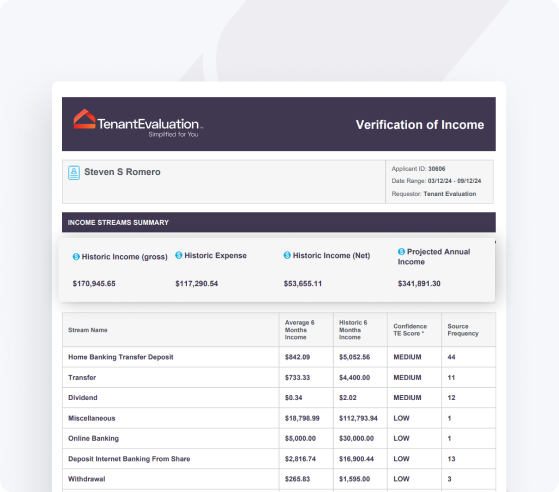
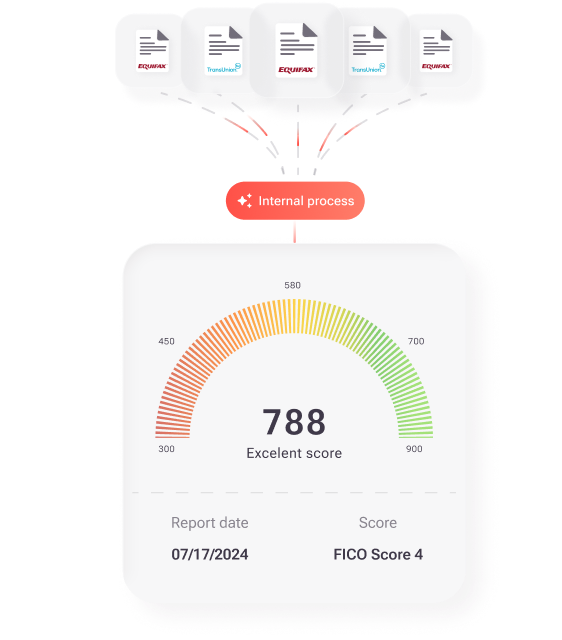
Compliance platforms bring identity checks, income review, and background screening into one workflow. Security-focused platforms incorporate identity verification, income evaluation, and background check tools to boost community safety and streamline resident approvals. Automated checks confirm that required documents are complete before an application goes to the board, which minimizes back-and-forth.
Boards gain clear, summarized information instead of scattered files. Real-time dashboards like QuickApprove accelerate approval processes and provide transparency for Board Members, including status, notes, and voting records. This clarity supports consistent decisions and gives applicants a predictable process.

5. Support Clear Communication and Community Engagement
Reliable communication helps residents follow rules and feel informed. Missed notices or unclear messages can create avoidable violations, disputes, and extra work for managers.
HOA platforms provide resident portals, announcements, and direct messaging tools in one place. Built-in communication tools including announcements, notifications, and resident portals increase transparency and engagement. Resident portals allow homeowners to pay dues, submit maintenance requests, view documents, and communicate with boards, reducing administrative workload while improving resident convenience.
Automated reminders and calendars keep key dates visible. Interactive calendars and automated reminders keep residents informed about compliance deadlines and policy changes, which reduces accidental noncompliance and improves overall participation.
Book a Tenant Evaluation demo to preview resident portals, messaging tools, and board workflows in one system.
6. Give Board Members Data for Better Decisions
Data-driven reporting helps boards move from reactive decisions to planned, policy-based action. Printed reports and ad hoc spreadsheets often hide trends or lack the context boards need.
Compliance platforms consolidate operational, financial, and violation data into dashboards. Performance analytics dashboards enable data-driven decision-making by tracking compliance trends, benchmarking against similar communities, and demonstrating board effectiveness to residents. Custom reporting capabilities generate in-depth performance and compliance reports that connect with other enterprise tools to streamline operations and reduce manual reporting.
These insights help boards identify recurring issues, prioritize projects, and communicate clearly with residents about decisions. Trends in violations, amenity use, or demographics can guide policy updates and investments that match how the community is actually living.
7. Reduce Operational Costs and Open New Revenue Opportunities
Automation and accurate records lower overall operating costs. Staff spend fewer hours on repetitive tasks, boards spend less on rush legal reviews, and associations face fewer penalties from missed requirements.
Many platforms also streamline money flows. Automated fee collection and late-fee rules reduce manual follow-up while improving cash flow. Clear documentation and audit trails lower the risk and cost of disputes by preserving a verifiable history of notices, decisions, and payments.
Over time, better compliance and smoother operations help stabilize budgets and support property values. HOAs often find that the combined savings and operational gains offset platform costs within a relatively short period.
Explore Tenant Evaluation’s platform to review pricing, features, and expected savings for your community.
Frequently Asked Questions
What is an HOA compliance management platform?
An HOA compliance management platform is software that helps homeowner and condominium associations organize and automate core governance tasks. It supports enforcement of CC&Rs, tracking of violations, resident screening, document storage, workflows for approvals, and communication with owners. These tools provide structured processes, audit trails, and reporting tailored to community association needs.
How do these platforms manage state-specific regulations, such as those in Florida?
Most platforms include settings and workflows that can be configured for state and local rules. For Florida associations, this can include legislative updates, reminders for statutory deadlines, and templates aligned with Florida community association law. Screening rules, document checklists, and approval paths can be customized to match both state requirements and the association’s governing documents.
Can a compliance management platform support resident screening and onboarding?
Yes. Leading platforms include integrated tools for identity verification, income review, background checks, and credit assessment. Applicants submit documents through a secure portal, and automated workflows move files through review and board approval. Status updates, audit logs, and standardized reports make the process faster, more consistent, and easier to document.
What kind of ROI can an HOA expect from this type of platform?
Return on investment often appears as reduced staff hours, fewer compliance errors, and lower legal exposure. Many associations report cutting dozens of hours of manual work per month once workflows, reminders, and online portals are in place. Faster application processing, clearer fee collection, and improved resident retention can also contribute to financial gains over time.
How do these platforms improve communication between Board Members and residents?
Platforms centralize communication through resident portals, email, text notifications, and in-app messaging. Homeowners can access documents, track requests, and view announcements in one place, while boards can share minutes, policies, and updates in a consistent format. Automated logs show when notices were sent and received, which supports transparency and reduces misunderstandings.
Conclusion: Moving Toward Proactive HOA Compliance
Compliance platforms help associations shift from manual, reactive processes to structured, proactive management. Automation, centralized data, modern screening, and clear communication tools support safer, better-organized communities.
For Community Association Managers and Board Members, this type of system offers practical benefits: less time on paperwork, stronger regulatory adherence, clearer records, and more predictable operations. Request a Tenant Evaluation demo to see how a consolidated compliance and screening platform can fit your association’s goals for 2025 and beyond.