
Last updated: January 27, 2026
Key Takeaways
- Florida HOAs must comply with Statute 720.303, which requires electronic access to core records by 2026. This shift makes specialized, secure storage essential compared with generic tools like Google Drive.
- Top HOA screening solutions use bank-level encryption, FCRA-compliant audit trails, automated PII redaction, and role-based access controls for resident screening documents.
- Specialized platforms such as TenantEvaluation include board voting dashboards, screening integrations, and revenue-sharing models that turn screening into a profit center.
- Generic storage tools do not follow Florida-specific retention rules, which increases the risk of fines, data breaches, and compliance violations during resident onboarding.
- Choose Tenant Evaluation for PCI Level 1 compliant, end-to-end HOA screening that processes applications in 5-10 minutes while generating revenue for your community.
8 Criteria Florida HOAs Need in Screening Compliance Storage
1. Secure Encryption Built for HOA Screening Data
Standard cloud storage platforms like Google Drive and Dropbox provide basic file sharing but do not offer the end-to-end encryption required for sensitive resident applications that contain Social Security numbers, bank statements, and credit reports. These platforms store data on shared servers and do not use security protocols tailored to personally identifiable information (PII).
HOA-specific platforms use bank-level encryption with PCI Level 1 compliance standards. TenantEvaluation encrypts all data at rest and in transit, which keeps sensitive applicant information protected throughout the screening process. This level of security is critical for Florida HOAs that handle hundreds of applications with financial and personal data.
2. Role-Based Access That Matches HOA Responsibilities
Generic storage solutions offer limited user permission structures that do not match the complex hierarchy of HOA operations. Cybersecurity best practices call for multi-factor authentication (MFA) and role-based permission systems that limit access to only the data each role needs. Community association managers, board members, and administrative staff all require different access levels to resident applications.
Specialized HOA platforms provide granular access controls that let property managers view all applications while limiting board members to summary reports and voting panels. TenantEvaluation’s QuickApprove dashboard gives board members real-time access to application status and voting tools without exposing sensitive PII. This approach maintains compliance and speeds up the approval process.
3. Organized Records That Follow Florida Retention Rules
Florida HOAs must maintain specific records outlined in Chapter 720 and provide access to members within 10 business days of a written request, including financial records, meeting minutes, and governing documents. Generic storage platforms do not include standardized folder structures or automated organization systems that support state-mandated retention timelines.
Professional HOA documentation platforms automatically organize resident applications according to Florida retention requirements and create searchable digital archives that support quick responses to records requests. These systems separate accessible documents from exempt files, which helps boards avoid fines from the Department of Business and Professional Regulation while keeping storage organized and compliant.
4. Detailed Audit Trails and Version History
FCRA compliance requires detailed documentation of every action taken during the screening process. HOAs must know who accessed applications, when decisions were made, and which information supported approvals or denials. Basic cloud storage platforms do not provide comprehensive audit trails, which leaves HOAs open to compliance violations and legal challenges.
Specialized screening platforms maintain timestamped logs of all user activities, document uploads, and decision points throughout the application process. TenantEvaluation provides complete audit trails that satisfy FCRA requirements and protect HOAs from liability through detailed documentation of every screening decision and data access event.
Schedule a demo for HOA compliance documentation storage solutions today to see how automated audit trails can shield your community from regulatory violations.
5. Automated PII Redaction and Reliable ID Checks
Manual redaction of sensitive information from resident applications consumes significant staff time and increases the chance of human error that can expose Social Security numbers, bank account details, and other PII. Generic platforms require manual review and redaction of every document, which slows processing and raises security risks.
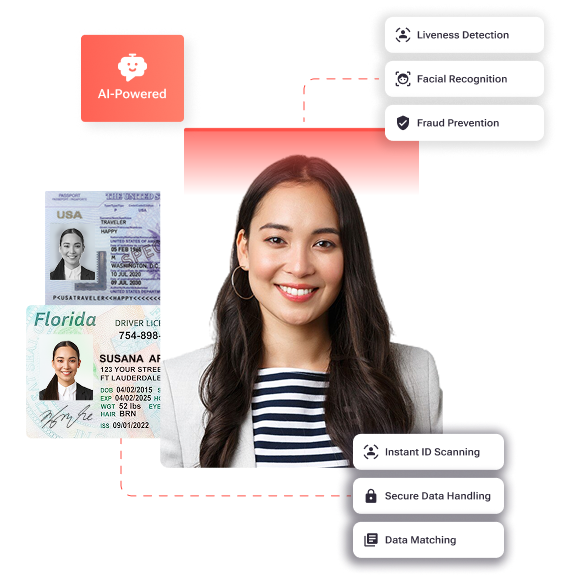
Advanced HOA screening platforms automatically identify and redact sensitive information from uploaded documents while keeping documents readable for review. TenantEvaluation’s IDverify solution combines automated PII redaction with identity verification, which keeps sensitive data protected while confirming applicant authenticity through document analysis and verification checks.
6. Integrated Screening Workflows With Built-In Consent
The Fair Credit Reporting Act (FCRA) mandates written consent before credit or background checks. HOAs need integrated workflows that capture proper authorization and maintain compliance throughout the screening process. Disconnected systems force staff to manage multiple platforms and increase the risk of missing critical compliance steps.
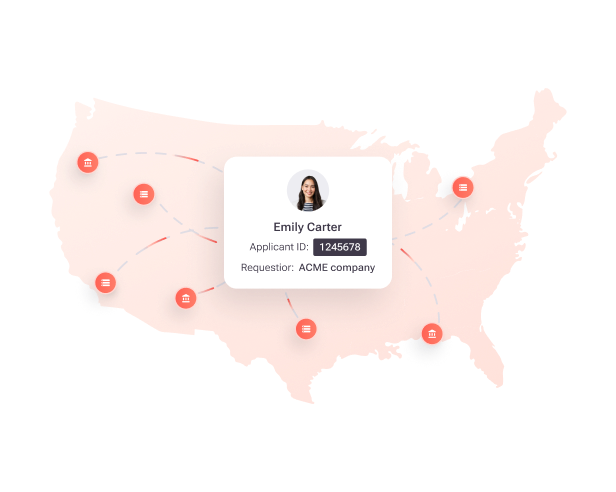
Comprehensive screening platforms combine background checks, credit reports, and income verification into unified workflows that automatically capture FCRA consent and generate required disclosures. TenantEvaluation’s SafeCheck+ solution delivers nationwide background screening with built-in adverse action workflows, which can cut processing time by up to 70 percent while keeping every application fully FCRA compliant.
7. QuickApprove Dashboards for Faster Board Votes
Traditional HOA approval processes rely on email chains and manual document sharing that slow decisions and reduce transparency for board members. Generic platforms do not offer specialized interfaces for board review and voting, so members must dig through complex file structures to find application information.
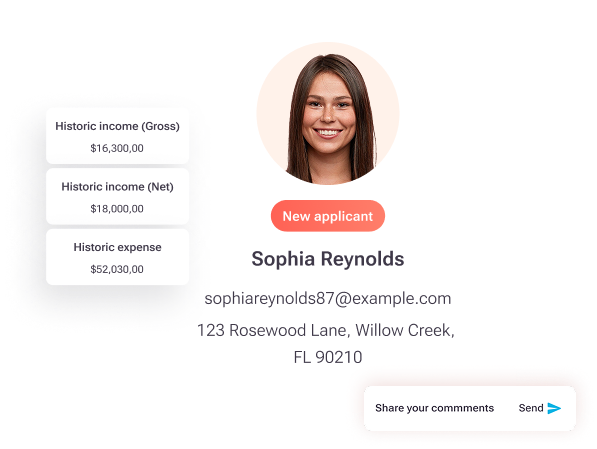
TenantEvaluation’s QuickApprove dashboard gives board members a dedicated interface with AI-generated application summaries, real-time status updates, and simple voting tools. This feature removes email back-and-forth and gives board members direct access to the information they need for informed decisions without exposing sensitive PII.
8. Revenue Sharing and End-to-End Onboarding Analytics
Most HOA management platforms treat resident screening as an administrative cost instead of a revenue opportunity. Generic solutions do not include integrated payment processing or revenue tracking that could offset operational costs through application fees and faster processing.
TenantEvaluation uses a revenue-sharing model that turns resident screening into a profit center for HOAs. The platform has generated more than $150 million for communities through efficient application processing and automated fee collection. It also provides detailed analytics on community demographics and revenue performance that support data-driven decisions.
|
Platform |
Auto-Redaction |
FCRA Audit Trails |
Florida Retention |
Processing Time |
|
TenantEvaluation |
Automated PII redaction |
Complete FCRA compliance |
Florida-specific rules |
5-10 minutes |
|
Buildium/AppFolio |
Manual redaction required |
Basic logging only |
Generic retention |
Slower than specialized platforms |
|
Google Drive |
No redaction features |
No audit trails |
No retention rules |
Slower than specialized platforms |
Why TenantEvaluation Fits Florida HOAs Better Than Competitors
TenantEvaluation stands out through Florida-specific customization and end-to-end automation that general competitors cannot match. While platforms like Buildium focus on broad HOA management with limited screening tools, TenantEvaluation focuses on resident onboarding with features tailored to Florida compliance requirements.
The platform processes applications in 5-10 minutes instead of the days that generic solutions often require. It maintains a 4.8 out of 5 Google rating and can save communities up to 50 staff hours per day. TenantEvaluation’s direct credit bureau reseller relationships support FCRA compliance, while many competitors rely on third-party data sources that increase liability. The revenue-sharing model aligns platform success with client profitability, unlike subscription-based competitors that charge the same amount regardless of results.
Florida Compliance Requirements That Shape HOA Storage
Florida Statute §718.111(12)(g) requires condominium associations with 25 or more units to post certain official records on password-protected websites by January 1, 2026. Similar requirements apply to HOAs under Chapter 720. These regulations require secure digital storage with controlled access for resident applications and screening documentation.
FCRA compliance adds another layer of complexity, with rules for consent procedures, adverse action notifications, and detailed audit trails for all screening decisions. TenantEvaluation’s PCI Level 1 compliance, automated redaction, and comprehensive audit trails give Florida HOAs a practical way to handle these overlapping requirements while keeping operations efficient.
Schedule a demo for compliance documentation storage solutions today so your HOA can meet all 2026 Florida requirements.
FAQ
What are Florida HOA document retention requirements?
Florida HOAs must maintain specific records outlined in Chapter 720 and provide member access within 10 business days of written requests. By 2026, associations must provide electronic access to core records such as budgets, contracts, minutes, accounting records, and project documentation. Records must be stored in organized, searchable digital formats with retention timelines that separate accessible documents from exempt files like attorney-client communications. TenantEvaluation automatically organizes resident applications according to these requirements while maintaining secure, compliant storage.
How does Google Drive compare to HOA software for compliance?
Google Drive does not include the specialized security features required for HOA resident screening documentation. It offers basic file storage without end-to-end encryption, automated PII redaction, FCRA-compliant audit trails, or role-based access controls for sensitive applicant information. HOA-specific platforms like TenantEvaluation provide PCI Level 1 compliance, automated workflows, and Florida-specific retention rules that generic cloud storage cannot match. The risk of data breaches and regulatory violations makes specialized HOA platforms a safer choice for compliance.
What is the best free HOA management software?
No truly free HOA management software delivers the full compliance features needed for resident screening documentation storage. Free platforms usually lack automated PII redaction, FCRA-compliant audit trails, and specialized board dashboards that support safe and efficient operations. TenantEvaluation uses a revenue-sharing model that often generates profit for HOAs instead of adding expenses, which makes it more cost-effective than free tools that expose communities to liability and inefficiency.
How can HOAs ensure FCRA compliance in resident screening?
FCRA compliance requires written consent before background checks, proper adverse action procedures for denials, and detailed audit trails that document all screening decisions. HOAs need platforms that automatically capture consent, generate required disclosures, and maintain timestamped logs of all activities. TenantEvaluation delivers built-in FCRA compliance through direct credit bureau relationships, automated consent workflows, and comprehensive audit trails that protect HOAs from regulatory violations and legal disputes.
What is the best way to store HOA documents?
The most effective HOA document storage combines secure encryption, automated organization, role-based access controls, and compliance-focused features in one platform. HOAs benefit from comprehensive solutions that handle document collection, screening, approval workflows, and retention in a single secure environment instead of using multiple disconnected systems. TenantEvaluation provides end-to-end document management with PCI Level 1 security, automated redaction, Florida-specific retention rules, and board-friendly interfaces that streamline operations and support compliance.
Conclusion
TenantEvaluation delivers a complete compliance documentation storage solution for Florida HOA resident screening by combining automated security features, FCRA compliance, and revenue generation that generic platforms do not provide. With more than 100,000 applications processed each year and $150 million generated for communities, the platform turns screening from an administrative burden into a strategic advantage. Schedule a demo for HOA compliance documentation storage solutions today to experience secure, efficient, and profitable resident onboarding.