
Managing a homeowner or condominium association comes with the challenge of screening residents effectively. A slow or outdated process can burden your team, create legal risks, and disrupt community harmony. This guide offers seven practical tips for HOA boards and community managers to refine their screening methods, save time, reduce risks, and make informed decisions for a stronger, more compliant community.
Why HOA Resident Screening Can Be Tough
An effective screening process is central to maintaining a safe and cohesive HOA community. Yet, many boards struggle with strict regulations, the need for quick decisions, and the risk of errors in manual systems. These issues can delay approvals, frustrate applicants, and leave your association vulnerable to problems. Outdated methods often mean inconsistent reviews and security gaps when handling personal data.
Today’s HOAs need tools that balance thorough checks with efficiency, ensure compliance, and prioritize security. The tips below address these challenges directly, providing a clear path to a smoother, more reliable screening system for everyone involved.
7 Tips to Strengthen Your HOA Screening Process
1. Create Consistent Application Standards
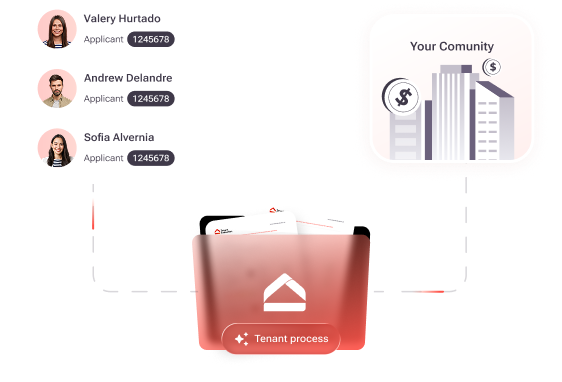
Inconsistent forms and scattered document collection can confuse applicants and overload your staff. A better approach is to set a standard checklist of requirements and use a digital platform to gather everything in one place. This cuts down on back-and-forth, reduces mistakes, and ensures every applicant is evaluated fairly.
For example, require specific documents like a lease agreement, proof of income, and ID through a single online portal. This speeds up reviews and helps avoid claims of unfair treatment. HOAs using standardized digital applications often cut processing time by up to 40%, freeing staff for other tasks and getting residents moved in faster.
A centralized system also means board members always know where to find complete, organized information, replacing the hassle of chasing down emails or paper files.
2. Conduct In-Depth Background and Credit Reviews
Basic background checks might miss critical details, putting your community at risk. A stronger method includes checking criminal history across national databases, past evictions, and verifying financial stability through direct sources, not just applicant-provided data.
This protects your HOA from potential issues, confirms applicants can meet financial commitments, and fosters a safer environment. Direct income verification with employers, for instance, can reveal discrepancies in applications. Using services that follow federal guidelines ensures accuracy and legal protection.
Detailed background reviews can lower eviction rates by more than 50%, saving on legal costs and supporting community stability. Pair this with checks on registries and international lists when needed for a full view of each applicant.
See how TenantEvaluation can help with streamlined applications and compliance for your HOA.
3. Use Adaptive Application Forms
Standard forms often ask unnecessary questions or miss key details based on an applicant’s situation. Adaptive forms adjust questions dynamically, showing only relevant fields based on earlier answers, like prompting for landlord references if the applicant rents.
This cuts down on irrelevant data, lowers the chance of applicants giving up midway, and ensures you get the exact information needed. HOAs with adaptive forms see a 25% increase in completed applications due to a simpler experience. It also reduces errors by guiding applicants to provide complete, accurate details.
4. Switch to Digital Document Handling with Auto-Redaction
Collecting sensitive documents manually, like IDs or bank statements, risks data leaks and creates extra work. Moving to a secure online portal for uploads, paired with auto-redaction of personal details, protects privacy and meets compliance standards.
This approach enhances security, cuts down on paperwork, and lets board members review only necessary, protected information. For instance, redacting Social Security numbers while showing financial data keeps things safe and useful. Data breaches can cost millions per incident, averaging $4.45 million. Digital handling reduces this risk and speeds up processing by up to 70%.

5. Set Up a Digital Board Review System
Lengthy email chains and in-person meetings slow down approvals. A digital dashboard lets board members review summaries, access safe documents, and vote online from anywhere, cutting through delays.
This offers clear tracking of application status, supports fair decisions, and logs every action for accountability. HOAs using dashboards cut approval times by up to 70%, speeding up move-ins and reducing vacant periods. Automated alerts ensure no application gets overlooked.

6. Analyze Community Data for Better Planning
Screening data offers insights beyond individual approvals, like trends in demographics, rent prices, or amenity needs. Using a platform to turn this into clear reports helps boards plan strategically.
Such analysis lets you update rules based on real trends, assess demand for facilities, or adjust budgets. For example, noticing more electric vehicles could lead to adding charging stations. HOAs using data see a 15-20% rise in resident satisfaction by matching services to actual needs.
7. Stay Compliant with Florida Regulations
Florida’s HOA rules are detailed and often change, requiring screening systems to keep up with state and federal laws. A flexible platform with updated legal features and proper record-keeping is essential.
Staying compliant reduces legal risks and shows diligence to residents. Features like secure data storage and automated notices for denied applicants help meet standards. Fines for first-time fair housing violations can exceed $20,000, making a tailored, current system a priority.
Discover how TenantEvaluation supports compliance and streamlines processes for your association.
How to Put These Tips into Action
Applying these tips starts with assessing your current screening setup. Identify the biggest delays or risks by consulting your team and recent applicants. Focus on quick fixes first, like digital document collection for instant security gains, before tackling broader changes like data analysis.
Training is key. Make sure everyone understands the tools and benefits. Also, choose a screening system that connects easily with your existing property management software to avoid duplicate work and keep data consistent.
Track Your Screening Improvements
Measure progress with clear goals, like how long it takes to process applications, staff hours spent per review, applicant feedback, and compliance results. Also track vacancy days shortened by faster approvals and any added revenue from fees.
Check how board members feel about the process too. Are they spending less time on reviews? Do they feel confident in their decisions? Over time, look at resident turnover and payment issues to see how screening impacts community stability.
Prepare Your Screening for the Future
Regulations and technology keep changing, so pick a screening tool that updates regularly and can adopt new features like advanced identity checks or secure storage options. This avoids major overhauls down the line.
Stay flexible by reviewing your criteria often, adjusting for legal updates or community shifts. A adaptable system lets you make changes without disrupting your workflow.
Common Questions About HOA Screening Improvements
How Can HOAs Keep Screening Fair?
HOAs can maintain fairness by setting consistent application rules and evaluating everyone equally with clear, written standards for credit, income, and background checks. Using digital forms reduces bias in data collection, and sticking to federal compliance guidelines is critical. Regular legal reviews ensure policies align with Florida’s fair housing laws, and documenting decisions shows they’re based on valid criteria.
What Risks Come with Manual Screening?
Manual processes bring serious risks. Sensitive data can be lost or stolen, legal compliance is harder without proper records, and slow approvals frustrate applicants. Staff workload increases, errors are more likely, and tracking trends or meeting regulatory demands becomes nearly impossible. These issues can lead to lawsuits, fines, and lost revenue.
How Can Boards Approve Applications Remotely?
A digital dashboard allows board members to review summarized data, access safe documents, and vote online without meetings. Features like automated alerts and secure messaging keep everyone updated and maintain transparency. This cuts approval times significantly while ensuring thorough reviews.
What Features Matter in a Screening Tool?
Look for a tool that integrates with your current software, offers Florida-specific compliance updates, and meets high security standards with encryption and data redaction. It should be easy to use for applicants and board members, support multiple languages if needed, and provide data insights. Check the vendor’s experience with HOAs and their support quality.
How Does Better Screening Affect Finances?
Improved screening saves on staff time, often cutting 40-50 hours weekly, and reduces vacancy days by speeding up approvals. It leads to residents who pay reliably, lowers legal and insurance costs, and helps maintain property values by attracting stable, long-term residents. These savings and benefits add up over time.
Final Thoughts on HOA Screening
A solid resident screening process is vital for any HOA’s success. By adopting these seven tips, from consistent standards to digital tools and compliance focus, you can move past slow, risky methods. The result is less workload, faster decisions, and a safer, more united community.
Modern screening isn’t just about technology; it’s about smarter, more professional management. HOAs that adapt gain immediate time savings and long-term benefits like lower risks and better planning. As regulations and expectations evolve in Florida, staying ahead with efficient systems is key to standing out.
Learn how TenantEvaluation can improve your process with a demo tailored to your HOA’s needs.