
High rejection rates for HOA applications can slow down operations, frustrate potential residents, and increase costs. This guide offers seven practical strategies for Florida homeowner and condominium associations to improve their application process. From better communication to using technology, these tips aim to make approvals smoother and more efficient.
In Florida’s fast-paced housing market, a clunky application process creates barriers for applicants and headaches for management. Rejection rates affect an association’s efficiency, finances, and community satisfaction. Florida HOA regulations highlight the need for clear, quick application handling to benefit both parties. The focus isn’t on approving everyone, but on ensuring rejections are fair and reduced through streamlined steps.
1. Set Clear Application Rules and Share Them Early
Clear, specific application criteria are key to cutting down on rejections. If requirements aren’t well-defined, applicants get confused, leading to incomplete forms and unnecessary denials. Make sure your rules follow Florida fair housing laws and cover details like minimum credit scores, income ratios, background checks, and any community-specific limits.
Share these rules before applicants even start. A pre-application checklist helps them see if they qualify, saving time for everyone. Be precise, stating things like “credit score of at least 650” instead of just “good credit,” or “submit two years of tax returns” rather than a vague “proof of income.” Post this information on your website, management portal, and through realtor networks. When expectations are upfront, applicants are more likely to submit complete, qualifying forms.
2. Use Digital Forms for Easier Submissions
Paper applications often lead to mistakes, missing info, and delays, which bump up rejection rates. Digital platforms with smart forms guide applicants step by step, catching errors before submission. These systems stop incomplete applications from moving forward, saving time during reviews.
Smart forms adjust based on the applicant’s situation, whether they’re a tenant or buyer, ensuring the right details are collected. They check for required documents, confirm formats, and even include e-signatures. Applicants get instant confirmation of submission and updates on their status, reducing confusion and follow-ups. This cuts down rejections caused by simple errors or formatting issues.
Ready to simplify your process? Schedule a demo today to see how digital tools can lower rejection rates.

3. Create a Consistent Review Workflow
Inconsistent reviews cause delays and rejections due to misunderstandings or missed steps. A standard process with defined roles and deadlines ensures every application gets a fair, thorough look without unnecessary holdups.
Set up a system where specific tasks, like document checks or background reviews, are handled by designated team members. This keeps things accurate and accountable. Define timelines, such as 48 hours for initial reviews and one week for final decisions. Manual reviews often take much longer than automated ones, slowing everything down. A central dashboard with key applicant data and clear next steps cuts out back-and-forth emails, speeding up decisions and reducing overlooked files.
4. Adopt Reliable Screening Tools for Better Decisions
Weak screening tools can reject good applicants or approve risky ones, harming your community. Using thorough, compliant tools for background checks, credit reviews, and income verification helps make fair, accurate calls.
Modern platforms verify IDs to spot fraud, confirm employment beyond what’s reported, and run detailed criminal checks nationwide. These tools give a full view of applicants while meeting federal housing and credit laws. One Florida condo association cut rejections by over a third after using advanced screening. With automated checks, they approved more qualified people without compromising safety. The right tools support decisions, not block them.
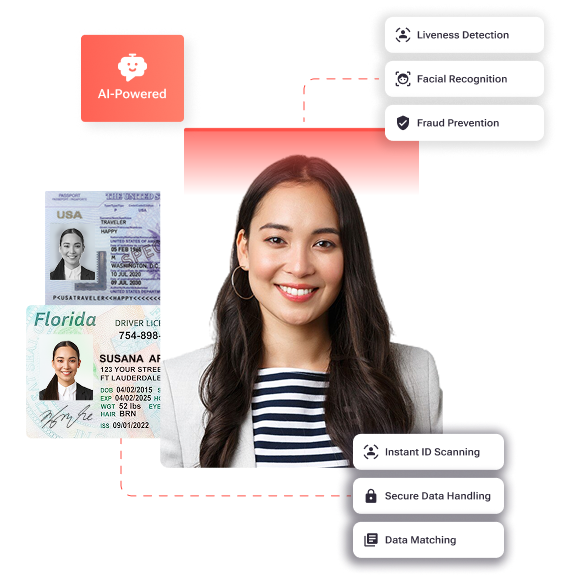
5. Improve Communication to Keep Applicants Engaged
Lack of updates during the application process frustrates people, often leading them to give up or miss requested info, which raises rejection rates. Keeping applicants in the loop helps them stay on track and address issues early.
Use automated notifications to update at key points: when the application is received, under review, needs more documents, or decided. This clarity helps applicants know where they stand and what to do next. In Florida’s diverse communities, offering support in multiple languages through chat tools also prevents misunderstandings. Better communication lowers drop-off rates and boosts satisfaction.
6. Keep Policies Current and Legally Sound
Old or non-compliant rules can reject good applicants and risk legal trouble for associations. Florida law requires HOAs to keep documents updated to match current rules and community needs.
Review bylaws, covenants, and screening rules yearly to ensure they fit housing laws and community goals. Look at restrictions like pet or vehicle policies that might be outdated. For instance, a strict “no pets” rule could unfairly reject applicants with service animals protected by law. Adjusting income rules for inflation also prevents excluding qualified people. Updated policies cut rejections and protect against legal issues.
7. Use Data to Spot and Fix Process Issues
Tracking application trends and rejection causes helps HOAs find and fix problems driving high rejection rates. Without data, you’re guessing at what’s going wrong and missing chances to improve.
Monitor metrics like rejection reasons, completion rates, and processing times. If many rejections stem from missing income proof, clarify those rules or offer better guidance. If certain groups face higher rejections, check for unintended bias in criteria. Analytics also spot seasonal trends or policy gaps, like parking rules for electric vehicles. Acting on these insights reduces unfair rejections and keeps processes aligned with community needs.
Want to see how data can help? Schedule a demo today to explore analytics for your application process.
Manual vs. Automated HOA Application Process Comparison
|
Feature |
Manual Process |
Automated Process |
Impact on Rejection Rates |
|
Application Completion |
Prone to errors, incomplete |
Guided, verified |
50% fewer incomplete submissions |
|
Document Submission |
Paper, email, disorganized |
Digital, secure, validated |
40% reduction in document-related rejections |
|
Review Timeline |
2-4 weeks average |
3-7 days average |
30% fewer withdrawn applications |
|
Communication |
Limited, delayed updates |
Real-time notifications |
25% improvement in applicant completion rates |
Frequently Asked Questions
Why Are HOA Applications Often Rejected in Florida?
Common reasons for HOA application rejections in Florida include missing documents, which make up about 35% of cases, low credit scores, unverified income, failure to meet rules like pet or vehicle limits, and unpaid fees. Background issues, such as past evictions or criminal records, also play a role. Many of these could be avoided with clearer instructions and support during submission.
How Can HOAs Follow Fair Housing Laws in Florida?
Florida HOAs must align with the federal Fair Housing Act and state laws by applying rules evenly to all applicants, regardless of protected status. They should accommodate disability needs and keep records of decisions. Criteria must focus on an applicant’s ability to be a responsible resident, without unfairly affecting protected groups. Regular legal reviews and staff training on fair housing are critical to staying compliant and minimizing risks.
How Does Technology Help Cut HOA Rejections?
Technology reduces HOA application rejections by cutting errors and improving efficiency. Digital forms prevent incomplete submissions, automated checks catch invalid documents early, and notifications keep applicants updated. Detailed screening tools offer accurate background data, while dashboards organize info for board reviews. These tools can lower rejection rates by nearly half and speed up processing significantly.
How Often Should HOAs Update Application Rules?
HOAs should fully review application criteria and processes each year, with extra checks if housing laws, market conditions, or rejection rates shift noticeably. Assess whether rules are still relevant and legal, evaluate communication, and review rejection data for improvements. Monthly monitoring of key stats also helps catch issues early. Staying proactive ensures fair, efficient processes that adapt to community and legal changes.
What to Do if Rejection Rates Spike Suddenly?
If rejection rates jump, analyze recent cases to pinpoint causes like new rules, policy shifts, or external factors affecting qualifications. Check if staff changes or communication gaps are at play. Verify that materials reflect current rules and consider if criteria have become too strict for the market. Once the issue is clear, adjust rules, clarify instructions, or add support to bring rates back to normal.
Conclusion: Build a Smoother Path to Approvals
Lowering HOA application rejection rates takes a well-rounded effort across the entire process. Clear rules, digital tools, standard reviews, solid screening, strong communication, updated policies, and data insights can make approvals faster while upholding community standards for Florida HOAs.
The payoff goes beyond less paperwork. Streamlined processes build resident trust, lower legal risks, and create a positive reputation that draws quality applicants. Associations that tackle inefficiencies gain a strong edge in Florida’s competitive market.
Ready to improve your HOA application process? Schedule a demo today to learn how TenantEvaluation can help streamline approvals and improve efficiency.