Written by: Luis Teran, Co-founder, CEO, TenantEvaluation | Last updated: July 23, 2026
Key Takeaways for Florida CAMs and Boards
- FSResidential’s encryption and MFA protect data and portal access but cannot confirm that the applicant matches the identity on the documents.
- Document-only screening leaves Florida HOAs exposed to impersonation and synthetic-identity fraud as AI-generated document fraud surges.
- TenantEvaluation layers biometric IDVerify, QuickApprove workflows, and 55+ Communities Verification into existing processes without replacing FSResidential.
- Centralized Lease Tracking and FCRA-compliant audit trails replace fragmented spreadsheets and email chains with real-time, audit-ready records.
- Ready to close the identity-fraud gap in your community? See how biometric verification blocks fraud at the application stage.
Florida Identity Fraud Risk for HOA Applications
Florida recorded 528 identity theft reports per 100,000 residents in 2024, the highest per-capita rate in the nation. The same source reports that the FTC received 1,135,270 identity theft reports nationally in 2024, a 9.5% increase over 2023. Synthetic identity fraud lender exposure reached $3.3 billion according to TransUnion, and AI-driven synthetic identity document fraud increased 311% in North America between Q1 2024 and Q1 2025.
Document-only screening cannot detect deepfakes or stolen IDs. A fraudster using a genuine face and a fabricated or AI-generated document passes standard document review because the review layer only validates what is presented, not whether it is authentic. For 55+ communities and lease approvals, risk grows with application volume and the recordkeeping obligations under Florida Statutes § 720.303 and § 718.111(12).
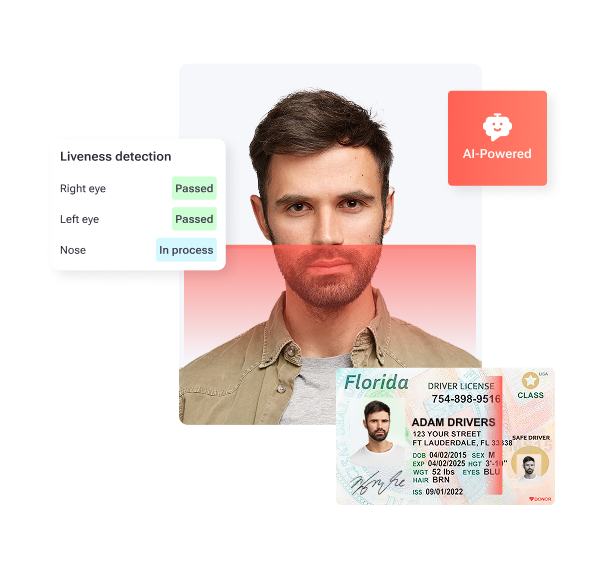
Ready to close the identity-fraud gap in your community? See how biometric verification stops fraud before move-in.
FSResidential Controls Compared to TenantEvaluation Layers
This section explains where FSResidential’s portal provides strong controls and where additional layers from TenantEvaluation close remaining gaps in identity, workflow, and records.

| Control Category | FSResidential Portal | Gap Type | TenantEvaluation Layer |
|---|---|---|---|
| Data Security | End-to-end encryption, portal MFA | Identity not confirmed at submission or approval | PCI Level 1 compliance, end-to-end encryption, automatic PII redaction |
| Authentication | Portal MFA (SMS or push-based) | Phishable factors vulnerable to takeover | Biometric liveness detection confirms physical presence, not just credential possession |
| Identity Verification | Third-party background checks, document upload review | No live presence or document authenticity confirmation | IDVerify: government ID validation, AI liveness detection, selfie-to-ID biometric matching |
| Approval Workflow | Manual board review via email or portal notifications | Fragmented approvals and limited shared visibility | QuickApprove: board-ready approval process with real-time application tracking inside one connected platform |
| 55+ Age Verification | Manual document collection per community | Inconsistent documentation and survey evidence | 55+ Communities Verification: standardized, documentation-consistent workflow built for Florida HOAs |
| Lease Management | Separate from screening workflow | Decentralized lease records and manual tracking | Lease Tracking: centralized, real-time lease status connected to onboarding |
| FCRA Compliance | Third-party screening vendors | Limited direct bureau relationship and uneven audit trails | Direct TransUnion and Equifax reseller; built-in adverse action workflows and FCRA audit trails |
How Biometric Layers Expose HOA Application Fraud
Two scenarios show how biometric-backed verification changes outcomes compared with document review alone.
Before IDVerify: An applicant uploads a high-quality scan of a stolen government ID and a fabricated lease agreement. The background check returns clean results tied to the stolen identity. The board approves the application. The fraudulent occupant enters the community. No layer in the workflow confirms that the person submitting the application matches the ID presented.
After IDVerify: The same applicant reaches the identity verification step. Liveness detection confirms whether a submitted biometric sample comes from a real, physically present person. The selfie-to-ID biometric comparison fails because the applicant’s face does not match the stolen ID photo. The application is flagged before the board review stage. The community stays protected before risk reaches the property.

Why Encryption and MFA Alone Fall Short for HOAs
Many MFA implementations protect only the initial login moment rather than the full session. Once an attacker relays or steals a valid code, they can keep access to HOA application portals without further prompts. SMS-based MFA introduces account takeover risk because the factor travels through channels vulnerable to SIM swapping, message interception, or social engineering.
Encryption protects data confidentiality in transit and at rest. A user with legitimate access credentials can still access data they are authorized to see regardless of encryption. Encryption also cannot prevent misuse by authorized account holders. These controls do not confirm whether the applicant is the person they claim to be.
Florida’s breach-notification statute, F.S. 501.171, requires notification of affected Florida residents within 30 days of determining a breach involving PII. Penalties reach $1,000 per day for the first 30 days of delay and $50,000 per day thereafter, up to a $500,000 per-incident cap. Associations and vendors must maintain security controls that support this standard. Encryption and MFA form part of that posture, but they do not complete it.
How IDVerify Fits Florida HOA Screening Workflows
IDVerify functions as TenantEvaluation’s biometric identity verification layer inside the screening workflow. It runs natively within TenantEvaluation, so CAMs avoid external portals, extra logins, or new manual steps.
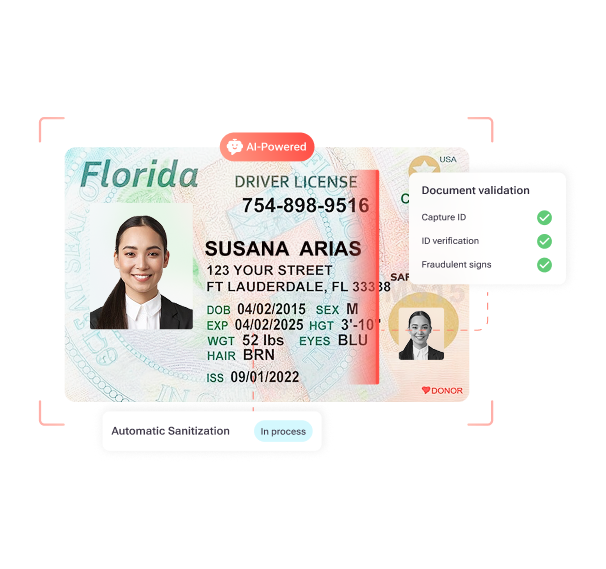
- Government-issued ID validation confirms document authenticity.
- AI-powered liveness detection confirms physical presence, aligned with ISO/IEC 30107-3 liveness-detection standards.
- Biometric selfie-to-ID facial matching confirms the applicant matches the document.
CAMs see verification results inside the screening report, including ID authenticity, liveness status, biometric match result, and a redacted ID copy. IDVerify can be enabled per community, configured at the portfolio level, and tuned to each community’s risk profile.
Seven TenantEvaluation Safeguards That Work Together
- IDVerify Biometric Verification: Adds government ID validation, AI liveness detection, and selfie-to-ID biometric matching to every application. This moves communities from document-based review to biometric-confirmed identity before any board review.
- QuickApprove Accelerated Approval Workflow: Takes over once identity is confirmed. It accelerates resident approvals inside one connected platform with real-time application tracking, a board-ready approval process, automated communication support, customized approval letters, and a personalized welcome package. Boards keep control, compliance, and visibility while reducing delays.
- 55+ Communities Verification: Standardizes application handling for age-restricted communities after approval. It reduces manual work, supports documentation consistency, and improves operational efficiency for Florida condos and HOAs managing HOPA-related requirements.
- Lease Tracking: Connects approved residents to their leases. It provides centralized, real-time lease visibility and lifecycle control by linking onboarding, unit data, approvals, and lease documentation into one streamlined, audit-ready workflow that replaces spreadsheets and scattered email chains.
- FCRA Audit Trails: Uses TenantEvaluation’s direct reseller relationships with TransUnion and Equifax, built-in adverse action workflows, and timestamped audit trails for every application. This supports FCRA-aligned defensibility and reduces association liability exposure when decisions are challenged.
- Automated PII Redaction: Automatically redacts sensitive personal information such as Social Security numbers, driver’s license numbers, and bank account details from documents. This supports redaction obligations under Florida Statutes § 720.303(5) and reduces breach exposure under F.S. 501.171.
- Board-Ready Dashboards: Present a dedicated board panel with AI-generated application summaries, a voting workflow, and timestamped audit records. This replaces email chains and gives boards direct, real-time visibility into applications that need attention.
Step-by-Step Best Practices for Implementation
CAMs and boards moving to a layered fraud-prevention workflow can follow this sequence.

- Start by auditing current application intake to identify where document-only review is the sole identity control. These points represent the highest-risk gaps.
- After mapping those gaps, enable IDVerify for all new purchase and lease applications across the portfolio to close the identity-verification layer.
- With identity verification in place, configure 55+ Communities Verification for each age-restricted community to standardize documentation and reduce manual follow-up.
- Next, activate Lease Tracking to connect onboarding, approvals, and lease documentation into one centralized, real-time workflow that supports audit readiness.
- Implement QuickApprove so boards gain a connected approval process with real-time tracking and fewer bottlenecks during peak seasons.
- Confirm that PII redaction is active for all records subject to member inspection under Florida Statutes § 720.303 to reduce exposure during records requests.
- Review FCRA adverse action workflows to confirm audit trail completeness for every application decision before scaling the new process.
TenantEvaluation serves 5,000+ communities and processes about 100,000 applications per year, with FCRA compliance built into the platform. Schedule a workflow assessment to see how these safeguards align with your current process.
Frequently Asked Questions
How long does it take to implement TenantEvaluation alongside an existing FSResidential portal?
TenantEvaluation is configured to each community’s governing documents, screening criteria, and association workflows. Most communities become operational within days of setup, not weeks. Because TenantEvaluation operates as a standalone all-in-one platform that handles application intake, document collection, identity verification, background checks, board approvals, and lease tracking, it does not require FSResidential to be removed or replaced. CAMs can run both systems during a transition period and migrate workflows at their own pace.
What is the cost model, and does it require upfront fees?
TenantEvaluation uses a pay-per-application model with no upfront fees or monthly subscription charges. The platform’s revenue-sharing model deducts its service fee from the collected application fee and rebates the remainder to the association or management company. This structure makes the platform cost-neutral or revenue-generating for most communities. It differs from broader property management platforms that charge monthly subscriptions regardless of application volume.
How does IDVerify affect board liability for fraudulent resident approvals?
IDVerify adds a biometric-backed identity confirmation layer before any application reaches the board review stage. When a board approves an application that has passed government ID validation, AI liveness detection, and selfie-to-ID biometric matching, the decision is supported by a documented verification record embedded in the screening report. This record creates a stronger audit trail than document-upload-only workflows and reduces the risk that a board approval is later challenged on the basis that identity was not adequately confirmed. TenantEvaluation does not provide legal advice, and boards should consult legal counsel regarding their specific liability exposure.
Does TenantEvaluation’s 55+ Communities Verification replace legal guidance on HOPA compliance?
No. TenantEvaluation’s 55+ Communities Verification functions as a documentation and workflow standardization tool. It helps Florida condos and HOAs standardize how age-restricted requirements are handled across applications, reduces manual work, improves documentation consistency, and strengthens operational efficiency and internal controls. It does not replace legal guidance, guarantee compliance, or serve as a legal verification system. Communities should continue to work with qualified legal counsel on HOPA obligations, biennial re-survey requirements, and published policy documentation.
How does Lease Tracking support audit readiness under Florida’s records-retention requirements?
Florida Statutes require HOAs to retain most official records, including those related to lease and transfer approvals, for at least seven years. Lease Tracking connects resident onboarding, unit data, approvals, and lease documentation into one centralized, real-time workflow with searchable digital history, real-time lease status visibility, and audit-ready digital records. This setup replaces spreadsheets and scattered email chains with a single source of truth that CAMs and boards can access instantly. Lease Tracking supports compliance readiness but does not guarantee regulatory compliance or replace legal lease review.
Conclusion: Closing the Identity Gap in FSResidential Workflows
FSResidential’s encryption and MFA address data security and portal access, but they do not confirm that the person submitting a resident application is the person named on the documents. That gap is where impersonation and synthetic-identity fraud enter Florida communities. TenantEvaluation’s layered approach closes that exposure.
With IDVerify biometric verification, QuickApprove board-ready approvals, 55+ Communities Verification, centralized Lease Tracking, and FCRA-first compliance built in, TenantEvaluation gives Florida CAMs and HOA boards a fraud-prevention infrastructure that document-only screening cannot provide. Book your demo and see exactly where your current workflow stops and where TenantEvaluation’s safeguards begin.
