Written by: Luis Teran, Co-founder, CEO, TenantEvaluation | Last updated: August 6, 2026
Key Takeaways for Florida Associations
- HB 1293 classifies submitting fraudulent residential application information as a felony, which increases legal and financial exposure for Florida condos and HOAs that miss fraud.
- Document-only screening workflows fail against modern synthetic identity fraud because fake IDs and paystubs are easily created with common editing tools.
- Biometric liveness detection combined with FCRA-compliant processes now represents the minimum defensible standard for Florida community associations.
- TenantEvaluation is the only platform built exclusively for Florida condos and HOAs that integrates biometric verification, board voting dashboards, adverse action automation, and end-to-end lease tracking in one FCRA-compliant system.
- Associations can reduce fraud risk and operational backlogs by implementing TenantEvaluation’s complete workflow—explore the full platform capabilities.
How HB 1293 and the FCRA Shape Screening in Florida
HB 1293 establishes that knowingly submitting false or fraudulent information on a residential application, including fabricated identification, falsified income documentation, or misrepresented occupancy intent, is a criminal offense. The statute creates a practical burden for associations, because weak screening processes make it harder to show due diligence in a legal dispute.
HB 1293 interacts directly with the Fair Credit Reporting Act (FCRA), which governs how consumer reports such as credit, criminal background, and identity data are obtained and used. For Florida community associations, FCRA compliance requires a permissible purpose before pulling any consumer report, a clear adverse action process when a report contributes to a denial, and strict data security standards for all applicant information.
Biometric verification, when embedded inside an FCRA-compliant workflow, strengthens permissible-purpose validation by confirming identity before screening authorization is triggered. This structure reinforces audit defensibility and avoids creating new liability when the workflow keeps identity checks separate from consumer report decisions.
Associations that rely on generic multifamily platforms not designed for the condo and HOA context risk FCRA violations because those platforms often lack automated adverse action workflows and audit trails that Florida associations require. These FCRA compliance gaps are compounded by a more fundamental problem: the screening methods themselves often cannot detect modern fraud.
Why Document-Only Checks Cannot Keep Up With Modern Fraud
Traditional screening asks applicants to upload a photo of their ID and a PDF of their paystub, which creates an easy target for fraud. Both document types are trivially reproducible using widely available editing tools, so visual review alone rarely catches sophisticated manipulation.
A high-resolution scan of a stolen driver’s license can pass a visual review when the reviewer has no way to confirm the person behind the screen. A synthetic paystub generated from a template can pass income verification if the reviewer focuses on formatting instead of validating the underlying data source.
Synthetic identity fraud, where a fraudster combines a real Social Security number with fabricated personal details, is particularly difficult to catch through document review alone because the credit file associated with the synthetic identity may appear legitimate. The only reliable countermeasure is confirming that the physical person presenting the application matches the identity document being submitted in real time through biometric liveness detection and facial comparison.
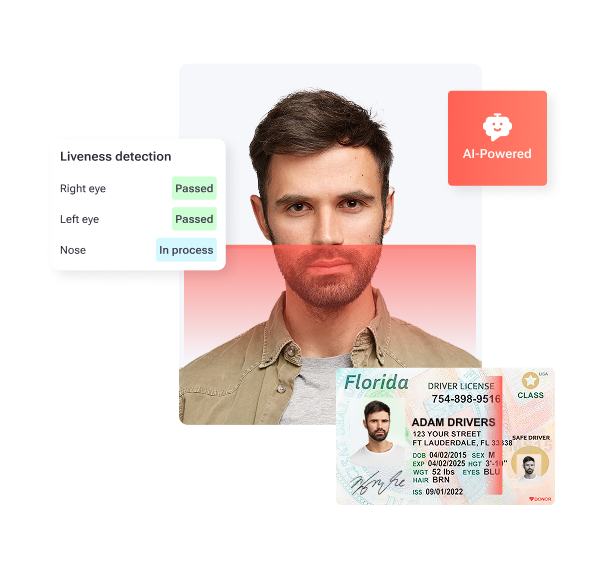
Document-only workflows also create manual review backlogs that strain staff. When a CAM must visually inspect every uploaded ID and paystub across dozens of concurrent applications, errors increase and processing times stretch out, which exposes the association to both fraud risk and the operational liability of delayed approvals during peak seasons.
Platform Comparison: Fraud Prevention Options for Florida Communities
The table below compares platforms evaluated for condo and HOA use, board dashboard availability, biometric verification, and FCRA compliance infrastructure. All feature characterizations are drawn from publicly available product documentation and company context.
| Feature | TenantEvaluation | ApplyCheck / Verify Screening Solutions | Snappt |
|---|---|---|---|
| Built for Florida condos and HOAs | Yes, designed exclusively for community associations | No, background check focus via TazWorks platform, not HOA-specific | No, multifamily fraud detection focus |
| Biometric liveness detection | Yes, IDVerify+ with AI-powered liveness, government ID validation, and selfie-to-ID biometric comparison | Not available natively | Not available, income document focus only |
| Board voting dashboard | Yes, QuickApprove includes a dedicated board review and voting panel | Not available | Not available |
| FCRA adverse action automation | Yes, built-in automated adverse action workflows | Partial, relies on TazWorks infrastructure | Not applicable, not a consumer reporting agency |
| 55+ age-restricted community support | Yes, 55+ Communities Verification built in | Not available | Not available |
| End-to-end onboarding (application to occupancy) | Yes, includes Lease Tracking, TEpayments by Zinc, document collection, and audit trails | No, screening only | No, income verification only |
Generic multifamily platforms such as AppFolio and RealPage offer broader property management features but are not designed for the board governance structures, FCRA audit requirements, or age-restricted community workflows specific to Florida condos and HOAs.

Step-by-Step HOA Fraud-Prevention Workflow in TenantEvaluation
The following numbered workflow gives CAMs, LCAMs, and board members a practical, Florida-specific fraud-prevention process inside TenantEvaluation.
- Application intake with intelligent form logic. The applicant receives a community-specific property code and completes a 100% online application. Smart form logic adjusts required fields based on applicant type, such as tenant, purchaser, or additional occupant, so no required document is omitted before submission.
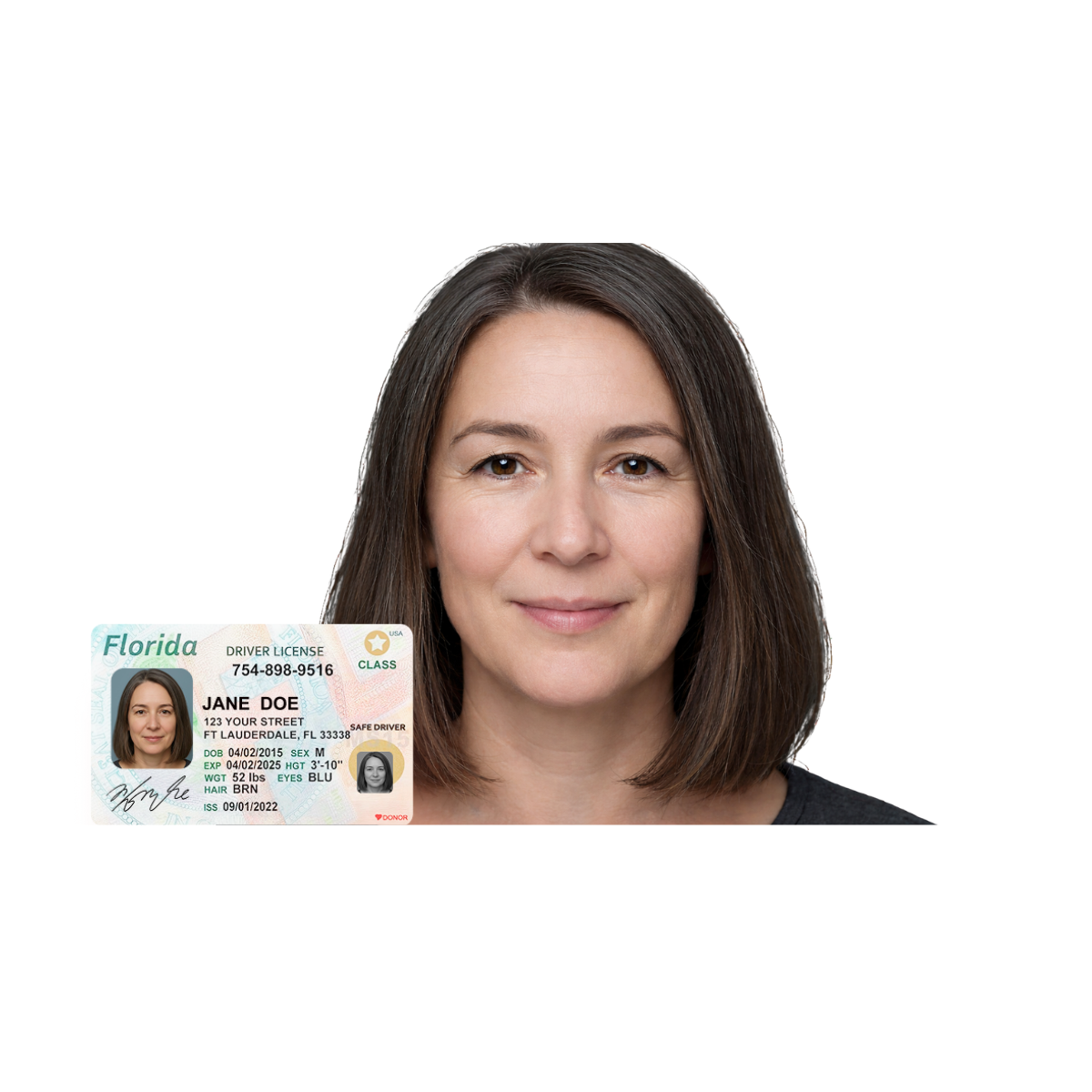
- Biometric identity verification via IDVerify+. Before the application proceeds to review, the applicant completes a guided biometric step that includes uploading a government-issued ID and completing an AI-powered liveness selfie. Facial landmark biometric mapping confirms that the person submitting the application matches the identity document. Results, including ID authenticity status, liveness confirmation, and biometric match, appear directly in the screening report visible to the CAM.
- Automated document review and income verification. The platform validates uploaded documents, checks for executed leases, and runs income verification through IncomeEV, which contacts employers directly rather than relying solely on self-reported data. Incomplete or inconsistent submissions are flagged automatically so staff can focus on exceptions.
- Background screening with FCRA-compliant permissible purpose controls. SafeCheck+ runs nationwide and global criminal background checks, sex offender registry searches, and credit verification through TenantEvaluation’s direct reseller relationships with TransUnion and Equifax. Permissible purpose is validated before any consumer report is accessed, which supports FCRA compliance.
- Board review and voting via QuickApprove. Board members access a dedicated review panel with AI-generated applicant summaries and a structured voting workflow. Real-time application tracking and automated communication support reduce manual follow-ups. Customized approval letters and a personalized welcome package are generated once the decision is recorded.
- Lease documentation and occupancy tracking via Lease Tracking. After approval, lease documentation is collected automatically and connected to unit-level occupancy records inside TenantEvaluation’s centralized Lease Tracking system. Real-time lease status, including active, pending, expired, or missing, is visible to CAMs and boards without spreadsheets or long email chains.
- Payment collection via TEpayments by Zinc. Application fees, deposits, and other required resident payments are collected within the same onboarding workflow. Payments go directly from the applicant to the association’s designated account, and TenantEvaluation never holds the funds. Each association configures what is collected and at which stage of the process.
- Audit trail retention. Every action, including biometric verification results, board votes, document uploads, payment confirmations, and adverse action notices, is timestamped and stored in a searchable, audit-ready digital record that supports FCRA defensibility and HB 1293 due-diligence documentation.
Walk through this complete workflow with a TenantEvaluation specialist to see how each step works in your community’s context.
Implementation Checklist for Florida CAMs and Boards
Before going live, CAMs and boards should confirm that the following configuration steps are complete and aligned with community policies.
- Configure the community profile with Florida-specific governing documents, screening criteria, and required document types so every application follows the same rules.
- Enable and test IDVerify+ biometric verification for each property or portfolio to confirm identity before reports are pulled.
- Activate 55+ Communities Verification for age-restricted communities and standardize documentation requirements across all applications.
- Configure the QuickApprove board dashboard and grant voting panel access to all active board members.
- Review and confirm the adverse action workflow so it meets current FCRA notification requirements for denials and conditional approvals.
- Connect Lease Tracking to unit records and occupancy data, and activate automated lease document collection during onboarding.
- Configure TEpayments by Zinc with the association-defined fee schedule and confirm direct-to-account payment routing.
- Train board members and CAM staff on dashboard navigation, audit trail access, and adverse action procedures to keep daily use consistent.
- Confirm the audit trail retention period and align it with association record-keeping policies and legal guidance.
Frequently Asked Questions
What penalties does HB 1293 impose on associations that fail to upgrade screening?
HB 1293 makes the submission of fraudulent residential application information a criminal offense, which targets the fraudulent applicant directly. Associations that cannot demonstrate a reasonable screening process face weakened legal standing in disputes, potential civil liability, and reputational exposure. The practical implication for CAMs and boards is that document-only screening, which cannot reliably detect synthetic identities or biometric impersonation, no longer represents a defensible standard of care under the 2026 regulatory environment. Associations should consult qualified legal counsel regarding their specific obligations under HB 1293.
How does FCRA apply when biometric verification flags a synthetic identity?
When IDVerify+ identifies a biometric mismatch or liveness failure, that result is not itself a consumer report under the FCRA, because it functions as an identity confirmation step that precedes the consumer report pull. If the association later denies the application based in whole or in part on information in a consumer report, FCRA adverse action requirements apply, and the applicant must receive a pre-adverse action notice, a copy of the report, a summary of FCRA rights, and a reasonable opportunity to dispute.
TenantEvaluation’s automated adverse action workflow handles this process inside the platform and maintains the clear separation between data provision by TenantEvaluation and the final decision by the association that FCRA requires. Associations should work with legal counsel to confirm that their adverse action procedures meet current FCRA standards.
Can 55+ communities standardize age verification without creating new liability?
Florida condos and HOAs operating as age-restricted communities under the Housing for Older Persons Act (HOPA) face documentation requirements that are often handled through fragmented manual processes such as emails, PDFs, and inconsistent follow-ups. These fragmented processes create gaps in records that surface during audits or disputes.
TenantEvaluation’s 55+ Communities Verification capability standardizes how age-restricted requirements are handled across applications, which reduces manual work, improves documentation consistency, and strengthens internal operational control. It functions as a documentation-first workflow standardization tool, not a legal verification system, and it does not replace legal guidance on HOPA compliance. Associations should consult qualified legal counsel to confirm that their age-verification procedures meet applicable requirements.
What proof points demonstrate TenantEvaluation’s scale and reliability in Florida?
TenantEvaluation has processed more than 100,000 applications annually across 5,000+ communities, generating over $150 million for those communities through its revenue-sharing model. The platform holds a 4.8/5 Google rating and serves enterprise-level management companies including FirstService Residential, Campbell Property Management, Castle Group, RealManage, Vesta, and Associa.
Founded in 2007 by property managers, board members, and software engineers with over 50 years of combined experience, TenantEvaluation is a direct reseller of TransUnion and Equifax data, not a third-party scraper, and maintains PCI Level 1 compliance with end-to-end encryption and automatic redaction of sensitive applicant information.
Conclusion: A Practical Path to HB 1293-Ready Screening
Florida condos and HOAs operating under HB 1293 face a clear choice: upgrade screening workflows to include biometric identity verification and FCRA-compliant audit infrastructure, or accept the legal and operational exposure that manual document-only processes now carry. The platform described in this guide, which combines IDVerify+ biometric liveness detection, QuickApprove board-ready approval workflows, 55+ Communities Verification, Lease Tracking, and TEpayments by Zinc, delivers the complete FCRA-compliant ecosystem Florida associations need under HB 1293.
The numbered workflow and implementation checklist in this guide are designed to be actionable for CAMs, LCAMs, and board members today. Associations can move to a single system with no additional vendors, no disconnected tools, and far fewer manual review backlogs.
See TenantEvaluation’s HB 1293-ready platform in action and learn how it protects your Florida community from application fraud.
