
Key Takeaways
- Florida HOAs and condo associations face higher compliance risk in 2026 due to reusable tenant screening reports, strict record retention rules, and new web posting requirements.
- Manual screening and paper-based workflows create delays, errors, and security gaps that make it harder to meet Florida-specific regulations.
- Online tenant screening compliance portals centralize applications, automate checks, and create audit-ready records that align with Florida laws like HB 43 and HB 913.
- Board members gain clearer visibility, faster approvals, and better documentation, while associations reduce legal exposure and improve applicant experience.
- Tenant Evaluation offers an online compliance portal built for Florida communities; schedule a demo to see how it can support your HOA or condo association.
The Problem: The High Stakes of Non-Compliance in Florida Tenant Screening
Staying Ahead of Florida’s Changing Screening Laws
Florida’s 2025 legislative session reshaped tenant screening rules in ways that continue to affect HOAs and condo associations in 2026. HB 43 introduced reusable tenant screening reports that applicants can use for up to 30 days across multiple rental applications. Associations that choose to accept compliant reports cannot charge extra screening fees for those applicants.
Record-keeping obligations also expanded. HB 913 requires associations to maintain key official records, including bank statements, ledgers, and structural integrity reports, for at least 15 years. Manual processes make that level of retention and organization difficult, especially when staff must also track application details, screening documents, and correspondence.
Reducing Administrative Overload and Delays
Manual tenant screening creates friction at every step. CAMs and Boards often juggle:
- Paper or emailed applications
- Scattered documents such as IDs, pay stubs, and leases
- Phone and email follow-ups with applicants and agents
- Unclear approval timelines and status updates
Florida’s reusable report rules add another layer of complexity. Staff must confirm that each report is current and that it includes all required elements, such as credit history, criminal background, rental history, and employment or income verification. That level of review is difficult to manage at scale with manual tools.
Lowering Legal and Data Security Risk
Associations handle sensitive information covered by the Fair Credit Reporting Act (FCRA) and Florida privacy expectations. Manual workflows increase the risk of:
- Improper handling of Social Security numbers and financial data
- Lost or misfiled documents tied to specific applications
- Insufficient audit trails for denials or conditional approvals
- Inability to produce complete records over the 15-year retention period
HB 913’s long-term record requirements create additional risk for communities that still rely on paper files or unstructured email chains.

The Solution: How Online Tenant Screening Compliance Portals Support Florida HOA Operations
Online tenant screening compliance portals provide a centralized way to manage applications, enforce consistent policies, and document every step of the process. Purpose-built platforms help Florida associations align daily workflows with state and federal requirements.
Streamlining Applications and Document Collection
Modern portals replace paper packets and inbox clutter with structured, digital workflows. Typical capabilities include:
- Online applications that applicants can complete on web or mobile
- Secure uploads for IDs, income documents, and association forms
- Automated reminders for missing items
- Integrated e-signatures for association disclosures and acknowledgments
Associations reduce data entry and manual sorting, which shortens approval timelines and frees CAMs to focus on resident communication and building operations.
Supporting Florida-Specific Compliance Requirements
Well-designed portals reflect Florida’s legal framework in their workflows. For example, HB 43’s reusable report rules can be built into how applications are submitted and reviewed. Portals can:
- Capture whether an applicant is using a reusable report
- Confirm that the report includes credit, criminal, rental, and income verification
- Store the applicant’s written attestation of accuracy
- Prevent duplicate screening fee charges when a compliant report is accepted
FCRA-compliant background checks, standardized adverse action letters, and timestamped logs further reduce exposure if an applicant disputes a decision.
Improving Data Security and Record Retention
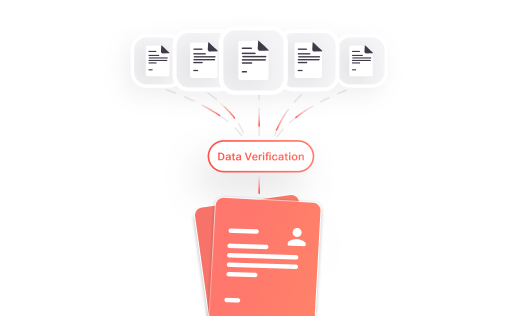
Online portals typically apply security controls that exceed what most associations can implement on their own. Leading platforms use PCI Level 1 standards, end-to-end encryption, and automatic redaction of sensitive data, which helps protect Social Security numbers, banking details, and other personal identifiers.
Digital records also align well with 15-year retention requirements. Portals keep:
- Application forms and supporting documents
- Screening reports and decisions
- Board review notes and votes
- System-generated timestamps and user activity logs
CAMs and Board members gain quick, organized access to historical records when responding to audits, legal requests, or owner questions.
Giving Boards Clearer Insight and Faster Decisions
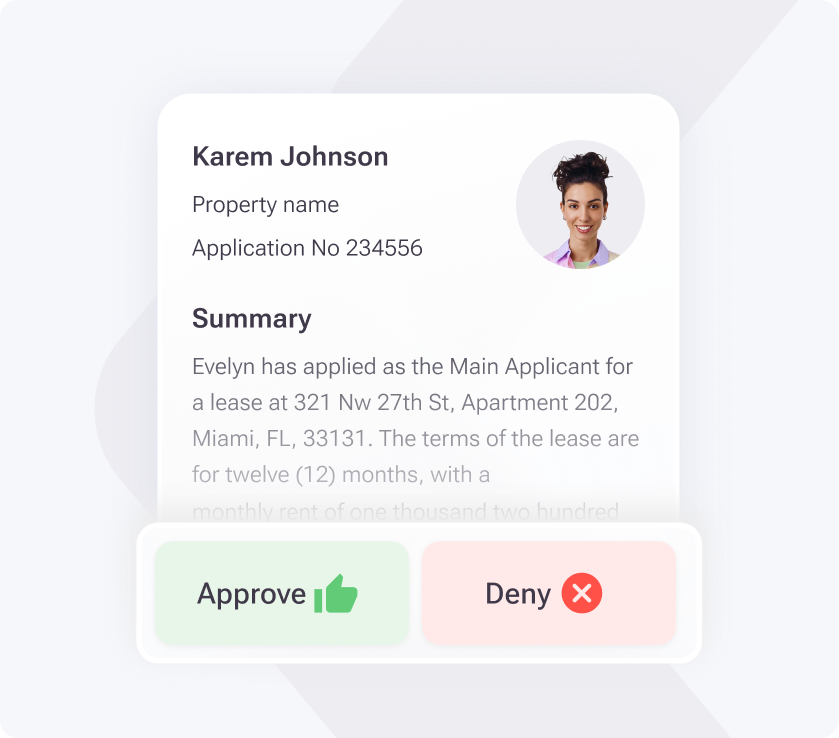
Board dashboards organize pending, approved, and denied applications in one place. Members can review summaries, drill into full reports, and record votes without digging through email threads.
Standard features often include:
- Status tracking for each applicant
- Configurable screening criteria based on governing documents
- Electronic voting workflows
- Automatic notifications to CAMs and applicants after decisions
Schedule a demo to see how a Board-focused dashboard can simplify reviews and clarify responsibilities for your association.
Lowering Costs and Creating Operational Savings
Online portals reduce time spent on repetitive tasks, which can translate into measurable savings. Associations can:
- Cut back-and-forth communication during application review
- Reduce staff hours for data entry and document chasing
- Limit printing, storage, and shipping costs
- Capture application and screening fees automatically online
Some systems also support revenue-sharing models for screening services, which can offset platform costs while keeping fees transparent for applicants.
Manual vs. Online Tenant Screening Compliance Portals: A Florida HOA Comparison
Key Differences Between Manual and Online Screening
|
Feature |
Manual Process |
Online Compliance Portal |
|
Application Submission |
Paper forms and email attachments |
Online forms accessible on web and mobile |
|
Document Collection |
Physical copies and unstructured email |
Secure uploads with completion checks |
|
Florida Compliance |
Staff-dependent review, higher error risk |
Built-in logic for Florida rules and FCRA |
|
Data Security |
Files stored in office cabinets or shared drives |
Encrypted storage, access controls, and PII redaction |
This comparison highlights how online portals help Florida HOAs reduce manual work, improve consistency, and strengthen compliance with state-specific tenant screening requirements.
FAQs About Online Tenant Screening Compliance Portals for Florida HOAs
How Online Portals Handle HB 43 Reusable Tenant Reports
Florida-focused portals can support reusable tenant reports by checking that each submission includes credit history, criminal background, rental history, and employment or income verification, along with the applicant’s written attestation of accuracy. Platforms also flag whether the association accepts reusable reports or prefers its own screening, while preventing duplicate application fees when a compliant reusable report is used.
How Portals Support HB 913 Record Retention Requirements
Online compliance portals help meet HB 913 requirements by storing application files, screening reports, and related communications in a centralized, searchable system. Digital retention settings keep records for the full 15-year period and preserve timestamps, which simplifies responses to audits, legal reviews, or owner requests for official records such as bank statements, ledgers, or structural integrity documentation.
How Portals Reflect Each Association’s Governing Documents
Tenant screening portals can mirror an association’s bylaws and rules. Configuration options typically allow communities to set minimum credit scores, income-to-rent ratios, pet policies, age restrictions, and required documents. Conditional logic can adjust questions and forms based on whether the applicant is a tenant, purchaser, or additional occupant, which keeps applications aligned with Florida law and internal policies.
How Portals Improve Board Transparency and Decision-Making
Board members gain a structured workspace for reviewing applications and casting votes. Portals present summarized applicant profiles, full screening details, and clear options for approval, denial, or conditional approval. Each decision generates a record that includes who voted, when they voted, and how the final outcome was communicated, which strengthens transparency and accountability.
How Portals Protect Sensitive Applicant Information
Leading tenant screening portals use PCI Level 1 security, encryption in transit and at rest, and automatic masking or redaction for high-risk data. Role-based permissions restrict who can view sensitive fields, and audit logs track access to confidential information. These controls reduce the likelihood of data exposure while giving applicants greater confidence in how their information is handled.
Conclusion: Preparing Your Florida Community for 2026 and Beyond
Florida HOAs and condo associations now operate in a stricter compliance environment, with reusable screening reports, long retention timelines, and rising expectations for transparency. Manual processes make it difficult to keep pace with these changes while maintaining a positive experience for applicants and residents.
Online tenant screening compliance portals give communities a practical way to manage risk, standardize decisions, and document every step of the process. Associations that modernize their screening workflows in 2026 will be better positioned to protect residents, support Boards, and respond confidently to future regulatory updates.
Schedule a demo today to see how Tenant Evaluation can streamline applications, strengthen compliance, and support your Florida condominium or HOA.