
Key Takeaways
- Florida landlords rely on the “Big Three” checks: FDLE criminal history, TransUnion or Equifax credit reports, and county eviction records, plus income, rental history, and identity verification.
- Seven core screens appear in most applications, with 80–95% usage rates for criminal, credit, and eviction checks, while HOAs add custom criteria such as pet policies.
- FCRA compliance requires consent and adverse action notices, and 2026 laws like HB 1355 and Miya’s Law increase safety and reporting demands without adding ban-the-box rules.
- Red flags often include evictions within 3 years, credit scores below 600–650, insufficient income, and recent violent felonies, which frequently lead to rejection.
- TenantEvaluation delivers FCRA-first screening with HOA dashboards, biometric ID verification, and about 70% time savings, so schedule a demo today for efficient, compliant tenant evaluation.
Florida’s Seven Core Tenant Screening Checks
Most Florida landlords rely on seven core verification checks as their standard screening package.
- Criminal Background Checks: FDLE Level 1 and Level 2 searches cover statewide felonies, misdemeanors, and sex offender registry verification.
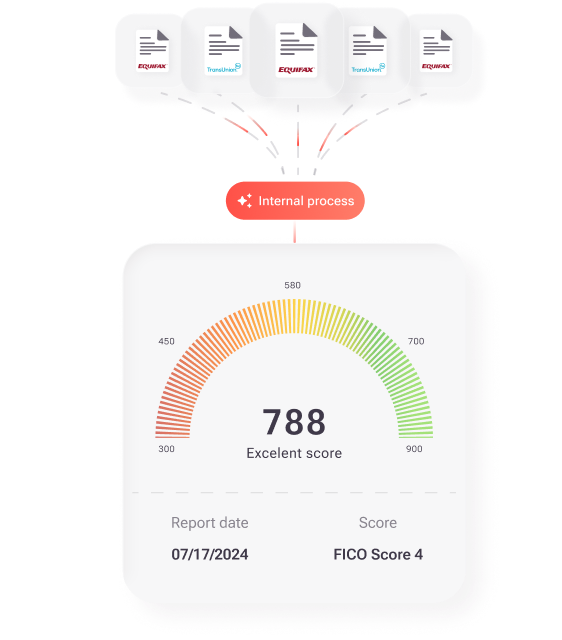
- Credit History Reports: TransUnion and Equifax reports show credit scores, payment history, and debt-to-income ratios.
- Eviction Records: County court searches reveal non-payment evictions and lease violations.
- Income and Employment Verification: Documentation must show income above the typical 3x rent requirement, often confirmed through direct employer contact.
- Rental History and References: Previous landlord feedback and rental payment patterns help confirm reliability.
- Identity Verification: Government-issued ID validation now often includes biometric confirmation.
- HOA-Specific Custom Screens: Communities add tailored criteria such as pet policies, vehicle restrictions, and demographic requirements.
80% of Florida landlords prioritize criminal, credit, and eviction checks as non-negotiable screening components.
|
Check Type |
Usage Rate |
Primary Source |
TenantEvaluation Edge |
|
Criminal History |
90% |
FDLE/FBI |
SafeCheck+ automation |
|
Credit Reports |
95% |
TransUnion/Equifax |
Direct bureau reseller |
|
Eviction Records |
85% |
County Courts |
Nationwide coverage |
|
Income Verification |
88% |
Employer Contact |
IncomeEv beyond self-report |
Traditional landlords focus on basic tenant qualification, while HOAs require board approval workflows and custom community standards. TenantEvaluation bridges this gap with specialized HOA dashboards and automated compliance tracking that generic platforms like TurboTenant or ApplyCheck do not provide.
Florida Screening Laws and FCRA Rules for Landlords
Florida tenant screening follows federal Fair Credit Reporting Act requirements that demand permissible purpose, written consent, and adverse action notices. HUD guidelines prohibit blanket criminal history bans to reduce disparate impact risks under Fair Housing Act protections.
Key 2026 Florida updates include HB 1355, which authorizes landlord rent payment reporting to credit agencies with tenant consent, and expanded Miya’s Law requirements that strengthen safety screenings in residential communities. Florida maintains no state-level ban-the-box restrictions, so landlords may ask about criminal history on initial applications.
TenantEvaluation supports compliance as a direct TransUnion and Equifax reseller with built-in adverse action workflows and automated audit trails. The IDVerify biometric verification feature strengthens permissible purpose validation before screening authorization.

Common Florida Tenant Red Flags and Rejection Triggers
Florida landlords often deny applications when specific financial or behavioral red flags appear in the screening results.
|
Red Flag |
Details |
Disqualifier Threshold |
Prevention Tips |
|
Eviction History |
Non-payment or lease violations |
Any eviction within 3 years |
Provide payment documentation |
|
Low Credit Score |
Payment history and debt ratios |
Below 600–650 range |
Obtain credit reports early |
|
Insufficient Income |
Unable to meet 3x rent requirement |
Less than 2.5–3x monthly rent |
Include all income sources |
|
Criminal Convictions |
Violent felonies or property crimes |
Recent convictions within 5 years |
Provide rehabilitation evidence |
Unsatisfactory references, frequent moves, and unverifiable income represent the most common rejection triggers. TenantEvaluation’s SafeCheck+ flags these risk indicators early in the screening process, which helps CAMs and boards make faster decisions.
How HOA and Condo Screening Differs From Traditional Landlords
Community associations rely on board approval workflows, custom demographic criteria, and specialized compliance documentation that go beyond standard rental screening. HOAs often apply unique restrictions such as pet policies, electric vehicle charging requirements, and occupancy limits that require tailored verification steps.
TenantEvaluation’s QuickApprove dashboard gives board members real-time application visibility, voting panels, and audit-ready compliance documentation. This specialized functionality separates TenantEvaluation from generic platforms like TurboTenant and ApplyCheck that lack board-specific tools and HOA workflow automation. Schedule a demo today to see HOA-tailored screening efficiency in action.

Why Florida CAMs Prefer TenantEvaluation
TenantEvaluation supports end-to-end resident onboarding with about 70% time savings, processing more than 100,000 applications each year for over 5,000 Florida communities. The platform has generated more than $150 million in community revenue and maintains a 4.8/5 Google rating through partnerships with RealManage, FirstService Residential, and other leading management companies.
|
Feature |
TenantEvaluation |
TurboTenant |
ApplyCheck |
|
Processing Time |
Hours |
Days |
Days |
|
Biometric ID Verification |
Yes (IDVerify+) |
No |
No |
|
HOA Board Dashboard |
Yes (QuickApprove) |
No |
No |
|
Revenue Sharing |
Yes |
Subscription |
Subscription |
|
FCRA Compliance |
Direct Bureau Reseller |
Third-party |
Third-party |
TenantEvaluation’s FCRA-first architecture, biometric fraud prevention, and specialized HOA workflows create strong value for Florida community associations that need compliant and efficient resident screening.
Frequently Asked Questions
Can Florida landlords deny applications for criminal history?
Florida landlords may consider criminal history in rental decisions, but they must use individualized assessments instead of blanket bans. HUD guidelines require a review of the nature, severity, and timing of offenses to avoid Fair Housing Act violations. Level 2 background checks that reveal recent violent felonies or property crimes usually result in application denial, while older or minor offenses may be acceptable depending on community standards.
What is a Level 2 background check in Florida?
A Level 2 background check in Florida uses fingerprint-based searches through FDLE databases that cover statewide criminal records, sex offender registries, and federal databases including FBI records. This comprehensive screening reveals felonies, misdemeanors, active warrants, and disqualifying offenses that may not appear in standard name-based searches. Level 2 checks are mandatory for certain employment positions and are commonly used by HOAs for enhanced security screening.
What are the background check laws for renters in Florida?
Florida follows federal FCRA requirements that mandate written consent before background checks, permissible purpose for accessing credit reports, and adverse action notices that explain rejection reasons. The state has no ban-the-box restrictions, so landlords may ask about criminal history on initial applications. Recent 2026 legislation, including HB 1355, expands rent reporting capabilities, and Miya’s Law strengthens safety screening requirements for residential communities.
What disqualifies you from renting in Florida?
Common disqualifiers include eviction history within the past three years, credit scores below 600–650, income less than 2.5–3 times monthly rent, recent criminal convictions involving violence or property crimes, unverifiable employment or rental history, and failure to meet community-specific requirements such as pet restrictions or occupancy limits. Each landlord or HOA may set different criteria, but these factors represent the most frequent rejection reasons.
How do you pass income verification for Florida rentals?
Applicants pass income verification by providing clear documentation such as recent pay stubs, employment verification letters, tax returns, bank statements, and proof of all income sources including benefits, investments, or self-employment earnings. Many landlords use services like IncomeEv that verify employment directly with employers instead of relying only on self-reported information, which supports accurate income assessment for the standard 3x rent requirement.
Florida landlords and CAMs can meet tenant screening requirements by using the Big Three background checks plus comprehensive verifications. TenantEvaluation delivers FCRA-compliant, fraud-resistant efficiency that saves time and generates revenue for your community. Schedule a demo today to transform your resident screening process.