
Key Takeaways
- Florida Statute Chapter 720 permits HOAs to legally self-manage without professional management companies, as long as boards meet fiduciary duties like loyalty, care, and record maintenance.
- Self-management often saves 20-50% on management fees but increases burnout and compliance risk, which automated tools and specialized committees help control.
- Follow a clear seven-step process: review documents, assess capacity, build teams, outsource targeted tasks, set compliance systems, automate screening, and monitor performance.
- Compliant resident screening remains essential; TenantEvaluation delivers FCRA-compliant checks, biometric verification, board dashboards, and revenue sharing that can cut admin work by 70%.
- Avoid pitfalls such as SIRS failures and fraud with modern tools, and get started with TenantEvaluation for smoother HOA self-management.
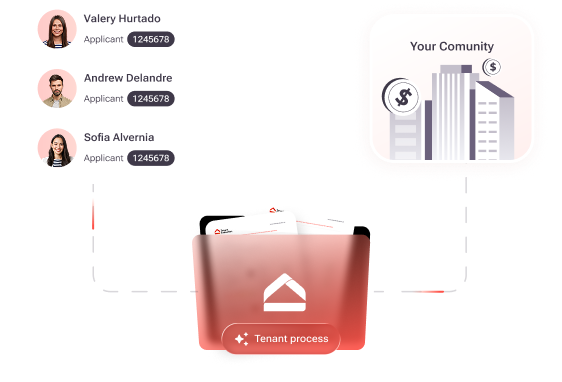
Florida Rules on HOA Self-Management and Management Companies
Florida law clearly allows HOA self-management and does not require professional management companies. Florida Statute Chapter 720 governs HOAs but contains no explicit requirement for professional management companies, and instead requires a board of directors to oversee operations. Recent legislative updates, including House Bill 1203 effective July 2024, regulate Community Association Managers (CAMs) when hired but do not mandate their use.
The 2026 legislative session introduced House Bill 657, which advances HOA reforms such as termination procedures, conflict-of-interest disclosures, and community association court programs. The bill still does not prohibit self-management or require professional management.
Self-managing boards must meet specific fiduciary duties under Florida law:
- Duty of Loyalty: Section 720.303 requires directors to act in good faith and in the association’s best interests, avoid self-dealing, and disclose conflicts of interest.
- Duty of Care: Directors must make informed, reasonable decisions with due diligence, including competitive bidding and license checks for vendors.
- Record Maintenance: Associations must keep official records, financial statements, and meeting minutes with proper access for owners.
- Compliance Oversight: Boards remain responsible for statutory compliance, reserve requirements, and regulatory filings even when they self-manage.
Schedule a demo today to see how TenantEvaluation simplifies compliance for self-managing HOAs.
Financial and Operational Tradeoffs of Self-Managing a Florida HOA
Self-management delivers clear financial savings but also creates new operational pressures. Boards that understand both sides can choose a structure that fits their community.
|
Aspect |
Pros |
Cons |
Mitigation Strategy |
|
Cost |
20-50% fee savings |
Hidden compliance costs |
TenantEvaluation revenue-sharing model |
|
Control |
Direct decision-making |
Volunteer burnout risk |
Automated screening workflows |
|
Compliance |
Direct oversight |
FCRA/legal exposure |
Built-in compliance tools |
|
Efficiency |
Streamlined processes |
Manual administrative burden |
All-in-one digital platforms |
The main benefits include large cost savings, since management fees often reach 20-50% of operating budgets, along with stronger community control and faster decisions. However, rising HOA fees from insurance premiums and maintenance costs strain self-managed operations, and volunteer boards often face burnout from heavy administrative work and complex compliance rules.
Seven Practical Steps to Run a Self-Managed Florida HOA
Successful HOA self-management starts with a clear plan and the right tools. Use this seven-step process to guide your transition.
Step 1: Review Governing Documents
Review your HOA’s bylaws, covenants, and management contract for termination clauses, notice periods, and transition procedures. Confirm that no provisions require professional management.
Step 2: Assess Board Capacity
Evaluate each board member’s time, skills, and commitment. Identify gaps in accounting, legal compliance, maintenance oversight, and resident screening.
Step 3: Build Specialized Teams
Form committees for finance, architectural review, maintenance, and compliance. Assign clear responsibilities so volunteers share the workload and use their strengths.
Step 4: Outsource Strategic Functions
Keep relationships with attorneys, CPAs, and insurance agents for specialized work. Consider partial outsourcing for complex tasks while the board retains daily operational control.
Step 5: Implement Compliance Systems
Set written procedures for meeting minutes, financial reporting, and regulatory filings. Maintain audit trails for board decisions and financial transactions to support transparency.
Step 6: Automate Resident Screening
Use a screening platform such as TenantEvaluation for FCRA-compliant background checks, document collection, and approval workflows. TenantEvaluation processes about 100,000 applications per year across more than 5,000 communities and offers IDVerify+ biometric verification and QuickApprove board dashboards.

Step 7: Monitor and Adjust
Hold regular performance reviews, track metrics such as processing times and compliance rates, and refine procedures as the board gains experience.
Handling Resident Screening Without a CAM
Resident screening often becomes the hardest compliance task for self-managing HOAs, and manual methods expose boards to serious FCRA violations and fraud. Paper-based or email-based screening cannot reliably stop identity theft, synthetic identities, or impersonation attempts that now target many Florida communities.
TenantEvaluation fills this gap as a Florida-focused screening platform built for community associations. As a direct TransUnion and Equifax reseller, TenantEvaluation provides legitimate data access under strict bureau rules and shields associations from liability that often appears with generic third-party screening tools.
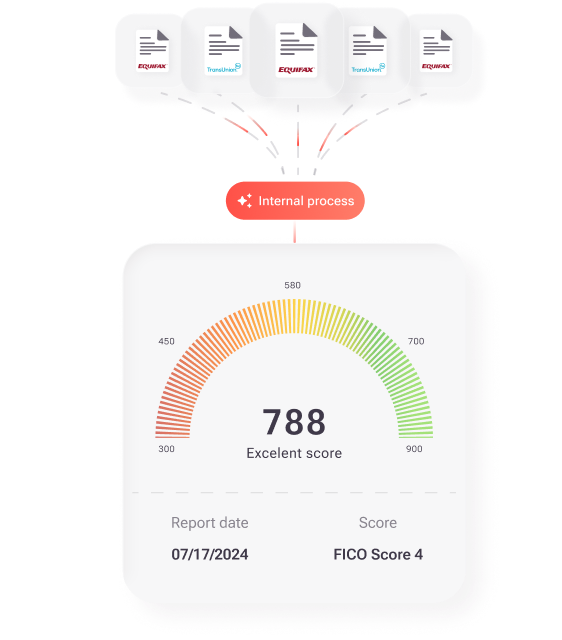
Key advantages include:
- FCRA-First Design: Built-in adverse action workflows, permissible purpose controls, and automated audit trails support consistent regulatory compliance.
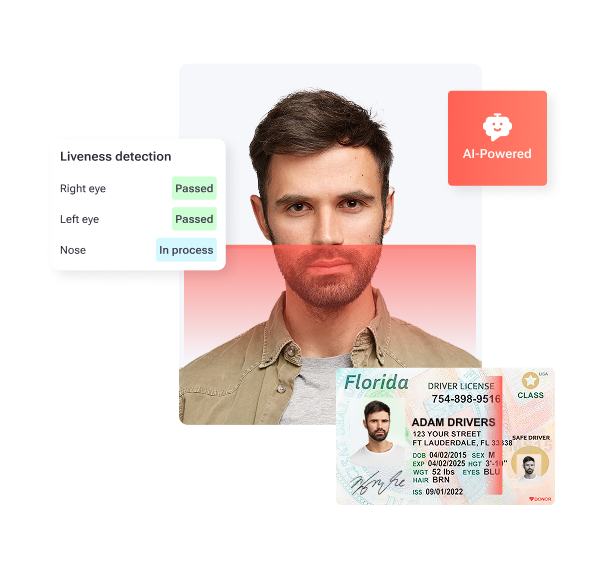
- Biometric Identity Verification: IDVerify+ combines government ID checks, AI liveness detection, and facial biometric matching to block fraud.
- Board-Specific Dashboard: QuickApprove gives real-time application visibility, concise reports, and simple approval voting.
- Revenue Generation: A revenue-sharing model turns screening into a profit source, and TenantEvaluation has generated more than $150 million for Florida communities.
|
Feature |
TenantEvaluation |
ApplyCheck/Verify |
AppFolio |
|
FCRA Reseller Status |
Direct TransUnion/Equifax |
Third-party platform |
Limited reseller |
|
Biometric Verification |
IDVerify+ integrated |
Document-only |
Not available |
|
Board Dashboard |
QuickApprove specialized |
Generic reporting |
Property management focus |
|
Revenue Model |
Performance-based sharing |
Fixed subscriptions |
Monthly subscriptions |
TenantEvaluation’s platform can remove up to 50 hours of weekly administrative work while keeping full compliance, which makes it a core tool for effective HOA self-management.
Risks of Self-Management and When to Bring Back a Manager
Self-managing HOAs face specific compliance and operational risks that can create serious financial and legal fallout. SIRS deadline requirements and limited state grant funding create operational delays for boards that lack professional support.
Critical pitfalls include:
- SIRS Compliance Failures: Non-compliance risks $5,000 civil penalties, director removal, and owner recalls.
- Reserve Funding Shortfalls: Sudden special assessments after waiver expiration damage owner trust.
- Identity Fraud Exposure: Manual screening methods rarely detect sophisticated fraud attempts.
- Volunteer Burnout: Heavy administrative work leads to rushed decisions and frequent board turnover.
Consider rehiring professional management when the community exceeds 100 units, faces major construction projects, or struggles with repeated compliance violations. Many boards still avoid that step by adopting automated tools such as TenantEvaluation, which prevent common failures while preserving cost savings and board control.
Schedule a demo today to reduce compliance risk with automated screening.
Conclusion: How Florida HOAs Succeed With Self-Management
Florida HOAs can legally and successfully operate without management companies when they use strong systems and compliance tools. TenantEvaluation’s platform helps self-managing boards stay compliant, generate revenue, and cut administrative work.
Schedule a demo today to see how your HOA can thrive with a self-managed model.
Frequently Asked Questions
What does self-managed HOA mean?
A self-managed HOA operates without a professional management company, and the board of directors directly handles daily operations such as financial management, maintenance oversight, resident screening, and regulatory compliance. The board keeps full control over decisions, vendor relationships, and community policies while taking on all fiduciary duties under Florida Statute Chapter 720. Self-management usually relies on digital tools and automation for routine tasks, while the board may still outsource specialized work such as legal counsel or accounting.
What are the Florida HOA legal requirements for self-management?
Florida law requires self-managing HOA boards to meet fiduciary duties under Chapter 720, including the duty of loyalty, duty of care, and proper record maintenance. Boards must act in good faith and in the association’s best interests, maintain official records with proper access, and ensure regulatory compliance such as reserve requirements and SIRS reporting when applicable. Directors must complete mandatory education courses within 90 days of appointment. The 2026 legislative updates require HOAs with 100 or more parcels to maintain official websites or secure portals for document access, and new transparency rules apply to conflict-of-interest disclosures and financial reporting.
What are the best tools for HOA resident screening?
TenantEvaluation serves as a leading screening platform for Florida HOAs, with FCRA-compliant background checks as a direct TransUnion and Equifax reseller, biometric identity verification through IDVerify+ to stop fraud, specialized board dashboards through QuickApprove for faster approvals, and automated document collection with intelligent redaction. The platform processes about 100,000 applications per year across more than 5,000 communities, generates $150 million for communities, and cuts administrative time by up to 70%. Unlike generic screening services, TenantEvaluation is built for community associations with audit trails, adverse action workflows, and revenue-sharing models that turn screening into a profit center.
Does an HOA in Florida have to have a management company?
Florida law does not require HOAs to hire professional management companies. Florida Statute Chapter 720 governs HOA operations but does not mandate professional management and instead requires a board of directors to oversee operations. Recent legislative updates, including House Bill 1203 and the proposed HB 657, regulate Community Association Managers when employed but still allow self-management. Self-managing boards must meet all fiduciary duties, keep accurate records, maintain regulatory compliance, and use reliable systems for resident screening and financial management.
How do you get rid of your HOA management company?
Ending an HOA management contract starts with a close review of the agreement for termination clauses, notice periods, and any penalties or fees. The board must vote according to the association’s bylaws, which usually require a majority or sometimes a supermajority vote. The board then gives written notice to the management company, often 30 to 90 days before termination, and arranges a smooth transfer of records, financial accounts, vendor contacts, and ongoing projects. Before ending the contract, the board should set up replacement systems for accounting, maintenance coordination, and resident screening to avoid service gaps.