
Key Takeaways
- Florida’s post-Surfside reforms and 2024–2025 legislative updates created higher expectations for HOA record-keeping, financial transparency, and board accountability in 2026.
- Secure digital document management and automated compliance tracking now function as core infrastructure for meeting Florida’s official record and disclosure requirements.
- Integrated resident screening, online applications, and clear communication tools reduce administrative workload while supporting faster, more compliant decisions.
- Board-focused portals, financial dashboards, and AI-driven analytics help volunteer boards manage risk, budgets, and long-term planning across their communities.
- Associations that adopt a purpose-built platform such as Tenant Evaluation can centralize applications, background checks, and approvals while maintaining Florida-specific compliance requirements. Get started with Tenant Evaluation.
The Stakes: Why 2026 is a Game-Changer for Florida HOA PropTech
The regulatory landscape for Florida community associations has shifted. Florida enacted major 2024–2025 changes to condo and HOA laws that increased compliance obligations for community associations and their managers, including tighter requirements for record-keeping, financial transparency, and board accountability. These changes, often referred to as “Condo 3.0,” represent the most comprehensive reforms in decades.
The costs of non-compliance now include regulatory fines, legal action, reputational damage, and greater liability exposure. Proactive PropTech use supports risk reduction, better documentation, faster workflows, and clearer communication with residents. Community Association Managers and board members who rely on manual or outdated systems face rising administrative workloads and higher error risk.
Professional management firms now treat checklists, structured workflows, and centralized systems as essential tools for boards that want to meet statutory requirements. In 2026, integrated PropTech is no longer optional for Florida associations that want reliable compliance.
1. Robust and Secure Digital Document Management for Florida HOAs
Document management sits at the center of Florida’s new transparency rules. Florida HOAs and condos must show timely access to official records, properly noticed meetings, and compliant voting and election processes, which makes digital document management and communication logs essential.
Modern PropTech should provide a secure, searchable repository for bylaws, minutes, financials, inspection reports, reserve studies, and resident files. Core safeguards include encryption, role-based access, detailed permissions, and automatic redaction of sensitive personal data.
Effective systems offer cloud storage with version control, audit trails showing who accessed which files and when, and mobile access for board members and residents. Automated organization by category and date turns record-access requests from a manual project into a routine process.
2. Automated Compliance Workflows and Tracking for Florida-Specific Regulations
Compliance tools help boards keep pace with Florida’s complex statutes across Chapters 718, 719, and 720. New safety and reserve requirements increase the need for systems that track inspections, maintenance, and reserve studies and link them to budgets and owner disclosures in a traceable way.
Key capabilities include automated compliance calendars, reminders for statutory deadlines, and workflow templates for approvals such as architectural requests and resident applications. Effective platforms also generate required notices, track meeting requirements, and maintain election and voting records that stand up to scrutiny.
For structural inspections and reserve studies tied to post-Surfside reforms, systems should schedule recurring inspections, connect findings to maintenance tasks, and produce owner disclosure reports. This structure lowers the chance of missed deadlines and creates a clear trail for auditors and regulators.
3. Integrated Resident Screening and Onboarding for Florida HOAs
Streamlined resident screening helps associations manage risk, speed decisions, and document how approvals occur. Manual, paper-heavy processes often introduce bottlenecks and inconsistencies that increase compliance exposure.
Effective platforms provide online application portals, automated document collection, executed lease review, ID validation, and FCRA-compliant background checks built into a single workflow. Smart forms adjust questions based on whether the applicant is a purchaser, tenant, or additional household member, so boards receive relevant information without extra paperwork.
Advanced tools can support income verification that looks beyond self-reported numbers, multilingual interfaces for diverse communities, and 24/7 digital status updates for applicants and residents. Systems that flag incomplete applications before board review help reduce staff time and maintain consistent standards.
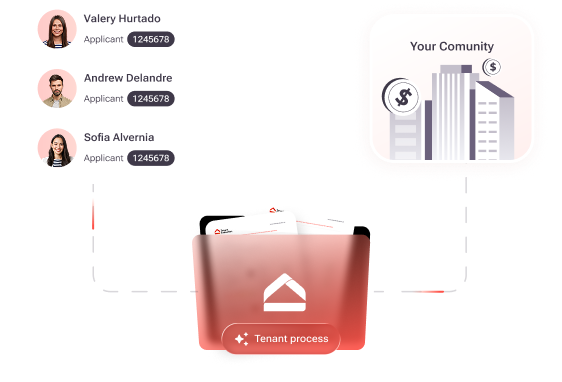
Tenant Evaluation offers online applications, identity verification, and integrated background checks designed for Florida associations. Schedule a Tenant Evaluation demo to see how automated screening can support faster, better-documented decisions.
|
Feature |
Manual Process |
TenantEvaluation |
|
Application Submission |
Paper packets and email attachments |
Online forms for web and mobile |
|
Document Verification |
Manual review and follow-ups |
Automated ID checks and smart logic |
|
Background Checks |
Separate vendors and slower results |
Integrated, FCRA-compliant screening |
|
Security and Compliance |
Limited tracking and higher risk |
Centralized audit trails and redaction |
4. Financial Transparency and Reporting Tools for Florida Associations
Financial reporting expectations increased under recent Florida reforms. Legislative trends in Florida focused on stronger financial transparency requirements and election procedures that better protect homeowners, which makes clear, timely financial data essential.
Modern PropTech supports audit-ready statements, reserve tracking, and owner disclosures tied directly to accounting records. Systems should manage assessments and other payments through secure gateways and maintain complete transaction histories.
Useful features include automated categorization by chart of accounts, dashboards that show reserve funding status versus targets, and standardized reports for owners, boards, and auditors. When boards can generate these reports in minutes, they reduce both administrative effort and the chance of missing required disclosures.
5. Adaptable Communication and Community Engagement Platforms for Florida HOAs
Structured communication now plays a direct role in Florida compliance. Modern HOA management platforms typically include resident portals, mass communication tools, and centralized document storage as core functions, which helps associations keep owners informed.
Strong communication tools support email, SMS, and push notifications for urgent alerts and routine updates. Resident portals provide 24/7 access to announcements, governing documents, and meeting materials in one organized location.
Florida associations also benefit from tools that send and log meeting notices, support electronic voting where permitted, and document delivery times and methods. Integration with document management means residents can view notices and the underlying records in the same place, which supports transparency and owner engagement.
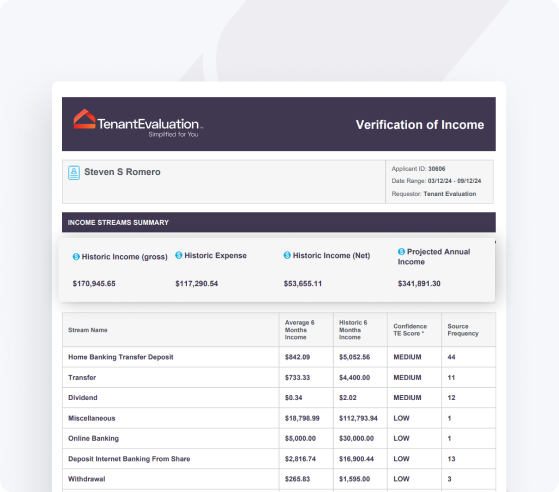
6. Dedicated Board Member Portals and Decision Support for Florida Boards
Board-focused tools help volunteer directors meet higher accountability expectations. Standard property management software often centers staff needs and gives boards limited visibility.
Dedicated portals give board members real-time access to applications, financials, maintenance status, and compliance calendars. Clear dashboards, voting panels for approvals, and summarized applicant or project views help directors make informed decisions without sorting through long email threads.
More advanced platforms add community demographics, financial performance indicators, and board-only communication channels. Systems that assemble meeting packets, track action items, and store decisions in a single location simplify turnover between boards and support consistent governance.
7. AI-Powered Insights and Predictive Capabilities for Florida HOA Management
Data and analytics support long-term planning in a more demanding regulatory climate. Property management in 2025 was characterized by increased use of automation and artificial intelligence for maintenance scheduling, resident communication, and operational analytics, and those capabilities continue to expand.
AI and predictive tools can recommend maintenance schedules based on historical data, estimate upcoming costs, and highlight patterns that may point to fraud or application misrepresentation. Budgeting modules can compare actuals to benchmarks and provide recommendations that help boards prioritize projects.
Analytics also reveal trends in rentals versus owner-occupancy, demographic shifts, and amenity usage. These insights help boards adjust policies, plan capital projects, and align reserve strategies with real community behavior.

Tenant Evaluation uses automation and analytics to help Florida communities evaluate applicants quickly while documenting each step. Request a Tenant Evaluation walkthrough to see how AI-supported workflows can fit into your association’s policies.
Frequently Asked Questions About Florida HOA PropTech Requirements
Data privacy and security under Florida’s new HOA laws
Recent transparency initiatives and “Condo 3.0” reforms highlight the need for secure handling of resident and association data. Florida HOAs benefit from PropTech with strong encryption, PCI Level 1 compliance, automatic redaction of Social Security numbers and banking details, and detailed access controls. Audit trails that show who viewed or edited specific records support both privacy obligations and compliance reviews.
PropTech features for HOAs with large transient or seasonal populations
Communities in urban and resort areas often rely on rapid, compliant onboarding. Useful features include smart online applications, automated background and income checks, multilingual support, 24/7 status visibility, and flexible lease-term tracking. Automated communication sequences for move-ins and move-outs reduce staff workload while keeping frequent arrivals and departures organized.
Use of PropTech to manage reserve funds and inspections
New Florida requirements around structural safety and reserves make clear, linked records essential. Financial and maintenance modules that connect reserve studies, budgets, work orders, and owner disclosures in one system help boards document how funds are planned and used. This linkage supports compliance, improves audit readiness, and reduces the likelihood of misunderstandings about reserve adequacy.
Staying current with ongoing legislative changes
Configurable workflows and rule-based templates allow PropTech platforms to adapt to new Florida requirements without custom development for each change. Cloud deployments can push updated forms, notice language, and timelines across all associations that use the system, which helps boards stay aligned with the latest standards.
Return on investment for PropTech in Florida HOAs
Florida associations often see value through lower administrative hours, faster application decisions, reduced vacancy times in applicable communities, and better tracking of fees and compliance tasks. Clear documentation also lowers legal exposure and supports smoother board transitions, which can improve continuity and long-term planning.
Conclusion: Navigating 2026 with the Right Florida HOA PropTech
The seven PropTech requirements in this guide form a practical checklist for Florida associations that want to keep pace with 2026 regulations. Secure records, automated compliance tracking, integrated screening, clear communication, and board-focused analytics now work together as essential infrastructure.
Florida communities that adopt comprehensive, Florida-aware PropTech can reduce risk, improve decision-making, and free staff and board time for strategic work instead of manual tasks. Tenant Evaluation focuses on resident applications and screening within that broader framework, giving boards a documented, consistent process for one of their most sensitive responsibilities. Schedule a Tenant Evaluation demo to explore how a structured application and approval platform can support your community in 2026 and beyond.