
Key Takeaways for Florida HOAs Using Biometrics
- Florida HOAs can require biometric identity verification when bylaws authorize screening and applicants provide proper consent under Florida Statutes Chapters 720, 718, and 719.
- The 2026 Digital Bill of Rights mandates explicit consent, clear disclosure, and safeguards for biometric data, while still allowing its use for fraud prevention.
- Biometrics with liveness detection and facial matching catch identity fraud that traditional document checks often miss.
- HOAs must avoid selective enforcement to prevent Fair Housing violations and lawsuits, so uniform application and staff training remain essential.
- TenantEvaluation’s IDVerify provides FCRA-compliant biometric screening, and you can get started today to fraud-proof your applications.
Florida Legal Authority for HOA Biometric Screening
Florida Statutes Chapters 720, 718, and 719 give HOAs broad authority to establish screening procedures for prospective residents. These statutes allow associations to adopt reasonable rules that protect the community, including identity verification requirements. The 2026 legislative updates strengthened privacy protections but did not ban biometric verification, because Florida’s Digital Bill of Rights requires consent for processing biometric information while still permitting its use.
HOAs can implement biometric verification when they meet all of the following conditions:
- Bylaws or governing documents authorize screening procedures
- Requirements apply uniformly to all applicants
- Purpose clearly relates to fraud prevention and community security
- Proper consent and privacy protections are in place and followed
TenantEvaluation serves more than 5,000 Florida communities with compliant biometric verification, which shows strong legal acceptance in practice. The platform’s FCRA-first design helps associations reduce liability exposure while strengthening their fraud prevention programs.

Florida Consent Rules and HOA Privacy Safeguards
Florida HOAs must obtain explicit consent before they collect any biometric data. The Florida Digital Bill of Rights requires companies to collect personal data only to the extent reasonably necessary for disclosed purposes and to implement appropriate safeguards. Recent legislation also requires disclosure of what biometric information is collected and prohibits sale or misuse.
Effective consent for biometric screening includes these elements:
- Clear disclosure that biometric data will be collected
- Specific purpose statement that identifies fraud prevention as the goal
- Defined data retention and deletion policies
- Documented security measures and encryption protocols
Common HOA mistakes include selective enforcement, which violates Fair Housing laws, and weak data protection practices. TenantEvaluation’s IDVerify addresses these concerns with PCI Level 1 compliance, automatic data redaction, and native KYC verification that removes the need for third-party redirects. You can implement compliant biometrics now and schedule a demo today.
Biometrics for HOA Fraud Prevention and Rollout Checklist
Biometric verification reduces identity fraud by using liveness detection to block impersonation attempts and facial matching to confirm applicant authenticity. TenantEvaluation processes about 100,000 applications each year, and biometric verification catches fraudulent submissions that traditional document review often misses.
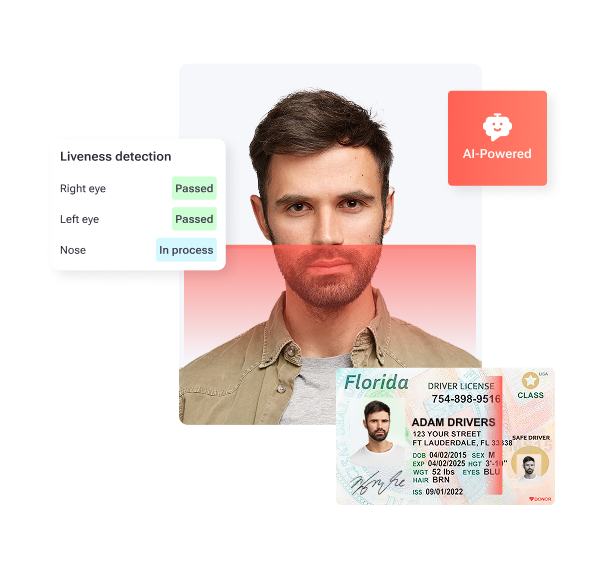
Florida HOAs can follow these steps to implement biometric screening:
- Amend bylaws to authorize biometric screening
- Enable IDVerify+ through TenantEvaluation’s platform
- Train staff using the QuickApprove dashboard
- Establish audit procedures for ongoing compliance monitoring
One Florida management company saved $240,000 each year after switching to TenantEvaluation, and the team gained 50 hours daily for strategic operations. Unlike competitors such as ApplyCheck and Verify Screening Solutions that rely on manual processes without biometric capabilities, TenantEvaluation delivers end-to-end automation with native integration.

|
Feature |
TenantEvaluation |
ApplyCheck/Verify Screening |
|
Biometric Verification |
Native IDVerify+ with liveness detection |
Document upload only |
|
Platform Integration |
All-in-one workflow |
Third-party redirects |
|
FCRA Reseller Status |
Direct credit bureau relationships |
Limited compliance features |
Managing Selective Enforcement, Board Alignment, and Lawsuit Risk
Selective enforcement creates the highest legal risk for HOAs that adopt biometric verification. Inconsistent application of screening requirements can trigger Fair Housing violations and discrimination lawsuits. Recent litigation against Florida HOAs highlights the need for consistent governance practices.
Stronger outcomes come from transparent communication about new requirements, comprehensive staff training, and data-driven decision making. TenantEvaluation supports these efforts with multilingual AI support and detailed analytics that help boards demonstrate equitable enforcement across all applicants. You can fraud-proof your applications and schedule a demo today.
Next Steps for Florida HOAs Considering Biometrics
Florida HOAs can legally require biometric identity verification when they amend bylaws correctly and follow compliant consent procedures. TenantEvaluation’s IDVerify+ offers a proven fraud prevention solution with native integration, FCRA compliance, and results across more than 5,000 Florida communities. You can contact TenantEvaluation for customized implementation guidance that fits your association’s specific needs.
FAQ
What is biometric identity verification?
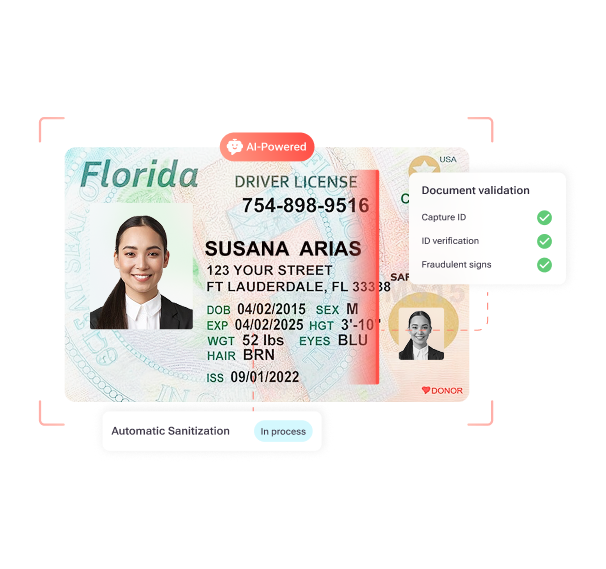
Biometric identity verification uses AI-powered technology to confirm an applicant’s physical presence and match their appearance to government-issued identification. TenantEvaluation’s IDVerify combines liveness detection, facial landmark recognition, and document authentication to reduce identity fraud in HOA applications.
What are the new Florida HOA rules for 2026?
The 2026 Florida legislative session strengthened privacy protections through the Digital Bill of Rights while preserving HOA authority to implement screening procedures. New felony penalties for rental fraud using forged documents show the state’s commitment to combating identity fraud in residential communities.
What are Florida HOA background check requirements?
Florida HOAs can require background checks when governing documents authorize them and the association obtains proper FCRA consent. Requirements must apply uniformly to all applicants and must support legitimate community interests such as fraud prevention and resident safety.
Can IDVerify+ be used for HOA applications?
IDVerify+ is specifically designed for HOA and condominium applications. The platform integrates natively with TenantEvaluation’s screening workflow and provides FCRA-compliant biometric verification without third-party redirects or workflow disruption.
Can I sue an HOA for selective enforcement in Florida?
Selective enforcement of HOA rules can violate Fair Housing laws and may create grounds for legal action. HOAs should use consistent screening procedures, clear documentation, and analytics to demonstrate equitable treatment of all applicants.