Written by: Luis Teran, Co-founder, CEO, TenantEvaluation
Key Takeaways for Florida HOA Biometric Access in 2026
- Florida HOAs must comply with the Digital Bill of Rights, Chapter 501.171, and Senate Bill 630. Boards need explicit consent, access alternatives, and 90-day biometric data retention limits to stay compliant.
- Biometric systems must use secure storage with end-to-end encryption, audit trails, and FCRA-compliant vendors. These safeguards help communities avoid penalties that can reach $50,000 per affected resident.
- Boards can follow a 10-step compliance checklist that covers needs assessment, staff training, and automatic data destruction. This structured approach supports smoother implementation and fewer legal gaps.
- Vendor vetting should confirm liveness detection, native integration, and Florida-specific compliance expertise. When biometrics connect directly to resident onboarding, communities see up to 70% faster approvals and stronger revenue collection.
- Communities can avoid consent gaps and weak revocation processes by using TenantEvaluation’s IDVerify+ platform for compliant biometric verification and clear audit trails.
Florida Biometric Rules Driving HOA Decisions in 2026
Florida HOAs are adopting biometric access systems to reduce gate code sharing, prevent unauthorized entry, and cut fraud-related costs. These systems improve security and convenience, but they also trigger several overlapping privacy and consumer protection rules.
Florida does not have a comprehensive biometric privacy act like Illinois’ BIPA, yet HOAs still face multiple legal obligations when they implement biometric resident access systems. The Florida Digital Bill of Rights requires covered businesses to obtain consent before processing biometric information, though most HOAs fall below the $1 billion revenue threshold. Chapter 501.171’s general privacy protections and proposed House Bill 1395’s AI Bill of Rights provisions also establish consent requirements for biometric data collection.
Key compliance requirements include:
- Explicit written consent: Residents must voluntarily agree to biometric enrollment before any data capture.
- Alternative access methods: Non-biometric options such as traditional fobs or keycards must remain available for all residents.
- Data retention limits: Biometric templates should be destroyed within 90 days of resident departure to reduce long-term exposure.
- Secure storage: End-to-end encryption and PCI-compliant infrastructure are required to protect sensitive identifiers.
- Audit trails: Communities need complete documentation of consent, enrollment, access events, and data destruction.
Violations can result in civil penalties up to $50,000 per individual user, which makes consistent compliance a core responsibility for HOA boards and community association managers.
10-Step Biometric Resident Access Compliance Checklist
Boards can use this step-by-step checklist to implement biometric identity verification in a way that aligns with Florida requirements and HOA governance rules.
- Assess community needs: Evaluate gate security requirements, visitor patterns, and current fraud exposure levels before selecting any technology.
- Obtain written consent: Create clear consent forms that explain biometric collection, how the data will be used, and how long it will be retained.
- Provide alternatives: Maintain traditional fob or keycard access for residents who decline biometric enrollment so no one is denied entry.
- Vet FCRA-compliant vendors: Select providers with direct credit bureau relationships and audit-ready infrastructure so they can support the technical and legal needs in later steps.
- Implement secure storage: After confirming vendor capabilities, configure end-to-end encryption, PCI compliance, and automatic data redaction to protect the biometric data you collect.
- Enable easy revocation: Because residents can withdraw consent at any time, your system must support immediate data deletion and clear revocation procedures.
- Train staff and boards: Educate community association managers and board members on consent, revocation, documentation, and resident communication.
- Establish audit trails: Document all consent, enrollment, access events, and data destruction activities so you can respond to audits or disputes.
- Schedule data destruction: Configure automatic deletion of biometric templates within 90 days of resident departure to match stated policies.
- Monitor regulatory updates: Track changes to the Florida Digital Bill of Rights, Senate Bill 630 implementation, and emerging AI legislation that may affect HOA practices.
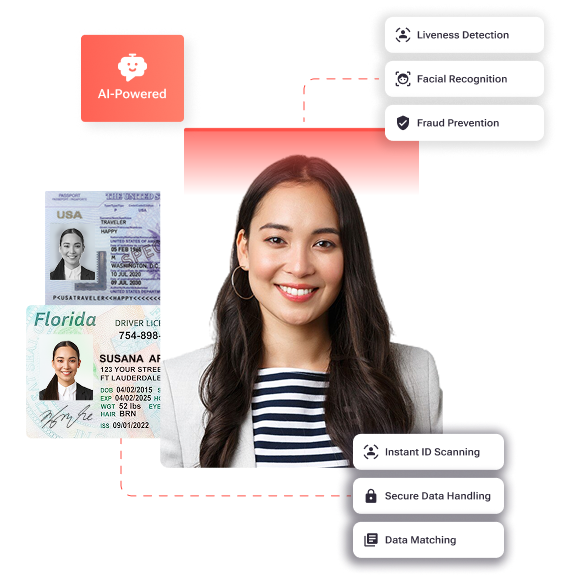
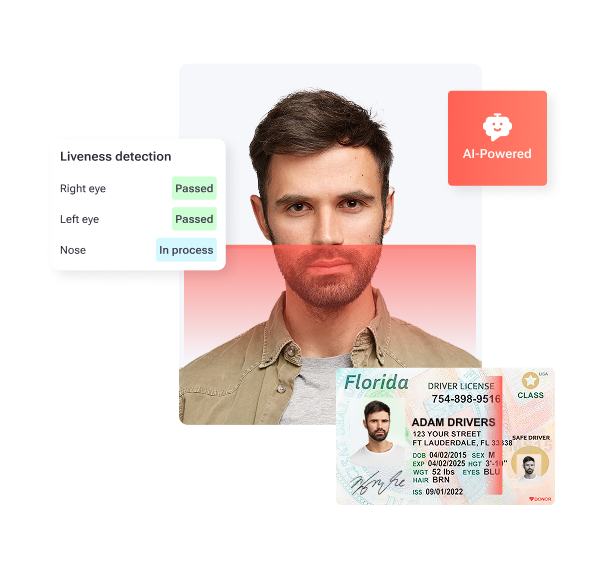
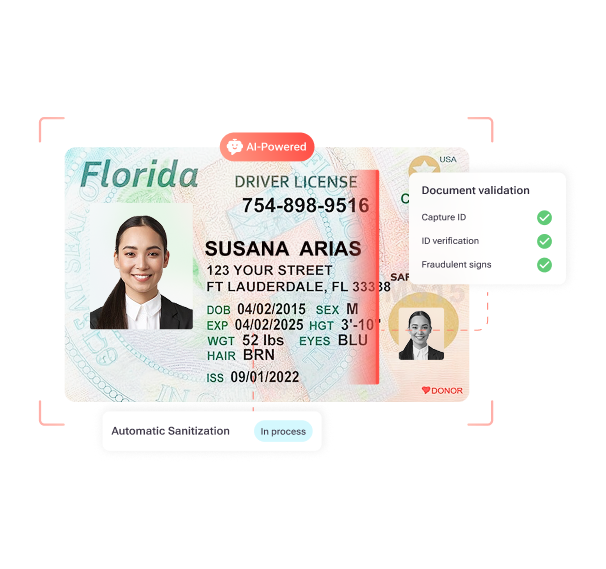
TenantEvaluation’s IDVerify+ supports these compliance requirements with AI-powered liveness detection, government ID validation, and biometric facial matching. All verification runs inside a single FCRA-compliant platform that already serves 5,000+ communities.
Vendor Vetting for HOA Biometric Identity Verification
Vendor selection directly affects legal exposure, resident trust, and day-to-day operations. Boards should focus on both compliance capabilities and technical infrastructure when they compare biometric identity verification providers.
Essential vendor requirements include:
- FCRA foundation: Direct credit bureau relationships rather than third-party data scraping, which supports accurate reports and clear dispute handling.
- Liveness detection: AI-powered verification that blocks photo, video, or deepfake spoofing attempts during enrollment and access.
- Florida-specific compliance: Demonstrated understanding of state privacy laws, HOA governance requirements, and typical association workflows.
- Native integration: A seamless workflow that avoids external redirects and multiple login portals for residents and managers.
- Audit capabilities: Complete documentation trails that support regulatory reviews, board oversight, and resident inquiries.
TenantEvaluation’s IDVerify+ stands out through its TransUnion reseller status, native platform integration, and configurable deployment for each community. Unlike competitors such as Snappt, which focuses on fraud detection only, or ApplyCheck, which centers on background screening, IDVerify+ delivers comprehensive identity verification inside existing resident onboarding workflows. With more than 100,000 applications processed annually and a 4.8/5 Google rating, the platform shows consistent reliability for Florida community associations.
To see how these capabilities apply to your specific compliance requirements, evaluate IDVerify+ with a personalized demo for your community by visiting the get-started page.
Integrating Biometrics with Resident Onboarding Workflows
Once you select a compliant vendor, the next critical step is integration with your existing workflows. Effective biometric access systems work best when they connect directly to resident screening and onboarding processes.
TenantEvaluation’s IDVerify+ links identity verification to background checks, income verification, and document collection inside a single platform. This unified approach creates a consistent experience for applicants, managers, and board members.
This integration enables:
- Streamlined workflows: A single application process covers screening, identity verification, and access enrollment without duplicate data entry.
- Enhanced fraud prevention: Biometric confirmation occurs before background check authorization, which reduces identity fraud at the earliest stage.
- Faster approvals: Automation cuts processing time by about 70 percent, which speeds move-ins and reduces manual follow-up.
- Revenue generation: Application fee collection with revenue sharing for associations creates a clear financial benefit alongside security gains.
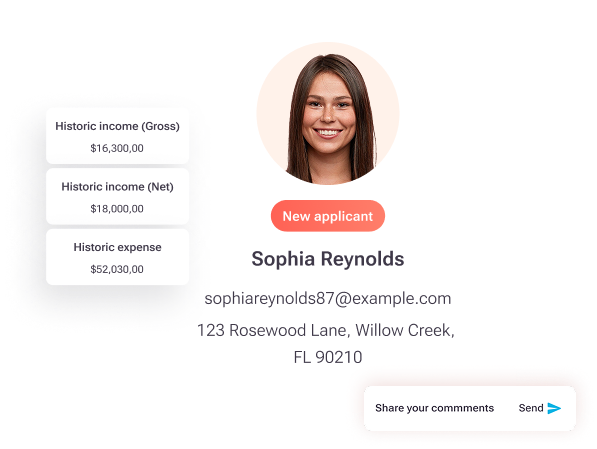
For a 2,000-unit Florida management company processing roughly 800 applications each month, manual identity verification consumed about 50 hours of staff time every day across locations. After implementing TenantEvaluation’s integrated platform, the company removed this bottleneck and achieved $240,000 in annual savings while also improving security and compliance tracking. The QuickApprove dashboard gives board members real-time visibility into applications, including biometric verification status and complete resident profiles.
Common Pitfalls and Practical Best Practices for HOAs
Many HOAs run into the same problems when they roll out biometric resident access systems, especially during the first year of use.
Common pitfalls include:
- Consent gaps: Collecting biometric data before obtaining explicit written authorization from residents.
- Poor revocation procedures: Failing to define clear steps for residents who want to withdraw consent and request data deletion.
- Inadequate alternatives: Not providing reliable non-biometric access options for residents who decline enrollment.
- Vendor compliance gaps: Choosing providers that lack FCRA foundations, audit capabilities, or Florida-specific expertise.
Best practices include:
- Automatic redaction: Implement systems that protect sensitive information without manual intervention, which helps prevent data collection before proper consent and reduces human error.
- Multilingual support: Provide consent forms and instructions in residents’ preferred languages so consent remains informed and valid for diverse communities.
- Board transparency: Use platforms like QuickApprove for clear oversight and approval workflows, giving boards visibility into consent, revocation handling, and data retention.
- Regular audits: Schedule quarterly compliance reviews and data retention assessments to catch any of these pitfalls before they become violations or resident disputes.
To understand how TenantEvaluation’s safeguards address these specific pitfalls in practice, request a guided walkthrough of the platform from the get-started page.
Frequently Asked Questions
Does Florida have a biometric privacy act for HOAs?
Unlike Illinois, Florida lacks a single comprehensive biometric privacy statute. However, HOAs must still comply with the Florida Digital Bill of Rights for applicable businesses, Chapter 501.171 privacy protections, and emerging AI legislation. These laws require consent for biometric data collection, secure storage, and proper data destruction procedures.
What is the new law in Florida for HOA biometrics in 2026?
Senate Bill 630 requires electronic portals for HOA record-keeping, which creates infrastructure that can support secure biometric access systems and detailed audit trails. Proposed House Bill 1395’s AI Bill of Rights would also require explicit consent for biometric data collection and prohibit unauthorized disclosure, although that bill remains under legislative review.
How does IDVerify+ ensure compliance with Florida HOA regulations?
IDVerify+ delivers FCRA-compliant identity verification through government ID validation, AI-powered liveness detection, and biometric facial matching. The platform includes automatic consent documentation, secure data storage with end-to-end encryption, configurable retention policies, and complete audit trails. All verification occurs within TenantEvaluation’s native platform, so residents and managers do not need to use external portals.
What are the penalties for biometric privacy violations in Florida HOAs?
Under the Florida Digital Bill of Rights, violations carry penalties that can reach $50,000 per affected resident, which matches the maximum penalty structure described in the legal overview above. Additional liability may arise from Chapter 501.171 privacy violations and potential federal FCRA non-compliance. HOAs also face increased lawsuit risk from residents whose biometric data is mishandled or disclosed without proper consent.
Can residents opt out of biometric access systems in Florida HOAs?
Yes, Florida privacy laws require HOAs to provide alternative access methods for residents who decline biometric enrollment. Communities must maintain traditional fob, keycard, or other non-biometric access options. Residents also have the right to revoke consent and request deletion of their biometric data at any time.
Prepare your Florida HOA for 2026 compliance requirements with TenantEvaluation’s proven IDVerify+ solution. Our FCRA-compliant platform, already trusted by thousands of Florida communities, provides comprehensive biometric identity verification, automated workflows, and complete audit capabilities. Get started with a demo to protect your community from fraud while maintaining regulatory compliance.
