
Last updated: January 23, 2026
Key Takeaways
- Manual tenant screening in Florida HOAs wastes 50+ staff hours daily, increases FCRA risk, and delays revenue from slow approvals.
- Effective screening platforms include automated ID checks, nationwide criminal searches, PCI Level 1 security, and board dashboards for compliance.
- Automation cuts processing from 5–10 days to minutes, reduces legal exposure, and turns screening into a reliable income stream.
- Florida HOAs must follow FCRA authorization rules, Fair Housing individualized assessments, and statutory fee caps for condominium application fees.
- Streamline HOA compliance and increase revenue with Tenant Evaluation today.
The Cost of Manual Tenant Screening for Florida HOAs
Manual tenant screening creates cascading operational problems for Florida associations. CAMs report losing up to 50 hours daily chasing incomplete applications, following up with realtors, and manually reviewing documents. This administrative overload hits just as 40.5% of for-sale listings now include HOA fees, which signals a sharp increase in screening volume.
FCRA compliance violations create the most serious risk. Manual processes often skip proper authorization forms, adverse action notices, or secure data handling protocols. Fair Housing Act violations add more exposure when associations apply screening criteria inconsistently or in a discriminatory way. Paper-based document handling also raises the chance of security breaches, which creates major liability under Florida’s strict data protection rules.
Revenue losses stack on top of these operational issues. Southeast Florida home sales are projected to rebound 5% in 2026, yet manual approval delays of 5–10 days cause associations to miss application fees and frustrate prospective residents. A typical scenario involves a CAM spending hours chasing missing documents while board members wait days for complete application packages. These bottlenecks cost both time and money.
Florida HOA Tenant Screening Rules and Fee Limits
Florida HOAs operate under complex regulatory frameworks that demand careful compliance. The Fair Credit Reporting Act (FCRA) requires written authorization before background checks, clear disclosure forms, and specific adverse action procedures when boards deny applications. Associations must follow strict timelines for adverse action notices and handle all consumer reports securely.
Florida HOAs and condo associations can require lease approval if their declaration or bylaws authorize it, but this power is limited by the Condominium Act, governing documents, and fair housing laws. Under Fla. Stat. § 718.116(4), associations may deny lease approval when a unit owner is delinquent and can require direct rent payment to the association.
For condominiums, rental application fees are capped by Florida statute at $150, including background checks and credit reports. This cap applies whether the association or management company charges the fee. HOAs do not face a statutory fee cap, so their limits come from governing documents.
Fair Housing Act compliance requires individualized assessments instead of blanket criminal history exclusions. Associations may use screening standards such as credit or income criteria when they are lawful, consistent with documents, applied uniformly, and not used as a pretext. Denials must include written reasons and cannot conflict with fair housing protections.
Core Features Every HOA Screening Platform Should Include
Modern HOA screening platforms need specific tools that support both compliance and daily operations. Essential capabilities include:
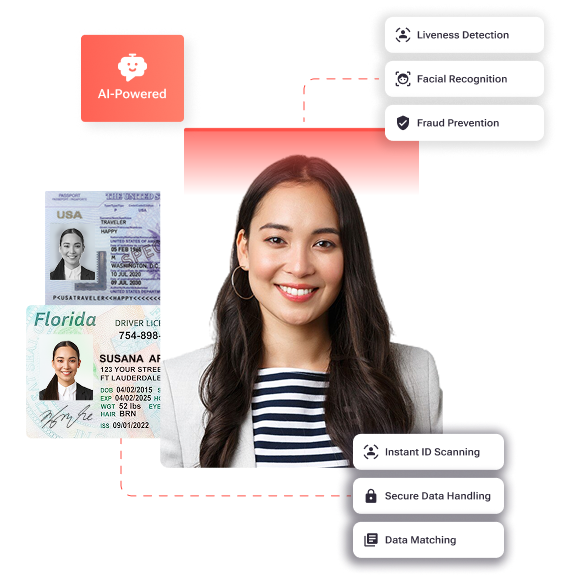
- Automated ID Verification: Digital identity checks confirm applicant authenticity through document scanning and verification algorithms, which reduces fraud risk.
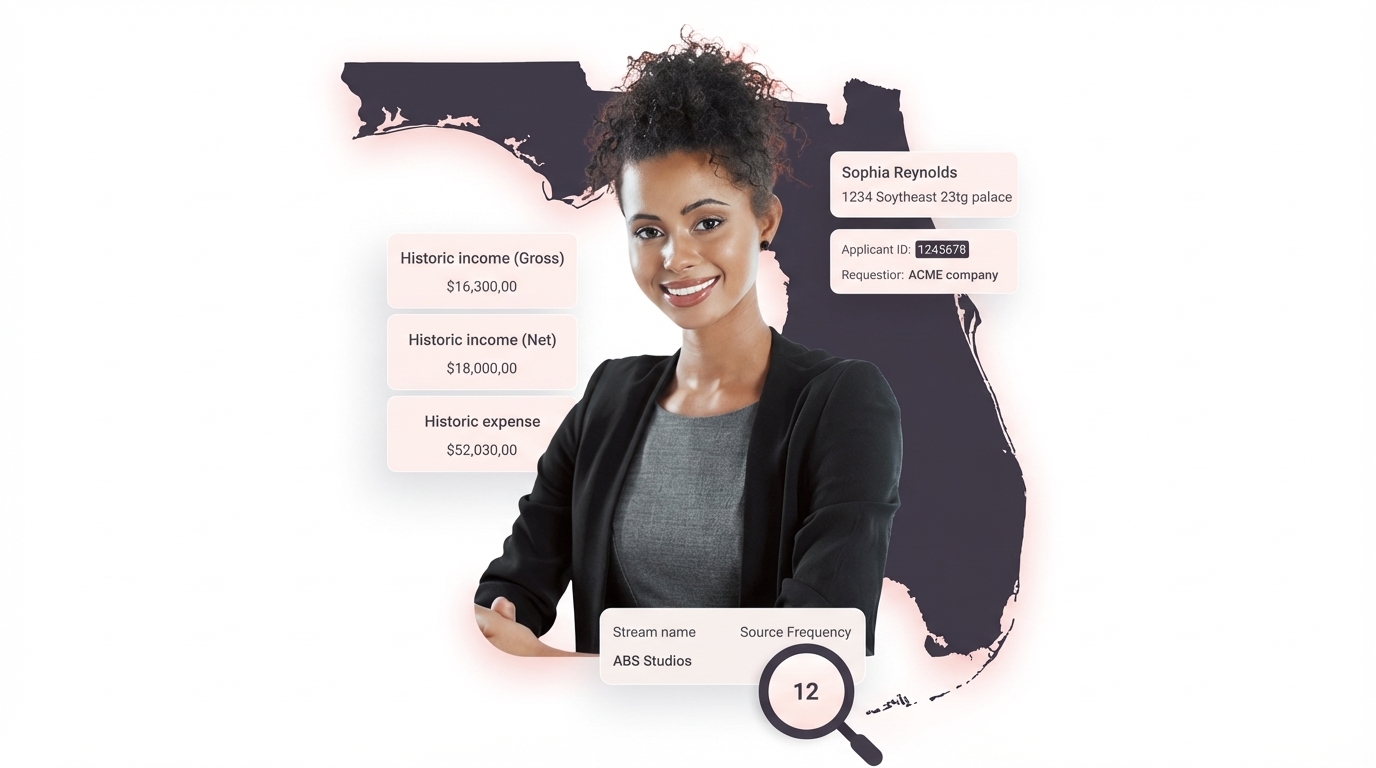
- Comprehensive Income Verification: Direct employer contact and bank statement analysis go beyond self-reported data and support accurate financial review.
- Nationwide Criminal Database Access: Multi-jurisdictional background checks pull from FBI databases, sex offender registries, and court records.
- Automatic PII Redaction: Intelligent document processing removes Social Security numbers, bank account details, and other sensitive data before board review.
- PCI Level 1 Compliance: Bank-grade security standards, encryption, and secure transmission protect payment and personal information.
- Multilingual Support: Interfaces and support in multiple languages help serve Florida’s diverse resident base.
- Board Dashboard Integration: Real-time status views, voting panels, and structured approval workflows match HOA governance needs.
- Complete Audit Trails: Timestamped records of actions, decisions, and communications support regulatory and legal reviews.
- Revenue-Sharing Fee Structure: Pay-per-application pricing turns screening into a revenue source instead of a fixed software expense.
- 24/7 AI-Powered Support: Automated help for applicants and staff across languages and time zones keeps applications moving.
Top HOA software platforms now include AI tools for maintenance, compliance checks, and approvals with real-time audit trails. These capabilities separate full-service platforms from basic background check vendors.
Schedule a demo today to see how integrated compliance tools simplify HOA operations while supporting regulatory requirements.
Manual vs Automated Screening: How They Compare
Manual and automated screening deliver very different results for Florida HOAs. The comparison below highlights the most important operational gaps.
|
Metric |
Manual Processes |
Automated Platforms |
|
Processing Time |
5-10 days |
5-10 minutes (70% savings) |
|
Daily Staff Hours |
50+ hours lost to admin tasks |
Staff time redirected to higher-value work |
|
Compliance Risk |
High (breaches, FCRA violations) |
Lower (audit trails, PCI compliance) |
|
Error Rate |
High (manual document review) |
Lower (AI-supported accuracy) |
AI-powered tenant screening significantly reduces processing time compared to manual methods, while improving accuracy and risk analysis. These gains directly reduce costs and liability for Florida associations.
Why TenantEvaluation Fits Florida HOAs
TenantEvaluation serves as a background check authorization platform built specifically for Florida HOAs and condominiums. Generic property management tools from providers such as Buildium or AppFolio often lack HOA-focused board workflows. TenantEvaluation fills that gap with QuickApprove dashboards for board members and SafeCheck+ screening services.
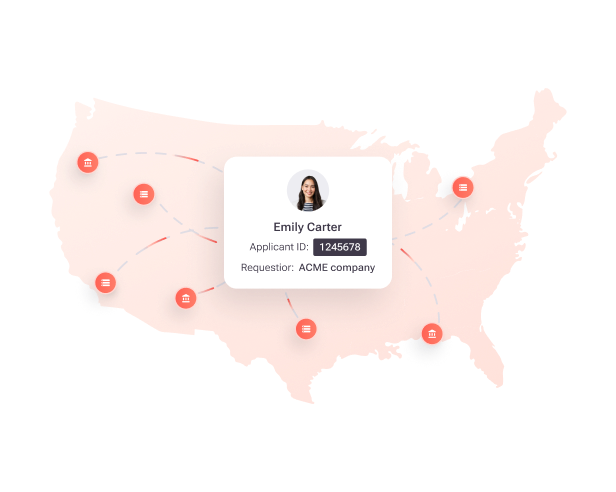
The platform has generated $150M for communities while processing more than 100,000 applications each year. TenantEvaluation’s Florida-focused compliance settings and revenue-sharing model set it apart from competitors like Verify Screening Solutions or ApplyCheck, which concentrate on background checks without full automation.
Schedule a demo today to see how TenantEvaluation turns HOA screening from a manual burden into a predictable revenue stream.
How TenantEvaluation Helps CAMs, Boards, and Residents
TenantEvaluation delivers measurable value for every stakeholder group. Community Association Managers gain up to 50 hours daily through automated workflows that replace document chasing and repeated follow-up calls. This time shift allows CAMs to focus on resident service and community projects.
Board members gain clear visibility through QuickApprove dashboards that show real-time application status, AI-generated summaries, and simple voting tools. This direct access removes long email threads and meeting delays while preserving proper oversight.

Applicants and realtors benefit from mobile-friendly applications, 24/7 multilingual support, and much faster approvals. The 70% reduction in processing time improves the applicant experience and speeds up realtor commissions and move-in dates.
Communities earn revenue through the pay-per-application model instead of paying fixed software fees. Advanced analytics provide demographic and application insights that support planning for amenities, policies, and long-term community strategy.
Florida HOA Tenant Screening: Common Questions
Can Florida HOAs require background checks for renters?
Florida HOAs can require background checks for rental applicants when their declaration or bylaws authorize lease approval. Screening standards must still comply with the Fair Housing Act, remain consistent across applicants, and follow FCRA rules. Associations cannot use screening criteria as a pretext for discrimination and must give written reasons for denials.
What are FCRA requirements for HOA tenant screening?
The Fair Credit Reporting Act requires HOAs to obtain written authorization before running background checks and to provide clear disclosure forms. When boards deny applications, they must follow adverse action procedures, send notices within required timeframes, include copies of consumer reports, and explain the applicant’s right to dispute errors. Associations must store and use consumer report data securely and only for legitimate screening.
Which background check tools fit small and large Florida HOAs?
TenantEvaluation scales for both small self-managed communities and large management companies. Small HOAs gain automated workflows that remove the need for dedicated screening staff. Large companies benefit from advanced analytics, bulk processing, and revenue-sharing across many properties. The platform’s flexible setup supports different community rules and approval processes.
How can HOAs maintain Fair Housing compliance in screening?
Fair Housing compliance requires individualized assessments and consistent criteria. HOAs should create clear written standards, apply them to every applicant, and avoid discriminatory language in forms and communication. Boards should document each decision with objective reasons. Regular staff training and automated compliance features reduce the chance of violations.
What security standards should HOA screening platforms meet?
HOA screening platforms should maintain PCI Level 1 compliance for payments, use end-to-end encryption, and automatically redact sensitive personal information. Secure document storage, complete audit trails, and frequent security updates help protect against data breaches. Bank-grade protections are essential because applications contain financial and personal details.
Conclusion: Turn Screening Into a Compliant Revenue Driver
Florida HOAs face growing pressure from population growth, complex regulations, and inefficient manual screening. Paper-heavy processes increase the risk of FCRA and Fair Housing violations, security incidents, and missed revenue. TenantEvaluation addresses these issues with automated workflows, Florida-specific compliance tools, and revenue-sharing fee structures.
Schedule a demo today to turn your HOA’s screening process into a faster, compliant, and more profitable operation.